AMD MI450

Search documents
META Deepens AI Strategy With New Arm CPU Initiative: What's Ahead?
ZACKS· 2026-03-27 16:01
Core Insights - Meta Platforms (META) is heavily investing in AI infrastructure, partnering with Arm to develop AI-optimized CPUs for enhanced data center performance [2][9] - The company anticipates capital expenditures between $115 billion and $135 billion in 2026, contributing to a projected total spending of approximately $700 billion by major tech firms on AI infrastructure [5] - META's revenue for Q1 2026 is expected to be between $53.5 billion and $56.5 billion, indicating a 30.5% year-over-year growth [5] AI Infrastructure Development - META is collaborating with Arm to create a new class of CPUs, the Arm AGI CPU, which promises faster performance and efficiency compared to legacy CPUs [2][9] - The partnership with AMD includes the use of custom MI450 and 6th-generation EPYC CPUs, enhancing META's AI capabilities [3][9] - NVIDIA is also supporting META's AI initiatives by optimizing data centers for AI training and inference [4][9] Energy and Sustainability - META is addressing its significant energy consumption by securing long-term nuclear power agreements to supply up to 6.6 GW of electricity by 2035 [4][9] Competitive Landscape - META faces stiff competition in the advertising space, particularly from Alphabet, which reported a 13.6% year-over-year increase in advertising revenues [6] - Amazon's advertising services also saw a 22% year-over-year growth, showcasing the effectiveness of AI-driven optimization [7] Financial Performance and Valuation - META's stock has declined 17.1% year-to-date, underperforming the broader technology sector [8] - The company's shares are trading at a forward price/sales ratio of 5.33, higher than the industry average of 3.72 [10] - The Zacks Consensus Estimate for Q1 2026 earnings is $6.67 per share, reflecting a 3.7% year-over-year growth [12]



AI Technologies:《2026年全球人工智能状况与趋势》
欧米伽未来研究所2025· 2026-03-09 10:35
Core Insights - The report "State of AI 2026" by AI Technologies outlines significant advancements in AI technology over the past year and provides nine predictions for 2026, emphasizing the report's influence among global decision-makers and investors [3] Investment Trends - In 2025, global venture capital investment in AI is projected to reach approximately $200 billion, accounting for 50% of total VC investments, with 58% directed towards "super rounds" exceeding $500 million [4] - Major players like OpenAI, Scale AI, and Anthropic have secured substantial funding, indicating a "winner-takes-all" market dynamic [4] Infrastructure and Energy - The competition for computing power is intensifying, with tech giants expected to invest over $300 billion in data center expansion by 2025 [4] - Data centers are projected to consume about 10% of global energy by 2030, highlighting a mismatch in infrastructure capabilities [5] Hardware Landscape - NVIDIA maintains a dominant position in the hardware market, with projected revenues of around $130 billion in 2025, but faces increasing competition from AMD and local Chinese manufacturers [6] Model Development and Adoption - The AI model landscape is characterized by a dual dominance of the US and emerging players in China, with top closed-source models led by US firms and open-source models increasingly controlled by Chinese companies [7] - Despite high adoption rates of generative AI in enterprises, the success rate of AI projects in production remains low, with a failure rate of 88% to 95% for pilot projects [8] Consumer Market Dynamics - OpenAI leads the consumer market with 5.5 billion monthly visits, while the AI companion market has reached a size of $32 billion, growing at a CAGR of 30% [9][10] Security and Governance Challenges - Cybersecurity incidents have escalated, with DDoS attacks increasing by 30% and ransomware attacks by 32% in 2025 [11] - The global regulatory landscape is becoming increasingly fragmented, with the EU establishing comprehensive AI regulations while the US adopts a more relaxed approach [12] Geopolitical Context - The report highlights the ongoing technological rivalry between the US and China, particularly in areas like chip export controls and data sovereignty [13] Robotics and Scientific Advancements - The robotics market is expected to exceed $200 billion, with significant advancements in AI applications in scientific research and drug approval processes [14] Future Predictions - Key predictions for 2027 include a decline in NVIDIA's market share, increased investment in AI applications, and a significant rise in the robotics sector [15][16]


AMD苏姿丰:没有万能芯片
半导体芯闻· 2026-03-04 10:23
Core Insights - AMD CEO Lisa Su emphasized that no single chip can excel in all AI computing tasks, indicating a shift towards heterogeneous computing in AI infrastructure [1][4]. Group 1: AI Infrastructure and Partnerships - AMD's collaboration with OpenAI includes a significant computing power supply agreement, where OpenAI is set to purchase approximately 10% of AMD's shares at a low price [2]. - AMD's partnership with Meta involves a computing collaboration valued at potentially over $100 billion, with AMD issuing performance-based warrants to Meta [2]. - Su highlighted the importance of deep partnerships, stating that the issuance of warrants can accelerate purchasing behavior and ecosystem development [2]. Group 2: Heterogeneous Computing - The AI infrastructure is becoming increasingly complex, requiring various types of computing for different workloads, including training and inference [4]. - Su noted that as AI workloads grow, efficiency becomes crucial, which is linked to performance and power consumption [4]. - AMD aims to balance flexibility with the need for custom solutions for specific workloads, indicating a future with diverse chips optimized for different tasks [4]. Group 3: Supply Chain and Market Dynamics - Su addressed the tight supply of CPUs and rising memory prices, attributing the supply chain challenges to a larger market scale than previously predicted [8]. - AMD is in a favorable position with its supply chain partnerships and plans to expand supply capabilities by 2026 and 2027 [8]. - The rising prices of DDR4 and DDR5 memory are impacting system pricing, particularly in the personal computer market, with expectations of continued market fluctuations [8].

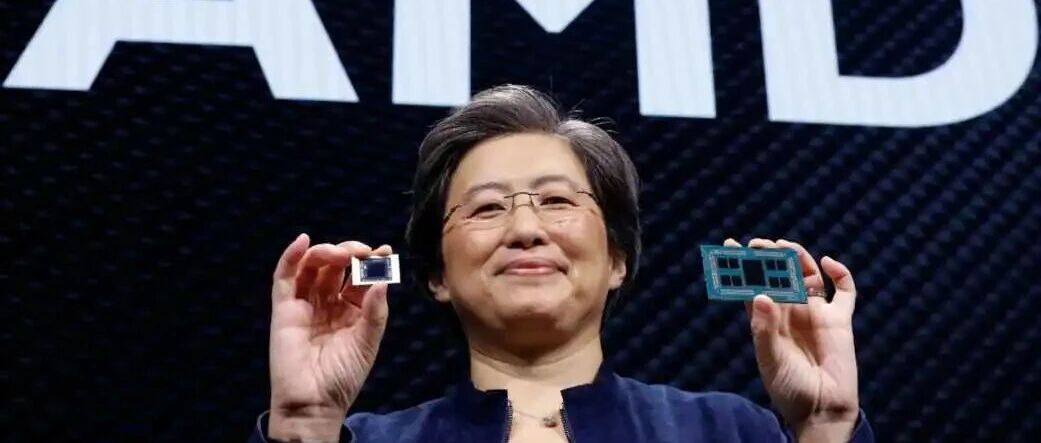
AMD苏姿丰称AI基础设施没有“万能芯片”,并回应内存涨价
第一财经· 2026-03-04 02:01
Core Insights - AMD's CEO, Dr. Lisa Su, discussed the evolving landscape of AI infrastructure and the importance of diverse computing capabilities during a recent Morgan Stanley conference, highlighting the company's strategic partnerships with OpenAI and Meta [3][4]. Group 1: AI Infrastructure and Partnerships - AMD has entered a significant computing power supply agreement with OpenAI, which includes OpenAI acquiring approximately 10% of AMD's shares at a discounted price [5]. - A similar partnership with Meta involves a computing collaboration valued at potentially over $100 billion, with AMD issuing performance-based warrants to Meta [5][6]. - Dr. Su emphasized the importance of deep partnerships and the unique nature of AMD's collaborations with OpenAI and Meta, which are expected to accelerate AMD's ecosystem development [6]. Group 2: Heterogeneous Computing - The CEO noted that AI infrastructure is becoming increasingly complex, requiring various types of computing for different workloads, including training and inference [6]. - AMD is focusing on a heterogeneous computing model, recognizing that no single chip can excel in all tasks, and there is a growing demand for customized chips tailored to specific workloads [7]. - The company aims to balance flexibility with the need for specialized chips, indicating that different chip architectures will be utilized to optimize performance for various applications [7]. Group 3: Supply Chain and Market Dynamics - Dr. Su addressed the current tight supply of CPUs and rising memory prices, attributing these issues to a larger-than-expected market demand [9]. - AMD is well-positioned within its supply chain to meet a significant portion of demand and plans to expand its supply capabilities in 2026 and 2027 [10]. - The rising prices of DDR4 and DDR5 memory are impacting system pricing, particularly in the personal computer market, with expectations of continued market fluctuations [10].
AMD strikes blockbuster $100B AI chip deal with Mark Zuckerberg's Meta
New York Post· 2026-02-24 16:57
Core Viewpoint - Advanced Micro Devices (AMD) has entered into a significant agreement to sell up to $60 billion worth of artificial intelligence chips to Meta Platforms over five years, which may allow Meta to acquire up to 10% of AMD [1][9]. Group 1: Deal Details - The agreement could potentially exceed $100 billion in value, reflecting the growing demand for AI processors [1]. - AMD will supply six gigawatts' worth of chips to Meta, starting with one gigawatt of the MI450 flagship hardware in the second half of this year [7]. - The deal includes two generations of AMD's CPUs, with a focus on custom processors tailored for Meta's needs [10]. Group 2: Market Context - The demand for AI processors has intensified competition among major players like Nvidia and niche companies, as the industry seeks to secure limited supplies [2][14]. - Capital expenditure from major tech companies, including Alphabet, Microsoft, Amazon, and Meta, is projected to reach at least $630 billion this year, primarily for data centers and AI chips [8]. Group 3: Strategic Implications - Meta's strategy involves diversifying its chip supply by securing partnerships with multiple vendors, including AMD and Nvidia, to avoid bottlenecks in its AI ambitions [3][15]. - The partnership signifies a vote of confidence in AMD's next-generation AI hardware, although the need to offer a 10% stake may indicate challenges in generating organic demand [4][17]. - AMD's previous agreement with OpenAI has similarly boosted its stock price, indicating a trend of significant partnerships within the AI sector [3][12].
Meta联手AMD、英伟达HBM4、机构做空闪迪
傅里叶的猫· 2026-02-24 15:59
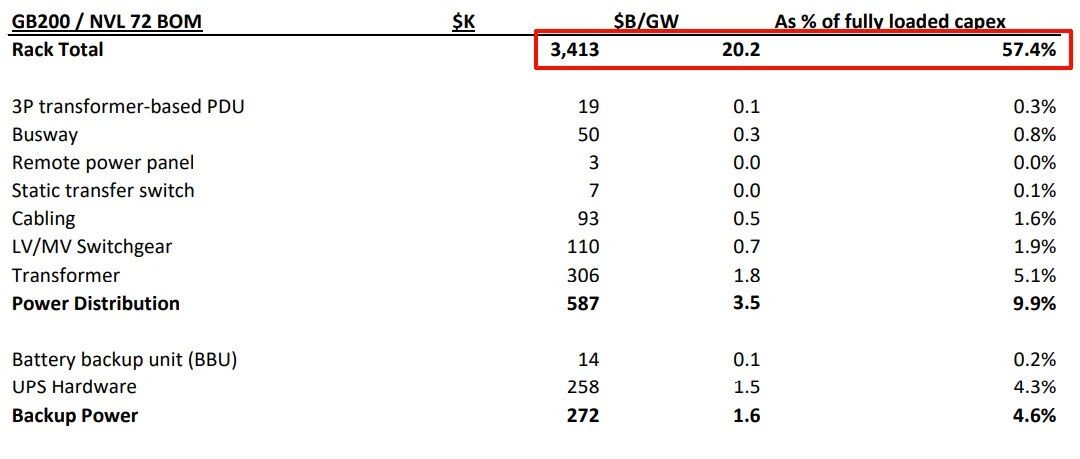
Group 1 - Meta has partnered with AMD to deploy data center equipment with a total power of 6 GW, all utilizing AMD processors. The estimated total cost for the data center is around $350 billion to $500 billion, with GPU servers accounting for approximately 57.4% of the costs, translating to about $120 billion [2][3]. - As part of the agreement, Meta will acquire 160 million shares of AMD's certified stock, valued at approximately $33 billion based on current stock prices [4]. - Meta has faced supply chain issues with Nvidia, prompting a diversification strategy that includes exploring Google's TPU and reallocating its own CoWoS capacity to mitigate risks and optimize total cost of ownership (TCO) [5]. Group 2 - Hynix's HBM4 is experiencing issues, with a necessary modification to the photomask for the 12nm base die, potentially delaying supply by over a quarter [7]. - Citron has announced a short position on SanDisk, citing two main reasons: the memory industry is cyclical and will eventually peak, and Samsung is beginning to compete with SanDisk in the SSD market, suggesting that current supply tightness is a temporary issue related to Samsung's yield problems in another product line [9][10]. - The memory sector is becoming a bottleneck for AI, with increasing demands for bandwidth and capacity. By 2030, the architecture for AI memory will evolve beyond the current HBM+DRAM+SSD setup, necessitating technological upgrades to meet the needs of AI applications [11].
Nvidia’s Week: UBS Raises Target, Hyperscaler Spending Holds, AMD Stumbles
Yahoo Finance· 2026-02-14 12:50
Core Viewpoint - Nvidia's stock experienced a 1.4% decline, underperforming both the S&P 500 and the semiconductor sector, despite positive developments in the AI infrastructure spending landscape [2][3]. Group 1: Stock Performance - Nvidia closed the week at $182.81, down 1.4% from the previous week's close [2]. - Year-to-date, Nvidia is down 1.98%, while the semiconductor sector is up 13.21%, highlighting a significant divergence [3]. - Nvidia's shares are underperforming broad semiconductor ETFs by 15% this year [7]. Group 2: Analyst Insights - UBS raised its price target for Nvidia from $235 to $245, maintaining a Buy rating, citing positive earnings and supply chain trends ahead of the GTC event [4]. - The $245 target implies approximately 34% upside from current levels, indicating confidence in Nvidia's growth potential [4]. Group 3: Market Drivers - Capital expenditure cycles from major hyperscalers like Microsoft, Amazon, and Alphabet are driving semiconductor demand, with Nvidia being a top holding in the Invesco PHLX Semiconductor ETF [5]. - The Invesco PHLX Semiconductor ETF has amassed $1 billion in assets, with a 59% concentration in its top 10 holdings, underscoring the reliance on a few key players in the AI chip market [5]. - Arista Networks raised its 2026 AI revenue guidance to $3.25 billion, indicating that AI infrastructure spending remains robust [6].
Believe It: Chip Stocks Aren't as Expensive as Investors Think
Etftrends· 2026-02-13 16:34
Core Viewpoint - Chip stocks, particularly those involved in artificial intelligence (AI), are not as overvalued as previously thought, providing potential investment opportunities within ETFs like QQQ and QQQM [1] Group 1: Semiconductor Stocks - Semiconductors are crucial for AI developments, leading to increased interest in ETFs that include chip stocks [1] - Nvidia, the largest holding in QQQ and QQQM, represents nearly 9% of these ETFs and continues to innovate in AI solutions, indicating strong fundamentals [1] - Broadcom, another significant holding, is experiencing accelerated growth in its AI chip business, driven by high demand for its products, particularly Google's TPU chip [1] Group 2: Investment Outlook - Despite being growth funds, QQQ and QQQM still offer value through their semiconductor holdings, which have attractive fundamental outlooks [1] - AMD is also positioned to benefit from AI developments, with expectations of meaningful revenue from its MI450 products in the latter part of the year [1]


AMD's Stock Got Crushed Today. CEO Lisa Su Says Demand Is 'On Fire'
Investopedia· 2026-02-04 23:25
Core Insights - AMD's stock experienced a significant decline of over 17% despite reporting quarterly earnings that exceeded Wall Street estimates, indicating a disconnect between market expectations and actual performance [1][1] - CEO Lisa Su expressed optimism about the company's future, describing 2023 as a "big inflection year" and highlighting strong demand for AMD's chips, which she stated is "on fire" [1][1] - AMD is preparing to launch its next-generation AI products in the second half of the year, with expectations that revenue from its MI450 chip will begin contributing in Q3 [1][1] Financial Performance - AMD's quarterly earnings surpassed Wall Street estimates, yet the stock still fell, suggesting that investor expectations may have been overly optimistic [1][1] - The company's shares closed around $200, significantly below Wall Street's consensus price target of approximately $276 [1][1] Market Position and Future Outlook - AMD is positioned as a competitor to Nvidia in the AI chip market, with the upcoming launch of its MI450 chip aimed at challenging Nvidia's offerings [1][1] - The data center segment, which is crucial for AMD's revenue, is projected to grow by more than 60% annually over the next three to five years as demand for AI technology accelerates [1][1]
数据中心的下一个胜负手:跳出AI芯片
3 6 Ke· 2026-01-25 06:05
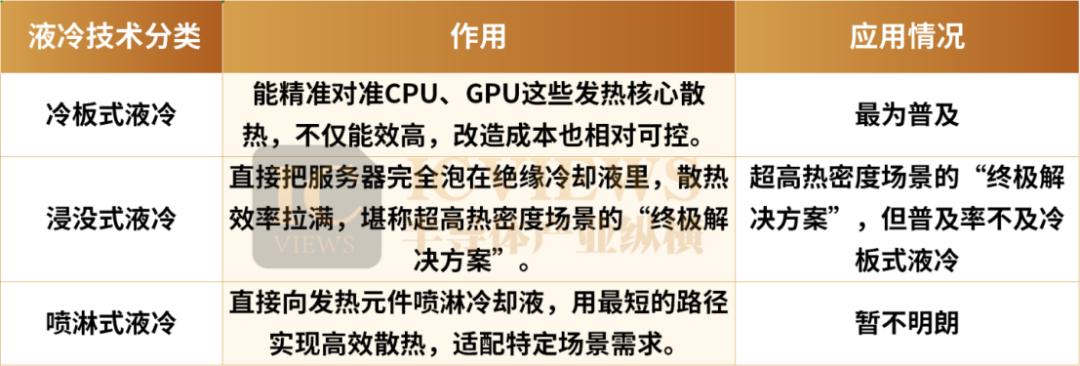
Core Insights - The current reality of AI chips in data centers reveals that significant investments may yield less than 60% of their theoretical value due to power consumption issues [1] - The expansion of computing power is outpacing electricity supply, reshaping the development logic of the data center industry [1] Group 1: Power Consumption Challenges - The disconnection between AI chip technology and actual data center usage is a core issue leading to high power consumption [2] - Many AI chips focus on peak computing power rather than balancing efficiency and power usage, resulting in wasted energy [2] - The rapid increase in computing demand, with a growth rate of 74.1% in 2024, exacerbates the power consumption problem, turning data centers into "power black holes" [3] Group 2: Cooling Technology Innovations - Data centers rely heavily on cooling systems, which account for over 38% of total power consumption, with some cases exceeding 50% [4] - Liquid cooling technology is emerging as a key solution, with three main types: cold plate liquid cooling, immersion cooling, and spray cooling [5][6] - Despite being the most efficient, liquid cooling technology has a low adoption rate of about 10% in the industry [7] Group 3: Market Dynamics and Competitive Landscape - Companies like NVIDIA and AMD are developing customized liquid cooling solutions to enhance cooling efficiency and adapt to high-density computing environments [8] - In China, Shuguang Shuchuang leads the liquid cooling infrastructure market with a 56% share, providing solutions to major internet firms [9] - The overall manufacturing advantage of China is becoming evident in the transformation of data centers, with the manufacturing sector's value surpassing that of the US [10][11][12] Group 4: Future Directions - The future of data centers will prioritize intelligent design over sheer size, focusing on efficient power usage and effective cooling solutions [13]