
Afeela1

Search documents
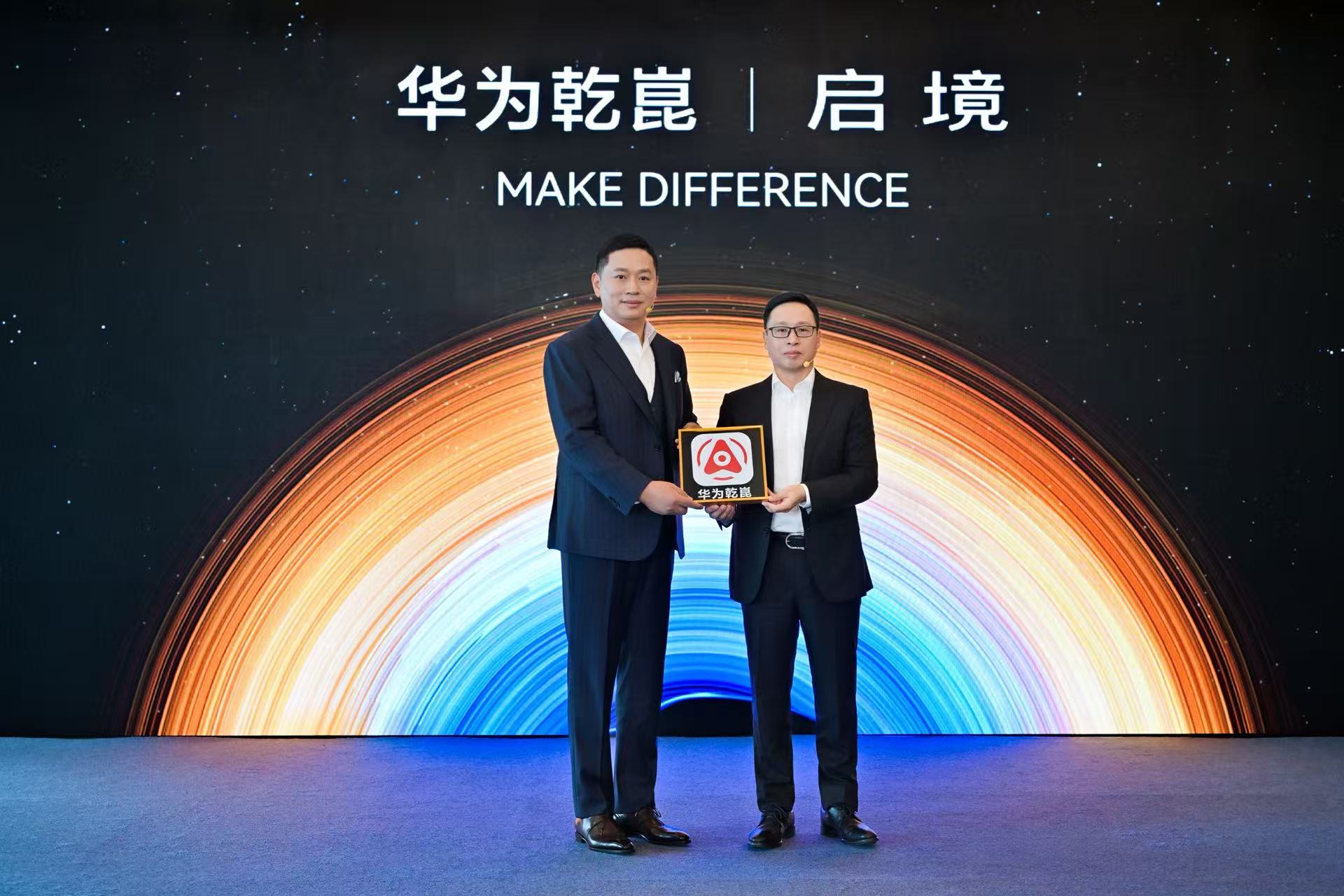
启境入局:中国汽车智能化下半场的价值回归与高端突围
Jing Ji Guan Cha Wang· 2026-02-15 02:07
Core Insights - The electric vehicle (EV) penetration rate in China is expected to approach 60% by the end of 2025, indicating that the initial phase of electrification is nearing completion, while the next phase of intelligent transformation is just beginning [1][4] - Market data suggests a slowdown in EV wholesale growth, with a forecasted decline from 28% in 2025 to 15% in 2026, signaling a shift from growth to competition among existing players [1][4] - The launch of the high-end intelligent EV brand "Qijing," co-created by Huawei and GAC Group, represents a significant step in addressing the industry's transition from electrification to intelligentization [1][3] Industry Transition - The Chinese automotive market is undergoing a structural transformation, with a predicted slowdown in growth rates for new energy vehicles as penetration exceeds 50% [4] - Deloitte's report highlights that over 80% of automotive companies have initiated AI pilot projects, but only 15% have achieved large-scale application, indicating a shift in focus from "whether to do" to "how to do it right" [1][4] - The automotive industry is recognized as being at a critical juncture, facing pressures on the supply side while experiencing explosive growth in demand for intelligent and personalized vehicles [4][6] Intelligent Transformation - Intelligentization is identified as the core of the automotive industry's transformation, integrating various advanced technologies such as perception, data processing, connectivity, execution control, and user experience [6] - The shift from traditional vehicles to intelligent terminals is reshaping the travel ecosystem, with AI expected to play a pivotal role in this evolution [6][12] - The competitive landscape is evolving, with a focus on the ability to continuously innovate and adapt intelligent capabilities rather than merely distinguishing between fuel and electric vehicles [12][14] Challenges and Opportunities - The transition to intelligent vehicles presents significant challenges, including the need for comprehensive technical capabilities, responsibility frameworks for Level 3 automation, and upgraded collaborative models within the industry [15][16] - Qijing's collaboration with Huawei is characterized as "embedded collaboration," allowing for a more integrated approach to product development and system performance validation [16][18] - The brand's supply chain and quality management systems are designed to meet the high standards of luxury vehicles, positioning Qijing to take on the challenges of intelligent vehicle production [18][20] Market Positioning - Qijing aims to redefine the high-end market by focusing on a combination of aesthetics, driving control, and intelligence, while also establishing a differentiated dealer network strategy [23][24] - The brand's strategy reflects a broader trend of Chinese automotive brands moving into the high-end market, with significant improvements in product quality and user experience [21][23] - The emergence of Qijing is seen as a critical exploration of the intelligent and high-end development path for the Chinese automotive industry, aligning with national policies promoting digital transformation [27][29]

索尼本田合资电动车Afeela交付在即,面临法律与市场双重挑战
Jing Ji Guan Cha Wang· 2026-02-12 14:31
Group 1 - Sony Honda Mobility (SHM) plans to deliver its first electric vehicle, Afeela1, by the end of 2026 in the U.S. with a starting price of $89,900. A concept SUV is also showcased, expected to be produced in the U.S. by 2028 [1] - SHM's direct sales model is facing legal challenges in California, with the California New Car Dealers Association (CNCDA) suing SHM for allegedly violating state franchise laws by collecting deposits through its website [2] - Sony Group reported a revenue of 3.71 trillion yen for Q3 2025, with an operating profit increase of 22% to 515 billion yen and a net profit of 377.3 billion yen. The imaging and sensing solutions segment showed significant growth, with sales and operating profit rising by 21% and 35% respectively [3] Group 2 - The global demand for high-end electric vehicles is cooling, with brands like Tesla reducing prices to clear inventory. Chinese brands are intensifying technological competition, presenting a challenging market environment for Afeela1 [4] - Sony views the automotive sector as the "next trillion-dollar computing platform," aiming to integrate its sensor and entertainment technology, but faces challenges in merging consumer electronics with the automotive industry [4]

