
启境汽车

Search documents
广汽集团欲重返产销200万辆,如何做到?
Di Yi Cai Jing Zi Xun· 2026-02-28 08:09
Core Viewpoint - GAC Group aims to achieve a vehicle production and sales target of 2 million units in 2026, with a focus on improving operational efficiency and returning to profitability after a challenging 2025 [1] Group 1: 2025 Performance and Financial Outlook - In 2025, GAC Group achieved a total sales volume of 1.8135 million vehicles, with nearly 130,000 units exported under its own brands [1] - The company anticipates a net loss attributable to shareholders of the parent company between 8 billion to 9 billion yuan for 2025, and a net loss excluding non-recurring items between 8.9 billion to 9.9 billion yuan [1] Group 2: Strategic Initiatives and Transformation - GAC Group has established a "2+3+X" long-term transformation framework, completing the first phase of foundational tasks and gradually implementing the IPD product development system [1] - The company is focusing on three major tasks: stabilizing joint ventures, strengthening its own brands, and expanding its ecosystem, which aligns with its "14th Five-Year Plan" [2] Group 3: Sales Performance and Market Strategy - In January 2026, GAC Group's vehicle sales reached 116,600 units, marking an 18.47% year-on-year increase, with self-owned brand sales nearly reaching 50,000 units, up 87.58% [2] - The company plans to enhance its joint venture brands, particularly GAC Toyota and GAC Honda, while pushing for deeper integration of electric and intelligent technologies in its self-owned brands [2] Group 4: Focus on New Brands and Overseas Expansion - GAC Group is concentrating on the "Qijing" brand, a high-end smart electric vehicle brand co-created with Huawei, with plans to launch two new models in 2026 [3] - The company aims to significantly expand its overseas market presence, targeting a sales volume of 200,000 units abroad by optimizing channel structures and localizing production [3]

每天车闻:广汽集团冯兴亚立下军令状,产销重回200万辆,英伟达2026财年第四季度及全年财报
Xin Lang Cai Jing· 2026-02-27 10:30
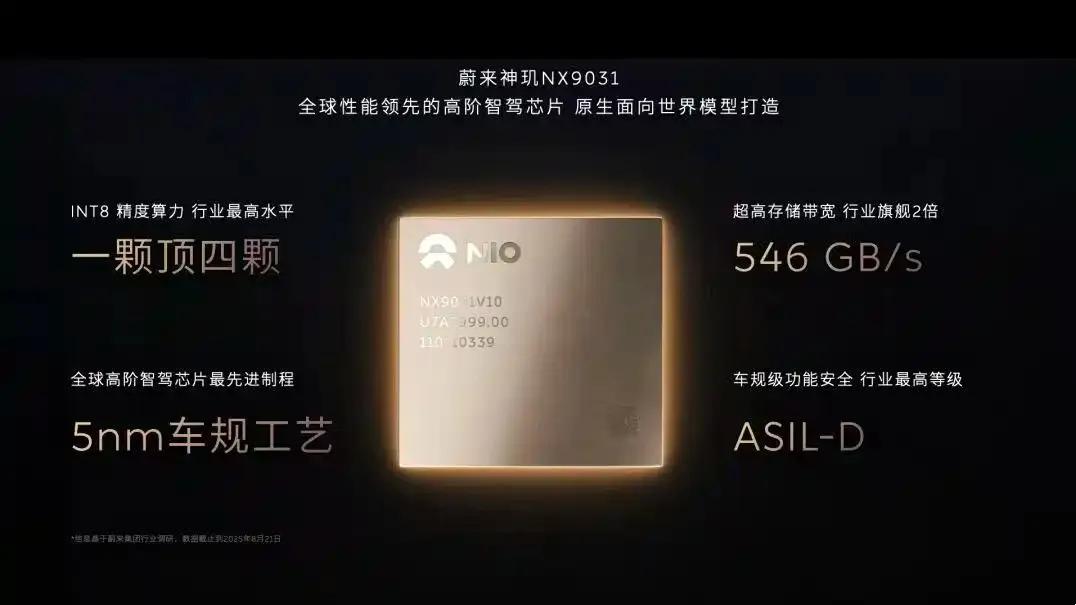
Group 1 - NIO's chip subsidiary, Anhui Shenji Technology Co., Ltd., completed its first round of equity financing exceeding 2.2 billion RMB, with a post-investment valuation nearing 10 billion RMB, supported by multiple industry capital and leading institutions [4][18] - The financing will aid Shenji in the continuous research and promotion of high-end, competitive chip products, supporting NIO's layout in autonomous driving and embodied intelligence [4][18] - The world's first 5nm automotive-grade chip, Shenji NX9031, has shipped over 150,000 units since its production began in 2024, successfully deployed across all NIO models [4][18] Group 2 - NVIDIA reported fourth-quarter revenue of $68.1 billion for the fiscal year 2026, a 20% increase quarter-over-quarter and a 73% increase year-over-year [5][19] - For the entire fiscal year 2026, NVIDIA's revenue grew by 65% to $215.9 billion, with automotive revenue reaching $604 million in the fourth quarter, a 2% increase from the previous quarter and a 6% increase year-over-year [5][19] - Annual automotive revenue reached a record $2.3 billion, reflecting a 39% growth [5][19] Group 3 - Mercedes-Benz China signed a memorandum of understanding with Momenta to deepen cooperation in future mobility [6][22] - German Chancellor Friedrich Merz experienced the new generation Mercedes-Benz S-Class and praised its advanced driver assistance system [6][22] Group 4 - GAC Group announced the establishment of Guangdong Huilun Technology Co., Ltd., focusing on embodied intelligent robotics, marking a new phase in the independent development and scaling of the robotics industry [10][24] - GAC Group aims to return to an annual production and sales level of 2 million vehicles, with a focus on high-quality development and improved operational efficiency [14][29] - The company is collaborating with Huawei to create a high-end intelligent electric vehicle brand, "Qijing," utilizing an embedded collaborative model for efficient co-creation from product definition to market launch [14][29]


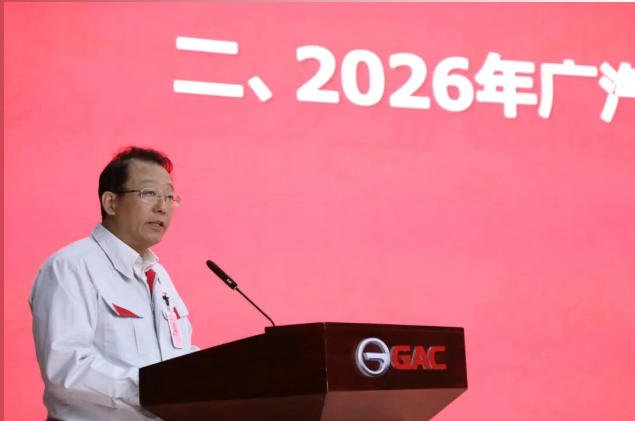
广汽集团高质量发展大会立下军令状:产销重回200万辆级!
Nan Fang Du Shi Bao· 2026-02-26 12:44
Core Viewpoint - GAC Group is focusing on high-quality development and aims to enhance its competitiveness in the automotive industry through strategic collaborations and innovation in smart electric vehicles [1][2]. Group 1: Strategic Initiatives - GAC Group is set to deepen its strategic cooperation with Huawei to develop a high-end smart electric vehicle brand called "Qijing," which will utilize an embedded collaborative model for efficient co-creation from product definition to market launch [1]. - The company aims to leverage the favorable policy environment and strong local government support to enhance its market position and drive growth [2]. Group 2: Key Goals for 2026 - GAC Group has outlined several key objectives for 2026, including stabilizing joint ventures, strengthening its own brand, and expanding its ecosystem [4]. - The company plans to focus on localizing and smartening its joint ventures, with GAC Toyota and GAC Honda both committed to enhancing their electric and intelligent vehicle offerings [4][5]. Group 3: Market Expansion and Performance Targets - GAC Group aims to achieve an annual production and sales target of 2 million vehicles, with a focus on improving operational efficiency and achieving positive growth in real estate value [5]. - The company is also targeting a significant increase in overseas sales, aiming for a scale of 200,000 units this year, and plans to launch its first Qijing model in June [5].
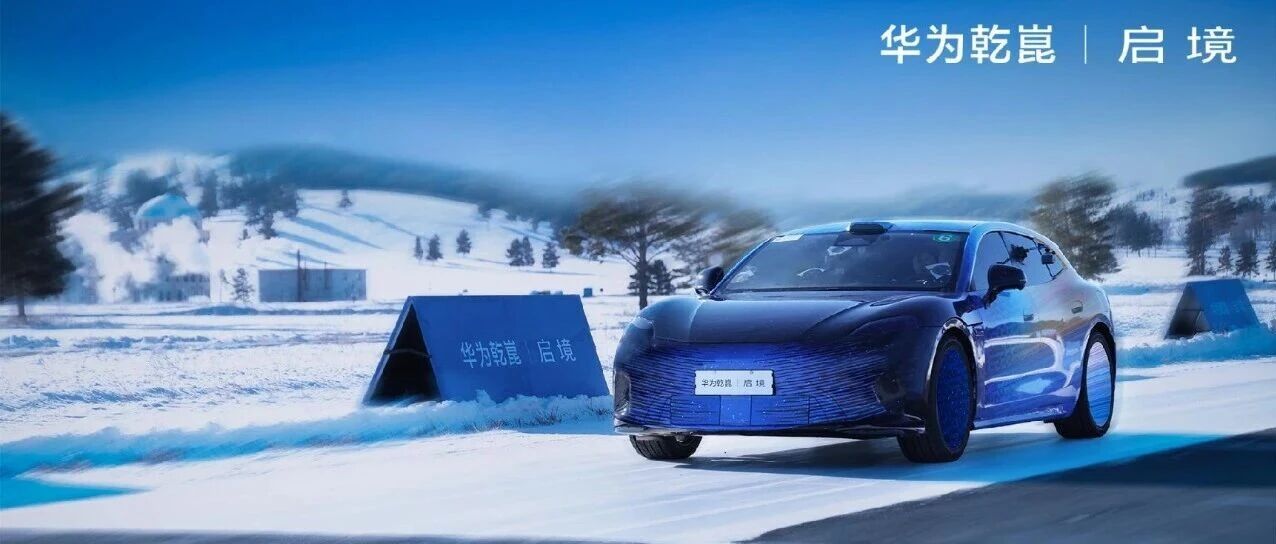
启境入局:中国汽车智能化下半场的价值回归与高端突围
经济观察报· 2026-02-15 02:11
Core Viewpoint - The emergence of Qijing Automotive represents a significant exploration in the intelligent and high-end development path of the Chinese automotive industry during a critical period of transformation [1][26]. Group 1: Strategic Shift from Electrification to Intelligentization - By the end of 2025, the penetration rate of new energy vehicles in China is expected to approach 60%, indicating that the electrification phase is nearing completion, while the intelligentization phase is just beginning [2][6]. - The automotive industry is undergoing a structural transformation, with a shift in competition from mere electrification to intelligentization, as evidenced by the increasing demand for smart, personalized vehicles [6][8]. - Over 80% of automotive companies have initiated AI pilot projects, but only 15% have achieved large-scale application, highlighting the transition from "whether to do" to "how to do it right" in intelligentization [2][8]. Group 2: Challenges in Intelligent Transformation - The transition to intelligentization presents significant challenges, including the need for comprehensive capabilities in data collection, processing, and system integration [16][17]. - Companies must prepare for the responsibilities associated with Level 3 automation, requiring robust safety and quality management systems throughout the product lifecycle [16][20]. - The collaboration model in the intelligent era necessitates deep integration of hardware, software, algorithms, and data, moving beyond traditional supply chain relationships [17][20]. Group 3: Qijing's Unique Position and Strategy - Qijing is positioned as a strategic player in the intelligentization arena, focusing on redefining what constitutes a high-quality vehicle in the smart era [14][26]. - The collaboration between Qijing and Huawei is characterized by "embedded collaboration," allowing for joint product logic definition and system performance validation [16][20]. - Qijing aims to leverage its partnerships to create a new value benchmark in the high-end market, combining technology, luxury, and reliability [26][31]. Group 4: Value Transition of Chinese Brands - Chinese automotive brands are experiencing a value transition, with Qijing positioned to capitalize on this shift by enhancing product quality, user experience, and redefining value in the high-end market [24][26]. - The traditional dominance of luxury brands is declining, with Chinese brands making significant inroads into the high-end market through advancements in electric and intelligent technologies [24][26]. - Qijing's strategy emphasizes a comprehensive user experience and a differentiated dealer network, reflecting growing confidence in Chinese high-end intelligent automotive brands [26][31].
启境入局:中国汽车智能化下半场的价值回归与高端突围
Jing Ji Guan Cha Wang· 2026-02-15 02:07
Core Insights - The electric vehicle (EV) penetration rate in China is expected to approach 60% by the end of 2025, indicating that the initial phase of electrification is nearing completion, while the next phase of intelligent transformation is just beginning [1][4] - Market data suggests a slowdown in EV wholesale growth, with a forecasted decline from 28% in 2025 to 15% in 2026, signaling a shift from growth to competition among existing players [1][4] - The launch of the high-end intelligent EV brand "Qijing," co-created by Huawei and GAC Group, represents a significant step in addressing the industry's transition from electrification to intelligentization [1][3] Industry Transition - The Chinese automotive market is undergoing a structural transformation, with a predicted slowdown in growth rates for new energy vehicles as penetration exceeds 50% [4] - Deloitte's report highlights that over 80% of automotive companies have initiated AI pilot projects, but only 15% have achieved large-scale application, indicating a shift in focus from "whether to do" to "how to do it right" [1][4] - The automotive industry is recognized as being at a critical juncture, facing pressures on the supply side while experiencing explosive growth in demand for intelligent and personalized vehicles [4][6] Intelligent Transformation - Intelligentization is identified as the core of the automotive industry's transformation, integrating various advanced technologies such as perception, data processing, connectivity, execution control, and user experience [6] - The shift from traditional vehicles to intelligent terminals is reshaping the travel ecosystem, with AI expected to play a pivotal role in this evolution [6][12] - The competitive landscape is evolving, with a focus on the ability to continuously innovate and adapt intelligent capabilities rather than merely distinguishing between fuel and electric vehicles [12][14] Challenges and Opportunities - The transition to intelligent vehicles presents significant challenges, including the need for comprehensive technical capabilities, responsibility frameworks for Level 3 automation, and upgraded collaborative models within the industry [15][16] - Qijing's collaboration with Huawei is characterized as "embedded collaboration," allowing for a more integrated approach to product development and system performance validation [16][18] - The brand's supply chain and quality management systems are designed to meet the high standards of luxury vehicles, positioning Qijing to take on the challenges of intelligent vehicle production [18][20] Market Positioning - Qijing aims to redefine the high-end market by focusing on a combination of aesthetics, driving control, and intelligence, while also establishing a differentiated dealer network strategy [23][24] - The brand's strategy reflects a broader trend of Chinese automotive brands moving into the high-end market, with significant improvements in product quality and user experience [21][23] - The emergence of Qijing is seen as a critical exploration of the intelligent and high-end development path for the Chinese automotive industry, aligning with national policies promoting digital transformation [27][29]
华望汽车拟增资不低于10亿元,还要改名?
Jing Ji Guan Cha Wang· 2026-02-04 14:36
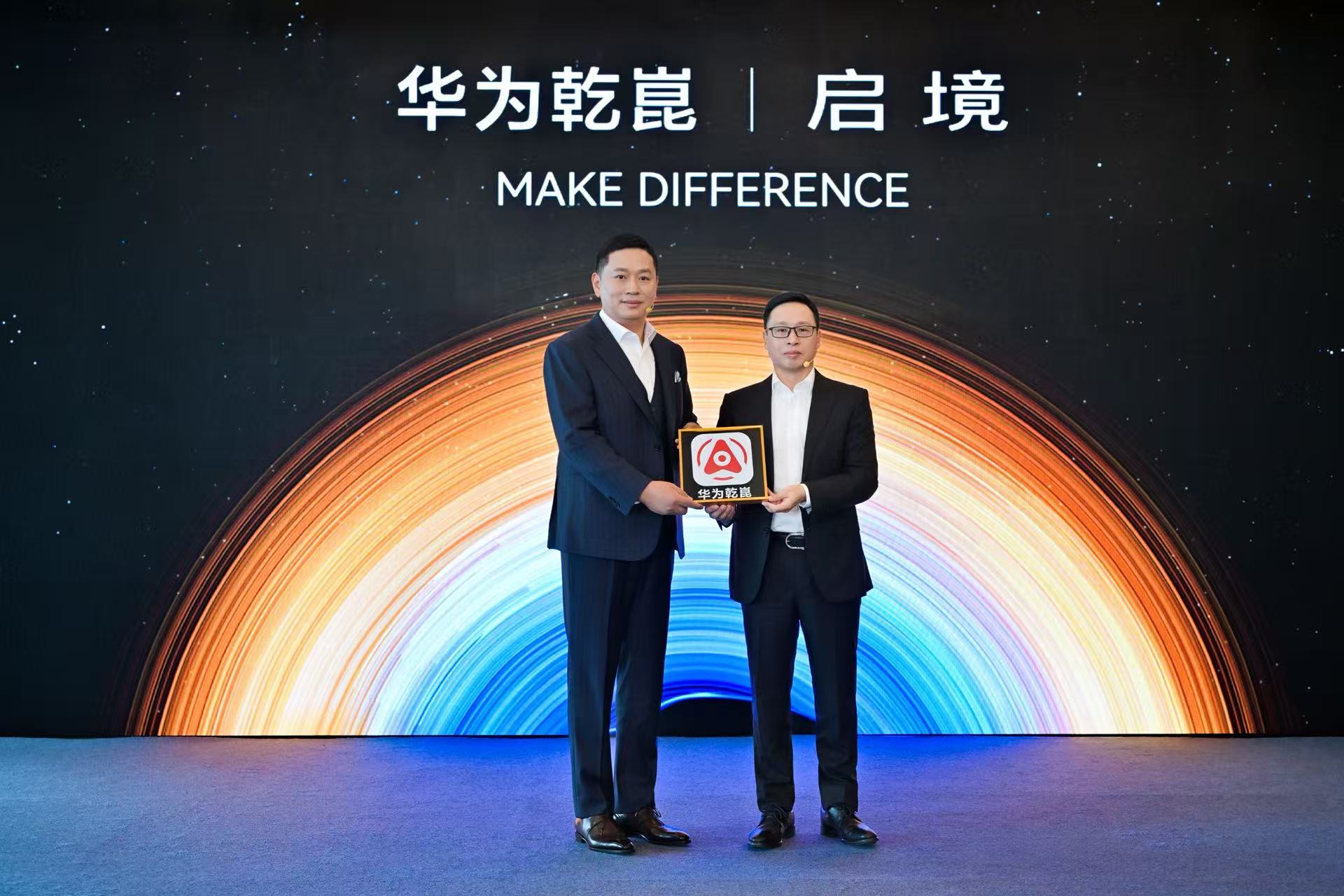
Core Viewpoint - Huawang Automotive Technology (Guangzhou) Co., Ltd. is initiating a capital increase project to raise funds for vehicle development and channel construction, with a target of at least 1 billion RMB [2][3] Group 1: Capital Increase Details - The capital increase project will be listed at the Guangdong United Property Rights Exchange Center until March 4, with the total amount and shareholding ratio depending on the fundraising situation [2] - If the raised funds do not exceed 1 billion RMB, the disclosure period may be extended for up to 10 working days, allowing for competitive negotiations based on the interest of qualified investors [2] - The minimum investment amount for a single investor is set at 30 million RMB, and only cash contributions in RMB will be accepted [3] Group 2: Shareholding Structure and Stakeholders - After the capital increase, the shareholding structure will include original shareholders (GAC Group and GAC Aion), external investors, and an employee stock ownership platform, with original shareholders retaining control [3][4] - The employee stock ownership platform will participate in the capital increase through a non-public agreement, with the same subscription price as external investors [3] Group 3: Financial Performance - As of the end of last year, Huawang Automotive reported a total profit of approximately -216 million RMB and a net profit of about -183 million RMB, with total assets of around 2.213 billion RMB and total liabilities of about 296 million RMB [4] Group 4: Strategic Intentions - The capital increase aims to align with the development pace of high-end intelligent new energy vehicles and optimize the capital structure and shareholder composition [4] - The funds raised will specifically accelerate the development of high-end models and the implementation of an innovative "1+N" agency sales network to capture the high-end smart electric market [4] Group 5: Industry Context and Partnerships - GAC Group has previously collaborated with Huawei, initially planning to jointly develop a large smart electric SUV, but later shifted to independent development, losing a competitive edge in the new energy sector [5] - In November 2023, GAC Group signed a deepened cooperation agreement with Huawei to create a new high-end intelligent electric vehicle brand, which is seen as a key strategy to boost new energy sales [5][6] - The new brand, named Qijing, is expected to launch two new models in mid-2026, indicating a strategic push into the high-end market [6][7]
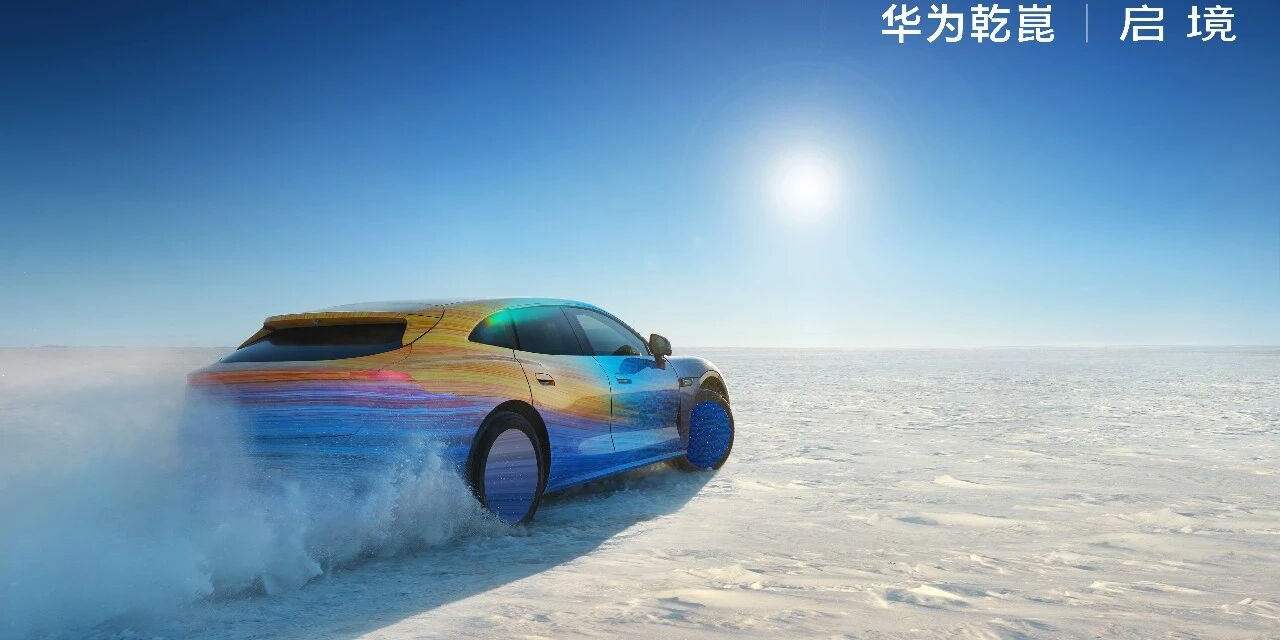
华为乾崑 | 启境汽车全国首批 55 家门店官宣,覆盖安徽、北京、广东等地
Xin Lang Cai Jing· 2026-01-20 13:41
Core Insights - Huawei and GAC have officially launched the brand "Qijing," announcing the opening of the first batch of 55 stores across various provinces in China, including Anhui, Beijing, Fujian, and Guangdong [1][13] - Qijing has established over 300 stores in more than 70 cities nationwide [1][13] Store Locations - The first batch of stores includes locations in major cities such as Beijing, Guangzhou, Shenzhen, and Wuhan, among others [3][4][5][6][15][16][17][18][19] - Specific store locations include: - Beijing: Multiple centers in Haidian, Shijingshan, and Changping [3][15] - Guangdong: Centers in Guangzhou, Shenzhen, and Foshan [3][15] - Fujian: Centers in Fuzhou and Xiamen [3][15] - Other provinces include Henan, Hubei, Jiangsu, and more, showcasing a wide geographical coverage [4][5][6][15][16][17][18][19] Product Offering - Qijing is positioned as a new brand powered by Huawei, focusing on innovative design, superior driving experience, and advanced smart technology [9][21] - The first vehicle, a shooting brake model, is currently undergoing nationwide testing and is set to launch in June, featuring Huawei's L3 conditional autonomous driving hardware architecture [9][21][23]

广汽冯兴亚:冲刺今年产销同比转正,与华为合作品牌6月上市
2 1 Shi Ji Jing Ji Bao Dao· 2026-01-19 11:09
Group 1 - The Guangzhou government aims to expand the application scenarios for intelligent connected vehicles by 2026, exploring unmanned demonstration operations and accelerating the integration of autonomous driving and domestic production of key components [1] - GAC Group's chairman, Feng Xingya, stated that the company aims to achieve positive year-on-year growth in production and sales indicators to support Guangzhou's GDP growth target of 5% by 2026 [1] - The automotive industry in Guangzhou has ranked first in national production for six times over the past decade and is currently undergoing a critical transition towards intelligent, connected, and new energy vehicles [1] Group 2 - Feng Xingya proposed several suggestions for industry collaboration and upgrades, including accelerating the testing and commercialization of L3-level autonomous vehicles in Guangzhou and addressing the uneven development of the Robotaxi sector [2] - GAC Group's vehicle sales exceeded 537,800 units in Q4 2025, representing a 25.56% increase from Q3, marking three consecutive quarters of positive growth [2] - By 2026, GAC plans to achieve mass production of L3-level autonomous driving technology and initiate large-scale demonstration applications for L4-level technology, while also advancing solid-state battery production [2]
从“蔚小理”到“零鸿米”(小经说汽车)
Ren Min Ri Bao· 2026-01-15 22:04
Group 1 - The new rankings of car manufacturers in 2025 show significant changes, with Leap Motor leading in sales, followed by Hongmeng Zhixing, and Xiaomi entering fourth place, while XPeng, Li Auto, and NIO rank third, fifth, and sixth respectively [1] - The shift in rankings reflects changes in the comprehensive competitiveness of car manufacturers and indicates a transformation in the automotive market competition landscape [2] - The rise of "Zero, Hongmeng, and Xiaomi" signifies a new trend in the integration and development of the automotive industry, supported by leading ICT companies like Huawei and Dahua, which provide technological advantages and efficient supply chain capabilities [3] Group 2 - The automotive industry is transitioning from the "first half" of electrification to the "second half" of intelligence, with competition now focusing on technological differentiation, cost efficiency, and global capabilities [2] - Huawei's role in the automotive sector is emphasized, as it provides smart solutions and collaborates with various car manufacturers to enhance their product development and marketing processes [4] - The integration of ICT technologies into the automotive industry is expected to foster continuous innovation and potentially create world-class Chinese intelligent mobility brands [4]
广汽集团接待15家机构调研,包括淡水泉、个人投资者、才誉资产、OPTIMAS CAPITAL等
Jin Rong Jie· 2026-01-09 12:48
Core Viewpoint - GAC Group's recent investor meeting highlighted its production and sales targets for the second half of 2025, new vehicle launches, competitive pricing strategies, and ongoing strategic reforms aimed at enhancing operational efficiency and market competitiveness [1][2][3]. Group 1: Production and Sales Targets - The company discussed its production and sales goals for the second half of 2025, including monthly production plans and key measures to ensure target achievement [3]. - Key drivers and strategies for meeting annual targets were evaluated, focusing on the impact of pricing competition on key models and overall profitability [3][4]. Group 2: New Vehicle Launches - Plans for new vehicle launches from the second half of 2025 to early 2026 were outlined, detailing the positioning and expected sales contributions of both new and updated models [3][4]. Group 3: Strategic Reforms and Initiatives - The meeting assessed the progress of the integrated strategic reforms and the "Panyu Action Plan," including the effectiveness of the operational guidelines of "stabilizing joint ventures, strengthening independence, and expanding ecosystems" [3][4]. - The company clarified the differentiated strategies for its independent brands (Trumpchi, Aion, and Haobo) and their collaborative development paths [4]. Group 4: Cost Reduction and Efficiency Measures - The company shared its cost reduction and efficiency enhancement measures across the entire value chain, including R&D, procurement, manufacturing, and operations [3][4]. - Insights into industry competition trends and responses in product pricing and sales policies were also discussed [4]. Group 5: New Energy Brand and Market Expansion - The strategic positioning and operational progress of the new energy brand "Qijing Automobile" were elaborated, including its first product launch plan and independent operational framework [3][4]. - The company also addressed its overseas sales targets, market expansion strategies, and international operational capabilities [2][5]. Group 6: Advanced Technology Projects - R&D progress on forward-looking technology projects such as flying cars and humanoid robots was presented, along with their potential applications and synergies with core business operations [2][5]. Group 7: Investor Relations and Market Management - The company outlined its focus on market capitalization management, investor communication enhancements, and considerations for shareholder return policies [2][5]. Group 8: Supply Chain and Financial Support - Measures to support the financial health of supply chain partners, including supply chain finance and dealer policy stability, were discussed [2][5].