CRIC物业AI

Search documents
深度研究 |“十五五”房地产业数智变革的三大引擎
3 6 Ke· 2025-05-26 02:16
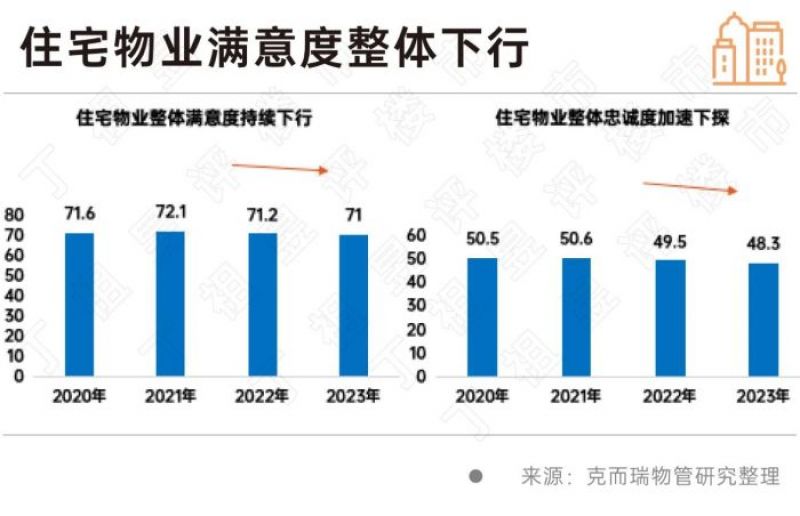
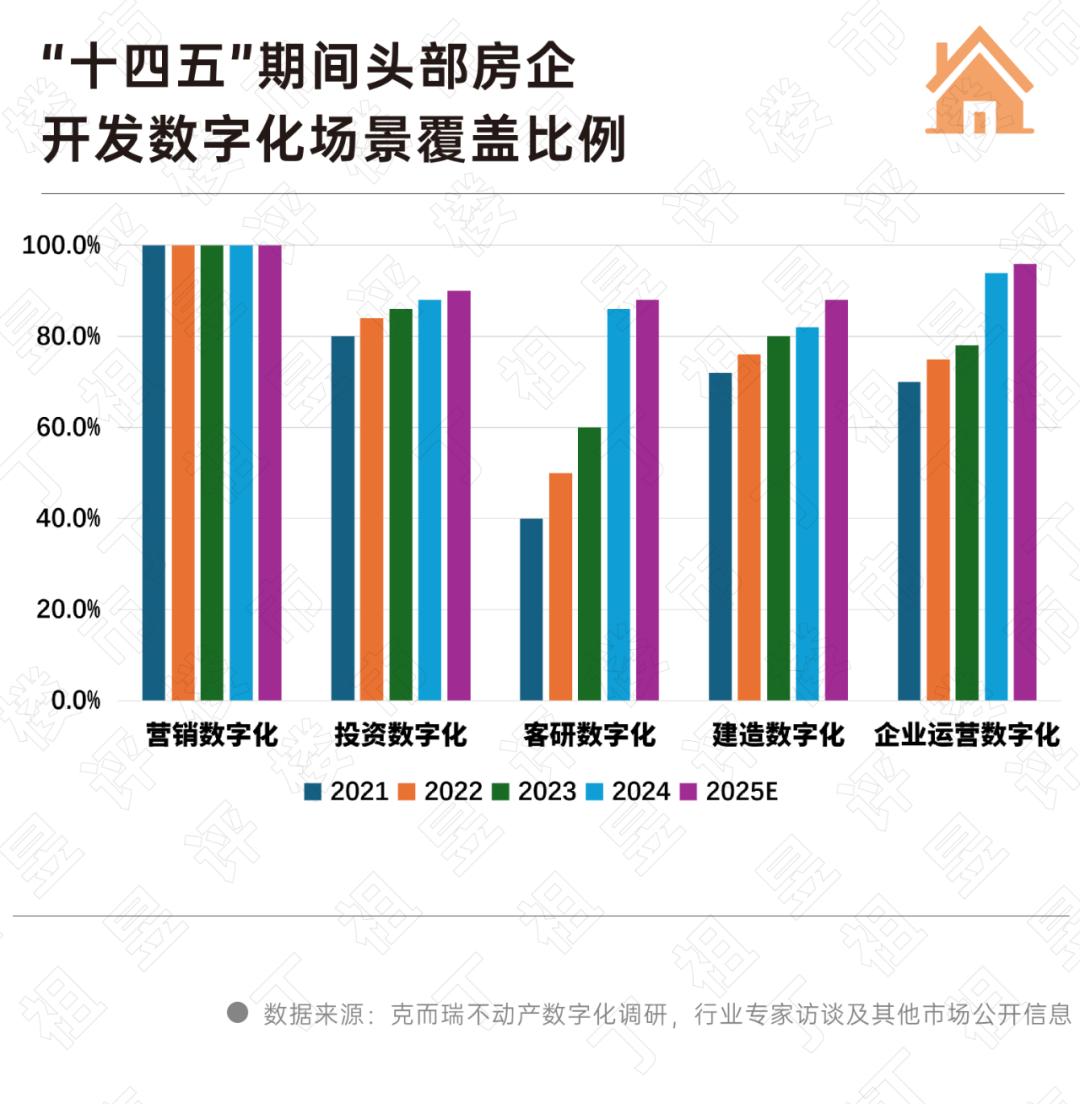
Core Insights - Digital transformation is becoming a core driver for high-quality development in China's real estate industry, especially during the upcoming "15th Five-Year Plan" period (2026-2030) [1] - The real estate sector is undergoing deep adjustments and transformations, with digitalization being crucial for enhancing competitiveness and achieving cost reduction and efficiency [1] Group 1: Digitalization Progress During the 14th Five-Year Plan - Leading real estate companies have established a comprehensive digital foundation, covering marketing, investment, customer research, construction, and enterprise operations [1] - Digital marketing has reached a 100% coverage rate, while investment digitalization is expected to rise from 80% in 2021 to 90% by 2025, and customer research digitalization is projected to increase from 40% to 88% [1] - Construction and enterprise operation digitalization are also expected to reach 88% and 96%, respectively, by 2025 [1] Group 2: Challenges and Strategic Focus - The tightening financing environment has led to a reduction in annual digital investment by leading companies, from 150 million yuan in 2021 to an estimated 60 million yuan in 2025 [4] - 88% of companies prioritize improving internal operational efficiency and reducing costs as their primary digitalization goals, while 71% emphasize the value of data assets [6] - Companies are increasingly focusing on practical benefits from digitalization, with 63% aiming to integrate multi-platform data for management and decision-making support [6] Group 3: AI and Digital Marketing Innovations - The acceptance of AI technology in the real estate sector is gradually increasing, with 72% of digital leaders in top firms expecting AI to have a substantial impact within 2 to 5 years [9] - The focus for the "15th Five-Year Plan" period will shift towards integrating customer lifecycle management with digital tools, moving from a tool-centric to a systematic approach [14] - AI-driven marketing strategies will enhance planning efficiency and customer management, allowing firms to build private customer pools and break down resource monopolies [14] Group 4: Structural Opportunities in Construction Digitalization - The "Digital Construction" initiative aims for significant breakthroughs during the "15th Five-Year Plan," with a focus on creating resilient and smart cities [24] - The integration of BIM (Building Information Modeling) and CIM (City Information Modeling) is expected to enhance project precision and operational efficiency, transforming real estate companies into urban service providers [27][28] - The deep integration of BIM and CIM will facilitate a comprehensive digital infrastructure that supports the entire lifecycle of construction and operation [28] Group 5: Long-term Strategic Planning - Companies need to adopt a systemic and long-term approach to digitalization, focusing on core capabilities rather than merely adding functionalities [29] - Digitalization should be closely aligned with business operations and industry ecosystems to maximize its impact on collaborative innovation and service enhancement [30] - By effectively leveraging digital opportunities, real estate firms can drive high-quality development and secure a competitive edge in the future [30]

大模型浪潮席卷物业,50%头部物企重金投入仍陷困局,三大转型路径成关键
Hua Xia Shi Bao· 2025-05-02 06:13
Core Insights - The property management industry is undergoing significant transformation driven by the need for digitalization and AI integration to address operational challenges and enhance service quality [3][4][8] Group 1: Industry Challenges - 50% of leading property companies have implemented AI large models, but face issues such as data fragmentation, insufficient industry knowledge structuring, data silos, real-time bottlenecks, and balancing security with efficiency [3][8] - The industry is experiencing a dual pressure of rising labor costs and declining revenue, leading to a negative spiral in service quality and overall revenue [4] - The average annual digital investment by leading property companies has reached tens of millions, yet the industry still struggles with imbalances in investment and output, service capability gaps, and dormant data assets [3][4] Group 2: AI Integration and Opportunities - The CEO of CRIC Group highlighted three transformation paths for the property service industry driven by AI: enhanced intelligent service response, predictive maintenance loops, and upgraded operational management centers [3] - A survey indicated that 92.86% of leading property companies are highly focused on the implementation of AI large models in 2024, with 42.86% already applying them in specific business scenarios [4] - CRIC has launched an AI assistant specifically for property companies, which provides standardized intelligent services and customizable AI solutions, aiming to bridge the gap between AI platforms and practical applications [9] Group 3: Innovations and Future Directions - Vanke Property has successfully implemented a "human + machine + remote operation" service model across over 3,000 communities, showcasing a leading example of smart community governance [7] - The concept of "good houses" has been emphasized in government reports, highlighting the importance of smart, safe, and green living environments, with AI technology being a key driver for this initiative [8] - CRIC aims to leverage its data asset transformation capabilities, scene penetration abilities, and ecological evolution to establish a competitive advantage in the property AI collaboration space [9]