
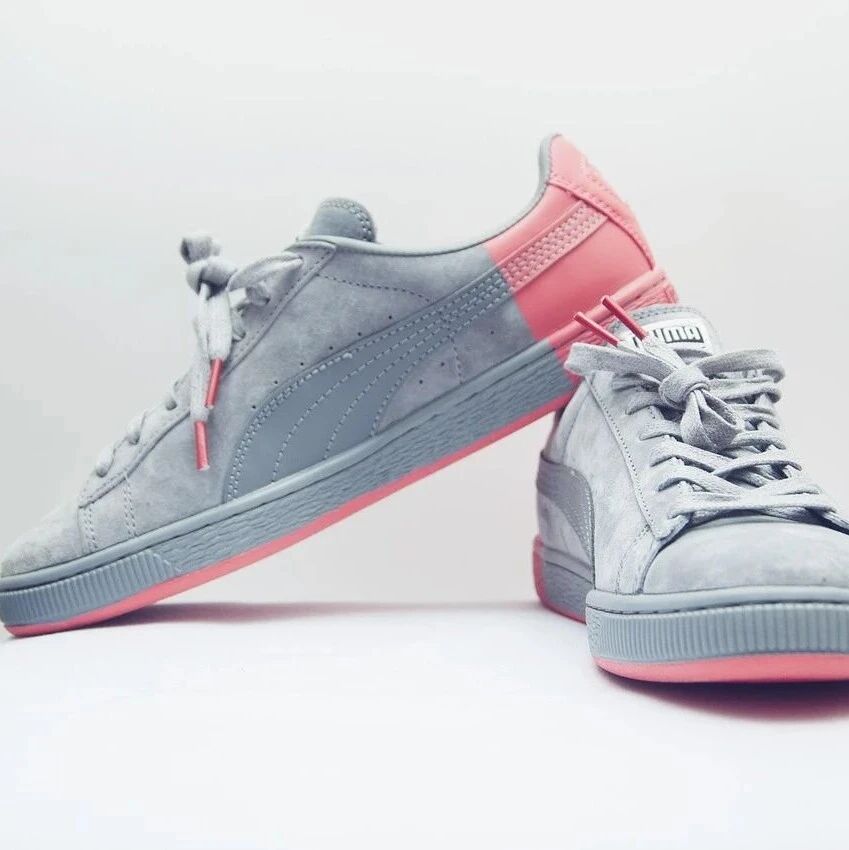
Creeper运动鞋

Search documents
加入安踏宇宙,彪马的日子有盼头了
远川研究所· 2026-01-28 10:51
Core Viewpoint - Anta has acquired a 29.06% stake in Puma for approximately 12.28 billion RMB, becoming the largest shareholder, indicating a strategic move to enhance its brand portfolio and capitalize on Puma's long-term value potential despite its recent underperformance [1][4]. Group 1: Acquisition Details - The acquisition price of 35 euros per share represents a 62% premium, reflecting Anta's confidence in Puma's future despite its recent stock price decline [1]. - Puma's stock has dropped nearly 50% over the past year, leading to speculation about its sale, which ultimately resulted in Anta's acquisition [4]. - Anta's previous successful acquisitions, such as FILA and Jack Wolfskin, demonstrate its capability to revitalize struggling brands [4][12]. Group 2: Puma's Current Situation - Before the acquisition, Puma's profit levels were less than one-fourth of Anta's and half of Nike's, with revenue growth slowing from 30% to under 5% over four years [8]. - Puma has faced significant challenges, including a 17% increase in inventory pressure, resulting in a total loss of approximately 2.5 billion RMB over three quarters [8][10]. - The new CEO, Arthur Hoeld, identified key issues such as lack of brand heat, overly complex product lines, and excessive reliance on wholesale channels, which have contributed to Puma's declining profitability [10]. Group 3: Anta's Strategic Expansion - Anta's diversification strategy has evolved through two phases, starting with the acquisition of FILA in 2009, which has since become a significant revenue contributor [12][25]. - The company has focused on acquiring brands with high recognition but poor operational performance, allowing for potential growth through direct-to-consumer (DTC) strategies and brand repositioning [21][25]. - Anta's acquisitions typically involve transitioning from agency to direct management, allowing for better control over brand performance and inventory [21][22]. Group 4: Market Position and Future Prospects - Anta's main brands, Anta and FILA, are nearing sales ceilings, prompting the need for new growth drivers, which the acquisition of Puma could provide [29]. - The global sports market's growth has been driven by functional apparel and specialized footwear, areas where Anta has been less competitive, making Puma's shoe business an attractive addition [29][30]. - The acquisition is expected to lead to a revitalization of Puma's brand through store renovations and a shift towards higher-end products, aligning with Anta's overall growth strategy [34].


一代鞋王,彪马要卖了
36氪· 2025-09-01 10:46
Core Viewpoint - Puma, a well-known sports brand, is reportedly considering a sale due to significant market value decline and ongoing operational challenges, with the Pinault family exploring potential buyers [6][19][22]. Group 1: Company Background - Puma originated from a family business in Germany, founded by the Dassler brothers, leading to the creation of both Puma and Adidas [10]. - The brand gained global recognition through collaborations with celebrities like Rihanna, particularly with the successful Creeper sneaker line, achieving peak revenue of €8.465 billion (approximately ¥72 billion) in 2022 [12][6]. Group 2: Recent Developments - Despite past successes, Puma has faced challenges, including leadership changes and declining sales, with a reported 2.0% decrease in sales to €1.942 billion in Q1 2025 [19][20]. - The Pinault family, a major shareholder, is now evaluating strategic options, including a potential sale, amidst a backdrop of high-profile brand sell-offs in the consumer sector [21][22]. Group 3: Market Context - The consumer goods sector is witnessing a trend where 60% of executives anticipate asset sales in the next three years due to economic pressures [24]. - Recent acquisitions in the industry, such as the $9.4 billion purchase of Skechers, highlight the ongoing consolidation and investment opportunities in distressed brands [24][25].
一代“鞋王”彪马要被卖了
Hu Xiu· 2025-08-31 07:33
Core Viewpoint - Puma, the renowned sports brand, is reportedly up for sale as its market value has significantly declined over the past year, prompting the Pinault family to explore potential buyers [2][10]. Group 1: History and Rise of Puma - Puma originated from a German family, the Dassler brothers, who initially produced specialized athletic shoes, leading to the eventual creation of Puma and Adidas after a split [4][5]. - In the 1970s and 1980s, Puma gained popularity in hip-hop culture and maintained a strong presence in the sports industry through collaborations with top athletes [6]. - The brand saw a resurgence in the 2010s, particularly with the launch of the Creeper sneaker designed in collaboration with Rihanna, which became a global hit [8]. Group 2: Recent Challenges and Strategic Decisions - Despite achieving record revenues of €8.465 billion (approximately ¥72 billion) in 2022, Puma has faced challenges, including leadership changes and declining sales [8][15]. - The Pinault family, Puma's major shareholder, is now considering selling the brand, having previously attempted to divest in 2014 and 2018 without success [11][13][14]. - Recent financial reports indicate a 2.0% decline in sales to €1.942 billion, with a net loss of €247 million for the first quarter [15]. Group 3: Market Context and Opportunities - The current economic climate has led many consumer brands, including Puma, to consider selling, with 60% of consumer goods executives anticipating asset sales in the next three years [20]. - The decline in Puma's stock price, which has dropped over 80% from its peak in 2021, presents a potential buying opportunity for interested parties [17]. - The trend of companies selling non-core assets is expected to increase, providing a favorable environment for acquisitions in the consumer sector [19][20].