多元化扩张

Search documents
预亏超 215 亿!从 “买买买” 到 “断舍离”,复星国际怎么了?
Xin Lang Cai Jing· 2026-03-18 10:27
Core Insights - FOSUN International is experiencing its most severe performance crisis since its establishment, with an expected loss exceeding 21.5 billion yuan in 2024, marking the largest loss in the company's history [3][15] - The shift from aggressive expansion to passive asset divestment reflects the deep-seated conflict between capital expansion and industrial cultivation, as well as global layout and risk management [1][24] Financial Performance - The anticipated loss of over 21.5 billion yuan in 2024 is attributed to three main factors: asset impairment provisions in real estate and consumer sectors, rising financing costs due to global interest rate hikes, and underperformance of certain industries due to macroeconomic conditions [3][15] - FOSUN's net profit was 10.11 billion yuan in 2022, but it turned to a loss of 11.61 billion yuan in 2023, indicating a continuous decline in financial health [3][15] Expansion Strategy - FOSUN's rise was fueled by over a decade of aggressive mergers and acquisitions, establishing a dual-driven model of "industry + investment" and covering over 30 countries with more than 100 controlled and affiliated enterprises [4][16] - The company acquired assets across various sectors, including healthcare, tourism, finance, and high-end manufacturing, with total acquisition transactions exceeding 100 billion yuan from 2015 to 2021 [4][16] Shift in Strategy - Since 2022, FOSUN has reversed its development logic from aggressive expansion to comprehensive contraction, initiating a "sell-off" strategy to alleviate liquidity pressure by divesting non-core assets [7][19] - The company has sold stakes in various listed companies and core assets, aiming to reduce debt and maintain cash flow [7][19] Challenges Faced - FOSUN's high leverage during its expansion phase has created significant debt risks, with a debt-to-asset ratio exceeding 70% at its peak, leading to increased financing costs and asset impairments [8][20] - The diversified layout has resulted in a lack of core business support, with many assets underperforming and unable to generate profits, particularly in cyclical industries like real estate and consumer goods [8][20] Future Outlook - FOSUN is focusing on core industries, optimizing asset structure, and reducing debt leverage as part of its strategy to recover from losses [10][22] - The company aims to strengthen its competitive edge in healthcare and high-end manufacturing while reducing reliance on capital expansion [10][22] Industry Reflection - FOSUN's situation serves as a warning for other diversified and globalized companies, highlighting the risks of blind diversification and high-leverage expansion in a complex macroeconomic environment [11][23] - The emphasis on core industry capabilities and financial stability is crucial for sustainable growth, as evidenced by FOSUN's challenges [11][23]


加入安踏宇宙,彪马的日子有盼头了
远川研究所· 2026-01-28 10:51
Core Viewpoint - Anta has acquired a 29.06% stake in Puma for approximately 12.28 billion RMB, becoming the largest shareholder, indicating a strategic move to enhance its brand portfolio and capitalize on Puma's long-term value potential despite its recent underperformance [1][4]. Group 1: Acquisition Details - The acquisition price of 35 euros per share represents a 62% premium, reflecting Anta's confidence in Puma's future despite its recent stock price decline [1]. - Puma's stock has dropped nearly 50% over the past year, leading to speculation about its sale, which ultimately resulted in Anta's acquisition [4]. - Anta's previous successful acquisitions, such as FILA and Jack Wolfskin, demonstrate its capability to revitalize struggling brands [4][12]. Group 2: Puma's Current Situation - Before the acquisition, Puma's profit levels were less than one-fourth of Anta's and half of Nike's, with revenue growth slowing from 30% to under 5% over four years [8]. - Puma has faced significant challenges, including a 17% increase in inventory pressure, resulting in a total loss of approximately 2.5 billion RMB over three quarters [8][10]. - The new CEO, Arthur Hoeld, identified key issues such as lack of brand heat, overly complex product lines, and excessive reliance on wholesale channels, which have contributed to Puma's declining profitability [10]. Group 3: Anta's Strategic Expansion - Anta's diversification strategy has evolved through two phases, starting with the acquisition of FILA in 2009, which has since become a significant revenue contributor [12][25]. - The company has focused on acquiring brands with high recognition but poor operational performance, allowing for potential growth through direct-to-consumer (DTC) strategies and brand repositioning [21][25]. - Anta's acquisitions typically involve transitioning from agency to direct management, allowing for better control over brand performance and inventory [21][22]. Group 4: Market Position and Future Prospects - Anta's main brands, Anta and FILA, are nearing sales ceilings, prompting the need for new growth drivers, which the acquisition of Puma could provide [29]. - The global sports market's growth has been driven by functional apparel and specialized footwear, areas where Anta has been less competitive, making Puma's shoe business an attractive addition [29][30]. - The acquisition is expected to lead to a revitalization of Puma's brand through store renovations and a shift towards higher-end products, aligning with Anta's overall growth strategy [34].
这一次,宝能姚振华,真急了
创业家· 2026-01-16 10:16
Core Viewpoint - The auction of Qoros Automotive's core assets has become a critical issue for Yao Zhenhua, highlighting the financial struggles of Baoneng Group and the potential loss of significant investments [4][30]. Group 1: Qoros Automotive Auction and Financial Implications - The second auction of Qoros Automotive's assets is set to start with a starting price of 860 million yuan, significantly lower than the estimated value of 8 billion yuan [6][10]. - Baoneng Group has invested approximately 26 billion yuan in Qoros Automotive from 2018 to 2025, despite facing liquidity issues [8]. - Yao Zhenhua's allegations include collusion among local authorities to manipulate the asset valuation, which could lead to a drastic reduction in the value of Baoneng's investments [9][11]. Group 2: Baoneng Group's Debt Crisis - Baoneng Group is currently facing over 105.8 billion yuan in executed amounts across its core platforms, indicating severe financial distress [19]. - The company's aggressive diversification strategy, including significant investments in Qoros Automotive and other sectors, has contributed to its current debt crisis [29]. - A recent court ruling requires Baoneng to repay 7.3 billion yuan in loans, further exacerbating its financial challenges [28]. Group 3: Yao Zhenhua's Response and Future Outlook - Yao Zhenhua's public denunciation of the asset auction reflects desperation to protect Baoneng's interests amid mounting debt pressures [31]. - The outcome of the Qoros asset auction is crucial for Baoneng's ability to recover from its financial difficulties and maintain relationships with over 1,500 suppliers owed 13.9 billion yuan [30].
这一次,宝能姚振华,真急了
商业洞察· 2026-01-15 09:23
Group 1 - The article discusses a significant controversy involving Baoneng Group and its chairman, Yao Zhenhua, who publicly accused officials from Changshu City of colluding to manipulate the auction of assets related to Qoros Auto, potentially jeopardizing Baoneng's substantial investments [4][5]. - Baoneng has invested approximately 260 billion yuan in Qoros Auto from 2018 to the end of 2025, despite facing liquidity issues, including a net investment of 25 billion yuan in 2022 to maintain operations [8][29]. - The core dispute centers around the valuation of Qoros Auto's assets, with a third-party assessment valuing them at around 8 billion yuan, while the court's valuation was only 1.5 billion yuan, leading to concerns about the potential undervaluation of Baoneng's investments [11][12]. Group 2 - Baoneng Group is currently facing a debt crisis, with total executed amounts exceeding 1,058 billion yuan across its core platforms, highlighting the financial strain on the company [24]. - The article outlines Yao Zhenhua's past successes in the capital market, including significant investments in Vanke and Gree Electric, contrasting sharply with the current financial difficulties faced by Baoneng [20][23]. - The ongoing auction of Qoros Auto's assets is seen as a critical moment for Baoneng, as losing these assets could further diminish the company's chances of restructuring and recovering from its debt situation [31][32].
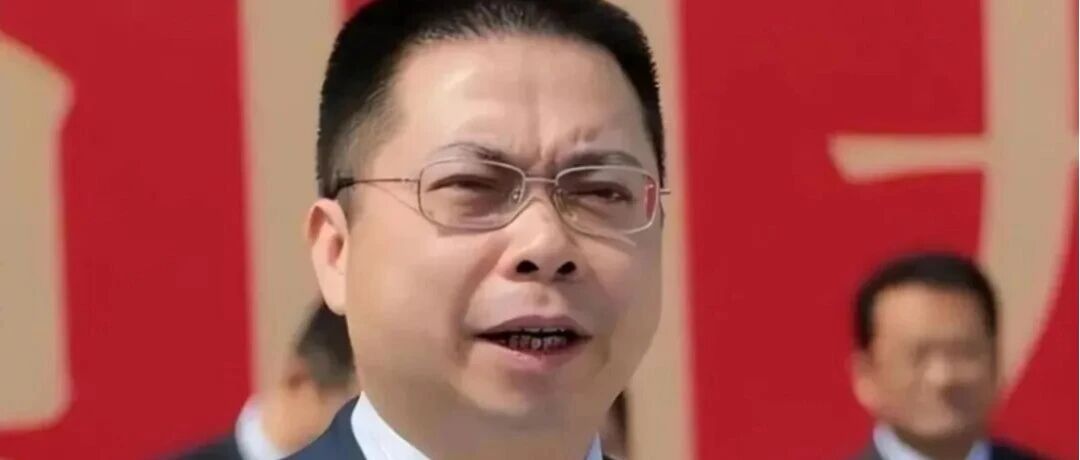
这一次,宝能姚振华,真急了
Feng Huang Wang Cai Jing· 2026-01-14 11:08
Core Viewpoint - The recent public accusation by Yao Zhenhua, chairman of Baoneng Group, against officials from Changshu City and the Changshu Economic and Technological Development Zone has unveiled a significant dispute involving the potential undervaluation and forced sale of assets related to Qoros Auto, which could jeopardize Baoneng's substantial investments in the company [1][2][3]. Group 1: Allegations and Financial Implications - Yao Zhenhua claims that the involved parties colluded to manipulate a 2.7 billion yuan execution case concerning Qoros Auto, where Baoneng has invested over 200 billion yuan [2][4]. - The core assets of Qoros Auto are estimated to be worth approximately 80 billion yuan, but the court's valuation is only 15 billion yuan, with an auction starting at 8.6 billion yuan [2][8]. - If the auction proceeds, Baoneng's significant investment in Qoros Auto could be drastically reduced, leading to a potential loss of value [3][4]. Group 2: Legal and Procedural Concerns - The dispute centers on the legality of the asset liquidation process, with Yao alleging that the establishment of a liquidation committee and excessive asset seizures were unlawful [5][9]. - The case originated from a financial loan dispute between Suzhou Asset Management Co. and Qoros Auto, which has led to the court's decision to auction Qoros Auto's assets to settle debts [6][7]. - Yao argues that the auction should be paused due to the initiation of bankruptcy reorganization proceedings for Qoros Auto, which were formally accepted by the Suzhou Intermediate People's Court [10][11]. Group 3: Baoneng's Financial Struggles - Baoneng Group is currently facing a debt crisis, with total liabilities exceeding 1 trillion yuan, and the ongoing auction of Qoros Auto's assets reflects the broader financial challenges the company is experiencing [15][20]. - The company's aggressive expansion strategy, including significant investments in various sectors, has led to a liquidity crisis, exacerbated by regulatory restrictions on its financing capabilities [24][25]. - The potential loss of Qoros Auto's assets could further diminish Baoneng's chances of restructuring and recovering from its financial difficulties [25].
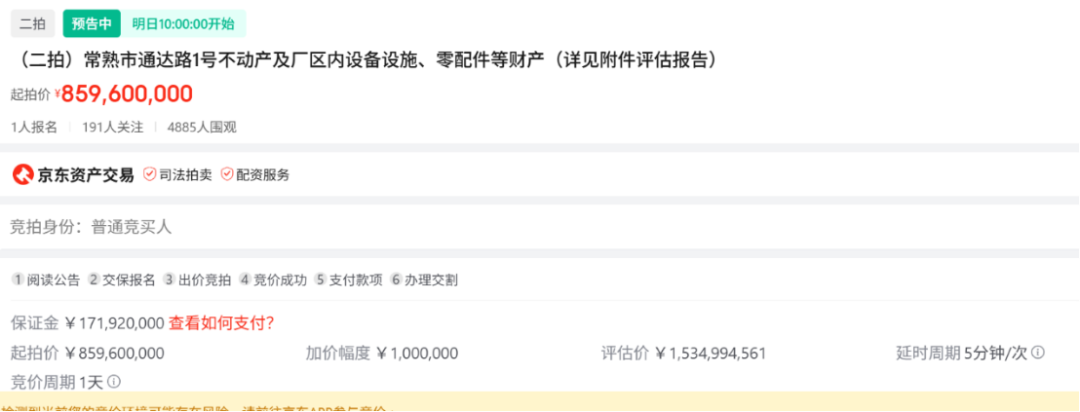
这一次,宝能姚振华,真急了
凤凰网财经· 2026-01-14 09:31
Core Viewpoint - The article discusses the serious allegations made by Yao Zhenhua, chairman of Baoneng Group, against officials in Changshu regarding the undervaluation and potential forced sale of assets related to Qoros Auto, which could result in significant financial losses for Baoneng [1][2][3]. Group 1: Allegations and Financial Implications - Yao Zhenhua claims that the Changshu officials colluded to manipulate a 2.7 billion yuan execution case involving Qoros Auto, where Baoneng has invested over 200 billion yuan [2][5]. - The core assets of Qoros Auto were assessed at approximately 80 billion yuan by third-party institutions, but the court's valuation was only 15 billion yuan, with an auction starting at 8.6 billion yuan [2][11][15]. - If the auction proceeds, Baoneng's substantial investment in Qoros Auto could be drastically reduced, leading to a potential "half-cut" realization of their investment [3][36]. Group 2: Baoneng's Financial Struggles - From 2018 to the end of 2025, Baoneng's total investment in Qoros Auto is reported to be around 260 billion yuan, which includes equity acquisition, technology development, and operational support [4][36]. - Despite facing liquidity issues in late 2022, Baoneng continued to invest 25 billion yuan into Qoros Auto to maintain operations and clear 2.6 billion yuan in financial debts [4][36]. - The ongoing auction and asset liquidation reflect Baoneng's broader financial distress, with total executed amounts across its core platforms exceeding 1,058 billion yuan [26][30]. Group 3: Legal and Procedural Concerns - Yao Zhenhua argues that the auction should be paused due to the initiation of bankruptcy reorganization proceedings for Qoros Auto, which was formally accepted by the Suzhou Intermediate People's Court [12][13][14]. - The legal framework suggests that once a bankruptcy application is accepted, execution measures should be lifted, yet the auction is still proceeding, raising concerns about the legality of the actions taken by the involved parties [17][30]. - The case highlights the potential risks of undervaluing assets and the implications for Baoneng's ability to recover from its debt crisis, as losing Qoros Auto would severely impact its restructuring efforts [37][38].
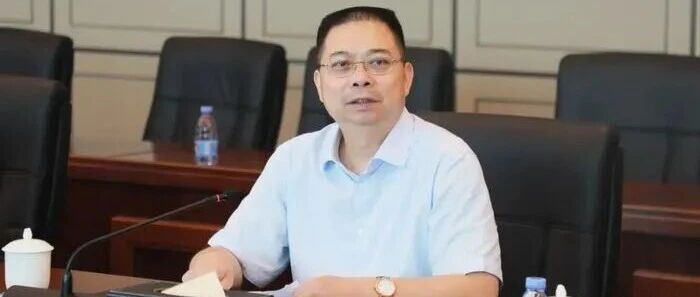
大动作!翌耀科技启动上市辅导 复星系再拓资本版图
Bei Jing Shang Bao· 2026-01-08 15:03
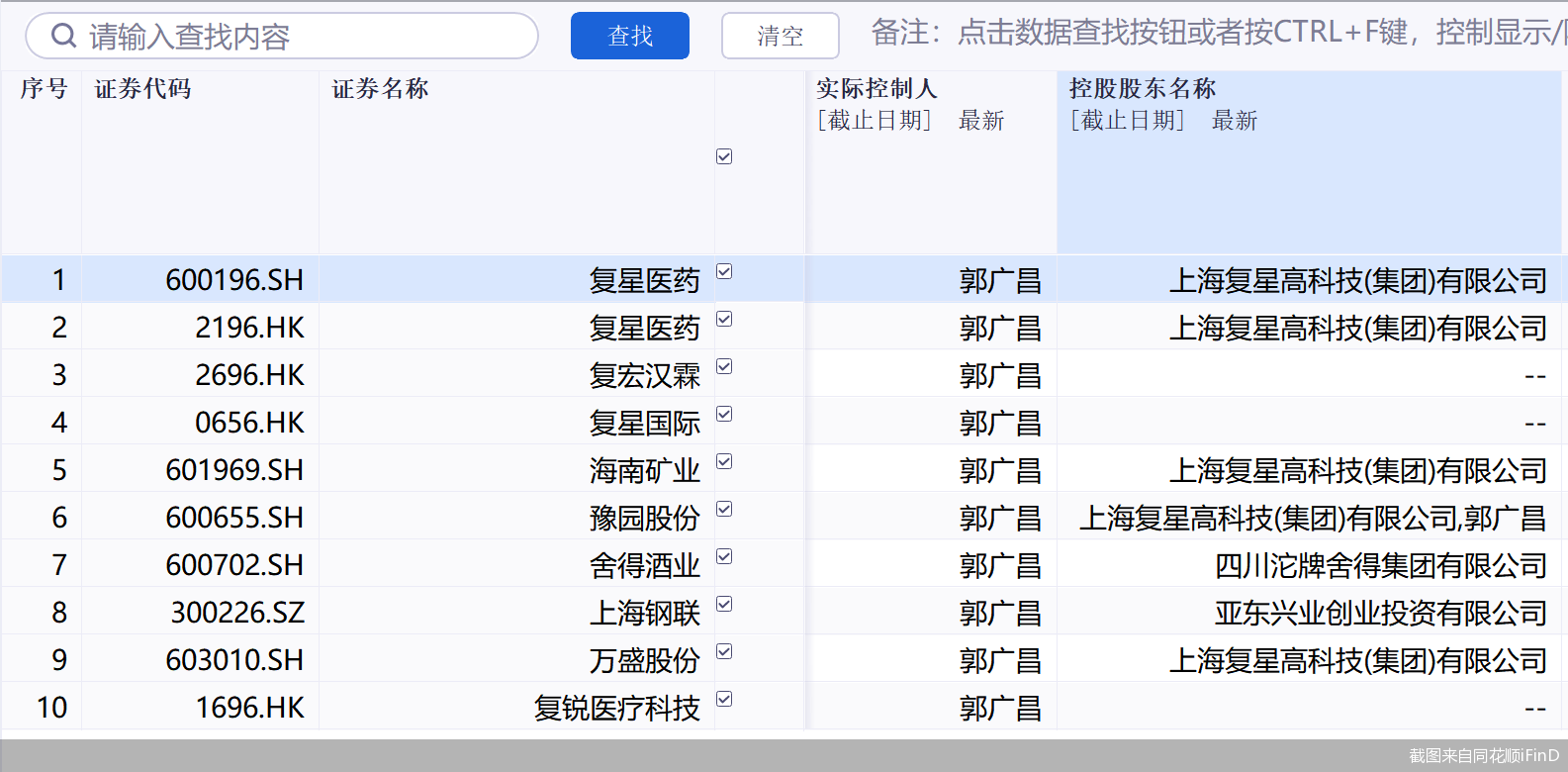
Group 1 - Fosun International's subsidiary, Shanghai Yiyao Technology Co., Ltd., has initiated the IPO process, aiming to expand its capital footprint in the A-share market [1][3] - Under the leadership of Guo Guangchang, Fosun has evolved into an innovation-driven global family consumption industry group, focusing on a happiness ecosystem centered around health, happiness, and wealth [1][4] - Currently, Fosun controls six A-share listed companies and four Hong Kong listed companies, with four of the A-share companies having a market capitalization exceeding 100 billion [1][6] Group 2 - The performance of Fosun's listed companies shows significant divergence, with six companies reporting a decline in net profit, reflecting operational pressures in certain sectors [1][8] - In the first three quarters of 2025, six A-share companies reported revenues exceeding 2 billion, with Shanghai Steel Union leading at approximately 57.32 billion [8] - Among the A-share companies, only Fosun Pharma and Shanghai Steel Union reported year-on-year growth in net profit, while others, including Yuyuan and Hainan Mining, experienced declines [8][9] Group 3 - Yiyao Technology, established in July 2018, focuses on providing high-tech solutions across various intelligent manufacturing sectors, including automotive and food automation [3][4] - Fosun's total assets exceeded 796.5 billion as of December 31, 2024, with a significant portion of revenue coming from international operations [4][6] - The group is shifting its strategy from diversification to deepening its core sectors, particularly in health and intelligent manufacturing, to optimize capital structure and enhance cash flow [7]
张康阳的机会就在直播间?
首席商业评论· 2025-11-29 05:08
Core Viewpoint - The article discusses the ongoing crisis of Suning, highlighting the company's bankruptcy restructuring and the potential shift towards live streaming as a means of recovery for its founder, Zhang Jindong, and his family [4][8][10]. Group 1: Suning's Current Situation - Suning's bankruptcy restructuring crisis is escalating, with the voting period for the restructuring plan postponed to December 14 [4]. - The restructuring plan requires Zhang Jindong and his wife to inject all personal assets into a trust within three months to suspend creditor claims against their personal guarantees [4]. - Suning's debt crisis began with uncontrolled diversification, leading to over 78 billion yuan spent on cross-industry acquisitions since 2012, culminating in a debt of over 238.7 billion yuan against an asset valuation of only 63.69 billion yuan [8][10]. Group 2: Live Streaming as a Solution - Live streaming has emerged as a potential solution for debt-laden entrepreneurs, with examples of successful transitions in the industry, such as Luo Yonghao and Chen Nian [4][10]. - Zhang Jindong missed the initial wave of live streaming but is encouraged to start now, as it is better late than never [6][10]. - Douyin (TikTok) is positioning itself as a competitor in the home appliance market, providing an opportunity for Suning to leverage its established supply chain and logistics to complement Douyin's content and traffic advantages [10][11]. Group 3: Zhang Kangyang's Role - Zhang Kangyang, as the heir to Suning, has the potential to capitalize on his existing popularity and transform it into a business opportunity through live streaming [12][14]. - The article draws parallels between Zhang Kangyang and other second-generation entrepreneurs who have successfully utilized live streaming to revitalize their family businesses [17][21]. - The success of other second-generation figures in live streaming demonstrates that Zhang Kangyang's entry into this space could be a critical step for Suning's recovery [20][21].


蜜雪冰城试水早餐市场,5元“早餐奶”已在部分城市上线
Huan Qiu Wang· 2025-11-28 04:23
Group 1 - The core point of the article is that the tea beverage chain brand Mixue Ice City is quietly entering the breakfast market, which has sparked widespread discussion in the industry [1][3] - Mixue Ice City has conducted a consumer survey regarding breakfast preferences through its corporate WeChat group, indicating a strategic move into the breakfast segment [1] - The breakfast initiative has already moved from survey to practice, with new breakfast options available in some cities through the official app, including products priced at 5 yuan [1] Group 2 - Prior to entering the breakfast market, Mixue Group has been actively diversifying, including a recent acquisition of 53% of "Fresh Beer Fu Lu Jia" for 297 million yuan, expanding into the fresh beer sector [3] - The company's diversification efforts are supported by strong financial performance, with a reported revenue of 14.87 billion yuan for the first half of 2025, a year-on-year increase of 39.3%, and a net profit of 2.72 billion yuan, up 44.1% [3] - As of June 30, 2025, Mixue Group has expanded its global store count to 53,014, with an increase of 9,796 stores compared to the same period last year, covering all provincial-level administrative regions in China and 12 overseas countries and regions [3]
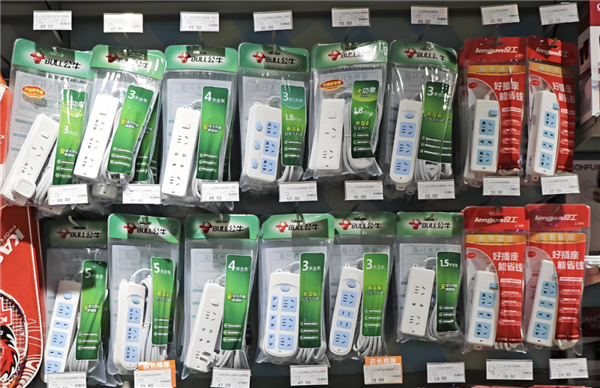
高管套现16亿 业绩5年首降!公牛“插座一哥”地位危矣
Xin Lang Ke Ji· 2025-10-20 02:25
Core Viewpoint - Bull Electric, known for its power strips, is facing significant challenges in both its traditional and new energy businesses, leading to its first half-year performance decline in five years, with a 2.60% drop in revenue and an 8% drop in net profit [12][14][16]. Business Performance - Bull Electric's revenue for the first half of the year was 8.168 billion yuan, a decrease of 2.60% year-on-year, while the net profit attributable to shareholders was 2.060 billion yuan, down 8% year-on-year [12][14]. - The company's core businesses, including electrical connections and smart electrical lighting, reported declines in revenue, with electrical connections down 5.37% to 3.662 billion yuan and smart electrical lighting down 2.78% to 4.094 billion yuan [11][12]. New Energy Sector - Despite a 33.52% year-on-year increase in revenue from the new energy sector, which amounted to 386 million yuan, this growth is insufficient to offset declines in core business areas [12][14]. - Users have reported quality issues with Bull Electric's new energy products, including charging anomalies and poor after-sales service, leading to dissatisfaction and complaints [3][5][8]. Management Actions - Following the disappointing performance, Vice Chairman Ruan Xueping announced a plan to reduce his holdings by up to 3617.18 million shares, valued at over 1.6 billion yuan, raising concerns about management's confidence in the company's future [14][16]. - The announcement of significant share reductions by a key executive has led to skepticism among investors regarding the company's outlook [16]. Competitive Landscape - Bull Electric's traditional power strip business has been adversely affected by competition from Xiaomi, which introduced a more appealing and lower-priced product, prompting Bull Electric to diversify into new areas [9][10][11].