Crucial品牌产品

Search documents
内存短缺,服务器价格上涨
半导体行业观察· 2025-12-07 02:33
Core Insights - The article discusses the significant impact of memory shortages on server and PC prices, with manufacturers facing rising component costs due to a shift in production focus towards AI servers [3][4]. Group 1: Price Increases - DRAM prices are projected to rise by 8% to 13%, with some forecasts suggesting even higher increases [3]. - Major OEMs, including Dell, Lenovo, HP, and HPE, plan to raise server prices by approximately 15%, while PC prices are expected to increase by about 5% [4][5]. - Samsung has reportedly raised memory prices by up to 60% as wafer production capacity shifts towards AI workloads [4]. Group 2: Industry Response - Manufacturers are reevaluating their product lines, with some brands halting consumer-oriented memory production to meet enterprise demands [4]. - The COO of Dell described the current memory shortage as "unprecedented," indicating that supply is struggling to keep pace with growing demand [4]. - Lenovo's COO highlighted the immense cost pressure from memory and solid-state drives, complicating mitigation efforts [5]. Group 3: Market Dynamics - The shift towards AI-centric production is affecting the supply and cost of general hardware components [4][6]. - IDC analysts noted that the current market volatility is unusually high compared to past fluctuations, driven by increasing demand for servers, CPUs, and GPUs [5].




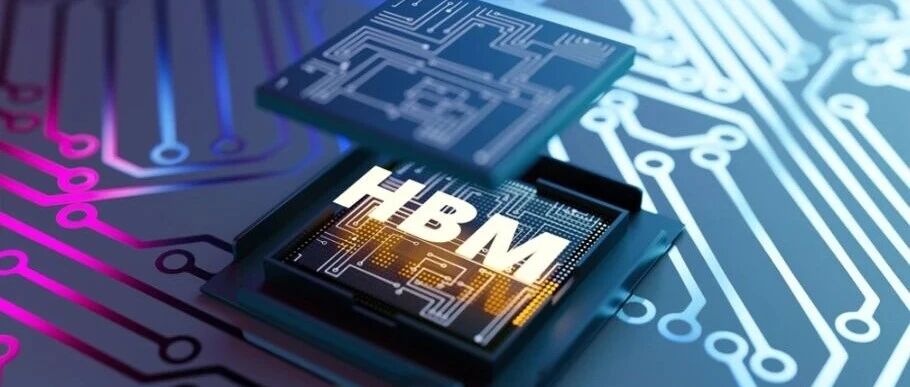
HBM,新变局!搅动存储江湖
半导体行业观察· 2025-12-06 03:06
Core Viewpoint - The storage industry is undergoing a significant strategic transformation driven by the AI era, with a shift from mass production to precise customization, and from price competition to technological barriers. Companies like Micron, SK Hynix, and Samsung are adapting their strategies to align with these changes, leading to a redefined competitive landscape in the memory market [22]. Group 1: Micron's Strategic Shift - Micron announced the closure of its Crucial consumer brand by February 2026, citing the need to focus on higher-margin data center products due to surging demand driven by AI [2][3]. - The company plans to invest 1.5 trillion yen (approximately $9.6 billion) in a new HBM chip production facility in Hiroshima, Japan, set to begin construction in May 2026, with production expected to start around 2028 [5]. - Micron's current HBM production capacity is significantly lower than its competitors, with only 55,000 wafers per month compared to SK Hynix's 160,000 and Samsung's 150,000 [6][7]. Group 2: SK Hynix's Customization Strategy - SK Hynix has successfully captured 62% of the global HBM market, leveraging a focus on customer customization and agile development processes [9][10]. - The company is expanding its workforce to enhance its custom memory design capabilities, aiming to collaborate closely with clients from the design phase of AI semiconductors [11][12]. - SK Hynix's HBM4 pricing has reportedly increased by over 50%, with expectations of significant profits in the coming year, indicating a strong market position [14]. Group 3: Samsung's Recovery and Expansion - Samsung's HBM market share plummeted to 15% in Q2 2024 but is expected to rebound due to increased orders from Google's TPU ecosystem, with supply volume projected to double next year [16][18]. - The company has restructured its semiconductor division to accelerate HBM4 and HBM4E development, aiming to regain its competitive edge [17][19]. - Samsung's HBM production capacity has recently increased to 170,000 wafers per month, positioning it to capitalize on the growing demand for customized HBM solutions [20]. Group 4: Industry Implications - The shift towards HBM technology signifies a broader change in the storage industry, with traditional DRAM prices soaring and the consumer market becoming less relevant [22]. - Companies that fail to adapt to the new HBM-focused landscape risk marginalization, as the demand for AI infrastructure continues to strain supply chains [22].