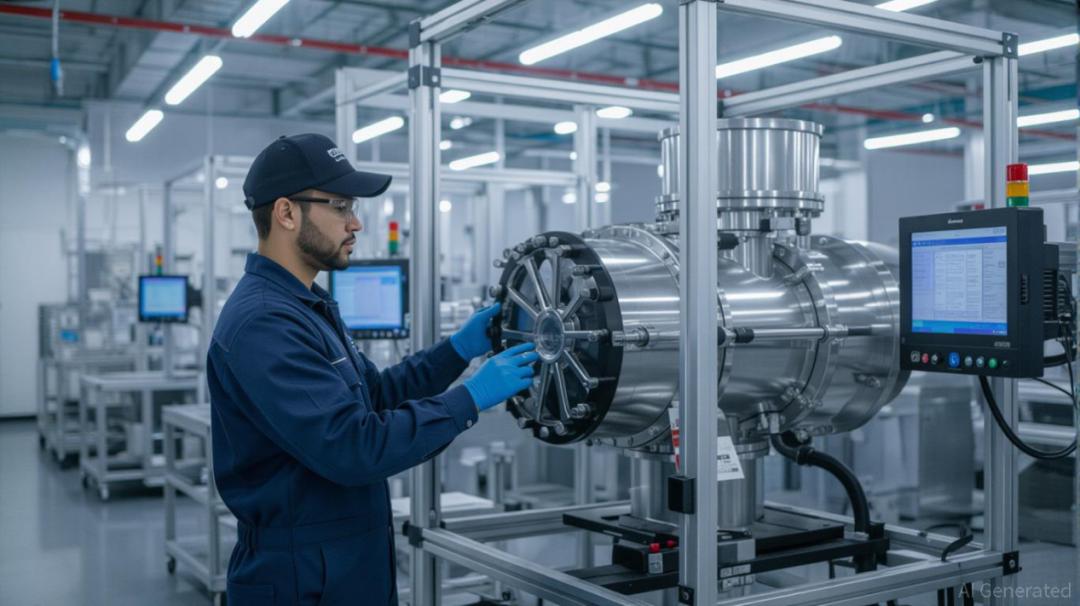
DAS/DAD系列切割机

Search documents
跨界的芯片巨头
半导体芯闻· 2026-02-02 10:32
Core Insights - The article discusses how companies from various industries have successfully transitioned into the semiconductor sector by leveraging their existing technologies and expertise, highlighting the importance of understanding core capabilities and market needs [1][27]. Group 1: Cross-Industry Success Stories - Ajinomoto, originally a seasoning company, developed ABF materials from by-products, which now dominate 99% of the high-end CPU and GPU packaging market [1]. - Donaldson, starting with tractor air filters, adapted its technology to create advanced chemical air filtration systems for semiconductor clean rooms, ensuring high purity levels [4]. - DISCO, initially a manufacturer of grinding wheels, innovated in ultra-thin cutting technology and laser cutting, achieving a market share of 70%-80% in wafer cutting and grinding equipment [9][10]. - Fujifilm transformed from a film company to a major player in semiconductor materials, leveraging its expertise in photochemistry to develop advanced photoresists [15][16]. - Gore, known for its waterproof fabrics, applied its ePTFE technology to create specialized cables for EUV lithography machines, becoming a key component supplier [20][21]. Group 2: Industry Adaptation and Innovation - TOTO, a toilet manufacturer, successfully entered the semiconductor market by developing high-performance ceramic materials for wafer processing equipment [22]. - JSR transitioned from synthetic rubber to become a leading supplier of photoresists, utilizing its polymer chemistry expertise [23]. - HOYA, originally a glassware manufacturer, now produces essential EUV mask substrates, applying its optical glass technology to semiconductor needs [24][25]. - Henkel evolved from a detergent company to a leader in advanced packaging materials for semiconductors, utilizing its knowledge of surface chemistry [26]. Group 3: Common Success Factors - The article identifies that successful companies share a deep understanding of their core technologies and the ability to identify new market opportunities, often requiring long-term investment in R&D [27][28]. - Many of these companies focus on niche markets within the semiconductor supply chain, allowing them to establish strong competitive advantages and high customer switching costs [28]. - The differences between Japanese and Western companies in their approaches to cross-industry transitions are noted, with Japanese firms often leveraging material science and Western firms focusing on extreme applications of existing processes [29].

“不务正业”的半导体巨头
3 6 Ke· 2026-02-01 02:51
Group 1 - The core idea of the article is that several companies have successfully transitioned from their original industries to become key players in the semiconductor sector by leveraging their existing technologies and expertise [24][26][28] - Ajinomoto, originally a seasoning company, developed a thermosetting film called ABF from by-products, which now dominates 99% of the high-end CPU and GPU packaging market [1] - Donaldson, initially focused on tractor air filters, adapted its technology to create chemical air filtration systems for semiconductor clean rooms, ensuring high purity levels essential for chip manufacturing [4][19] - DISCO, which started as a manufacturer of grinding wheels, innovated ultra-thin cutting blades and specialized cutting machines, leading to a dominant market share in wafer cutting and grinding equipment [5][9][20] - Fujifilm transformed from a film company to a diversified high-tech group, successfully entering the semiconductor materials market by applying its expertise in photosensitive materials to photoresists [10][14][24] - Gore, known for its waterproof fabric, developed specialized cables for EUV lithography machines, showcasing the versatility of its ePTFE technology [15][17] - TOTO, a toilet manufacturer, leveraged its ceramic technology to produce components for semiconductor equipment, achieving significant profitability in this new sector [19] - JSR transitioned from synthetic rubber to become a leading supplier of photoresists, capitalizing on its polymer chemistry expertise [20] - HOYA, originally a glassware manufacturer, now plays a crucial role in the semiconductor industry by providing high-precision EUV mask substrates [21] - Henkel evolved from a detergent company to a major player in advanced packaging materials for semiconductors, utilizing its knowledge of surface chemistry [22] Group 2 - The common thread among these companies is their ability to understand the essence of their technologies and apply them creatively in new fields, demonstrating a long-term commitment to research and development [24][25][26] - The competition in semiconductor materials is fundamentally about "tacit knowledge," which cannot be easily transferred and requires years of experience to achieve high yield and consistency [25] - These companies often target niche markets rather than competing in larger, more saturated markets, allowing them to establish strong positions and maintain technological and profit barriers [25][26] - Japanese companies tend to rely on the chemical similarities of materials for their transitions, while Western companies focus on pushing existing processes to their limits in new applications [26]