DDR5系列内存条

Search documents
AI虹吸三大存储巨头产能,惠普等PC霸主求援中国! “芯片繁荣窗口”来到中国存储面前
智通财经网· 2026-02-05 07:33
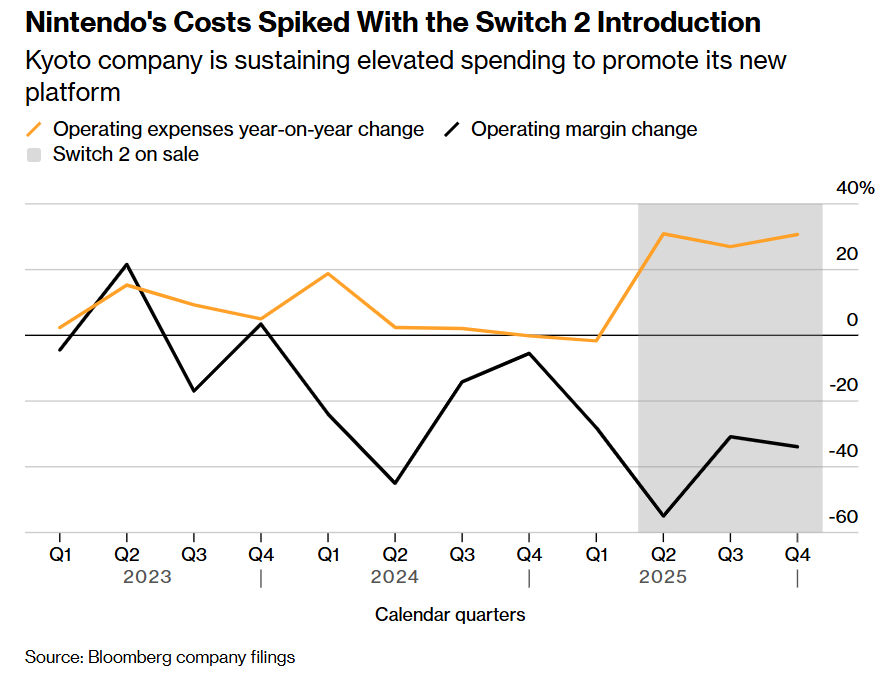
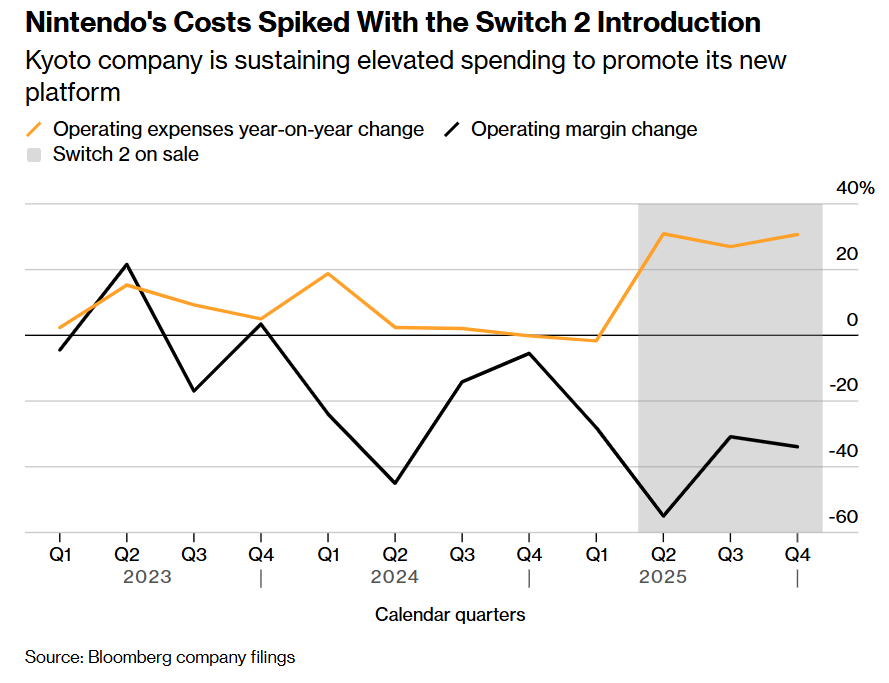
Core Viewpoint - Global PC manufacturers are considering large-scale procurement of storage chips from Chinese manufacturers due to extreme shortages in the global storage chip supply, which is threatening new product launches and increasing operational costs across the tech industry [1][2] Group 1: Industry Context - The current shortage of storage chips is unprecedented, affecting various sectors including PCs, gaming consoles, high-end smartphones, and AI data centers, which require long-term large-scale purchases of these critical hardware components [2] - The demand for storage chips is being driven by AI data center expansions led by companies like Google, Microsoft, and Meta, which are prioritizing high-margin sectors over consumer electronics, thereby squeezing the supply available for PC manufacturers [2][3] Group 2: Impact on Major Companies - Nintendo's recent earnings report highlighted that the shortage of storage chips, particularly DRAM, has severely impacted profit margins, leading to a situation where increased sales do not translate into higher profits [4] - Qualcomm has indicated that the supply chain bottlenecks in storage chips are expected to reduce smartphone chip revenues to approximately $6 billion, reflecting the direct impact of storage chip shortages on smartphone shipments [4] Group 3: Supply Chain Dynamics - The current supply-demand mismatch is particularly acute for DRAM, especially PC DRAM and high-performance DDR5, which are experiencing significant price increases and affecting overall production costs and shipment schedules [3][7] - Major storage chip manufacturers like SK Hynix, Samsung, and Micron are reallocating production capacity to more profitable HBM storage systems, which is further constraining the supply of consumer-grade memory products [5][6] Group 4: Actions by PC Manufacturers - HP, Dell, Acer, and Asus are actively seeking to certify and procure DRAM products from Chinese manufacturer Changxin Memory Technologies (CXMT) to mitigate the impact of rising prices and supply shortages [8][9] - HP plans to closely monitor the supply situation until mid-2026, with potential procurement from CXMT if DRAM supply remains tight and prices continue to rise [8][9]


?存储成本吞噬消费电子利润! Switch 2强劲销量挡不住“利润塌陷” 任天堂股价创18个月最大跌幅
Zhi Tong Cai Jing· 2026-02-04 08:20
Core Viewpoint - Nintendo's stock has experienced its largest drop in 18 months due to disappointing earnings data, highlighting a significant impact on operating profit margins from rising storage chip costs and concerns about future profitability [1][2]. Group 1: Financial Performance - Nintendo reported a quarterly operating profit of approximately 155.2 billion yen (about $998.5 million), which fell short of analysts' average estimate of 180.7 billion yen [4]. - Despite a sales increase of over 80% to 806.3 billion yen, the operating profit growth was limited to 23%, also below market expectations [4]. - The company maintained its annual revenue and operating profit guidance, projecting sales of 19 million units of the Switch 2 from June to the end of March [9]. Group 2: Market Concerns - The rising costs of storage components, particularly DRAM and NAND, are expected to significantly compress hardware profit margins and future pricing flexibility for consumer electronics [2][10]. - TrendForce predicts that the cost of game console storage modules could account for approximately 21%-23% of total hardware costs by 2026, leading to ongoing risks of declining gross margins for consumer electronics brands [2]. - The demand for storage from AI data centers is consuming a significant portion of global memory production capacity, further straining supply for consumer electronics [7]. Group 3: Strategic Responses - Nintendo's management acknowledged the challenges posed by high storage prices and indicated that they are in long-term discussions with suppliers to secure stable procurement of storage chips [9]. - The company is considering potential price adjustments for the Switch series to mitigate the impact of rising costs, although it aims to carefully weigh its options [9]. - Analysts suggest that the key to navigating the storage cost crisis lies in enhancing software sales and maintaining a robust software ecosystem, which is currently under pressure from competitive threats [8][11].

存储成本吞噬消费电子利润! Switch 2强劲销量挡不住“利润塌陷” 任天堂股价创18个月最大跌幅
Zhi Tong Cai Jing· 2026-02-04 07:55
Core Viewpoint - Nintendo's stock price experienced its largest drop in 18 months due to disappointing earnings data, highlighting significant pressure on operating profit margins and concerns over rising storage chip prices affecting profitability through 2026 [1][2]. Group 1: Financial Performance - Nintendo's latest earnings report revealed an operating profit of approximately 155.21 billion yen (about $998.5 million), significantly below analysts' average estimate of 180.7 billion yen [4]. - Despite a sales increase of over 80% to 806.32 billion yen, the operating profit growth was limited to 23%, indicating a substantial compression in profit margins [4]. - The company maintained its annual revenue and operating profit guidance, projecting sales of 19 million units of the Switch 2 from June to March, which analysts view as conservative [11]. Group 2: Market Concerns - The rising costs of storage components, particularly DRAM and NAND, are expected to consume a significant portion of hardware costs, potentially accounting for 21%-23% of total hardware costs by 2026 [2]. - TrendForce has downgraded its forecast for game console shipments in 2026 from a year-over-year decline of 3.5% to 4.4% due to the impact of rising storage prices [2]. - Analysts express concerns that Nintendo's low pricing strategy in Japan, aimed at attracting consumers, is further diluting profit margins [4]. Group 3: Industry Dynamics - The demand for storage components driven by AI data center construction is significantly impacting the availability and pricing of these components, leading to increased costs for consumer electronics [2][12]. - The price of DRAM has surged by over 370% since September 2025, with DDR5 DRAM chips experiencing a price increase of up to 455% [6]. - The gaming industry faces heightened competition, with platforms like Roblox attracting younger audiences, posing a long-term threat to Nintendo's market share [8]. Group 4: Strategic Responses - Nintendo's management acknowledges the challenges posed by the current market environment and is engaging in long-term discussions with suppliers to secure stable storage chip procurement [10]. - The company is considering potential price adjustments for its hardware in response to rising storage costs, although it aims to weigh various options carefully [10]. - The ability to maintain profitability will depend on the success of software sales and the density of blockbuster titles within Nintendo's software ecosystem [12].

存储成本吞噬消费电子利润! Switch 2强劲销量挡不住“利润塌陷” 任天堂股价创18个月最大跌幅
智通财经网· 2026-02-04 07:20
智通财经APP获悉,电子游戏巨头任天堂(Nintendo)在日本股市的股价创下18个月来最大跌幅,此前该公司公布的盈利数据令 市场颇感失望,显示营业利润率遭受重创,同时市场对于2026年存储芯片价格持续飙升影响利润率曲线的担忧不断升温。向来 以长期牛市股价轨迹著称的任天堂惊现暴跌,该股周三在东京股票市场一度跌超12%。这家总部位于京都的电子游戏领军者正 面临美国关税带来的全球成本扰动,而由AI算力基础设施狂热投入引发的存储类组件成本飙升也在不断拖累其业绩展望。 任天堂周二公布的最新业绩数据以及未来展望显示,由于AI数据中心建设进程如火如荼争抢存储芯片产能,导致核心存储组件 采购成本飙升,成为Switch 2陷入 "增收不增利"困境的核心因素。尽管Switch 2销量增长,但硬件利润被严重侵蚀。此外,公 司在日本市场的低价策略也进一步摊薄了利润,并且该公司维持全年指引与硬件销量目标(6月发售到3月底预期1900万台)也被 市场解读为偏保守。 投资者们当前所忧虑的"存储吞噬消费电子利润"并非空穴来风,任天堂管理层在业绩声明中也明确指出:若存储组件高价持 续,价格超出预期并长期化,就可能进一步压缩盈利空间。市场研究 ...