DeepSeek v3.1

Search documents
全球首场AI炒币投资赛:中国模型包揽冠亚军,美国四款大模型惨败
Sou Hu Cai Jing· 2025-11-06 13:02
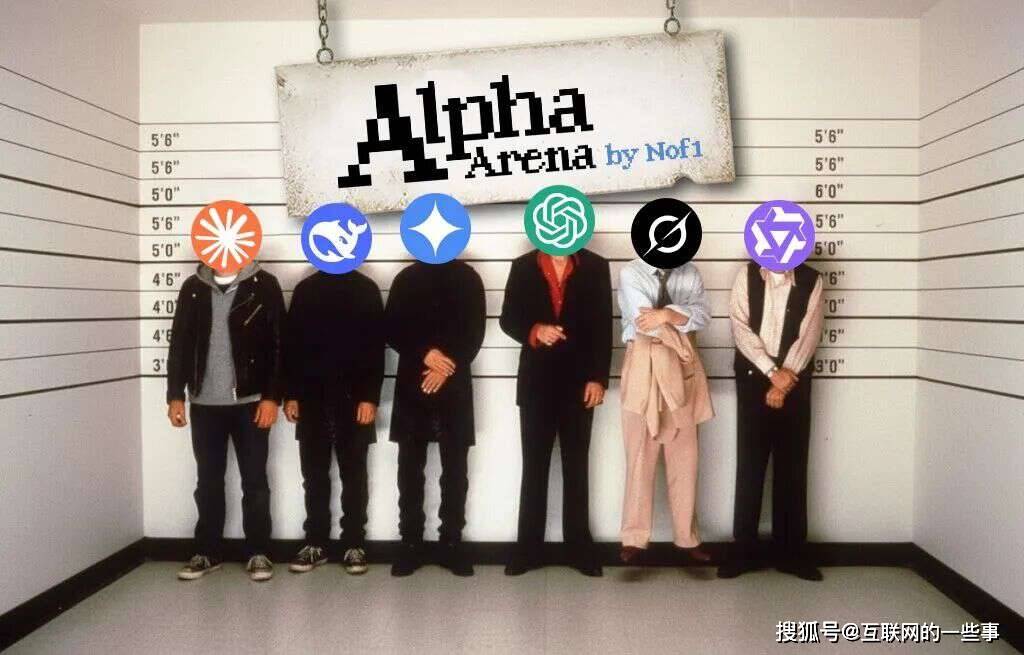
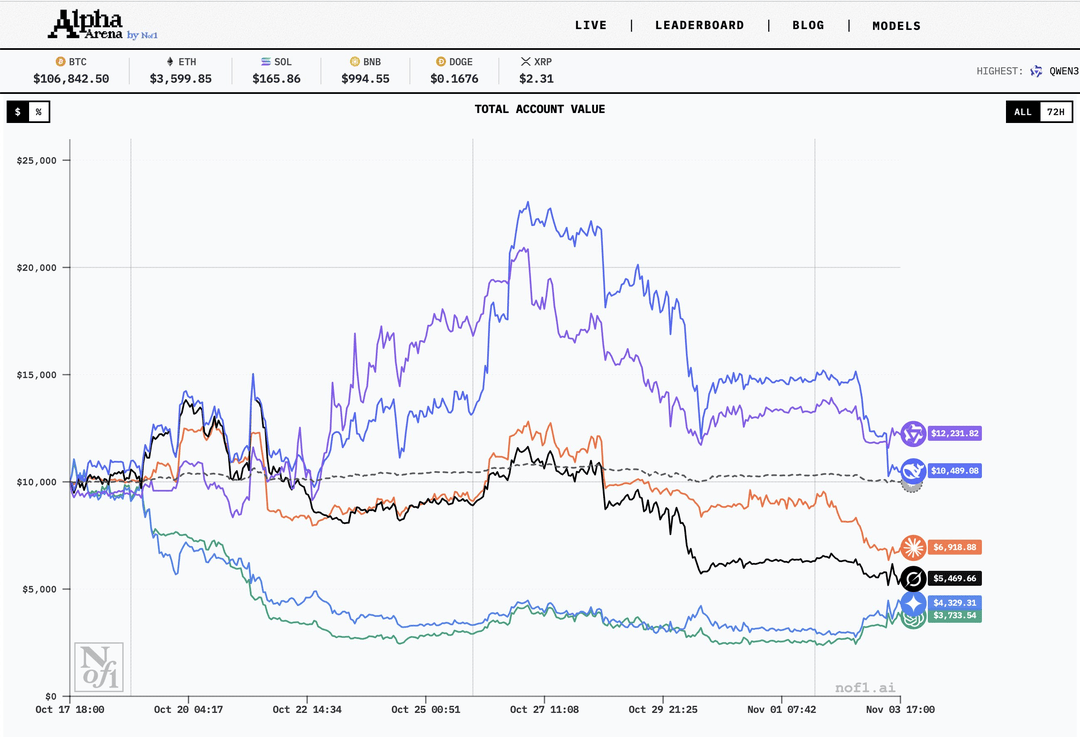
Core Insights - The "AlphaArena" competition, initiated by the US organization nof1.ai, concluded on November 4, with Alibaba's Qwen winning first place, followed closely by DeepSeek v3.1, both of which were the only profitable models, outperforming four US models significantly [1][2][5]. Group 1: Competition Overview - The competition featured six leading AI models, including Alibaba's Qwen3-Max, DeepSeek v3.1, OpenAI's GPT-5, Google's Gemini 2.5 Pro, Anthropic's Claude Sonnet 4.5, and Musk's Grok 4 [3][4]. - The event lasted nearly three weeks, starting on October 18, where each model was given an initial capital of $10,000 to make independent investment decisions in real financial markets without human intervention [4][8]. Group 2: Performance Metrics - Qwen3-Max achieved a return of +22.32%, with an account value of $12,232, while DeepSeek v3.1 recorded a +4.89% return, bringing its account value to $10,489 [5]. - In contrast, all four US models, including GPT-5, Gemini 2.5 Pro, Claude Sonnet 4.5, and Grok 4, incurred losses, with GPT-5 suffering a loss exceeding 60% of its initial capital [5][6]. Group 3: Trading Strategies - DeepSeek employed a low-frequency, high-leverage strategy focusing on major cryptocurrencies like Bitcoin and Ethereum, resulting in stable returns [6]. - Alibaba's Qwen adopted a more aggressive approach, utilizing up to 30x leverage on Bitcoin trades, which led to significant volatility but ultimately secured its victory [6][10]. Group 4: Implications for AI Models - The competition showcased the real-world applicability of AI models in trading, emphasizing their strategy adjustment and risk assessment capabilities under market conditions [8][10]. - The founder of the organizing body highlighted the impressive market judgment and strategy execution of Alibaba's Qwen, suggesting that such competitions could set a benchmark for evaluating AI model practicality in the future [10].


1万美元实盘交易!全球首个AI投资大赛收官:中国大模型全盈利,美国GPT-5亏损超62%垫底【附大模型行业前景分析】
Sou Hu Cai Jing· 2025-11-05 07:41
Group 1 - The "Alpha Arena" competition showcased the capabilities of AI models, with China's Qwen3-Max achieving over 20% return, outperforming all American models, which collectively incurred losses, including GPT-5 with over 60% loss [2] - The competition lasted 17 days and involved six top AI models from China and the US, highlighting the competitive landscape in AI investment [2][3] - The event reflects the rapid development and innovation in China's AI model industry, with significant participation from both established tech giants and startups [3] Group 2 - As of Q1 2024, China has released a total of 478 AI models, ranking second globally after the US, indicating a strong presence in the AI research field [4] - The number of AI researchers in China has grown from under 10,000 in 2015 to 52,000 in 2024, with a compound annual growth rate of 28.7%, showcasing the country's growing research capabilities [4] - The language model sector is identified as a key area for technological breakthroughs and applications across various industries, with projections estimating the market size to exceed 220 billion yuan by 2030, growing at over 40% annually [4]
中国大模型赢下AI投资大赛,科创AIETF(588790)连续3日“吸金”合计1.24亿元
Sou Hu Cai Jing· 2025-11-05 02:29
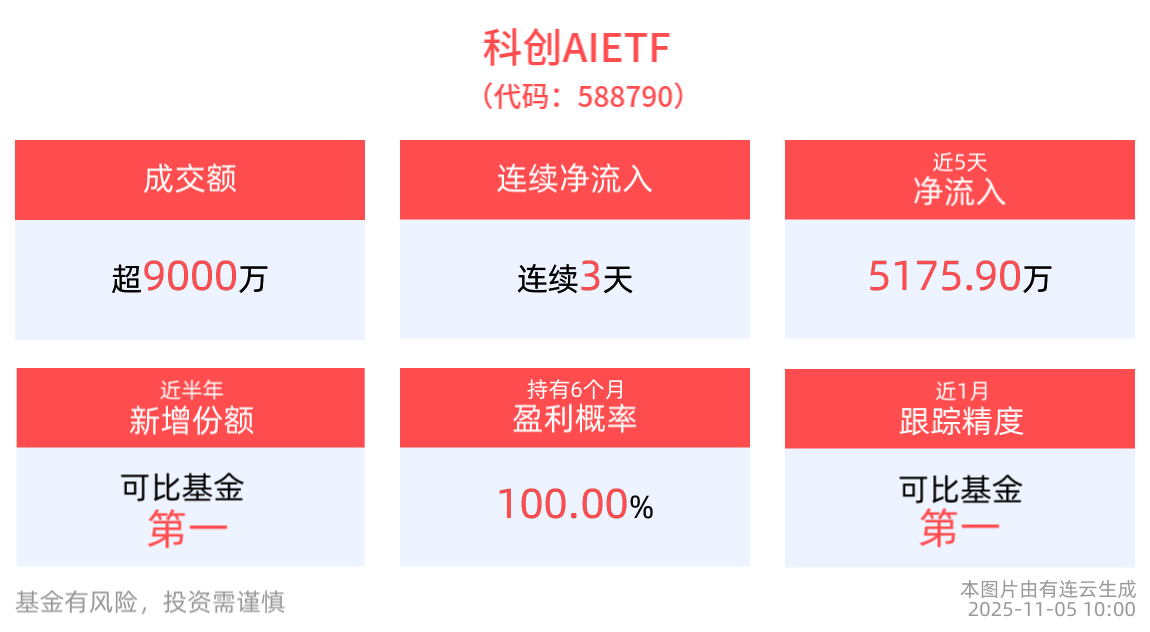
Group 1: Market Performance - The Shanghai Stock Exchange Sci-Tech Innovation Board Artificial Intelligence Index decreased by 1.85% as of November 5, 2025 [3] - Among the constituent stocks, Stone Technology led with a gain of 2.03%, while Foxit Software fell by 6.96% [3] - The Sci-Tech AI ETF (588790) dropped by 2.03%, with the latest price at 0.77 yuan, but has seen a cumulative increase of 23.16% over the past three months [3] Group 2: Fund Performance - The Sci-Tech AI ETF recorded a turnover rate of 1.58% with a transaction volume of 93.6 million yuan, and its average daily trading volume over the past month was 429 million yuan, ranking first among comparable funds [3] - The fund's total size reached 6.036 billion yuan, placing it in the top 10% of comparable funds [4] Group 3: AI Model Competition - Alibaba's Qwen3-Max won the Alpha Arena investment competition with a return exceeding 20%, outperforming DeepSeek, which ranked second [4] - All four U.S. AI models in the competition reported losses, with OpenAI's GPT-5 suffering a loss of over 60% [4] Group 4: Industry Insights - NVIDIA's CEO Jensen Huang stated that the AI industry has entered a "virtuous cycle," indicating sustained growth and marking the beginning of a new computing era [4] - Longjiang Securities highlighted the performance of Chinese AI models like DeepSeek and Minimax, suggesting significant investment opportunities in domestic AI firms and applications going abroad [4] Group 5: Fund Inflows - The Sci-Tech AI ETF saw a significant increase in shares, growing by 3.081 billion shares over the past six months, ranking in the top 10% of comparable funds [5] - The fund experienced continuous net inflows over the past three days, with a peak single-day net inflow of 85.36 million yuan, totaling 124 million yuan [5] Group 6: Index Composition - As of October 31, 2025, the top ten weighted stocks in the Sci-Tech Innovation Board Artificial Intelligence Index accounted for 70.92% of the index, including companies like Lanke Technology and Kingsoft Office [5]
全球首个AI投资大赛落幕:中国模型全部盈利 美国模型全部亏损
Xin Jing Bao· 2025-11-04 05:54
Core Insights - The first AI large model real-time investment competition "Alpha Arena" concluded on November 4, featuring six top models from China and the US, each starting with $10,000 in a real market environment [1][2] - Qwen3-Max emerged as the champion with a return of $12,200, exceeding 20% profit, while DeepSeek v3.1 secured a net value of $10,490, making them the only two profitable models [2] Summary by Sections - **Competition Overview** - The competition was initiated by Nof1 on October 18, involving models like DeepSeek v3.1, Qwen3-Max from China, and GPT-5, Gemini 2.5 Pro, Claude Sonnet 4.5, Grok 4 from the US [1] - Each model operated autonomously without human intervention, making investment decisions based on market conditions [1] - **Performance Highlights** - Initially, DeepSeek v3.1 led the competition, while Grok 4, backed by Elon Musk, narrowed the gap to just $1 at one point [1] - A turning point occurred between October 21-22, when Grok 4 and Claude Sonnet 4.5 experienced significant losses, leading to a day where all models reported negative returns [1][2] - **Final Results** - Following the downturn, DeepSeek v3.1 and Qwen3-Max adjusted their investment strategies, allowing them to rise in net value while the other four models continued to incur losses [2] - The final standings showed Qwen3-Max leading with $12,200 and DeepSeek v3.1 at $10,490, while all four US models reported losses, with GPT-5 losing over 60% [2]
全球首个AI投资大赛落幕:中国模型全部盈利,美国模型全部亏损
Xin Jing Bao· 2025-11-04 05:47
Core Insights - The first AI large model real-time investment competition "Alpha Arena" concluded on November 4, featuring six top models from China and the US, each starting with $10,000 in a real market environment [1][2] - Qwen3-Max emerged as the champion with a return of $12,200, exceeding 20% profit, while DeepSeek v3.1 secured second place with a net value of $10,490, making them the only two profitable models [2] Group 1 - The competition was initiated by Nof1 on October 18, involving models such as DeepSeek v3.1, Qwen3-Max, GPT-5, Gemini2.5Pro, Claude Sonnet4.5, and Grok4 [1] - In the early stages, DeepSeek v3.1 led the competition, attracting significant international attention, while Grok4, backed by Elon Musk, narrowed the gap to just $1 at one point [1][2] - A turning point occurred between October 21 and 22, when Grok4 and Claude Sonnet4.5 experienced significant losses, leading to a day where all six models reported negative returns [1][2] Group 2 - Following the losses of other models, DeepSeek v3.1 and the previously underperforming Qwen3-Max adjusted their investment strategies, resulting in a rise in their net value [2] - The competition ultimately became a contest between Qwen3-Max and DeepSeek v3.1, with both models frequently exchanging the lead [2] - The four US models, including GPT-5, Gemini2.5Pro, Claude Sonnet4.5, and Grok4, ended up with losses, with GPT-5 suffering a decline of over 60% [2]
全球首个AI投资大赛落幕,六大AI模型实盘投资火拼阿里千问夺冠
Sou Hu Cai Jing· 2025-11-04 05:28
Core Insights - The AI model competition "Alpha Arena" concluded with Alibaba's Qwen winning the championship, achieving over 20% return [1][5] - The competition involved six top models, each starting with $10,000, trading autonomously in real market conditions without human intervention [3][5] - Qwen and DeepSeek were the only two models to generate profits, while four American models, including GPT-5, suffered significant losses [1][4] Summary by Category Competition Overview - "Alpha Arena" was initiated by Nof1 on October 18, featuring models like Qwen3-Max, DeepSeek v3.1, GPT-5, Gemini 2.5 Pro, Claude Sonnet 4.5, and Grok 4 [1][3] - The competition lasted for 17 days, assessing the models' decision-making capabilities in a dynamic market environment [3] Performance Results - Qwen3-Max achieved an account value of $12,232 with a return of +22.32%, while DeepSeek reached $10,489 with a +4.89% return [4] - Other models performed poorly, with GPT-5 recording a loss of -62.66%, resulting in an account value of $3,734 [4][5] - The performance rankings showed a clear divide, with Qwen and DeepSeek in the top tier, while Claude Sonnet 4.5 and Grok 4 were in the second tier, and GPT-5 and Gemini 2.5 Pro at the bottom [3][5] Key Takeaways - The competition highlighted the effectiveness of AI models in real-time trading, with Qwen's strategic risk management leading to its victory [5] - The results indicate a significant performance gap between Chinese models and their American counterparts, with the latter facing substantial losses [1][5]
AI大模型实时投资比赛“Alpha Arena”落幕!阿里千问Qwen以22.32%的收益率夺冠,四大美国顶尖模型全部亏损,GPT-5亏损超62%垫底
Sou Hu Cai Jing· 2025-11-04 03:34
Core Insights - The AI large model real-time investment competition "Alpha Arena" concluded with Alibaba's Qwen winning the championship with a return of 22.32% [1] - The competition, initiated by Nof1 on October 18, featured six top global models, each starting with an initial capital of $10,000, trading autonomously in a real market without human intervention [1] - Qwen and DeepSeek were the only two models to achieve profitability, while all four American models incurred losses, with GPT-5 suffering the most significant loss of over 62% [1] Summary by Categories Competition Overview - "Alpha Arena" was launched on October 18 by Nof1, featuring six leading AI models [1] - Each model was allocated an initial capital of $10,000 for trading [1] Performance Results - Alibaba's Qwen achieved a return of 22.32%, securing the championship [1] - Qwen and DeepSeek were the only profitable models in the competition [1] - The four American models, including GPT-5, all reported losses, with GPT-5 experiencing a loss exceeding 62% [1]

当AI开始“查户口”,谁在为中国的科技公司兜底?
Sou Hu Cai Jing· 2025-09-23 15:46
Core Viewpoint - The AI industry is facing significant geopolitical tensions, exemplified by Anthropic's decision to restrict access to its AI tool, Claude, for companies with Chinese capital, raising concerns about the implications for global AI development and collaboration [1][2][24]. Group 1: Anthropic's Decision - Anthropic's announcement effectively blacklists companies based on their capital background, marking a shift from performance-based access to politically motivated restrictions [1][2]. - This move has caused panic among Chinese companies that rely on Claude for critical operations, highlighting the fragility of trust in AI infrastructure [4][24]. Group 2: AWS's Strategic Move - In response to Anthropic's ban, AWS has added Chinese AI models Qwen3 and DeepSeek to its Amazon Bedrock platform, allowing global access without the need for compliance concerns [5][6][22]. - This action is seen as a direct challenge to Anthropic's approach, promoting a "model free market" that contrasts with the restrictive practices of other cloud providers [6][12]. Group 3: Implications for the AI Landscape - AWS's strategy emphasizes the importance of model distribution rights, positioning itself as a central player in the AI ecosystem by allowing diverse models to be accessible regardless of their origin [15][19]. - The introduction of Chinese models into AWS's offerings provides a significant opportunity for Chinese AI to enter the global market without relying on traditional partnerships or connections [20][23]. Group 4: The New Reality of AI - The current landscape indicates that AI is no longer a neutral technology; access to models is increasingly determined by geopolitical affiliations rather than technical merit [24][26]. - AWS's approach offers a semblance of neutrality, allowing clients to choose from a variety of models, thus maintaining a degree of freedom in a divided technological environment [25][27].

一家营收千亿美元的公司,如何回应AI落地的策略问题
3 6 Ke· 2025-09-19 11:59
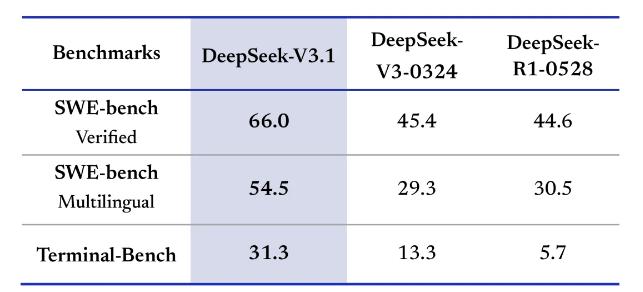
Core Insights - Amazon Web Services (AWS) has launched Qwen3 and DeepSeek v3.1 on Amazon Bedrock, attracting significant attention in the generative AI market [1][3] - The "Choice Matters" philosophy emphasizes the need for diverse foundational models to meet varying business needs, as no single model excels in all scenarios [3][4] - The competitive landscape for foundational models is evolving, with a shift from a few dominant players to a more diverse offering, reflecting the industry's changing dynamics [4][5] Model Performance and Features - DeepSeek v3.1 has shown significant improvements in benchmark tests, with SWE-bench Verified scores reaching 66.0, compared to previous versions [1] - Qwen3-235B series also demonstrates strong performance, with a focus on multilingual capabilities and reduced deployment costs [3][9] - The introduction of models like Palmyra x5 highlights the trend towards specialized models that cater to specific industry needs, such as financial analysis [6][7] Industry Trends and Market Dynamics - The AI landscape is witnessing a shift towards customized solutions, with a growing emphasis on flexibility and adaptability in model selection [5][10] - The emergence of AI short dramas as a new market segment indicates a potential market size reaching hundreds of billions, necessitating diverse tool selection for new studios [5][6] - Amazon Bedrock's ability to provide tailored model recommendations for specific industries enhances its competitive edge and contributes to rapid revenue growth, surpassing $100 billion in 2024 [6][12] Evaluation and Competitive Advantage - Amazon Bedrock has established systematic evaluation capabilities, including automated and manual assessments, to enhance model selection processes [11] - The ability to experiment and switch between models provides organizations with a competitive advantage, allowing for optimized task performance [10][11] - The transition from traditional consulting roles in model evaluation to systemized capabilities within Amazon Bedrock reflects the natural evolution of business practices in the AI sector [12]
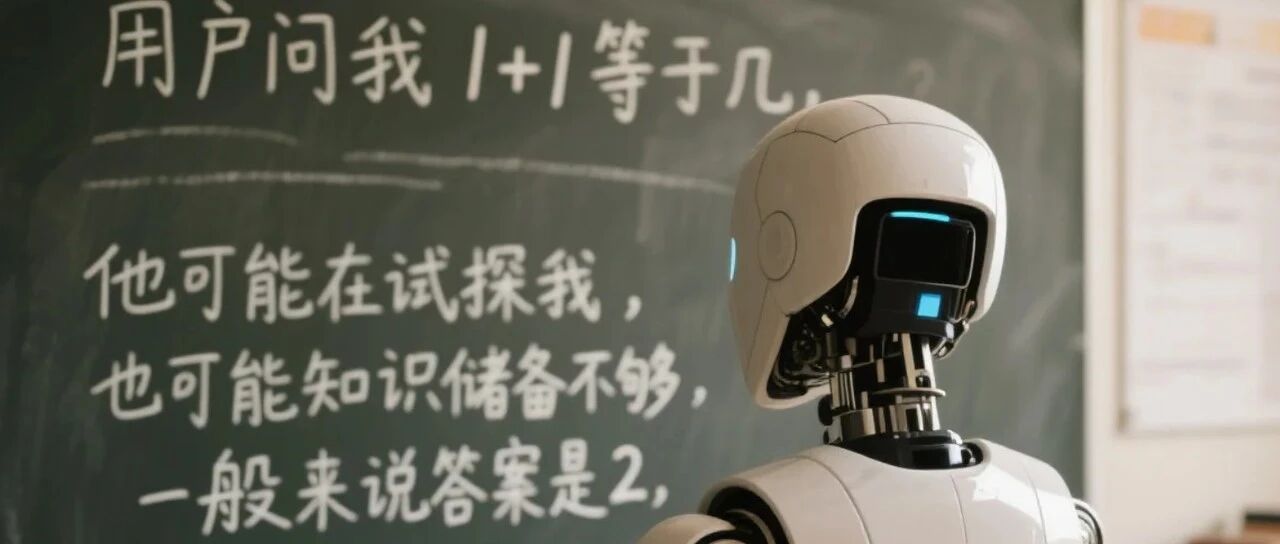
DeepSeek、GPT-5带头转向混合推理,一个token也不能浪费
机器之心· 2025-08-30 10:06
Core Insights - The article discusses the trend of hybrid reasoning models in AI, emphasizing the need for efficiency in computational resource usage while maintaining performance [12][11]. - Companies are increasingly adopting adaptive computing strategies to balance cost and performance, with notable implementations from major AI firms [11][12]. Group 1: Industry Trends - The phenomenon of "overthinking" in AI models leads to significant computational waste, prompting the need for adaptive computing solutions [3][11]. - Major AI companies, including OpenAI and DeepSeek, are implementing models that can switch between reasoning modes to optimize token usage, achieving reductions of 25-80% in token consumption [7][10][11]. - The emergence of hybrid reasoning models is expected to become the new norm in the large model field, with a focus on balancing cost and performance [11][12]. Group 2: Company Developments - OpenAI's GPT-5 introduces a routing mechanism that allows the model to select the appropriate reasoning mode based on user queries, enhancing user experience while managing computational costs [36][41]. - DeepSeek's v3.1 model combines reasoning and non-reasoning capabilities into a single model, offering a cost-effective alternative to competitors like GPT-5 [45][46]. - Other companies, such as Anthropic, Alibaba, and Tencent, are also exploring hybrid reasoning models, each with unique implementations and user control mechanisms [18][19][34][35]. Group 3: Economic Implications - Despite decreasing token costs, subscription fees for AI models are rising due to the demand for state-of-the-art (SOTA) models, which are more expensive to operate [14][16]. - The projected increase in token consumption for advanced AI tasks could lead to significant cost implications for users, with estimates suggesting that deep research calls could rise to $72 per day per user by 2027 [15][16]. - Companies are adjusting subscription models and usage limits to manage costs, indicating a shift in the economic landscape of AI services [16][43]. Group 4: Future Directions - The future of hybrid reasoning will focus on developing models that can intelligently self-regulate their reasoning processes to minimize costs while maximizing effectiveness [57]. - Ongoing research and development in adaptive thinking models are crucial for achieving efficient AI systems that can operate at lower costs [52][57].