FILA斐乐

Search documents
安踏集团15亿欧元收购彪马29.06%股权
YOUNG财经 漾财经· 2026-01-27 11:20
Core Viewpoint - Anta Group has finalized a significant acquisition by purchasing 29.06% of Puma SE for €1.5 billion (approximately ¥12.39 billion), marking a strategic move to enhance its global presence in the sportswear market [4]. Group 1: Acquisition Details - The acquisition agreement was reached with Groupe Artémis, the investment company of the Pinault family, and is expected to be completed by the end of 2026, pending regulatory approvals [4]. - The funding for this acquisition will come entirely from Anta Group's internal cash reserves [4]. - Anta Group's Chairman, Ding Shizhong, emphasized that becoming the largest shareholder of Puma is a milestone in the company's strategy of "single focus, multi-brand, globalization" [4]. Group 2: Strategic Implications - Post-acquisition, Anta Group, along with Amer Sports and Puma, is projected to have global revenues that could rival Adidas [5]. - Anta has a history of strategic acquisitions, including FILA in 2009, DESCENTE in 2016, Kolon Sport in 2017, and Amer Sports in 2019, which have contributed to its multi-brand development strategy [5]. - The company has also recently acquired MAIA ACTIVE and plans to acquire Jack Wolfskin in 2025, further diversifying its brand portfolio [5]. Group 3: Historical Context and Challenges - Anta's previous acquisitions, such as FILA, faced financial challenges initially, with FILA operating at a loss of over ¥32 million before Anta turned it profitable after five years [6]. - The opening of the MUSINSA STANDARD flagship store in Shanghai, a result of a partnership with Anta, highlights the company's ongoing efforts to expand its market presence [6]. - The industry recognizes that while Anta's acquisition strategy allows for rapid market coverage and internationalization, it also presents challenges in post-merger integration and sustaining growth for large brands [6].

安踏新年第一单:120亿买了彪马
投资界· 2026-01-27 03:51
Core Viewpoint - Anta Group has successfully acquired a 29.06% stake in Puma SE for €1.5 billion (approximately 12 billion RMB), marking a significant milestone in its globalization strategy and the first cross-border acquisition by a Chinese company in 2026 [2][5]. Group 1: Strategic Considerations - Anta values Puma's long-term brand potential and believes that Puma's recent stock price does not reflect its inherent value [5]. - The acquisition will enhance Anta's existing brand matrix by complementing its offerings in various sports categories and strengthening its presence in North America and Europe [5][7]. - Puma will benefit from Anta's global market expertise, resources, and strong direct-to-consumer (DTC) capabilities [5]. Group 2: Historical Context - The history of Puma dates back to 1948 when it was founded by Rudolf Dassler, following a split from Adidas, leading to decades of competition [6]. - Puma entered the Chinese market in 1999 and has since established a strong presence, culminating in Anta's recent acquisition [7]. Group 3: Anta's Acquisition Strategy - Anta has a track record of successful acquisitions, including FILA, Amer Sports, and others, demonstrating its ability to revitalize struggling brands [9][10]. - The company has consistently focused on acquiring brands with strong value and potential for strategic transformation, often targeting those in financial distress [14][17]. - Anta's acquisition strategy emphasizes operational management and brand integration, allowing for effective brand revitalization and market positioning [15][16]. Group 4: Industry Impact - Anta's approach has set a precedent for Chinese companies in global markets, transitioning from "capital outflow" to "brand and management outflow" [7][19]. - The company's success has inspired other Chinese brands to adopt multi-brand strategies and DTC models, contributing to the overall growth of the Chinese sports goods market [17][18]. - Anta's evolution from a domestic player to a global leader illustrates the rise of Chinese commercial influence on the world stage [19].

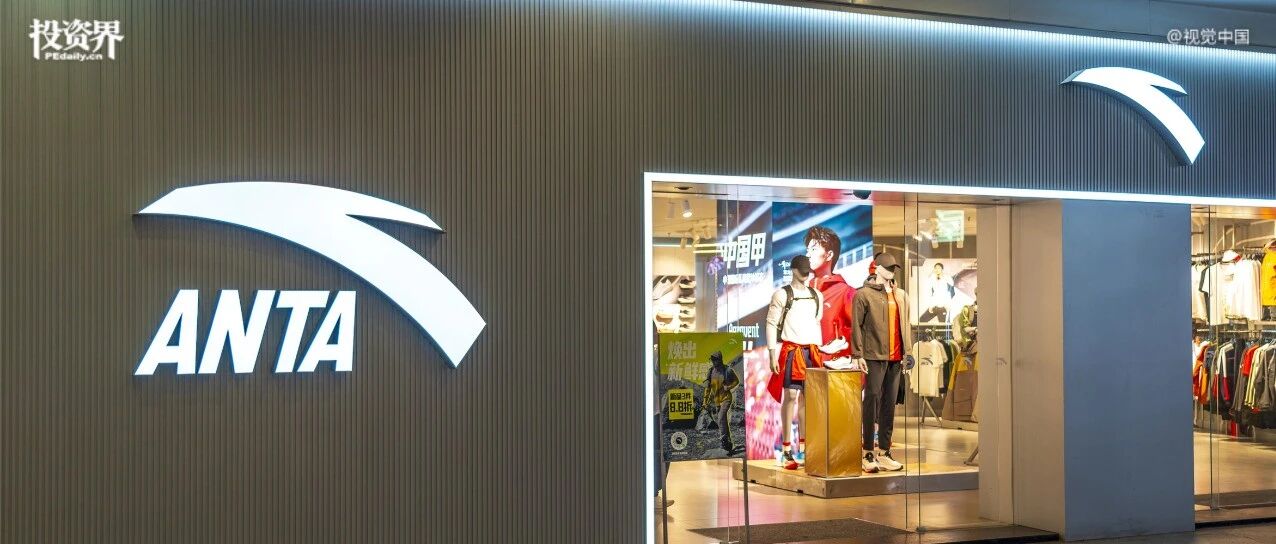
安踏集团15亿欧元收购彪马29.06%股权
Di Yi Cai Jing Zi Xun· 2026-01-27 03:18
Group 1 - Anta Sports Products Co., Ltd. has announced the acquisition of a 29.06% stake in Puma SE from Groupe Artémis for €1.5 billion (approximately ¥12.39 billion), marking a significant step in its globalization strategy [2] - The acquisition is expected to enhance Anta's influence, visibility, and competitiveness in the global sports goods market, with completion anticipated by the end of 2026, pending regulatory approvals [2] - Anta's Chairman, Ding Shizhong, emphasized that becoming the largest shareholder of Puma is a milestone in the company's "single focus, multi-brand, globalization" development strategy [2] Group 2 - Following the acquisition, Anta will become Puma's largest shareholder, and the combined global revenue of Anta, Amer Sports, and Puma is expected to approach that of Adidas [3] - Anta has a history of strategic acquisitions, including the purchase of the FILA brand in 2009, which marked the beginning of its multi-brand development path [4] - The company has faced challenges in integrating acquired brands, as seen with FILA, which took five years to become profitable after its acquisition [4][5]
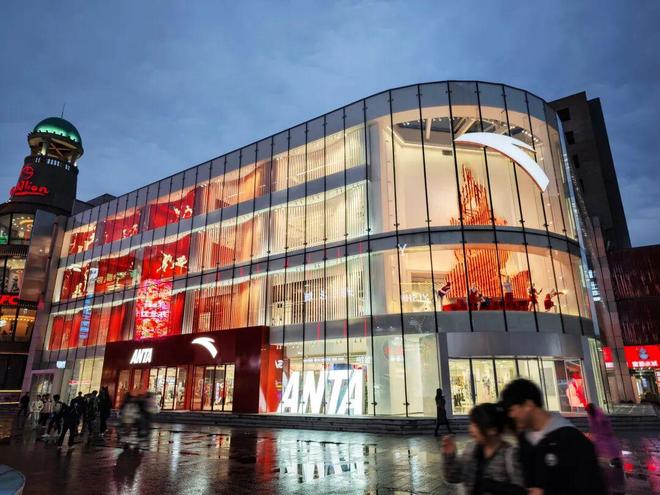
安踏集团15亿欧元收购彪马29.06%股权
第一财经· 2026-01-27 03:12
Core Viewpoint - Anta Sports Products Limited has finalized a significant acquisition by agreeing to purchase 29.06% of Puma SE from the Pinault family's investment company Groupe Artémis for €1.5 billion (approximately ¥12.39 billion), marking a crucial step in its globalization strategy and enhancing its influence in the global sportswear market [3][4]. Group 1: Acquisition Details - The acquisition is expected to be completed by the end of 2026, pending regulatory approvals and customary closing conditions [3]. - The funding for the acquisition will come entirely from Anta Group's internal cash reserves [3]. - Anta Group aims to appoint suitable representatives to the supervisory board of Puma to explore potential deeper cooperation in the future [4]. Group 2: Strategic Importance - Anta Group's chairman, Ding Shizhong, emphasized that becoming the largest shareholder of Puma is a significant milestone in the company's "single focus, multi-brand, globalization" development strategy [3]. - The combined global revenue of Anta Group, Amer Sports, and Puma is projected to approach that of Adidas, indicating a strong competitive positioning in the market [4]. Group 3: Historical Context and Challenges - Anta has a history of acquisitions, including the purchase of the FILA brand in 2009, which was struggling at the time, and it took five years for FILA to become profitable [5]. - The company has faced challenges in integrating acquired brands and ensuring they return to growth, which will be a critical factor in the success of the Puma acquisition [5].
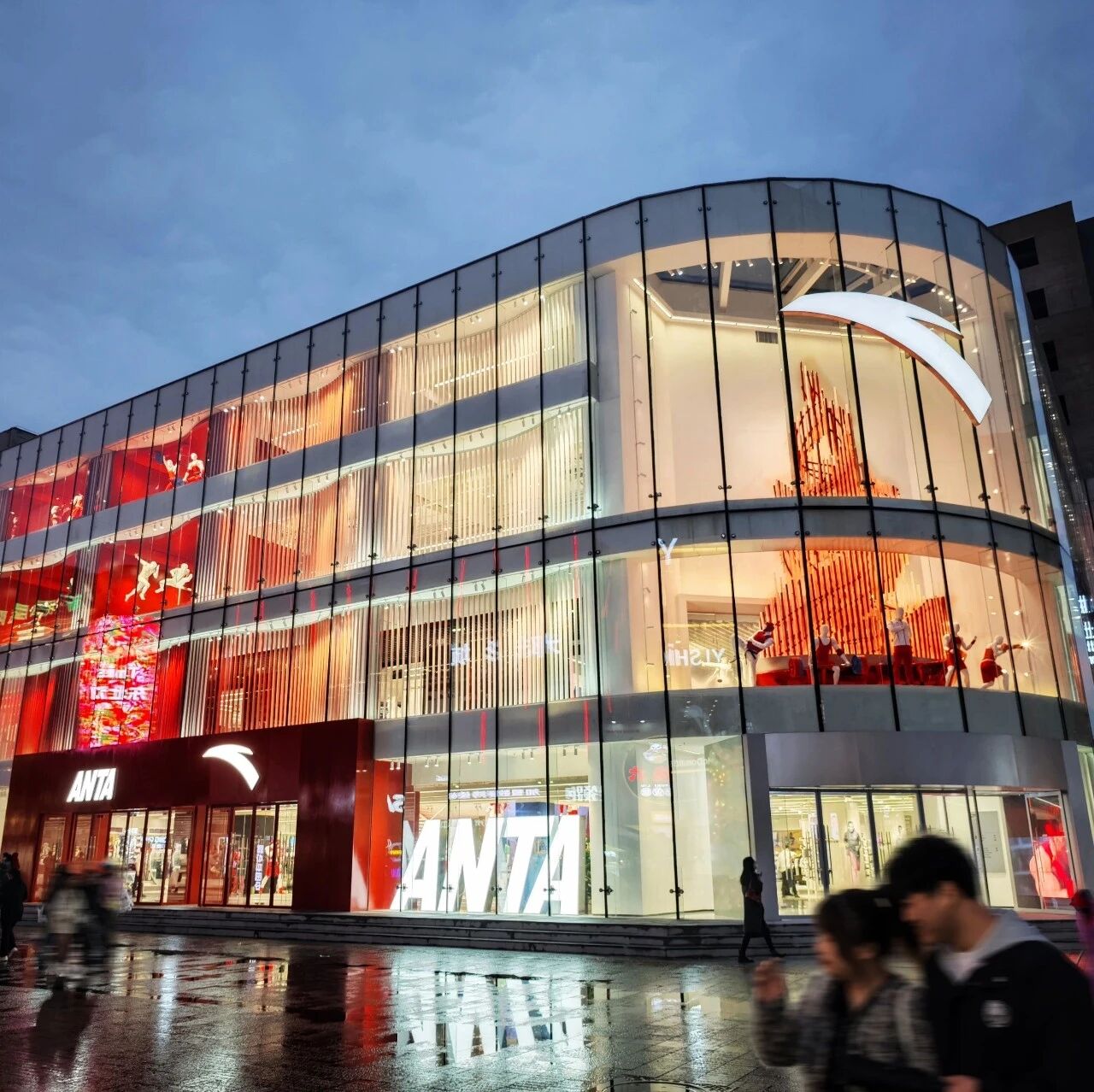
加速全球化并购,安踏集团15亿欧元收购彪马29.06%股权
Di Yi Cai Jing· 2026-01-27 02:33
Core Viewpoint - Anta Sports Products Limited has finalized a significant acquisition by agreeing to purchase 29.06% of Puma SE from Groupe Artémis for €1.5 billion (approximately ¥12.39 billion), marking a strategic step in its globalization efforts [2] Group 1: Acquisition Details - The acquisition is expected to enhance Anta's influence, visibility, and competitiveness in the global sports goods market [2] - The transaction is anticipated to be completed by the end of 2026, pending regulatory approvals and customary closing conditions [2] - The funding for the acquisition will come entirely from Anta's internal cash reserves [2] Group 2: Strategic Importance - Anta's Chairman, Ding Shizhong, emphasized that becoming the largest shareholder of Puma is a milestone in the company's "single focus, multi-brand, globalization" strategy [2] - The acquisition is expected to facilitate mutual learning and experience sharing between Anta and Puma, thereby enhancing brand potential and contributing to the global sports industry, including the Chinese market [2] Group 3: Historical Context and Future Plans - Anta has a history of acquisitions, including the purchase of FILA in 2009, DESCENTE in 2016, and Amer Sports in 2019, which have all contributed to its multi-brand strategy [3] - The combined global revenue of Anta, Amer Sports, and Puma is projected to approach that of Adidas [3] - Anta's previous acquisitions have faced challenges, such as the initial financial struggles of FILA, which required five years to become profitable [4]
德国运动品牌彪马29%股权引发资本“暗战” 安踏、李宁能否撬动全球运动品牌格局?
Mei Ri Jing Ji Xin Wen· 2025-09-15 14:13
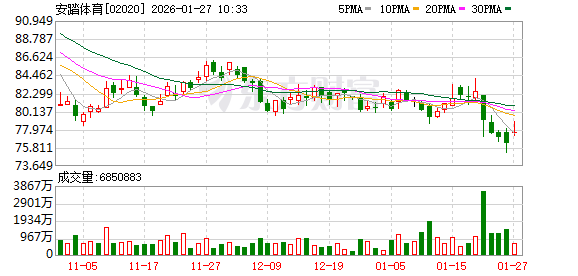
Core Viewpoint - The fate of German sports brand Puma is at a crossroads, with speculation surrounding the potential sale of its 29% stake held by Artémis, as indicated by François-Henri Pinault, chairman of Artémis [1][2][3] Group 1: Artémis and Puma's Stake - Artémis, the investment platform of the Pinault family, is considering selling its 29% stake in Puma, which has been a long-term strategic investment since the 2018 spin-off from Kering [2][3] - The current market undervaluation of Puma's stock has led to a cautious approach from Artémis, indicating that now is not the right time for a sale [1][3][4] - As of September 10, 2023, the value of Artémis's stake in Puma is approximately €812 million (around 6.8 billion RMB) [3] Group 2: Market Dynamics and Potential Buyers - The global sports market is dominated by Nike and Adidas, making Puma an attractive acquisition target due to its historical significance and distribution network [1][5][9] - Potential buyers include Chinese brands Anta and Li Ning, both of which are looking to expand their international presence [7][9] - Anta has been actively pursuing a multi-brand global strategy, while Li Ning aims to leverage its "Guochao" positioning for international growth [8][9] Group 3: Financial Performance - Puma reported revenues of €8.817 billion and a net profit of €282 million for the year 2024 [6] - Both Anta and Li Ning have substantial cash reserves, with Li Ning holding approximately 19.2 billion RMB and Anta having 31.5 billion RMB, providing them with the financial capability for potential acquisitions [10]

李宁“掉队”,安踏“一骑绝尘”,国产运动“四巨头”大比拼
Zhong Guo Ji Jin Bao· 2025-08-31 14:32
Core Insights - The financial reports for the first half of 2025 from China's four major sportswear companies, Anta, Li Ning, Xtep, and 361 Degrees, reveal significant disparities in performance, with Anta leading in revenue and Xtep showing the fastest profit growth [1][2]. Revenue Performance - Anta achieved a record revenue of 38.54 billion yuan, a year-on-year increase of 14.3%, surpassing the combined revenue of Li Ning, Xtep, and 361 Degrees [2][3]. - Li Ning's revenue grew by 3.3% to 14.82 billion yuan, while Xtep reported a revenue of 6.84 billion yuan, up 7.1%. 361 Degrees saw an 11% increase in revenue to 5.705 billion yuan [2][3]. Profitability Analysis - Anta's net profit reached 7.031 billion yuan, nearly double that of the other three companies combined [3]. - Xtep's net profit grew by 21.5% to 910 million yuan, marking the highest growth rate among the four companies. 361 Degrees' net profit increased by 8.6% to 860 million yuan, while Li Ning's net profit fell by 11% to 1.737 billion yuan [3]. Strategic Focus and Business Lines - Anta continues to implement a "single focus, multi-brand, global" strategy, with its core brand revenue increasing by 5.4% to 16.95 billion yuan and FILA's revenue rising by 8.6% to 14.18 billion yuan [4][5]. - Li Ning is investing heavily in top-tier professional sports resources and increasing R&D spending by 8.7%, focusing on running, basketball, and training categories, which account for 67% of retail sales [5]. - Xtep is concentrating on the running segment, with its high-end running shoe brand Saucony achieving a 32.5% revenue increase to 785 million yuan, representing 11.5% of total revenue [5][6]. - 361 Degrees is pursuing a strategy of "professionalization, youthfulness, and internationalization," with its children's business and e-commerce showing rapid growth [6]. Operational Challenges - Anta's average inventory turnover days increased from 114 to 136 days, indicating rising inventory pressure. The overall gross margin decreased by 0.7 percentage points to 63.4% due to a higher contribution from lower-margin e-commerce and footwear products [8]. - Li Ning reported a net cash inflow of 2.41 billion yuan, with a cash cycle of 31 days, but faced challenges from reduced offline foot traffic impacting sales [9]. - Xtep's main brand revenue growth slowed to 4.5%, below the previous year's 6.6%, with Saucony not yet sufficiently supporting its "second growth curve" despite its high growth rate [10].
深耕中产消费群体,FILA斐乐上半年营收141.8亿元
Sou Hu Cai Jing· 2025-08-29 10:00
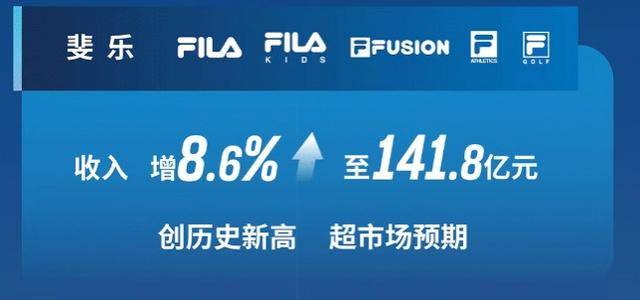
Core Viewpoint - Anta Sports reported a record high revenue of 38.54 billion yuan for the first half of 2025, marking a 14.3% year-on-year increase, alongside a net profit of 7.03 billion yuan, which is a 14.5% growth compared to the previous year [1][3]. Group 1: Financial Performance - The company achieved a revenue of 38.54 billion yuan in the first half of 2025, representing a 14.3% increase year-on-year [1]. - The net profit for the same period was 7.03 billion yuan, showing a 14.5% growth compared to the previous year [1]. Group 2: Brand Performance - FILA - FILA achieved a revenue of 14.18 billion yuan in the first half of 2025, with a year-on-year growth of 8.6% [3]. - The brand is focusing on a high-end strategy and has shown resilience in growth, particularly in the golf and tennis sectors [3][4]. - FILA is enhancing its brand image with the "ONE FILA" initiative and has maintained the top position in fashion perception within the industry [3]. Group 3: Product and Innovation - FILA launched the OPTIMA-SHELL technology for its new breathable shell jacket, catering to urban outdoor wear needs [4]. - The brand is expanding its product offerings with innovative items like POLO shirts, down jackets, and elite running shoes [3][4]. Group 4: Retail Strategy - FILA is accelerating the upgrade of its retail channels and services, with a 30% coverage of its new V6 store image in the first half of 2025 [3][4]. - The brand is focusing on creating stores that cater to specific consumer segments and enhancing the shopping experience [5].
高端运动时尚驱动 斐乐2025年上半年收入141.8亿元
Bei Jing Shang Bao· 2025-08-27 08:07
Core Insights - Anta Group's FILA brand reported a revenue increase of 8.6% year-on-year to 14.18 billion yuan in the first half of 2025, demonstrating resilience above the industry average [1] - FILA focuses on high-end sports fashion and targets middle-class consumers, with significant investments in golf and tennis sectors [1] - The brand has strengthened its market presence through sponsorships and marketing events, including the Volvo China Open and a tennis showcase in Beijing [1] Product and Innovation - FILA launched the OPTIMA-SHELL technology jacket, which offers excellent breathability, waterproofing, and comfort, catering to urban outdoor wear needs [2] - The brand has introduced new store concepts, including the first FILA KIDS art museum store and the FILA GOLF "Master Club" store, enhancing consumer experience [2] - Approximately 30% of FILA's stores have adopted the new V6 store image, significantly boosting store performance [2]
国内运动品牌巨头增长放缓,安踏市值是李宁六倍
Nan Fang Du Shi Bao· 2025-07-19 12:08
Group 1 - Li Ning and Anta both reported a slowdown in growth, with Li Ning's retail performance showing low single-digit growth in Q2 2025 [2][4] - Li Ning's retail points (excluding Li Ning YOUNG) totaled 6099, with a net increase of 11 points in the last quarter but a net decrease of 18 points year-to-date [4] - Anta's core brand achieved mid-single-digit growth, while FILA recorded high single-digit growth, and other brands like DESCENTE and KOLON SPORT saw growth between 60% to 65% [5][8] Group 2 - Anta's retail revenue growth slowed to low single digits from April to June 2025, with FILA maintaining mid-single-digit growth [8] - Anta's total revenue for 2024 reached 708.26 billion yuan, a 13.6% year-on-year increase, and combined with Amer Sports, total revenue surpassed 100 billion yuan for the first time [10] - Non-fan Linyue announced a further acquisition of Li Ning shares, increasing its stake from approximately 11.23% to 12.34% [11]