Honda 0 α

Search documents
日企海外产汽车返销日本数量将创30年来新高
日经中文网· 2025-12-05 02:51
Core Viewpoint - Honda and Suzuki are significantly increasing imports of vehicles from India to Japan, driven by lower labor costs and changing production strategies in the automotive industry [2][4]. Group 1: Import Trends - The sales of "reverse imports" (vehicles imported back to Japan) are projected to reach their highest level in 30 years by 2025, with a year-on-year increase of 19% in the first 11 months of 2025, totaling 102,332 units [2]. - Honda plans to import the Indian-made SUV "WR-V" starting in 2024, with reverse imports expected to reach 35,043 units in the same period [5]. - Suzuki will begin importing the Indian-made SUV "Fronx" in October 2024, with reverse imports increasing ninefold compared to the same period in 2023, reaching 39,009 units [7]. Group 2: Cost Competitiveness - Labor costs in India are significantly lower, with average monthly wages for factory workers in New Delhi at 37,583 rupees (approximately 2,958 RMB), compared to 295,849 yen (approximately 13,500 RMB) in Tokyo, making Indian production about one-fifth the cost of Japan [7]. - The depreciation of the yen has not deterred the increase in reverse imports, as the cost competitiveness of Indian manufacturing remains strong [4][8]. Group 3: Market Dynamics - India is projected to become the third-largest automotive market in the world by 2024, with sales expected to reach 5.22 million units, surpassing Japan's 4.42 million units [7]. - Japan's automotive sales are expected to decline for six consecutive years, falling below 5 million units by 2025 due to a decreasing population [8]. - The Japanese government is considering simplifying certification procedures for U.S. vehicles to increase imports from the U.S. following tariff negotiations [8].


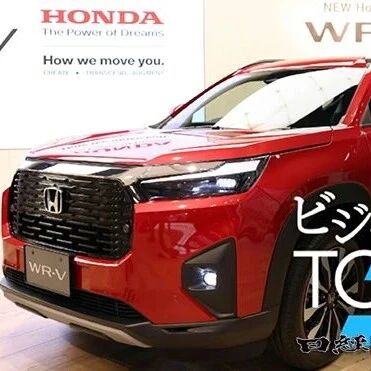
本田将在印度生产并出口EV全球战略车型
3 6 Ke· 2025-11-10 02:46
Core Insights - Honda is set to produce its first global strategic electric vehicle (EV), "Honda 0 α," in India, aiming to enhance cost competitiveness against low-priced EVs from China [2][4] - The company plans to establish India as an export base for the new electric SUV, with a target launch in Japan by the fiscal year 2027 [2][4] - Honda's decision to produce EVs in India is driven by the country's significant market growth potential and lower manufacturing costs compared to Japan [2][4] Group 1 - Honda's "Honda 0 α" will be the first model developed with India as the focal point from the planning stage [2][7] - The Indian automotive market is projected to exceed 7 million annual vehicle sales by 2030, surpassing Japan's current sales [4] - The Indian government aims for a 30% EV adoption rate by 2030, further incentivizing Honda's investment in local production [4] Group 2 - Honda's previous success with the WR-V, a small gasoline SUV produced in India, has influenced the decision to manufacture EVs there, with WR-V sales exceeding monthly targets by four times [7] - The competitive landscape includes Chinese companies like BYD, which have successfully increased their market share in Japan and Southeast Asia through aggressive pricing strategies [7][9] - Concerns about the depreciation of the yen may impact the cost of imported vehicles, highlighting the importance of local production for cost management [9]
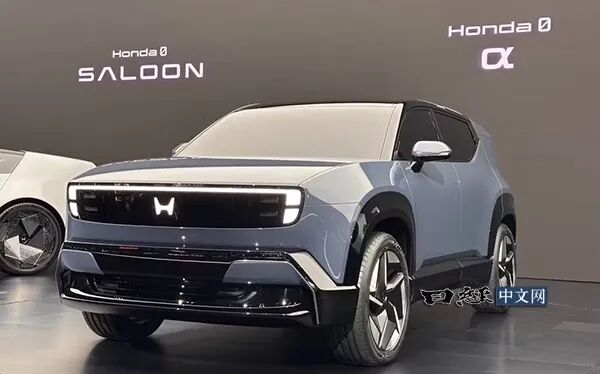
本田将在印度生产并出口EV全球战略车型
日经中文网· 2025-11-09 00:33
Core Viewpoint - Honda is strategically shifting its electric vehicle (EV) production to India to enhance cost competitiveness and respond to the growing demand in the Indian market, while also exporting the "Honda 0 α" model to Japan by 2027 [2][7]. Group 1: Production Strategy - Honda's "Honda 0 α" is the first global strategic model developed with India as the focal point, aiming to leverage India's lower manufacturing costs compared to Japan [2][9]. - The company plans to establish India as the export base for a new electric SUV set to launch in 2027, capitalizing on India's significant market growth potential [2][7]. - Honda's decision to produce EVs in India is influenced by the need to counter the competitive pricing of Chinese EVs in the Asian market [7][9]. Group 2: Market Context - The Indian automotive market is projected to exceed 5 million vehicle sales in 2024, surpassing Japan's 4.42 million, making it the third-largest market globally [7]. - The Indian government aims for a 30% EV penetration rate by 2030, indicating a favorable environment for EV production and sales [7]. - Honda's previous success with the WR-V model in India, which saw orders exceeding four times the monthly sales target, has reinforced the decision to produce EVs in the region [9]. Group 3: Competitive Landscape - The rise of Chinese EV manufacturers, particularly BYD, has created a sense of urgency for Honda to enhance its competitive edge in pricing and production [9][11]. - The current economic climate, including the depreciation of the yen, poses challenges for Honda, as it increases the cost of importing vehicles [11]. Group 4: Future Outlook - The "0" series of models, including the Honda 0 α, is positioned as a vehicle that embodies Honda's vision for transportation, with the aim of stimulating demand among Japanese consumers who are less familiar with EVs [11].
【快讯】每日快讯(2025年11月3日)
乘联分会· 2025-11-03 08:46
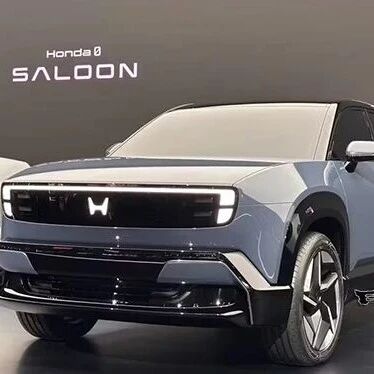
Domestic News - Hainan Province has adjusted the 2025 automobile scrapping and renewal subsidy policy, requiring both the registration location of the scrapped old vehicle and the new vehicle to be in Hainan Province starting from November 4, 2025 [4] - The first batch of L4-level autonomous driving Robotaxi pilot projects has been launched in Shenzhen, with plans to expand the service area and create new job roles in the smart mobility sector [5] - The "Yue Che Nan Xia" policy for Hong Kong has been announced, allowing vehicles from four cities to enter Hong Kong, with specific timelines for parking and entry into the city [6][7][8] - XPeng Motors has released the X9 model featuring the Kunpeng Super Range Extender technology, achieving a comprehensive range of 1602 kilometers, making it the longest-range seven-seater vehicle globally [9] - GAC Group has introduced a cross-year vehicle purchase tax subsidy plan for its brands, offering up to 15,000 yuan in subsidies for eligible vehicles [10] - The new MG4 model has launched a purchase tax cross-year subsidy, providing up to 27,000 yuan in benefits for customers who lock in orders by November 30 [11] - Zeekr has also announced a cross-year purchase tax subsidy plan, covering the tax difference for customers whose vehicles are delayed into 2026, with a maximum subsidy of 15,000 yuan [12] - A strategic partnership has been formed between Gaode and HERE Technologies to provide seamless navigation and ADAS functions for over 30 Chinese automotive brands [13] International News - Hyundai Motor has strengthened its collaboration with NVIDIA to develop mobile solutions and AI capabilities for smart factories, planning to integrate 50,000 Blackwell GPUs for AI model training [14] - Mazda is enhancing its partnership with Nippon Steel to optimize vehicle development and supply chain management, addressing challenges such as rising raw material costs [15] - Honda has unveiled the Honda 0 α, a new pure electric SUV concept, which is expected to launch in 2027 targeting markets in Japan and India [17] - Volkswagen has secured a credit line of 4.25 billion USD from Brazil's national development bank to support the development of hybrid vehicles [18] Commercial Vehicles - A new national standard for the safety of commercial electric vehicle battery swapping has been implemented, promoting the safe and reliable operation of electric commercial vehicles [20] - Shell and FAW Jiefang have introduced an innovative immersion cooling technology for commercial vehicle batteries, enhancing safety and reliability [21] - The Euman Galaxy new energy heavy truck has been launched in Shijiazhuang, achieving strong market response with 115 strategic contracts signed [22] - Suzhou King Long has been recognized as a "National Manufacturing Single Champion Enterprise," highlighting its expertise in high-end public buses and extensive market coverage [23]





Honda unveils 0 α electric SUV; India launch in 2027
The Economic Times· 2025-10-29 06:03
Core Insights - Honda has unveiled the Honda 0 α, a next-generation electric vehicle (EV) designed for both urban and natural environments, set to launch globally in 2027, primarily in Japan and India [1][6] - The Honda 0 α will be Honda's first battery electric vehicle for the Indian market, marking a significant step in the company's electrification strategy [1][6] - Honda aims to achieve carbon neutrality across all products and corporate activities by 2050, despite uncertainties in the electrification market [2][6] Product Lineup - The Honda 0 α will join the Honda 0 Series, which includes the Honda 0 Saloon and Honda 0 SUV, as a gateway model featuring a refined design and spacious cabin [5][6] - The Honda 0 Series represents the next generation of EVs, developed from the brand's roots and original ideas [5][6] - Three models from the Honda 0 Series, including the Honda 0 Saloon, Honda 0 SUV, and Honda 0 α, are expected to be available in Japan before the end of the fiscal year ending March 31, 2028 [6] Strategic Goals - Honda is preparing to introduce attractive EV models as part of its strategy for the electrified era, emphasizing a long-term commitment to the shift toward EVs [2][6] - The company has announced plans to launch multiple electric models in India over the next few years, aligning with its broader aim of achieving carbon neutrality by 2050 [6]