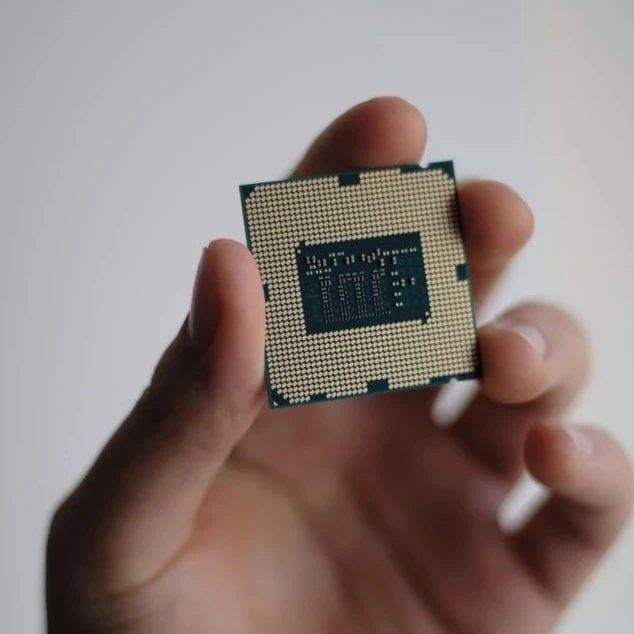
Hopper处理器

Search documents
芯片短缺危机
半导体行业观察· 2026-03-13 01:53
Core Insights - The demand for tokens and AI computing is experiencing explosive growth, driven by advancements in model capabilities and rapid development of intelligent workflows, leading to a surge in user adoption and total token demand [3] - Anthropic has added up to $6 billion in annual recurring revenue (ARR) in February, primarily due to the widespread application of its AI coding platform, Claude Code [3] - Despite significant investments in AI infrastructure over the past few years, available computing resources remain scarce, with rising prices for on-demand GPUs [3][5] Group 1: AI and Semiconductor Demand - The demand for TSMC's N3 logic wafers is primarily driven by consumer electronics, but by 2026, AI will become the main source of demand for N3 wafers as the industry transitions to this technology [10][18] - By 2026, AI-related applications are expected to account for nearly 60% of total N3 chip production, with the remaining 40% for smartphones and CPUs [18] - The transition to N3 technology is being accelerated by major companies like NVIDIA, AMD, Google, and AWS, all of which are moving their AI accelerators to N3 nodes [11][17] Group 2: Supply Chain Constraints - TSMC is facing a silicon chip shortage that is limiting its ability to meet the growing demand for N3 wafers, despite plans to expand capacity [5][23] - The effective utilization rate of N3 processes is expected to exceed 100% by the second half of 2026, as TSMC maximizes its existing production lines [23] - The shortage of memory, particularly DRAM and HBM, is becoming a critical constraint, with HBM capacity experiencing rapid growth due to increased memory requirements for AI accelerators [30][36] Group 3: Market Dynamics - The smartphone market may become a release valve for N3 wafer demand, as expected low growth in smartphone shipments could free up capacity for AI accelerators [26] - If smartphone N3 wafer production is reduced, it could potentially allow for the production of additional AI chips, such as NVIDIA's Rubin GPUs and Google's TPU v7 [26][27] - The competition for HBM and DRAM is intensifying, with memory suppliers needing to adjust their production strategies in response to changing market demands [38][40]


美国财长:不会入股英伟达
半导体芯闻· 2025-08-28 09:55
Core Viewpoint - Nvidia's CEO Jensen Huang dismissed concerns about a potential end to the AI chip spending boom, predicting that the AI market will expand to a multi-trillion dollar scale over the next five years [2] Group 1: Market Outlook - Huang stated that the new industrial revolution has begun, with the AI race currently underway, and projected that AI infrastructure investment could reach $3 trillion to $4 trillion by the end of the century [2] - Nvidia's stock price increase has been driven by demand from large tech companies, hyperscale data center operators, and the Chinese market [2] - Despite Nvidia's stock outperforming the market by approximately 10%, the overall AI sector has shown signs of fatigue, with OpenAI's CEO warning of potential over-excitement among investors [2] Group 2: Financial Performance - Nvidia's third-quarter revenue forecast is approximately $54 billion, slightly above analyst expectations of $53.14 billion, but still considered moderate [3] - Huang emphasized that Nvidia's technological advancements allow clients to process more data while consuming less energy, indicating strong demand [3] - The company reported that a foreign client purchased $650 million worth of downgraded H20 chips aimed at the Chinese market in the previous quarter [3] Group 3: Profitability and Demand - Nvidia's net profit for the second quarter has already surpassed Apple's profit for its fiscal Q3 2025 [4] - The high-end Blackwell chips are nearly fully booked by major clients until 2026, and the previous generation Hopper processors are being rapidly consumed by the market [4] - The rapid growth of AI and substantial capital expenditure plans from hyperscale data center companies suggest that the industry is still in the early stages of an AI boom [4]