Iris激光雷达

Search documents
市值蒸发超540亿,明星上市公司Luminar破产了
Xin Lang Cai Jing· 2025-12-22 02:53
Core Viewpoint - Luminar, once valued at $7.8 billion, filed for Chapter 11 bankruptcy on December 15, 2025, marking a significant decline in the U.S. lidar industry, as it was seen as a leading hope for the sector [1][16][30] Group 1: Company Overview - Luminar was founded in 2012 by Austin Russell with the vision of providing precise environmental perception for vehicles [3][18] - The company became a unicorn in 2017 after raising $36 million in Series B funding, reaching a valuation of over $1 billion [19] - Luminar went public via a SPAC merger in December 2020, raising approximately $600 million and achieving a market cap of $7.8 billion [19][20] Group 2: Business Challenges - Despite initial success, Luminar faced significant challenges, including reliance on a few major clients, particularly Volvo, which led to vulnerability [20][21] - In 2024, Volvo cut its annual order expectations by 75%, exacerbating Luminar's cash flow issues and leading to layoffs and restructuring [5][21] - By the end of 2024, Luminar's cash reserves fell below $100 million, with debts reaching $380 million [5][21] Group 3: Market Dynamics - The global lidar market is shifting, with Chinese manufacturers capturing approximately 92% of the market share by 2024, contrasting with the decline of U.S. players [2][11] - Chinese firms like Hesai and RoboSense have adopted a more diversified approach, focusing on various applications beyond passenger vehicles, which has contributed to their growth [26][27] - Luminar's reliance on a high-cost 1550nm lidar technology limited its competitiveness against the more cost-effective 905nm solutions favored by Chinese manufacturers [7][26] Group 4: Technological Debate - The debate over the necessity of lidar in autonomous driving continues, with figures like Elon Musk arguing that lidar is unnecessary and costly [8][23] - In contrast, companies like WeRide advocate for a multi-sensor fusion approach, emphasizing the importance of lidar for safety in complex driving environments [24][25] - The divergence in technology strategies reflects broader commercial model differences, with Tesla targeting mass-market vehicles and WeRide focusing on commercial applications [10][25] Group 5: Future Outlook - Luminar's bankruptcy signifies a pivotal moment in the lidar industry, indicating a potential restructuring of market leadership towards Chinese firms [28][29] - The future of lidar technology may see continued innovation and competition, with potential disruptions from companies like Apple and Google entering the space [29][30] - Despite current advantages, Chinese manufacturers must remain vigilant against technological disruptions and market fluctuations to maintain their lead [30]
美国败走激光雷达,最后的希望也破产了
3 6 Ke· 2025-12-16 10:22
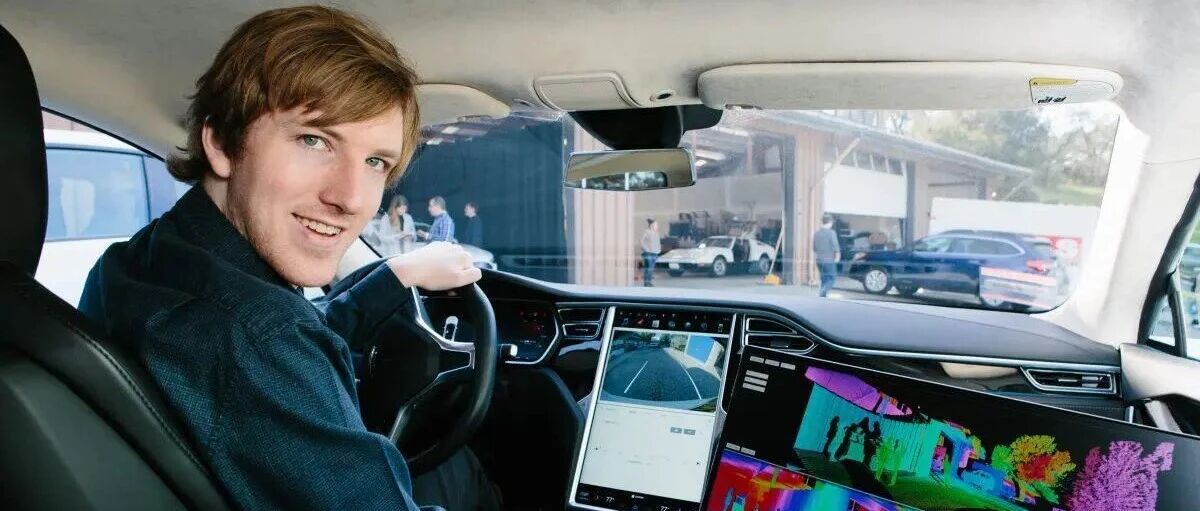
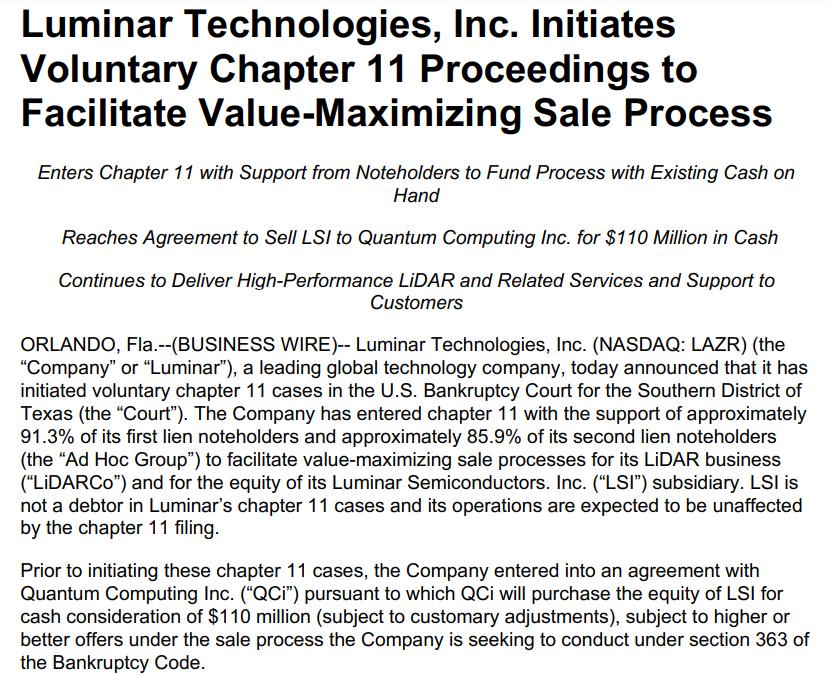
Core Viewpoint - Luminar, once a leading player in the lidar industry, has announced bankruptcy restructuring, with its core business awaiting sale, marking the end of its journey as the last hope for lidar in the U.S. automotive sector [1][2][28]. Company Overview - Luminar was founded in 2012 by Austin Russell, who dropped out of Stanford to pursue innovations in lidar technology [18][21]. - The company gained significant attention and partnerships with major automotive players like Nvidia, Toyota, Volvo, and others, becoming the highest-valued lidar company in the U.S. stock market at its peak [1][21]. Financial Situation - As of the latest reports, Luminar has $74 million in cash and marketable securities against $430 million in debt, indicating a state of insolvency [1][11]. - In Q3, Luminar reported revenues of $18.75 million, which were insufficient to cover operational expenses, leading to a net loss of $85.85 million [9][11]. - The company has been unable to meet its debt obligations, triggering defaults and necessitating a restructuring plan supported by a majority of its creditors [11][12]. Business Challenges - Luminar faced multiple challenges, including layoffs, executive departures, and the termination of a key partnership with Volvo, which significantly impacted its business operations [1][13][27]. - The company struggled to convert its market valuation into actual business performance, with only a few models integrating its lidar technology, leading to unsustainable financial practices [25][27]. Market Context - The U.S. lidar market has seen a decline, with many companies facing similar fates due to high production costs and insufficient demand [28][32]. - Luminar's technology, based on a 1550nm wavelength and a two-dimensional scanning structure, has not been able to compete effectively against cheaper alternatives, leading to its downfall [36][40]. Future Outlook - With Luminar's impending exit from the market, the future of lidar in the U.S. automotive industry appears bleak, with potential reliance on Chinese lidar manufacturers for future developments [1][28][40].

激光雷达先驱,或破产,都怪大客户?
3 6 Ke· 2025-11-18 02:05
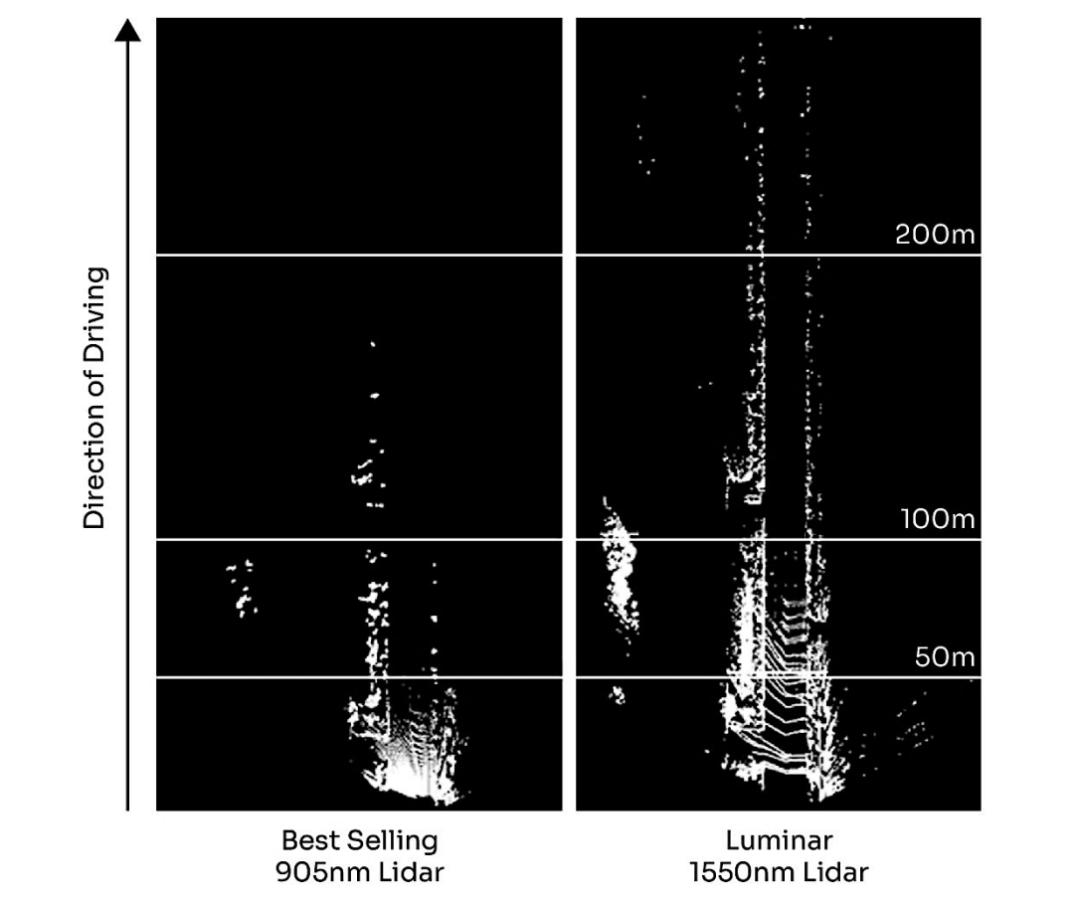
Core Insights - Volvo has canceled its five-year contract with Luminar due to the latter's failure to meet contractual obligations, aiming to limit supply chain risks [1] - Luminar is facing severe financial difficulties, including loan defaults and potential bankruptcy, as it struggles to maintain its business operations [1][8] Company Overview - Luminar, founded by Austin Russell in 2012, specializes in advanced lidar technology for automotive applications, utilizing a 1550nm wavelength for enhanced safety and performance [2][6] - The company has historically relied on partnerships with major automotive manufacturers, notably Volvo, which has significantly contributed to its credibility and market presence [7] Recent Developments - The conflict between Luminar and Volvo became public on October 31, when Volvo announced it would not use Luminar's lidar in its upcoming models, leading Luminar to claim significant losses and halt further commitments [9] - Luminar's CEO has indicated a strategic shift towards non-automotive markets and is considering asset sales or a complete business sale due to uncertainties stemming from the Volvo partnership [8][10] Market Context - The global automotive lidar market is projected to grow significantly, with a compound annual growth rate (CAGR) of 28% from 2024 to 2030, indicating increasing competition and demand for lidar technology [11] - Chinese lidar manufacturers are gaining market share, with companies like Hesai Technology and RoboSense leading the market, while Western firms face challenges in cost and market penetration [15][14] Technological Insights - Luminar's lidar technology offers superior resolution and detection range compared to competitors, with a resolution potential 17 times greater than lower wavelength lidar systems [4][2] - The lidar industry is evolving, with advancements in technology such as VCSELs and new receiver designs enhancing performance and reducing costs, which may impact Luminar's competitive position [16]

再裁1/4员工、CFO也跑了,激光雷达明星公司陷危机
汽车商业评论· 2025-11-04 03:25
Core Viewpoint - Luminar, a prominent player in the autonomous driving technology sector, is facing significant financial distress, with a cash reserve of approximately $72 million and total debt of $429 million, leading to potential operational challenges and workforce reductions [5][6][36]. Financial Situation - As of October 24, Luminar holds about $72 million in cash and securities, while its total debt stands at $429 million [5]. - The company may run out of cash by Q1 2026 if current spending continues, prompting a 25% workforce reduction [5][19]. - Luminar has missed loan interest payments due on October 15, with a grace period until November 6, raising concerns about potential default [22]. Management Changes - CFO Thomas Fennimore is set to leave on November 13, with the company stating his departure is not due to financial disagreements [5][23]. - Founder Austin Russell was removed as CEO in May due to an undisclosed ethical investigation but remains the largest shareholder and is reportedly seeking to buy back the company [24][27]. Business Challenges - Luminar's partnerships with major automakers like Volvo and Mercedes are under strain, with Volvo delaying the launch of models equipped with Luminar's sensors [13][14]. - The company is facing high R&D and manufacturing costs, selling sensors below production costs, and is in a price war to maintain customer relationships [16][34]. - The overall market for lidar technology is slowing, with projections for the global market size in 2025 revised down to $2 billion from $3.5 billion [38]. Industry Context - Luminar's struggles reflect broader challenges in the lidar industry, where companies are experiencing layoffs and stock price declines amid a shift in market dynamics [37][38]. - The automotive supply chain is reassessing risks, with some projects potentially facing delivery delays [39]. - Despite current challenges, Luminar retains some technological advantages, particularly in its 905 nm wavelength lidar performance [39].