
NIO Air AR Glasses

Search documents
汽车AI穿戴设备的赋能与隐忧
Zhong Guo Qi Che Bao Wang· 2026-02-04 12:24
Core Insights - Xiaomi has announced a patent that integrates vehicle and wearable device data to enhance fatigue driving detection and intervention, indicating a shift towards multi-dimensional monitoring for improved driving safety [2][3] - The automotive industry is increasingly focusing on wearable technology, with companies like Xiaomi and Ideal Auto leading the way in developing AI-integrated devices that enhance vehicle safety and user experience [3][5] Group 1: Patent Developments - Xiaomi's patent titled "Fatigue Driving Intervention Method, Device, Vehicle, Equipment, Medium, and Chip" aims to actively identify driving conditions by merging data from wearable devices and vehicle systems, enhancing safety measures [3] - The patent collects data from vehicle sensors and wearable devices, such as heart rate and body temperature, to intelligently recognize and intervene in driver behavior, showcasing a proactive approach to safety [3] - Other companies, like FAW Group, are also exploring similar technologies, indicating a broader trend in the automotive sector towards integrating wearable devices for enhanced vehicle functionality [4] Group 2: Market Trends and Consumer Response - Ideal Auto's AI glasses, launched in December 2022, have gained consumer attention, highlighting the market potential for AI-integrated wearable devices in the automotive sector [5] - The development of wearable technology is seen as a strategic move by automotive companies to create a comprehensive AI ecosystem, expanding functionalities beyond health monitoring to include various lifestyle and productivity tools [5] - The integration of AI technology with wearable devices is expected to enhance user experience and safety, particularly if it can seamlessly connect with in-car navigation and entertainment systems [5] Group 3: Reliability and Safety Concerns - Despite the promising outlook for AI wearable devices in enhancing driving safety, there are significant concerns regarding their reliability and data security, which need to be addressed before widespread adoption [7][9] - Current wearable devices face challenges in monitoring accuracy and system stability, which are critical for ensuring safety in diverse driving conditions [8][9] - Data privacy issues are also a major concern, as these devices collect sensitive user information, necessitating robust security measures to protect against data breaches [9]

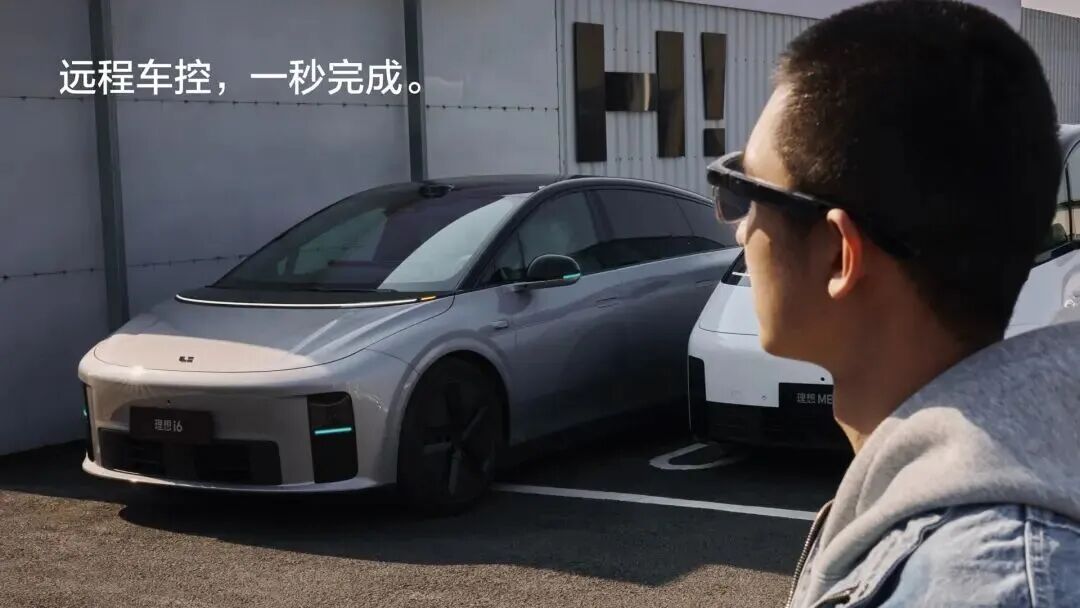
车企集体跨界智能终端 AI入口争夺战中开启生态破局
Zhong Guo Zheng Quan Bao· 2025-12-11 20:31
Core Viewpoint - The launch of Li Auto's AI glasses, Livis, signifies a strategic shift for Chinese electric vehicle manufacturers, expanding competition beyond traditional automotive products into a comprehensive smart ecosystem [1][2]. Group 1: Industry Trends - The current electric vehicle market faces significant homogenization, prompting companies to seek differentiation through smart wearables and digital products [2][3]. - Major players like NIO and XPeng are also venturing into smart devices, indicating a collective industry trend towards integrating technology into user lifestyles [1][2]. Group 2: Product Features and User Engagement - Livis glasses feature a lightweight design at 36 grams, an impressive battery life of 18.8 hours, and deep integration with vehicle systems, enhancing user interaction [1][2]. - The glasses enable quick responses for vehicle controls, such as air conditioning and steering wheel heating, fostering a seamless user experience [2][3]. Group 3: Market Performance and Consumer Behavior - The global smart glasses market is projected to grow, with a 64.2% year-on-year increase in shipments, and automotive-related products contributing 15% to this growth [3]. - Livis achieved over 12,000 orders on its first sales day, with 80% of buyers being existing Li Auto customers, indicating strong brand loyalty and user retention [3]. Group 4: Business Model Challenges - Domestic electric vehicle manufacturers face longer profit cycles in the smart device sector, necessitating innovative business models beyond traditional hardware sales [4][5]. - The comparison with Tesla's successful integration of robotics highlights the need for scale and cost control in developing smart devices [4]. Group 5: Consumer Willingness and Market Potential - A significant 72% of Chinese smart device users are willing to pay a premium for cross-terminal services, compared to only 45% in Western markets, indicating a favorable environment for innovation [5]. - The strategic move towards integrating smart devices into the automotive ecosystem is seen as essential for addressing industry homogenization and capturing AI-driven user engagement [5].


车企集体跨界智能终端AI入口争夺战中开启生态破局
Zhong Guo Zheng Quan Bao· 2025-12-11 20:17
Core Insights - The launch of Li Auto's AI glasses, Livis, signifies a shift in the competitive landscape of the new energy vehicle (NEV) industry, expanding from single automotive products to a comprehensive smart ecosystem [1][2] - Major Chinese NEV companies, including NIO and Xpeng, are diversifying into smart wearables and digital products to break through homogenized competition and capture user engagement in the AI era [1][2] Group 1: Product Features and Market Strategy - Livis features a lightweight design at 36 grams, an impressive battery life of 18.8 hours, and deep integration with vehicle systems, enhancing user interaction and experience [1][2] - The glasses are not standalone hardware but part of a "car + glasses" ecosystem, which increases user stickiness by transitioning customers from car buyers to participants in a smart lifestyle [2][3] Group 2: Industry Trends and Competitive Landscape - The global smart glasses market is experiencing significant growth, with a 64.2% year-on-year increase in shipments, and NEV-related products contributing 15% to this growth [3] - Li Auto's Livis achieved over 12,000 orders on its first sales day, with 80% of orders coming from existing Li Auto vehicle owners, indicating a shift towards an ecosystem competition involving multiple smart terminals [3] Group 3: Business Model and Challenges - Domestic NEV companies face longer profit cycles in their smart device ventures compared to international competitors like Tesla, which has successfully integrated robotics into its business model [4] - The development of smart devices by companies like Xpeng and Li Auto requires substantial investment and innovative business models to ensure long-term cash flow and profitability [4][5] Group 4: Consumer Behavior and Market Potential - A significant 72% of Chinese smart device users are willing to pay a premium for cross-terminal services, compared to only 45% in Western markets, indicating a strong market potential for innovative cross-device solutions [4] - The strategy of extending smart cockpit ecosystems to personal devices is seen as a necessary response to industry homogenization and a way to secure a foothold in the AI-driven market [5]