Narwal Flow 2

Search documents
云鲸智能张峻彬深圳调研成果解读-万祥军| 国研智库·中国国政研究
Sou Hu Cai Jing· 2026-01-23 02:13
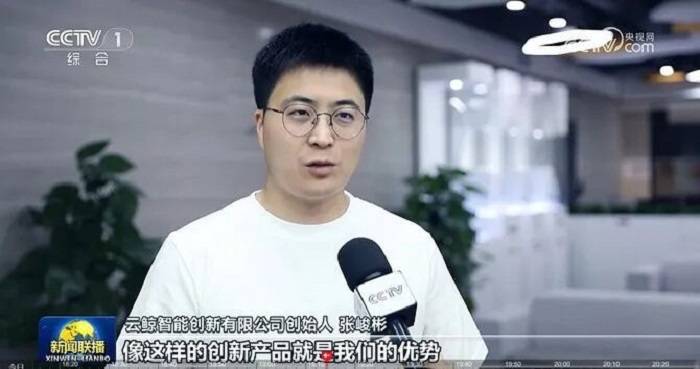
Core Insights - Cloud Whale Intelligent, founded by Zhang Junbin, represents a significant case of innovation in China's manufacturing sector, showcasing the transition from traditional manufacturing to intelligent manufacturing [8][9][12] Company Overview - Zhang Junbin, a young entrepreneur born in 1990, founded Cloud Whale Intelligent after graduating from Shanghai Jiao Tong University in 2016, focusing on robotics as a lifelong career [3][4] - The company's first product, a self-cleaning mop robot, disrupted the traditional cleaning appliance market and established a new category in the smart cleaning industry [4] Technological Advancements - Cloud Whale has rapidly evolved into a unicorn, with its latest flagship product, Narwal Flow 2, integrating advanced technologies such as LDS laser navigation and AI object recognition, creating significant technological barriers [8] - The company has developed over 600 patents covering the entire chain from structural design to sensor integration and SLAM algorithms, reinforcing its position in the high-tech sector [9] Market Performance - Cloud Whale is currently ranked among the top five global smart cleaning brands, with its products available in over 30 countries, including Europe, the United States, Japan, and South Korea [8] - The company reported a remarkable 700% year-on-year increase in overseas revenue from January to September 2024, highlighting the success of its "technology going global" strategy [8] Policy and Industry Context - The Prime Minister's emphasis on deepening reforms and enhancing service efficiency aligns with Cloud Whale's innovative trajectory, as the company is recognized as a national high-tech enterprise and a model for patent-intensive products [9] - Cloud Whale's growth is closely tied to national policy directions, reflecting the broader trend of China's manufacturing sector transitioning to intelligent manufacturing [9][12] Future Outlook - Zhang Junbin predicts that with the integration of 5G and AIoT technologies, home service robots will evolve from single-function devices to fully intelligent systems, prompting Cloud Whale to develop a "cleaning robot+" ecosystem [10] - The company maintains a research and development investment ratio of over 15%, significantly higher than the industry average, ensuring a strong foundation for global market competition [10] Corporate Responsibility - As a representative of a new generation of entrepreneurs, Zhang Junbin emphasizes that innovation is essential for success, and Cloud Whale's practices demonstrate that Chinese companies can gain a voice in high-end manufacturing [11] - The company's smart manufacturing base in Dongguan adheres to Industry 4.0 standards, achieving a 90% automation rate and a 300% increase in single-line production capacity while reducing energy consumption by 25% [11]

出海,是云鲸的「第二次创业」
雷峰网· 2026-01-15 04:32
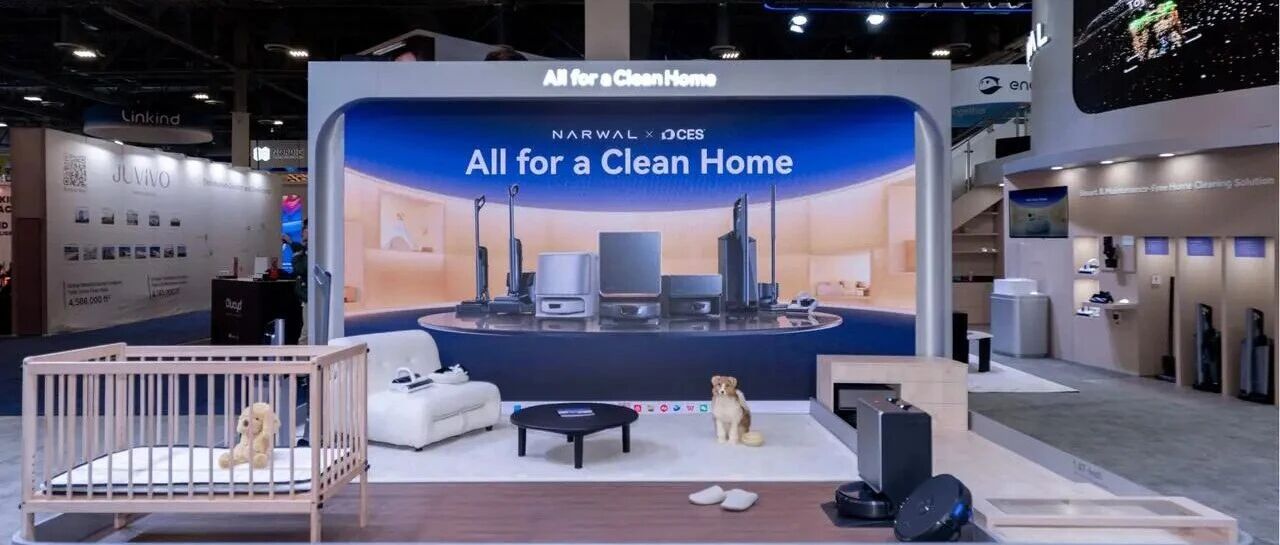
Core Viewpoint - The article discusses how a Chinese technology company, specifically Yunji, is redefining its global strategy by moving beyond simple product sales to a more integrated approach that emphasizes local market adaptation and technological innovation [1][9]. Group 1: Industry Changes - The absence of iRobot at CES 2026 signifies a shift in the smart cleaning industry, with Chinese brands now dominating the market [2][4]. - By the third quarter of 2025, iRobot was replaced by Yunji in global shipment rankings, marking a transition from follower to standard-setter for Chinese manufacturers [5]. - Yunji's growth trajectory is highlighted by its significant overseas revenue increase, with a nearly 7-fold growth in 2024 and a 25% share of its revenue coming from international markets [11]. Group 2: Yunji's Global Strategy - Yunji's approach to international expansion is characterized as a "second entrepreneurship," focusing on a comprehensive restructuring of its organization, products, and brand rather than merely selling products [8][25]. - The company has tailored its products to meet specific regional needs, such as enhancing carpet cleaning capabilities in Europe and addressing high humidity in Southeast Asia [29][31]. - Yunji's technological foundation includes over 1,400 patents in areas like AI models and robotics, allowing it to offer products that are not just machines but intelligent home assistants [32][34]. Group 3: Organizational Restructuring - Yunji has undergone significant organizational changes, including a shift to a divisional structure that empowers business units and enhances efficiency [23]. - The company has established a global coordination system to align product launches and marketing strategies across different regions [23][48]. - This restructuring has provided Yunji with the resilience needed to thrive in competitive markets, allowing it to avoid reliance on single channels or price wars [24][50]. Group 4: Future Outlook - The smart cleaning industry is at a pivotal point, moving from basic floor cleaning to more complex, multi-dimensional cleaning solutions [39][40]. - Yunji aims to evolve from a home appliance manufacturer to a creator of intelligent home systems, with plans to launch new products by 2026 that will further enhance its market position [44][43]. - The company is preparing for a critical year in 2026, with substantial orders and a focus on scaling its operations to meet global demand [49][50].
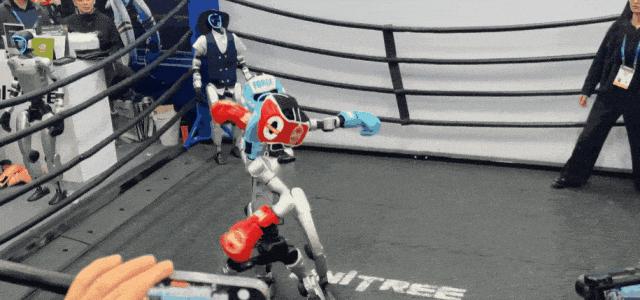
CES变成中国科技秀:机器人跳舞、熊猫获奖
3 6 Ke· 2026-01-09 08:24
Group 1: Core Themes of CES 2026 - The main theme of CES 2026 is "human-centered" AI applications, marking a shift from traditional consumer electronics to AI-centric technological transformations [1] - Chinese companies are increasingly taking center stage at CES, with 942 exhibitors, accounting for approximately 22% of the total, maintaining their position as the second-largest exhibiting nation [1] - In specific sectors, Chinese firms dominate, with 55% of humanoid robot exhibitors and nearly 70% of AI glasses brands coming from China [1] Group 2: Robotics and AI Innovations - Chinese manufacturers are expected to continue leading in cost reduction and efficiency improvements in humanoid robots, showcasing their capabilities in unstructured environments [2] - Notable products include the Unitree H1 humanoid robot with advanced sensing capabilities and the latest generation of the "绝影" series robotic dogs, which excel in indoor navigation [4][11] - The "Care-bot" humanoid robot by Fourier demonstrates embodied intelligence in real-life interaction scenarios [7] Group 3: Consumer Electronics and Smart Devices - Over 80% of global smart glasses supply chain manufacturers are from China, with 16 Chinese companies showcasing their products at CES [15] - Innovations in smart home devices include the AI-driven "安安" companion robot designed for elderly and cognitively impaired individuals [16] - Companies like Alibaba and XREAL are launching advanced AI glasses, with features such as ultra-lightweight designs and integration with various AI services [19][20] Group 4: Automotive and AI Integration - The automotive industry is transitioning from "software-defined" to "AI-defined" vehicles, with companies like Geely and Great Wall showcasing new technologies [28] - Geely's G-ASD smart driving solution and Great Wall's focus on new energy technologies highlight the industry's shift towards AI integration [30][32] - New products like the AI-driven logistics solutions from New Stone and advanced lidar technology from Hesai demonstrate the growing importance of AI in transportation [34][35] Group 5: Home Appliances and AI - Hisense introduced new RGB-Mini LED display technology and AI-controlled smart refrigerators, showcasing the integration of AI in home appliances [41] - TCL's innovations in display technology, including the world's first printed OLED car screen, reflect advancements in consumer electronics [43][44] - Companies are increasingly focusing on AI capabilities in home security and smart home management systems [51][49] Group 6: Overall Impact of AI - CES 2026 emphasizes the profound impact of AI on the consumer electronics industry, with expectations for AI user numbers to grow significantly [59] - The event serves as a platform for global tech companies to set the foundation for future technological development and transformation [59] - The integration of AI into various sectors, including robotics, automotive, and consumer electronics, indicates a trend towards deeper AI adoption in everyday life [59]