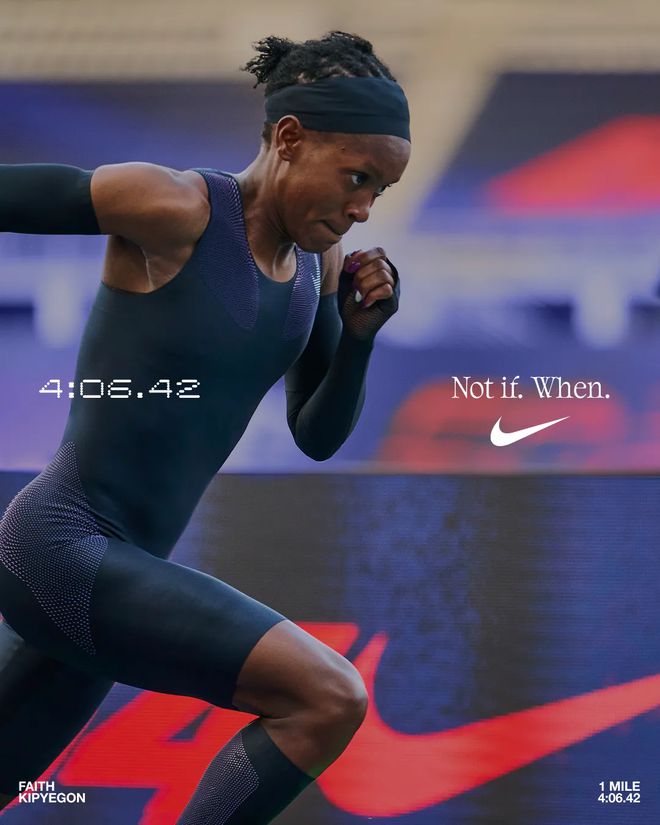
Nike Vomero Premium

Search documents
耐克业绩承压,值得担心吗?
虎嗅APP· 2025-12-25 09:43
Core Viewpoint - Nike is currently facing challenges in the competitive sports footwear market, with its recent financial report indicating a modest revenue growth of 1% year-over-year, but key metrics such as net profit and performance in the Chinese market remain under pressure [2][4]. Group 1: Innovation and Product Development - The introduction of the Nike Mind 001 and Mind 002 shoes represents a shift towards addressing both physical and mental performance, focusing on enhancing athletes' concentration and recovery through innovative design [6][8]. - The Nike Mind series incorporates 22 independent foam nodes in the sole, designed to stimulate the brain and improve awareness and focus, marking a significant innovation in the footwear industry [6][8]. - This approach signifies a departure from traditional metrics of comfort and performance, positioning Nike as a leader in defining what constitutes meaningful innovation in the sportswear sector [8][10]. Group 2: Strategic Management and Organizational Changes - Nike's new CEO, Elliott Hill, has initiated the "WinNow" plan, which aims to refocus the brand on core athletic performance and streamline product development across its major brands [12][15]. - The integration of innovation teams from Nike, Jordan Brand, and Converse is a strategic move to enhance collaboration and reduce redundancy, facilitating faster product development and market responsiveness [16][17]. - Recent financial data shows a balanced channel layout, with self-operated business revenue at $4.6 billion and distributor revenue at $7.5 billion, indicating effective inventory management and market positioning [17]. Group 3: Long-term Growth and Market Positioning - Market concerns regarding Nike's growth potential often stem from short-term financial fluctuations, but focusing on brand strength, innovation, and channel effectiveness is crucial for assessing long-term performance [19][24]. - The recent product launches in running and football, such as the Nike Vomero Premium and Aero-FIT technology, reflect a systematic approach to product matrix restructuring, targeting specific consumer needs and enhancing market penetration [20][22]. - Nike's commitment to innovation, exemplified by projects like Project Amplify, aims to redefine athletic performance and establish a sustainable competitive advantage in the sportswear industry [23][24].


耐克2026财年第二季度财报:复苏进程加速 多维度布局未来
Zheng Quan Ri Bao Wang· 2025-12-24 09:17
Core Insights - Nike reported a revenue of $12.4 billion for Q2 of fiscal year 2026, with inventory assets reduced to $7.7 billion, a 3% decrease compared to the same period last year. The CEO emphasized that Nike's recovery is entering a critical phase, focusing on the "Win Now" plan to prepare for athlete-centered innovations in the next stage [1] Group 1: Strategic Initiatives - Nike is leveraging key sports events as strategic hubs to connect the brand with the sports community, exemplified by its immersive services during the Shanghai Marathon, which included personalized support and professional pacing, leading to significant athlete success [2] - The company is integrating global brand propositions with local culture, as seen during the Greater Bay Area Sports Festival, where it collaborated with local athletes to resonate emotionally with consumers [2] Group 2: Product Innovation - Nike is accelerating innovation across its core categories, launching new products in running and basketball to strengthen market presence and meet diverse consumer needs [3] - The introduction of Nike Mind technology, based on neuroscience, aims to enhance athletes' focus and recovery, marking a significant shift in product development towards mental performance [3] Group 3: Long-term Strategy and Market Response - Nike is adjusting its strategy to focus on product innovation, retail upgrades, and brand differentiation, which has resulted in moderate revenue growth and a resilient product portfolio [4] - Analysts have noted a rational response to Nike's strategic consistency, with many maintaining "hold" or "buy" ratings, reflecting positive market expectations for the company's sustainable business model through transformation [4]
耐克第二季度财报:从库存修复到节奏调整
Mei Ri Jing Ji Xin Wen· 2025-12-23 01:52
Core Insights - Nike reported Q2 FY2026 revenue of $12.4 billion, exceeding analyst expectations, with direct sales at $4.6 billion and wholesale sales at $7.5 billion, reflecting an 8% year-over-year growth [1] - The company's inventory assets decreased to $7.7 billion, down 3% year-over-year, indicating significant progress in inventory management [1][4] - Nike's Greater China revenue reached $1.423 billion, with inventory decreasing in double digits year-over-year, highlighting ongoing challenges in that market [1] Financial Performance - Nike's total revenue for the quarter was $12.4 billion, surpassing analyst forecasts [1] - Direct business revenue was $4.6 billion, while wholesale revenue was $7.5 billion, both contributing to an overall 8% growth [1] - Inventory assets decreased by 3% year-over-year, marking a continuous decline over several quarters [4] Strategic Focus - Nike emphasized its commitment to long-term strategic execution rather than aggressive promotions, focusing on inventory management and channel adjustments to reshape market fundamentals [1] - The company is transitioning from short-term inventory reduction to long-term proactive restructuring [3] - Nike's CEO highlighted the importance of the "Sport Offense" strategy, which aims to center innovation around athletes and enhance brand growth and profitability [1][6] Market Recovery - Different regions are recovering at varying paces, with North America experiencing a 9% revenue growth and wholesale business growing over 20% [4] - Nike's inventory optimization is synchronized with overall organizational efficiency and retail system adjustments, leading to a stable growth model [4] Organizational Changes - Nike has restructured its management to enhance decision-making efficiency, allowing key regional leaders to report directly to the global CEO [5] - This reduction in hierarchy is expected to facilitate quicker responses to market changes, particularly in the Greater China region [5] Brand Positioning - Nike's focus on sports has strengthened its brand influence, as evidenced by its performance in recent marathons, where its athletes achieved top placements [6][7] - The company is leveraging local insights to create relatable marketing narratives, enhancing its connection with younger consumers [8] Innovation and Product Development - Nike is restructuring its innovation framework by integrating its Nike, Jordan, and Converse brands into a unified "athlete-centric" innovation engine [9] - The company is launching new products in various categories, including running and basketball, with a focus on performance and market-specific needs [10] - Upcoming innovations include the Mind 001 and Mind 002 shoes, which apply neuroscience principles to enhance athletic performance [11]
耐克发布第二季度财报,战略成果初显,区域市场复苏
Guan Cha Zhe Wang· 2025-12-19 03:36
Core Insights - The market's scrutiny of sports giants has shifted from simple data assessment to a deeper validation of their recovery paths, with Nike's Q2 FY2026 earnings report serving as a clear progress check for its "Win Now" plan [1] - The focus is on whether indicators signaling future momentum have emerged amid Nike's transformation and adjustment [1] Financial Performance - Nike reported a revenue of $12.4 billion for the quarter, with direct sales contributing $4.6 billion and wholesale sales $7.5 billion, reflecting an 8% year-over-year increase [1] - The company's inventory assets stood at $7.7 billion, a 3% decrease compared to the same period last year, indicating a return to healthier inventory levels [1] - Revenue from the Greater China region was $1.423 billion, with inventory decreasing in double digits year-over-year [1] Strategic Direction - Nike's North American market performance serves as a bellwether, showing a 9% year-over-year growth and a 12% quarter-over-quarter increase, driven by "inventory health" and "retail ecosystem upgrades" [2] - The ongoing optimization of inventory structure is crucial for recovery, as evidenced by the decrease in inventory assets, which facilitates the efficient launch of seasonal and innovative products [2] - A significant retail ecosystem upgrade is underway globally, transforming stores into centers for brand experience and community connection [2] Market-Specific Initiatives - In China, Nike is implementing a comprehensive upgrade of key stores in major cities, focusing on a "sports-centric" approach based on local customer analysis [3] - A specific store in Beijing saw a 25% year-over-year increase in sales for its running category after a strategic renovation [5] Product Innovation - Nike is accelerating product innovation through organizational changes, integrating its Nike, Jordan, and Converse brands into a unified innovation engine [7] - The company is launching new products across various categories, including running and basketball, with positive consumer responses [9] - Nike's introduction of the Project Amplify, a functional dynamic shoe system, marks a significant innovation in merging power systems with sports gear [12] Future Outlook - Nike's strategic focus on athlete needs and cutting-edge sports science is shaping its future, with a clear transformation process evident in the current quarter [13] - Analysts are optimistic about Nike's recovery path, with 36 analysts rating the company as "buy" or "hold," indicating confidence in its growth prospects [13]
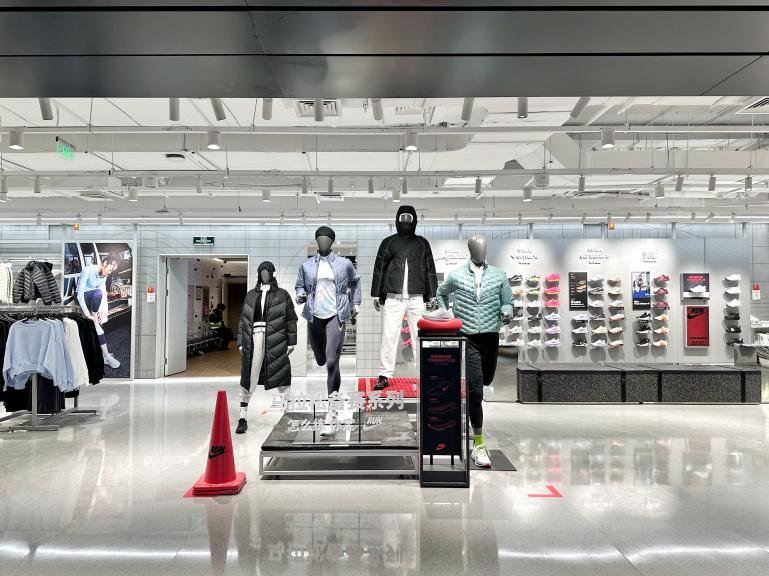
耐克CEO上任一周年中国行,能否找回失落的“主场”?
36氪未来消费· 2025-10-25 08:12
Core Viewpoint - The return of Elliott Hill as CEO of Nike is seen as a critical strategy to address the company's stagnation in growth and declining stock prices, following a significant drop in revenue and market value [2][5]. Group 1: Financial Performance - In the fiscal year 2024, Nike reported annual revenue of $51.4 billion, a slight increase of 0.3% year-on-year, but the stock price plummeted by 20% after the earnings report, resulting in a market value loss of approximately $28.41 billion [2]. - For the first quarter of fiscal year 2026, Nike achieved revenue of $11.7 billion, a 1% year-on-year growth, although net profit decreased by 31% to $727 million, with revenue and profit exceeding market expectations [5]. Group 2: Market Challenges - Nike faced a 10% decline in revenue in the Greater China region, marking the fifth consecutive quarter of negative growth, which is significant given its previous role as a growth pillar during the pandemic [5][15]. - The company has been losing market share to local brands like Anta and Li-Ning, which have made significant advancements in technology and consumer engagement, capturing nearly 40% of the market share in 2025 [16][17]. Group 3: Strategic Changes - Upon his return, Hill implemented the "Win Now" strategy and made significant organizational changes, including restoring relationships with key wholesale partners and focusing on product innovation [5][12]. - Nike's product strategy has shifted to emphasize innovation, with new product launches in running and basketball categories, leading to a 20% growth in the running business in the first quarter of fiscal year 2026 [12][13]. Group 4: Future Outlook - Hill's leadership aims to reposition Nike as a creative-driven company focused on innovation rooted in sports, emphasizing the importance of the Chinese market and the potential for long-term growth despite current challenges [20]. - The appointment of Dong Wei as the chairman and CEO for Greater China indicates a strategic focus on enhancing Nike's presence in the outdoor segment and addressing the competitive landscape in the region [18][20].

营收超预期、库存连降,耐克CEO贺雁峰最新答卷:以“运动”为锚,曙光已见
Cai Jing Wang· 2025-10-10 06:38
Core Insights - Nike's Q1 FY2026 financial report indicates signs of recovery with revenue of $11.7 billion, a slight increase of 1% year-over-year, surpassing market analysts' expectations [2] - The dealer business generated $6.8 billion in revenue, significantly exceeding the $4.5 billion from direct sales, becoming a key driver of growth [2] - Global inventory decreased by 2% to $8.1 billion, with a notable 11% reduction in Greater China, reflecting effective inventory management [2] Strategic Actions - Under CEO Elliott Hill's leadership, Nike has focused on "sports" as the core strategy, implementing the "Win Now" plan through organizational restructuring, product innovation, market ecosystem restoration, brand value redefinition, and localized execution [3] - Organizational restructuring aimed to refocus Nike on "sports" by breaking down business units into sport-specific segments, allowing for targeted efforts in running, basketball, and soccer [4] - The team has successfully rebuilt relationships with wholesale partners, recovering lost market shelf space and driving the dealer business back to growth, with dealer revenue accounting for over 58% of total revenue [5][6] Inventory Management - Effective inventory management has been a critical component of the "Win Now" plan, with global inventory assets decreasing to $8.1 billion and significant improvements in inventory turnover efficiency [6] - The reduction in inventory levels for previously over-reliant classic series like Air Force 1 and Dunk has created space for seasonal product replenishment and new product launches [6] Brand Value Rebuilding - Nike is focusing on brand value reconstruction by emphasizing key sports moments and increasing innovation investments, leading to a gradual recovery in brand visibility since mid-2024 [7] - Recent marketing initiatives, including collaborations with top athletes and immersive experiences, have reinforced Nike's commitment to its core "sports" identity [7] Future Growth Strategy - Despite the positive Q1 FY2026 results, Nike acknowledges the complexity of recovery across different business areas, emphasizing that progress will not be linear [9] - The "Win Now" plan will continue to drive strategic focus, product innovation, and channel optimization to support comprehensive recovery across all categories and regions [10] Product Innovation - Nike is intensifying investments in core categories such as running, basketball, and soccer, with new product launches aimed at enhancing competitive advantage [11][12] - The company is also targeting women's and children's markets with innovative products and collaborations, expanding its reach in these segments [14][15] Financial Outlook - Capital markets are showing optimism regarding Nike's long-term profitability, with RBC upgrading its rating to "outperform" and raising the target price to $90, anticipating significant revenue contributions from the 2026 World Cup [16] - The resilience of Nike's supply chain, with production expanded to multiple countries, positions the company to better withstand market fluctuations and policy risks [16] Conclusion - Over the past year, Nike has laid a solid foundation for transformation, with a focus on the "Win Now" plan, core category innovation, and leveraging upcoming events like the World Cup to drive sustainable growth [17]
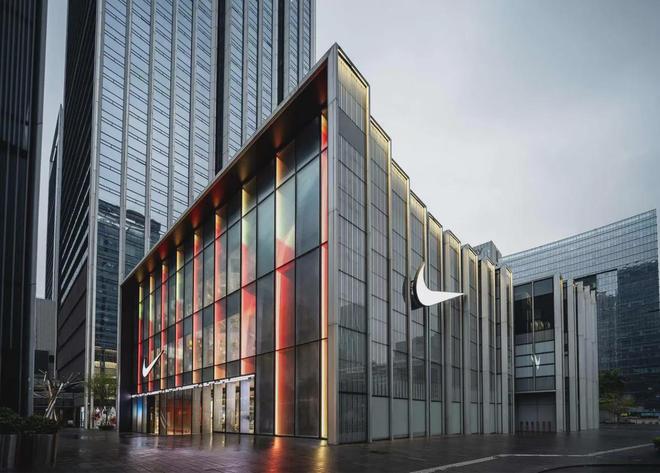
跑鞋单品销售额超1亿 耐克最新财报释放信心 盘后大涨
Guan Cha Zhe Wang· 2025-06-27 05:59
Core Insights - Nike reported Q4 revenue of $11.1 billion and total annual revenue of $46.3 billion, exceeding analyst expectations, leading to a post-earnings stock price increase of over 10% [1] - CEO Elliott Hill emphasized the ongoing "Win Now" strategy aimed at brand transformation and sustainable growth, with a focus on sports-driven adjustments in the upcoming fiscal year [1][12] - The Greater China region generated $6.585 billion in annual revenue, with Q4 revenue reaching $1.476 billion, reflecting significant investment in localized product development and brand narrative [1][2] Financial Performance - Q4 revenue was $11.1 billion, surpassing analyst forecasts [1] - Annual revenue totaled $46.3 billion [1] - Greater China revenue for the year was $6.585 billion, with Q4 contributing $1.476 billion [1] Strategic Initiatives - The "Win Now" strategy is a proactive brand transformation effort, focusing on sustainable development and market differentiation [1] - The company is enhancing its local partnerships and strategies in China, leveraging over 40 years of experience in the market [2] - Nike is actively expanding into new markets and enhancing its product offerings, particularly in the running and basketball sectors [6][7] Product Innovations - The running segment has become a key growth driver, with new product lines like Vomero, Structure, and Pegasus tailored to meet diverse runner needs [6] - Nike's Vaporfly 4 and Streakfly 2 are high-performance products reinforcing its leadership in competitive running [8] - The company is focusing on women's sports gear innovation, highlighted by the success of the "VictoryLap" event and the After Dark Tour [10] Market Engagement - Nike is deepening its engagement in the outdoor segment by sponsoring top-tier events and establishing training camps to strengthen its community presence [10] - The brand is also focusing on building emotional connections with consumers through localized basketball initiatives and community events [7][10] - The recent record-breaking achievement by athlete Faith Kipyegon showcases Nike's commitment to innovation and its role in inspiring athletes globally [3][5]