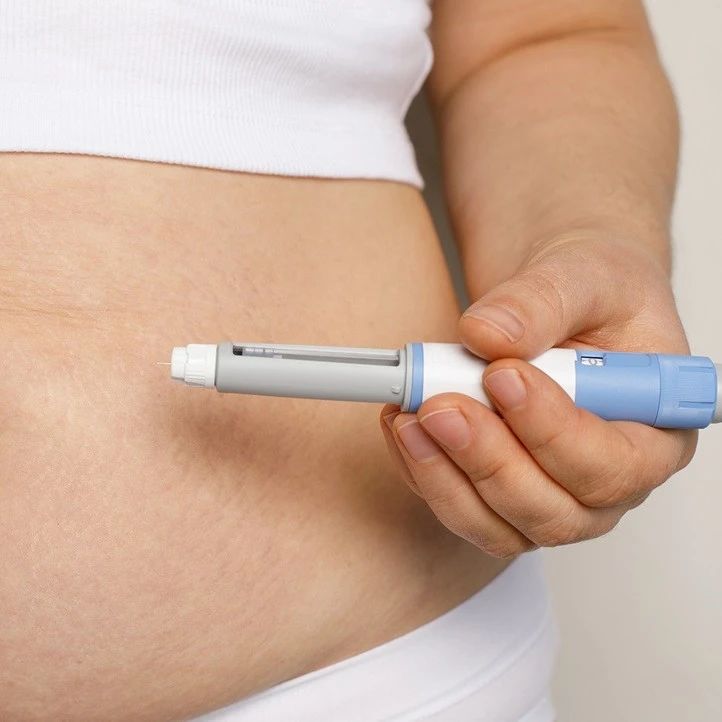
Ozempic(司美格鲁肽)

Search documents
美国医保宣布下调15种药品价格,司美格鲁肽大砍71%
Hua Er Jie Jian Wen· 2025-11-26 05:47
Core Points - The U.S. Centers for Medicare and Medicaid Services (CMS) announced new price agreements for prescription drugs, including a significant price reduction for Novo Nordisk's popular diabetes and weight loss drug Ozempic [1][2] - The price of Ozempic and Wegovy will be reduced by 71% to $274 per month starting in 2027, as part of the second round of drug price negotiations authorized by the Inflation Reduction Act [1][3] - The negotiation covers 15 drugs that account for 15% of Medicare Part D spending in 2024, totaling $42.5 billion, with estimated savings of $12 billion for taxpayers and $685 million for beneficiaries by 2027 [2][3] Drug Price Reductions - The negotiated prices for Ozempic and Wegovy are significantly lower than their current list prices, with Ozempic's price dropping from $959 to $274 [3] - Other drugs also face substantial price reductions, such as GSK's Trelegy Ellipta, which will see a 73% decrease from $654 to $175, and Pfizer's Ibrance, which will drop 50% from $15,741 to $7,871 [3][4] - The discounts range from 38% to 85%, with the negotiated prices reflecting what Medicare pays to manufacturers rather than what patients pay directly [3][4] Market Reaction - Despite the significant price cuts, the stock prices of Novo Nordisk and Pfizer remained stable, indicating that the market had largely anticipated these outcomes [4] - Analysts noted that the new price for Ozempic aligns closely with previously assumed net price levels, suggesting limited impact on the actual revenue received by the companies [4] Industry Response - Novo Nordisk appears to be adjusting its strategy by offering Ozempic and Wegovy directly to consumers at a price of $349 per month to compete with Eli Lilly [5] - The pharmaceutical industry, including Novo Nordisk, has expressed strong opposition to government price-setting, with ongoing legal challenges against the implementation of these price negotiations [6] - The current negotiation mechanism, while rooted in Biden-era legislation, is being utilized by the Trump administration as part of its health agenda, highlighting the ongoing political dynamics in U.S. healthcare policy [2][6]

美股异动丨礼来、诺和诺德盘初跌超4%,特朗普称减肥药价格将大幅下降
Ge Long Hui· 2025-10-17 13:52
Core Viewpoint - The announcement by former President Trump regarding the potential price reduction of the weight loss drug Ozempic has led to significant declines in the stock prices of Eli Lilly and Novo Nordisk, with both companies experiencing drops of over 4% in early trading [1] Company Summary - Eli Lilly's stock price fell to $783.84, while Novo Nordisk's stock price dropped to $53.66 following Trump's comments [1] - Trump's statement indicated that the price of Ozempic, currently priced at approximately $1,000 per month in the U.S., could be reduced to as low as $150 per month [1] - Eli Lilly's similar drugs include Wegovy and Zepbound, which may also be affected by the pricing discussions [1] Industry Summary - The potential price reduction for Ozempic could significantly impact the pharmaceutical industry, particularly in the weight loss drug segment [1] - The Centers for Medicare & Medicaid Services, represented by Mehmet Oz, clarified that negotiations regarding the drug prices are still ongoing, indicating that the situation remains fluid [1]
特朗普称减肥药价格将大幅下降 相关药企股价下挫
Ge Long Hui A P P· 2025-10-17 00:02
Group 1 - The core point of the article is that former President Trump suggested that the price of the weight loss drug Ozempic could drop to $150 per month, causing stock prices of Eli Lilly and Novo Nordisk to decline in after-hours trading [1] - Ozempic is currently priced at approximately $1,000 per month in the U.S., and Trump's statement indicates a potential significant reduction in self-pay prices for these medications [1] - Trump's comments also included similar drugs produced by Eli Lilly, such as Wegovy and Zepbound, which are in the same category as Ozempic [1] Group 2 - The head of the Centers for Medicare and Medicaid Services, Mehmet Oz, quickly clarified that price negotiations for these drugs are still ongoing, indicating that the price reduction is not yet finalized [1]

诺和诺德(NVO.US)正测试Ozempic治疗阿尔茨海默症 试验结果今年秋季揭晓
Zhi Tong Cai Jing· 2025-09-04 06:56
Core Insights - The application of GLP-1 drugs, particularly Ozempic (semaglutide), has expanded significantly since its introduction seven years ago, with current testing for its effects on Alzheimer's disease by Novo Nordisk [1][2] - A Danish health registry study indicated that diabetes patients using GLP-1 drugs had a 20% lower risk of being diagnosed with dementia compared to those using other treatments, prompting Novo Nordisk to explore the potential of these drugs for Alzheimer's [1] Group 1 - Novo Nordisk is set to release clinical trial results for Ozempic involving over 3,500 mild Alzheimer's patients in early December, with expectations that successful outcomes could revolutionize Alzheimer's treatment [2] - UBS analysts estimate a 10% chance for Novo Nordisk to achieve an additional $15 billion in annual sales from the Alzheimer's treatment market if the trials are successful [2] - Current Alzheimer's medications primarily target amyloid proteins, while semaglutide may work by reducing inflammation and altering glucose utilization in the brain, linking diabetes and dementia risk [2]
速递|美国国会议员呼吁FDA:打击司美格鲁肽等GLP-1仿制减重药泛滥!
GLP1减重宝典· 2025-07-26 05:08
Core Viewpoint - A bipartisan group of over 80 U.S. lawmakers is urging the FDA to enhance regulation of the growing market for counterfeit and illegal weight loss drugs, citing rising safety concerns [2][4]. Group 1: Legislative Actions - Lawmakers have sent a letter to the FDA, expressing concern over the surge of illegal and counterfeit anti-obesity medications, particularly generics of GLP-1 drugs like Wegovy and Zepbound [2]. - The initiative is led by Representatives Richard Hudson and Herb Conaway, who are calling for stricter enforcement against illegal weight loss drugs, including monitoring of online retailers and compounding pharmacies [2][4]. - They have requested a written response from the FDA by July 30 to reflect the urgency of the issue [4]. Group 2: FDA's Response and Actions - An FDA spokesperson stated that the agency will work with the HHS to provide a comprehensive response to the lawmakers' concerns, emphasizing the importance of ensuring the safety of the U.S. drug supply [5]. - The FDA has acknowledged the rise of counterfeit GLP-1 drugs in the market and has previously allowed some pharmacies to compound these medications during supply shortages, but this permission has since been revoked as production capacity has increased [5][6]. Group 3: Market Concerns and Risks - Counterfeit drugs are often produced by unlicensed entities using illegally imported ingredients, posing significant health risks to patients [6]. - Some patients are resorting to purchasing raw materials online to compound their medications at home, which is highly risky [6]. - The FDA has confirmed that some hospitalizations may be linked to these counterfeit drugs, although adverse reactions may be underreported [6]. Group 4: Industry Response - Companies like Novo Nordisk and Eli Lilly have been urging consumers not to use compounded or counterfeit GLP-1 products and have taken legal action against telehealth companies providing these products [6]. - There is increasing pressure on federal regulators to balance the rising demand for GLP-1 drugs with the proliferation of counterfeit products, which is becoming a critical challenge for the FDA [7].