
Vital Pursuit

Search documents
How weight-loss drugs are destroying big snacking, erasing billions in sales
Invezz· 2026-01-17 10:09
Core Insights - The rise of GLP-1 drugs is not just altering dietary habits but fundamentally reshaping the food and beverage industry, leading to a significant decline in consumer spending on traditional snacks and meals [1][3][28] Consumer Behavior Changes - Grocery budgets have decreased by 5.3% to 8.2% in six months, with higher-income households cutting spending by up to 8.6%, particularly impacting the snack aisle [2] - 66% of GLP-1 users have reduced their snacking frequency, with significant changes in taste and appetite reported by 85% of users [4][5] - The medications suppress hunger cravings, leading to a permanent demand destruction in traditional food categories [3][5] Industry Impact - KPMG forecasts a $48 billion annual reduction in food and beverage spending through 2034, indicating a long-term shift rather than a temporary dip [3] - Traditional food industry strategies, which rely on consumer cravings, are becoming obsolete as appetite suppression alters consumer behavior [4][5] Market Fragmentation - By 2030, 35% of U.S. households will include a GLP-1 user, leading to a bifurcated market where one segment seeks nutrient-dense options and the other continues traditional snacking [16][29] - The demand for protein snacks is projected to grow significantly, with the market expected to expand from $4.92 billion to $10.83 billion by 2035 [18] Company Performance - Companies like PepsiCo and Mondelez International are experiencing declines in snack volumes, with PepsiCo reporting five consecutive quarters of declining savory snack volume [9][10] - Hershey has acknowledged a significant year-over-year decline in net sales for salty snacks, indicating broader structural concerns in the industry [10] Strategic Adaptation - Leading companies are pivoting towards healthier, protein-rich products, with Nestlé launching a line of frozen meals designed for GLP-1 users [22] - Venture capital is increasingly flowing into health-focused food innovations, reflecting a shift towards nutrient-dense consumption rather than traditional snacking [25][26] Future Outlook - The companies that will thrive are those that adapt to the new consumer landscape shaped by GLP-1 drugs, focusing on intentional consumption rather than impulse-driven purchases [28][29]



2025年第39周:食品饮料行业周度市场观察
艾瑞咨询· 2025-09-30 00:07
Group 1 - Consumer acceptance of prepared dishes varies significantly based on dining scenarios, with over 50% acceptance in fast food chains and only 8.8% in high-end restaurants, highlighting concerns over food safety and pricing [3] - The iced tea market is experiencing a resurgence, with brands like Nongfu Spring and Yuanqi Forest entering the space, focusing on "sugar reduction" and "carbonation" innovations, and the market is projected to reach 300 billion yuan by 2024 [4] - The global food and beverage industry sees PepsiCo reclaiming the top spot with revenues exceeding 90 billion USD, driven by product innovation and AI technology, while Nestlé and JBS follow closely [5] Group 2 - The rise of "supermarket canteens" and "restaurant supermarkets" reflects a trend towards blending dining experiences, driven by consumer demand for value and fresh ingredients, although it increases operational complexity [6] - The dairy market faces challenges with liquid milk experiencing a decline, while powdered milk and cheese show growth, indicating a shift in consumer preferences towards plant-based alternatives [8] - The tea beverage industry is shifting towards fast-moving consumer goods, with brands like Mixue Ice Cream rapidly expanding, while competition intensifies in lower-tier cities [9] Group 3 - Bamboo sugar and reed root water have emerged as popular health drinks, driven by trends towards natural, low-sugar products and cultural resonance, with a projected compound annual growth rate exceeding 88% over the next five years [10] - The night economy is becoming a significant growth driver for the restaurant industry, with cities like Shanghai and Chengdu seeing nighttime consumption rates reach 60% [14] - The tea restaurant sector is undergoing transformation due to innovation challenges, with a market size expected to exceed 300 billion yuan by 2025 [15] Group 4 - The bottled beverage market is seeing a rise in "construction site drinks," favored for their affordability and large volume, despite health concerns [16] - The ice cream market is diversifying, with mini and cultural-themed ice creams gaining popularity, reflecting a shift towards health-conscious and personalized consumption [17] - The instant noodle market is projected to grow, with China accounting for 37.2% of global demand, emphasizing the need for product innovation [19] Group 5 - The launch of a new high-end sugar-free tea by Master Kong sold out rapidly, indicating strong consumer demand for premium products in the sugar-free beverage market, which is expected to reach 401.6 billion yuan in 2023 [20] - The sugar-free beverage market is evolving, with consumers seeking transparency in ingredients and health benefits, leading to increased competition among brands [21] - Subway's collaboration with Michelin-star chefs to launch a new series of sandwiches reflects a deepening localization strategy in the Chinese market [22] Group 6 - Three Squirrels has introduced a new quality standard for pine nut products, aiming to enhance industry standards and meet consumer demand for high-quality nuts [24] - Wahaha's rebranding to "Wah Xiaozong" under the leadership of Zong Fuli aims to attract younger consumers while addressing compliance issues [25] - Zhou Hei Ya's promotional campaign targeting college students highlights efforts to regain market share amid declining revenues [26] Group 7 - The beverage brand Bawang Chaji has gained international recognition by winning multiple awards at the 2025 World Beverage Innovation Awards, showcasing the potential of Chinese tea brands [28] - Pupu Supermarket's launch of an affordable meal delivery service aims to capture market share in the competitive food delivery sector [29] - Yili's new concept store emphasizes fresh, made-to-order products, reflecting a shift in consumer preferences towards quality and innovation [30]

为“减肥针”用户打造的健身课,成了一门新生意
3 6 Ke· 2025-07-09 23:48
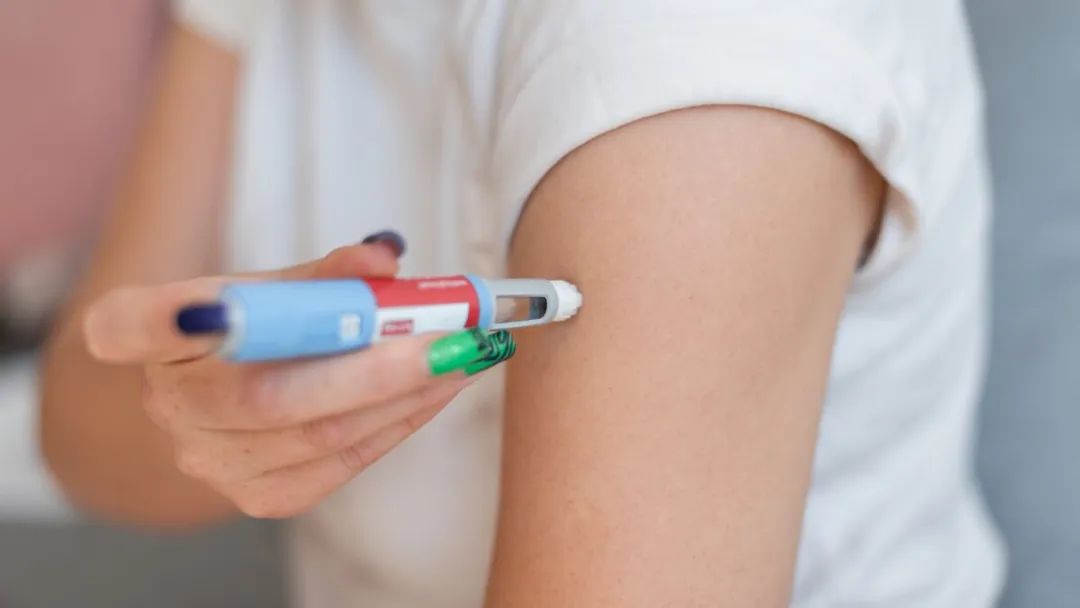
Core Insights - The rise of GLP-1 weight loss drugs, exemplified by Ozempic, is transforming weight loss into a more direct and rapid process, but it also necessitates a greater focus on fitness due to muscle loss during weight reduction [1][3][5] - The fitness industry is innovating to cater to the growing demographic of GLP-1 users, with gyms developing specialized programs to attract this new customer base [1][10] Group 1: Impact on Health and Fitness - GLP-1 drugs reduce appetite, leading to significant weight loss, but approximately 25% to 33% of this weight loss comes from muscle mass, which poses health risks, especially for older adults and postmenopausal women [3][5] - Users of GLP-1 medications often experience side effects such as nausea and reduced appetite, which can lead to nutritional deficiencies and decreased energy levels, making it challenging to maintain a regular fitness routine [8][9] - Customized fitness programs for GLP-1 users are emerging, focusing on resistance training and nutritional education to help users establish healthier habits [10][12] Group 2: Industry Response and Opportunities - Fitness chains like Equinox are launching GLP-1 protocols to train coaches on the drug's mechanisms and how to tailor fitness plans for users, expanding this training globally [12][14] - Companies are developing products specifically for GLP-1 users, such as Nestlé's Vital Pursuit line, which emphasizes high protein and small portions to meet the new dietary needs of this demographic [18][20] - The market for weight loss drugs is projected to grow significantly, with Morgan Stanley increasing its estimate for the global weight loss drug market to $150 billion by 2035, indicating a substantial opportunity for related industries [26]
科尔尼全球合伙人刘晓龙出席2025全国糖酒会主论坛,暨《全球食品饮料行业趋势洞察报告》首发
科尔尼管理咨询· 2025-03-25 09:51
在全球化浪潮下,食品饮料行业正经历着深刻变革与创新发展。消费者需求日益多元,市场格局不断重塑,从传 统美味到健康潮流,从本土特色到国际融合,食品行业正站在新的历史交汇点,亟待探索新的发展方向与增长机 遇。 第112届全国糖酒商品交易会主论坛——CFDF食饮产业发展大会,于2025年3月25日在成都举行。全国糖酒会始于 1955年,是中国食品酒类行业历史悠久、规模庞大、影响深远的综合性展会。 本次会议以"探索产业创新 引领行业发展"为题,通过主题演讲和圆桌对话等方式,共同探讨中国食品和饮料行业 所面临的新挑战,推动食品饮料行业高质量发展。 科尔尼全球合伙人刘晓龙受邀参与演讲环节,分享科尔尼重磅行业洞见——《全球食品饮料行业趋势洞察报 告》,以下为报告主要内容。 站在2025年的窗口,食品饮料行业正经历供需关系的深层重构——消费需求的碎片化、生产技术的 颠覆性、资源分配的不确定性交织碰撞。 纵观全球食品饮料行业的近几年发展趋势,我们可以将其划分为三个发展阶段:部分趋势已进入成 熟阶段,如0糖/低糖产品、中央厨房模式等;部分技术正处于快速商业化进程中,如本文重点分析的 15个趋势;此外还存在一些尚处萌芽阶段的前沿技 ...