
Zhong Yang Ji Wei Guo Jia Jian Wei Wang Zhan

Search documents
广西壮族自治区党委原副书记蓝天立被双开
Zhong Yang Ji Wei Guo Jia Jian Wei Wang Zhan· 2025-12-04 08:49
经中共中央批准,中央纪委国家监委对第二十届中央委员,广西壮族自治区党委原副书记、自治区政府 原主席蓝天立严重违纪违法问题进行了立案审查调查。 经查,蓝天立丧失理想信念,背弃初心使命,违背新发展理念和高质量发展要求,贯彻落实党中央重大 决策部署打折扣、搞变通,丧失党性原则,在党内搞拉帮结派,培植个人势力,搞投机钻营,结交政治 骗子,对抗组织审查;违反中央八项规定精神,违规接受宴请;违反组织原则,违规选拔任用干部;廉洁底 线失守,违规收受礼品、礼金;家风不正,对家人失管失教;目无法纪,贪婪无度,利用职务便利为他人 在工程项目承揽、干部选拔任用等方面谋利,并非法收受巨额财物。 蓝天立严重违反党的政治纪律、组织纪律、廉洁纪律和生活纪律,构成严重职务违法并涉嫌受贿犯罪, 且在党的十八大后不收敛、不收手,性质严重,影响恶劣,应予严肃处理。依据《中国共产党纪律处分 条例》《中华人民共和国监察法》《中华人民共和国公职人员政务处分法》等有关规定,经中央纪委常 委会会议研究并报中央政治局会议审议,决定给予蓝天立开除党籍处分;由国家监委给予其开除公职处 分;终止其党的二十大代表、广西壮族自治区第十二次党代会代表资格;收缴其违纪违法 ...
“金色名片”更光更亮——中央八项规定出台十三周年
Zhong Yang Ji Wei Guo Jia Jian Wei Wang Zhan· 2025-12-04 06:27
0:00 责编:秦雅楠、王瑞景 ...
山东省临沂市人大常委会原党组副书记、副主任徐福田接受纪律审查和监察调查
Zhong Yang Ji Wei Guo Jia Jian Wei Wang Zhan· 2025-12-04 02:11
中央纪委国家监委网站讯 据山东省纪委监委消息:山东省临沂市人大常委会原党组副书记、副主任徐 福田涉嫌严重违纪违法,目前正接受山东省纪委监委纪律审查和监察调查。 (山东省纪委监委) ...
山东省济南市委常委,济南高新技术产业开发区党工委书记、管委会主任孙斌接受纪律审查和监察调查
Zhong Yang Ji Wei Guo Jia Jian Wei Wang Zhan· 2025-12-04 02:05
Group 1 - The core point of the article is that Sun Bin, a member of the Jinan Municipal Committee and the Party Secretary of the Jinan High-tech Industrial Development Zone, is under investigation for serious violations of discipline and law [1] Group 2 - The investigation is being conducted by the Shandong Provincial Commission for Discipline Inspection and the Supervisory Commission [2]
学有所悟丨传承红色基因 赓续红色血脉
Zhong Yang Ji Wei Guo Jia Jian Wei Wang Zhan· 2025-12-04 00:15
Group 1 - The core message emphasizes the importance of red culture and resources in guiding the Chinese Communist Party (CCP) and its members, particularly the youth, to inherit the revolutionary spirit and continue the legacy of the Party [1][2][3] - Xi Jinping highlighted that the red bloodline represents the political essence of the CCP, showcasing the sacrifices made by revolutionary martyrs throughout history, which form the spiritual foundation of the Party [2][3] - The revolutionary culture is described as a valuable spiritual asset that has been cultivated through the Party's long history of struggle, serving as a source of motivation and strength for current and future endeavors [3][4] Group 2 - The article stresses the need to utilize red resources effectively, including revolutionary museums and memorials, to educate the public and instill a sense of patriotism and Party loyalty, particularly among the youth [5][6] - It is noted that the Party's glorious traditions and fine conduct are essential for distinguishing it from other political entities, and these should be actively promoted to inspire and unite the members [5][6] - The importance of learning from historical experiences is emphasized, suggesting that these lessons can provide wisdom and guidance for navigating new challenges in the context of modern Chinese development [6]
管住基层小微权力
Zhong Yang Ji Wei Guo Jia Jian Wei Wang Zhan· 2025-12-04 00:15
Group 1 - The regulation of grassroots micro-powers is crucial for the implementation of the Party's policies and directly impacts the interests of the people [1][2] - Establishing a clear management system for grassroots power, including a power list and operational procedures, is essential to prevent abuse and ensure accountability [1][3] - A dynamic adjustment mechanism for power operation should be established to keep the power boundaries clear and operations standardized [1] Group 2 - Integrating various supervisory forces is key to forming a cohesive supervision network, especially in areas closely related to public interests [2][3] - The implementation of a "2+1+N" model for supervisory staffing aims to strengthen oversight at the grassroots level [2] - Utilizing big data technology for real-time monitoring and risk warning in grassroots power operations can enhance proactive supervision [2] Group 3 - A strict approach to law enforcement and governance is necessary to deter corruption and misconduct at the grassroots level [3][4] - Targeted governance should focus on specific issues such as rural collective asset management and the distribution of welfare funds [3] - The integration of clean governance initiatives with rural governance is essential for optimizing the supervision system at the village level [3] Group 4 - The establishment of public disclosure systems for party affairs, village affairs, and financial management is vital for reducing opportunities for corruption [4] - Regular evaluations of the implementation of these systems will help ensure compliance and minimize bureaucratic inefficiencies [4]
书记谈丨以贯通协同“两个责任”抓纲带目
Zhong Yang Ji Wei Guo Jia Jian Wei Wang Zhan· 2025-12-04 00:14
Group 1 - The core message emphasizes the importance of strengthening the political responsibility and supervisory responsibility of comprehensive and strict governance of the Party, as highlighted by General Secretary Xi Jinping [2][5][6] - The "two responsibilities" framework is crucial for enhancing political supervision, ensuring that the Party's political line is effectively implemented [5][9] - The establishment of a clear responsibility system is essential for the comprehensive and strict governance of the Party, marking a mature stage in the Party's construction system [6][11] Group 2 - The "two responsibilities" are seen as a significant innovation in the Party's construction theory, evolving through various Party congresses and emphasizing accountability [4][7] - The Party organizations and leading cadres are collectively responsible for the comprehensive and strict governance of the Party, with a focus on the leading role of the Party committees [7][10] - The supervisory role of the disciplinary inspection and supervision agencies is critical in ensuring the effective implementation of the "two responsibilities" [8][12] Group 3 - The implementation of the "two responsibilities" framework is aimed at creating a collaborative governance model, enhancing the effectiveness of Party discipline and supervision [9][10] - Continuous efforts are being made to deepen the integration of anti-corruption measures and strict governance, focusing on both prevention and accountability [12] - The emphasis on regular supervision and accountability mechanisms is intended to maintain a high-pressure environment against corruption and misconduct within the Party [11][12]

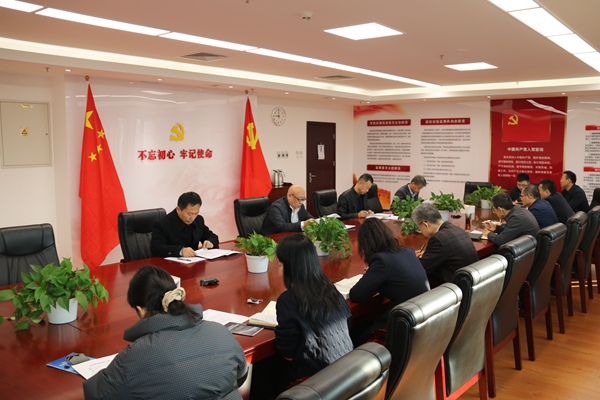
理论视野丨深入把握新时代担当作为内在要求
Zhong Yang Ji Wei Guo Jia Jian Wei Wang Zhan· 2025-12-04 00:14
Core Viewpoint - The essence of the article emphasizes the importance of responsibility and action among Communist Party members, highlighting that these qualities are fundamental to their political character and duties [1]. Group 1: Ideological Foundation - Firm ideals and beliefs are essential for taking responsibility and action, guiding Party members through challenges and maintaining a clear political stance [2][3]. - The historical context shows that steadfast ideals have enabled Party members to overcome significant adversities and achieve revolutionary victories [2]. Group 2: People-Centric Approach - The principle of putting people first is a fundamental starting point for responsibility and action, aligning with Marxist views that prioritize the needs and aspirations of the populace [4][5]. - Party members are urged to address the most pressing issues faced by the public, ensuring their interests are prioritized in decision-making processes [5]. Group 3: Systematic Perspective - A systematic approach is crucial for effective responsibility and action, allowing Party members to understand the interconnectedness of various issues and optimize overall outcomes [6][7]. - Emphasizing comprehensive, coordinated, and sustainable development is necessary for addressing the complexities of modern governance [7]. Group 4: Capacity Building - Continuous improvement of skills and qualities is vital for Party members to fulfill their responsibilities effectively, encompassing political, moral, and professional development [8][9]. - Challenges in enhancing capabilities include a lack of experience and a tendency towards a superficial approach, which need to be addressed through targeted training and support [9][10]. Group 5: Accountability and Commitment - The article stresses that responsibility is a fundamental quality for Party members, requiring them to confront challenges head-on and uphold the principles of the Party and the interests of the people [11].
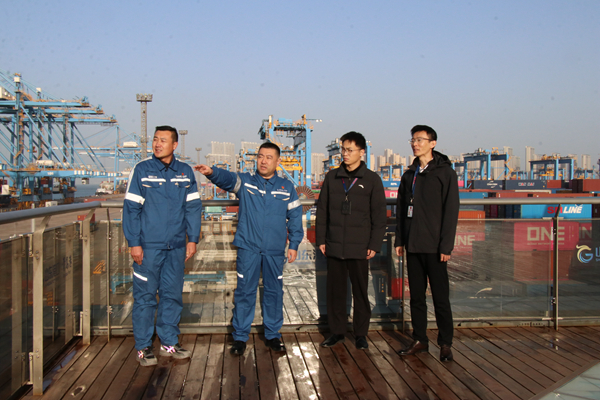
监督保障经略海洋战略落地落实来自青岛西海岸新区的调研
Zhong Yang Ji Wei Guo Jia Jian Wei Wang Zhan· 2025-12-04 00:14
Core Insights - The article emphasizes the importance of political supervision in implementing the Central Committee's decisions and promoting high-quality development, particularly in the context of building a maritime power in China [1][4][5] Group 1: Political Supervision and Maritime Strategy - Political supervision is essential for ensuring the implementation of the maritime strategy, as highlighted by Xi Jinping's emphasis on the significance of the ocean in high-quality development [5][6] - The Qingdao West Coast New Area, as the first national-level new area focused on maritime economic development, plays a crucial role in advancing the maritime power strategy [1][5] - The area covers approximately 5,000 square kilometers of sea and has a coastline of 309 kilometers, providing unique advantages for integrated development [5] Group 2: Challenges and Risks - The Qingdao West Coast New Area faces various challenges, including insufficient innovation in marine sectors, lack of integration between port, industry, and city, and limited influence as a national-level new area [6] - There are concerns regarding the internal capabilities of the workforce, with some officials lacking motivation and innovative spirit [6] Group 3: Implementation of Political Supervision - The Yellow Island District's disciplinary inspection and supervision body focuses on ensuring the implementation of the maritime strategy by developing supervision plans and tracking progress [5][9] - Daily supervision is crucial for identifying issues and ensuring that the Party's policies are effectively implemented [10] - Special supervision is employed to address specific issues related to maritime policies and projects, ensuring accountability and addressing corruption [11] Group 4: Systematic Governance and Coordination - A comprehensive supervision system is necessary for modern governance, with an emphasis on integrating various supervisory resources and enhancing collaboration [14][17] - The district's disciplinary body aims to strengthen the political ecosystem by balancing strict management with support for proactive initiatives [13][15] - Coordination between different supervisory bodies is essential for addressing systemic issues and ensuring effective governance [16][17]
向世界讲好中国廉洁故事
Zhong Yang Ji Wei Guo Jia Jian Wei Wang Zhan· 2025-12-04 00:14
Group 1 - The core viewpoint emphasizes the importance of enhancing the international communication capabilities of mainstream media to present a credible and admirable image of China, particularly through the lens of the new era's clean culture as a significant narrative in anti-corruption efforts [1] - The new era's clean culture is highlighted as an essential part of the political culture within the Party, reflecting Chinese characteristics and wisdom, which can help establish a positive national image on the international stage [1][2] - The article stresses the need to effectively communicate the stories of clean culture, showcasing its origins and its role in shaping the spiritual world of the Chinese nation, while also emphasizing the achievements in anti-corruption since the 18th National Congress [2] Group 2 - A multi-faceted communication framework is proposed, where mainstream media should actively set topics and share experiences of clean culture in a way that resonates with international audiences [3] - Collaboration among various sectors, including enterprises, universities, and civil organizations, is essential to present the advancements in clean culture from diverse perspectives [3] - The article calls for the expansion of communication channels and platforms for international dialogue to enhance the global recognition of clean culture [3] Group 3 - Precision in communication is crucial, focusing not only on what to say but also on understanding what the audience wants to hear and how to make it comprehensible [4] - The need for differentiated communication strategies based on the social customs and values of different regions is emphasized, including the use of local historical references to make clean culture relatable [4][5] - The article discusses the importance of addressing the unique cultural characteristics while also finding common values that resonate universally, such as the pursuit of justice and the importance of family [5]