Huan Qiu Wang Zi Xun

Search documents
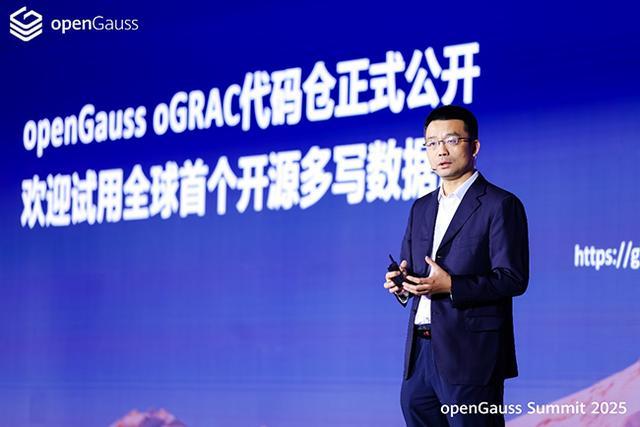
openGauss社区正式发布业界首个开源多写数据库oGRAC
Huan Qiu Wang Zi Xun· 2025-12-29 05:23
Core Insights - The openGauss community has launched the industry's first open-source multi-write database architecture, oGRAC, marking a significant milestone in the database industry [1][3]. Group 1: Technical Breakthroughs - The oGRAC architecture aims to provide high availability and linear scalability while supporting multi-node read and write operations [4]. - Key innovations include an in-place update engine that utilizes undo-based consistency snapshot pages, achieving page-level MVCC (Multi-Version Concurrency Control) and significantly enhancing high-concurrency data access [4]. - In testing environments, oGRAC has demonstrated a throughput capacity of 3.5 million tpmC, positioning it as a leader in performance within the industry [4]. Group 2: High Availability and Resource Efficiency - The database core supports incremental checkpoints and global cluster management, ensuring a recovery point objective (RPO) of 0, which guarantees zero data loss [5]. - The architecture introduces a distributed caching mechanism and distributed lock service, achieving a linear scalability ratio of 0.82, allowing for over 50% savings in computing and storage resources compared to traditional solutions [5]. Group 3: Open Source Ecosystem - The openGauss community emphasizes the importance of open source as a driving force for technological innovation and industry progress, inviting global developers and partners to collaborate on the exploration and application of multi-write databases [6]. - The release of oGRAC provides a new, open, and reliable foundational software choice for industries such as finance, telecommunications, energy, and the internet, which have stringent requirements for data consistency and high availability [6].

自主创新筑基 普惠致远 贵州农信携手华为书写金融科技新篇
Huan Qiu Wang Zi Xun· 2025-12-29 05:23
Core Insights - The digital transformation of regional financial institutions, particularly Guizhou Rural Credit Union, is gaining new opportunities and challenges amid the deepening of national financial innovation and the comprehensive promotion of rural revitalization strategies [1][8] - Guizhou Rural Credit Union has partnered with Huawei to develop a new generation of fully autonomous innovative core systems, setting a benchmark for the integration of independent innovation and inclusive financial services for small and medium-sized financial institutions [1][3] Group 1: Business Context - Guizhou Rural Credit Union has been committed to serving rural areas since its establishment in 2003, becoming the largest financial institution in the province with a focus on agriculture and rural finance [1][2] - The institution's client base consists of small-scale farmers and individual businesses, requiring low-cost, efficient financial services that can adapt to the unique geographical challenges of Guizhou [2][6] Group 2: Technological Advancements - The collaboration with Huawei has led to the construction of a new core system over 520 days, achieving significant breakthroughs in technology, business capabilities, and service efficiency [3][6] - The new system features a distributed microservice architecture, enhancing flexibility and scalability, and has improved transaction processing capabilities significantly, with peak transaction volumes exceeding 30,000 transactions per minute [3][6] Group 3: Operational Efficiency - The new system has reduced loan approval times from days to hours, with some standardized products available within minutes, greatly enhancing the responsiveness to farmers' financial needs [6][8] - The reliability of the system has reached 99.99%, supporting future business growth and accommodating over 10 million daily transactions [6][8] Group 4: Future Directions - Guizhou Rural Credit Union aims to deepen its digital transformation by focusing on governance, risk prevention, and collaboration, while exploring AI applications in various financial services [7][8] - The successful implementation of this digital transformation serves as a model for other financial institutions with limited resources, promoting a scalable approach to financial technology innovation [7][8]
癌症两大特征背后藏着同一调控机制
Huan Qiu Wang Zi Xun· 2025-12-29 01:55
Core Insights - The research led by the Technical University of Dresden reveals a common molecular regulatory mechanism behind two classic cancer features: evasion of apoptosis and metabolic dysregulation [1] - The protein MCL1, previously considered solely an "anti-apoptotic factor," is shown to not only help cancer cells survive but also directly regulate their energy and growth signals [1] Group 1: Cancer Mechanisms - Apoptosis is a crucial process for eliminating abnormal or damaged cells, serving as a key defense against tumor development [1] - Tumor cells often achieve sustained growth by inhibiting apoptosis, with MCL1 being highly expressed in various tumors [1] - The understanding of MCL1's role in tumors has been limited to its function in preventing programmed cell death, underestimating its true impact [1] Group 2: Molecular Interactions - MCL1 is found to directly influence the mTOR signaling pathway, which is essential for integrating nutrient, energy, and growth signals in cells [1] - The direct functional link between MCL1 and the mTORC1 complex affects the energy supply and metabolic state of cancer cells [1] - This discovery connects two previously independent cancer mechanisms, highlighting MCL1's broader role in tumor biology [1] Group 3: Clinical Implications - The research addresses a long-standing clinical issue where multiple MCL1 inhibitor trials were halted due to severe cardiac toxicity [2] - The study elucidates the molecular mechanism behind this toxicity and proposes dietary intervention strategies to significantly reduce the risk of cardiac damage [2] - This advancement in understanding MCL1 inhibitors' cardiac toxicity is crucial for facilitating the re-entry of related therapies into clinical settings [2]
工信部人形机器人与具身智能标委会在京成立
Huan Qiu Wang Zi Xun· 2025-12-29 01:55
人形机器人(上海)有限公司首席科学家江磊等多位委员代表发言,承诺履职尽责引领行业规范。谢少 锋总结强调,要聚焦开源、数据等关键领域突破,完善标准体系,强化政策支持与伦理治理,标委会将 助力产业开启规范协作的高质量发展新篇章。 来源:科技日报 科技日报记者 华凌 12月26日,工业和信息化部(以下简称工信部)人形机器人与具身智能标准化技术委员会(以下简 称"标委会")成立大会在北京举行。 现场,工信部副部长柯吉欣在致辞中表示,党中央高度重视人形机器人与具身智能等未来产业发展,当 前成立标委会恰逢其时,要加强高质量标准供给、构建协同发展生态、前瞻布局国际标准,提升产业国 际竞争力。 全国政协常委、中国电子学会理事长徐晓兰指出,人形机器人是多技术集大成者,已成为新质生产力典 型代表。作为标委会秘书处单位,中国电子学会将构建"敏捷迭代"标准供给机制、强化"全链条"协同生 态、深化"应用为先"贯标机制、推动建立"主导型"标准体系。 会上,工信部科技司魏巍司长宣读标委会成立公告,柯吉欣,徐晓兰,工信部总工程师、标委会主任委 员谢少锋,中国电子学会理事会党委书记张峰共同为标委会揭牌;柯吉欣为谢少锋颁发标委会主任委员 聘书, ...

新一代轮式机器人G2在浙江宁波“上岗”测试
Huan Qiu Wang Zi Xun· 2025-12-29 01:41
Core Insights - The "Junpu Intelligent-Zhiyuan Joint R&D Laboratory" has announced the operational testing of the new generation wheeled robot G2, marking a significant step in advancing artificial intelligence from "perceptual intelligence" to "executive intelligence" in industrial flexible manufacturing [1][2] Group 1: Laboratory and Development Focus - The joint laboratory aims to create a versatile intelligent toolchain system focused on core process units in industrial scenarios [1] - Current research emphasizes system framework construction, core algorithm optimization, and equipment collaboration capabilities to establish a stable and reliable underlying support system for industrial intelligent devices [1] Group 2: Algorithm and Performance Metrics - The laboratory has adopted a "human-machine loop-sample efficient reinforcement learning" paradigm, achieving micrometer-level contact flexible assembly with a robot system success rate of approximately 99% and a reinforcement learning placement success rate of 99.33% [1] - The visual grasping success rate stands at 100%, showcasing the effectiveness of the developed algorithms [1] Group 3: Robot G2 Capabilities - The G2 robot has achieved integrated "hand-eye-body-network" collaboration, providing replicable and scalable intelligent solutions for the flexible upgrade and high-quality development of the manufacturing industry [2] - G2 operates with an average task cycle of 15.28 seconds, with the fastest cycle reaching 12.97 seconds, and supports mixed deployment of multiple machines and data sharing [1]

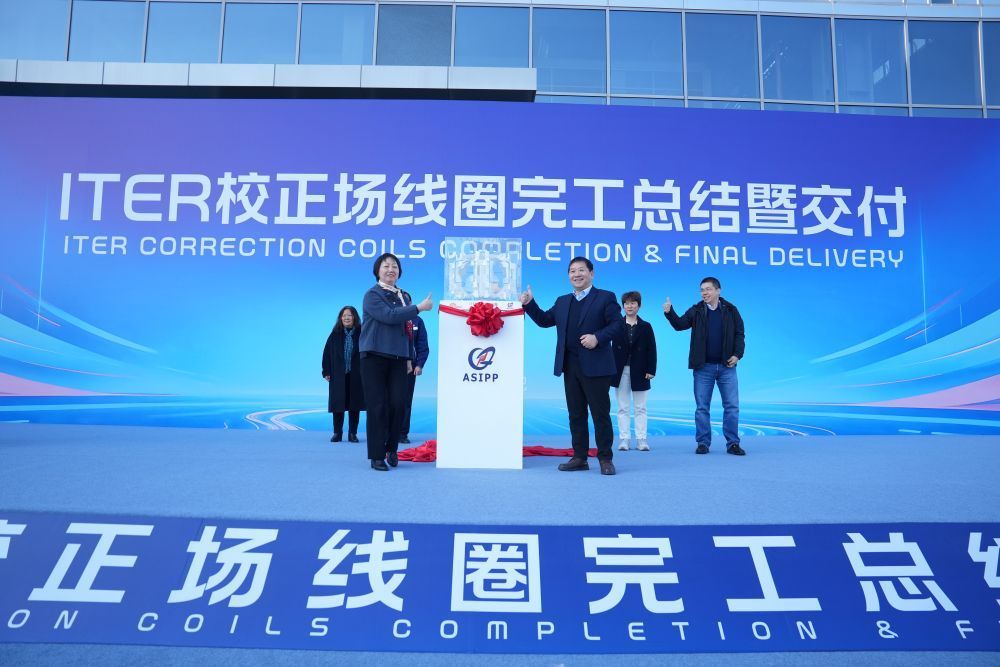
国际热核聚变实验堆计划校正场线圈采购包完成交付
Huan Qiu Wang Zi Xun· 2025-12-29 01:41
来源:科技日报 科技日报记者 洪敬谱 28日上午,中国科学院合肥物质科学研究院等离子体物理研究所(以下简称"合肥物质院等离子体所")传来喜讯,由该所牵头承担的国际热核 聚变实验堆(ITER)计划校正场线圈采购包,顺利完成全部制造工程,最后4个校正场线圈竣工并正式交付,这标志着该采购包的制造任务全 面收官。 据悉,ITER是目前全球规模最大、最复杂的托卡马克装置。ITER计划校正场线圈共有三组18个线圈,分别均匀分布于ITER装置主机的顶部、 中部、底部三个区域,是ITER装置主机最重要的磁体系统之一。校正场线圈能否成功研制并如期完成安装,直接影响ITER装置等离子体运行 参数。 作为ITER中国工作组重要单位之一,合肥物质院等离子体所承担了超导导体、校正场线圈等多项采购包、工程总装及数十项合同任务,占中 国参与ITER份额的绝大部分。该所依靠自主研发掌握聚变工程系列关键技术,交付进度与产品质量在ITER七方中位居前列,创造多项第一, 为ITER计划推进贡献核心中国力量。 Delivery ATLER 1 - 0 t IS A- DITERS BERE BERT STORES NIFIC al : 20 0 F ...
城市排水系统有了“智慧诊疗仪”
Huan Qiu Wang Zi Xun· 2025-12-29 01:27
地下排水暗涵承担着重要的城市排水功能,其运行状况关系到城市水环境的安全与稳定。然而,受大坡 度、高含固率、厚淤积等复杂运行环境影响,传统排查手段效率低、风险高,难以实现精准检测。针对 这一难题,中电建生态环境集团联合多家单位组成研发团队,历经多年攻关,形成了一体化智慧诊断技 术体系。 据项目负责人、中电建生态环境集团副总经理王寒涛介绍,该技术体系包含的暗涵清淤一体化装备,可 实现清淤效率提升3—6倍,显著降低了有限空间的作业风险,有效缓解了暗涵"肠梗阻"问题;同时,通 过首创机器人—无人船协同检测系统,集成激光雷达、多波束声呐等传感设备,结合点云自动识别算 法,实现了对管网结构的高精度探查,排口定位精度达98%以上。 来源:科技日报 科技日报记者 马爱平 近日,由中电建生态环境集团有限公司(以下简称"中电建生态环境集团")牵头完成的"城镇排水系统 暗涵排查诊断关键技术与设备"项目,获2025年度工程建设科学技术奖一等奖。 据了解,该技术体系已在广东、湖北、上海等多个省市的水环境治理项目中推广应用,展现出良好的成 熟度与适应性,为城镇排水系统高效运行、维护提供了科技支撑。 ...
全球首台30兆瓦级纯氢燃气轮机投用
Huan Qiu Wang Zi Xun· 2025-12-29 01:27
Core Viewpoint - The successful operation of the world's first 30 MW pure hydrogen gas turbine, "Jupiter-1," marks a significant advancement in hydrogen power generation and energy storage solutions, transitioning from concept to reality [1] Group 1: Project Overview - The "Jupiter-1" project integrates wind power, solar energy, and water electrolysis to create a "green electricity to green hydrogen, and back to electricity" energy conversion model [1] - This project addresses the challenge of excess renewable energy consumption and provides a viable, integrated solution for a new energy system dominated by renewables [1] Group 2: Environmental Impact - Compared to conventional thermal power generation units of the same capacity, the "Jupiter-1" pure hydrogen gas turbine can reduce carbon emissions by over 200,000 tons annually [1] - The combined cycle generates 48,000 kWh of electricity per hour, sufficient to meet the daily electricity needs of 5,500 households [1] Group 3: Future Implications - The successful demonstration of the pure hydrogen gas turbine validates its potential as a flexible peak-shaving solution for the power grid, enabling large-scale integration of renewable energy sources [1] - The technology is expected to enhance the safety and stability of new power systems by complementing variable energy sources like wind and solar [1]
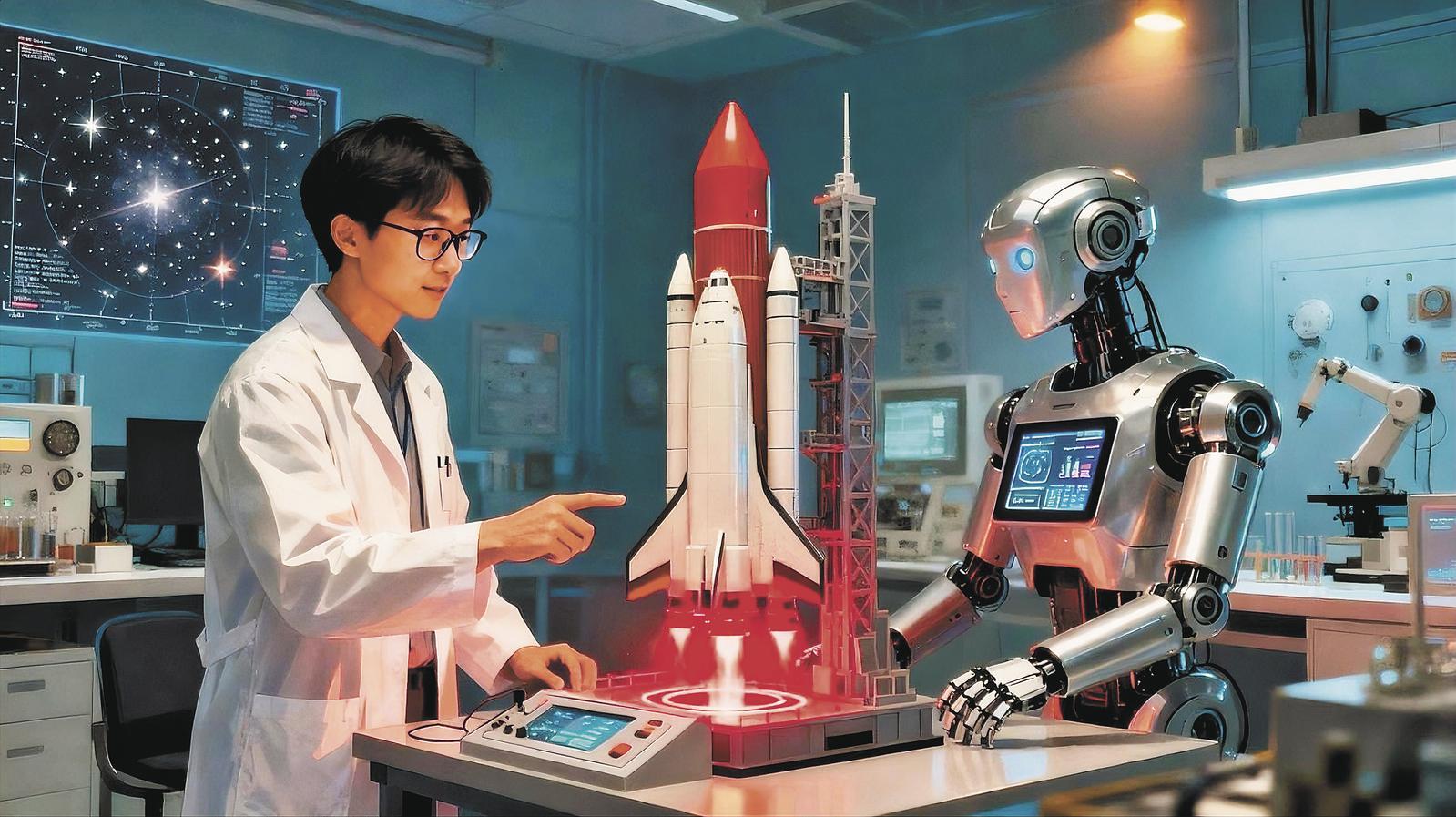
算法“点燃”新引擎 AI成航天推进技术的“助推器”
Huan Qiu Wang Zi Xun· 2025-12-29 01:27
Core Viewpoint - The integration of artificial intelligence (AI) into space propulsion technology is revolutionizing the field, enabling more efficient and innovative propulsion systems for deep space exploration [1][3]. Group 1: AI in Propulsion Design - AI, particularly machine learning, is enhancing the design and real-time operation of propulsion systems by simulating human-like learning through trial and error [3]. - This approach allows machines to develop a form of "intuition," enabling them to conduct millions of simulations to identify optimal solutions for propulsion challenges [3]. - A notable application is in optimizing heat transfer for nuclear thermal propulsion systems, where AI can significantly improve efficiency compared to traditional methods [4][5]. Group 2: Nuclear Thermal Propulsion - Nuclear thermal propulsion is highlighted as a promising technology that utilizes nuclear reactions to generate heat, allowing spacecraft to travel long distances with minimal fuel consumption [4]. - AI is facilitating the design of more efficient nuclear thermal systems by enabling real-time adjustments based on data feedback, thus optimizing the system's performance [4][5]. - The use of advanced materials and complex geometries in engine design, supported by AI, is enhancing heat transfer efficiency and reducing overall system weight [5]. Group 3: Advancements in Nuclear Fusion - Nuclear fusion presents a significant potential for future propulsion systems, with AI accelerating its development from large ground-based facilities to compact space-ready devices [6]. - AI is being utilized to maintain stability in high-energy plasma within fusion reactors, which is crucial for achieving sustained fusion reactions [6]. - The optimization of magnetic field configurations through AI is paving the way for smaller, more efficient fusion devices that could serve as the foundation for future nuclear-powered spacecraft [6]. Group 4: Fuel Management in Space Missions - Once in space, AI transitions to managing fuel efficiency, which is critical for the success of complex missions that may require mid-course adjustments [7]. - AI can calculate the most fuel-efficient trajectories in real-time, adapting to changing mission parameters and ensuring optimal fuel usage [7]. - Continuous monitoring of spacecraft systems by AI allows for early detection of potential issues, enhancing mission safety and efficiency [7].
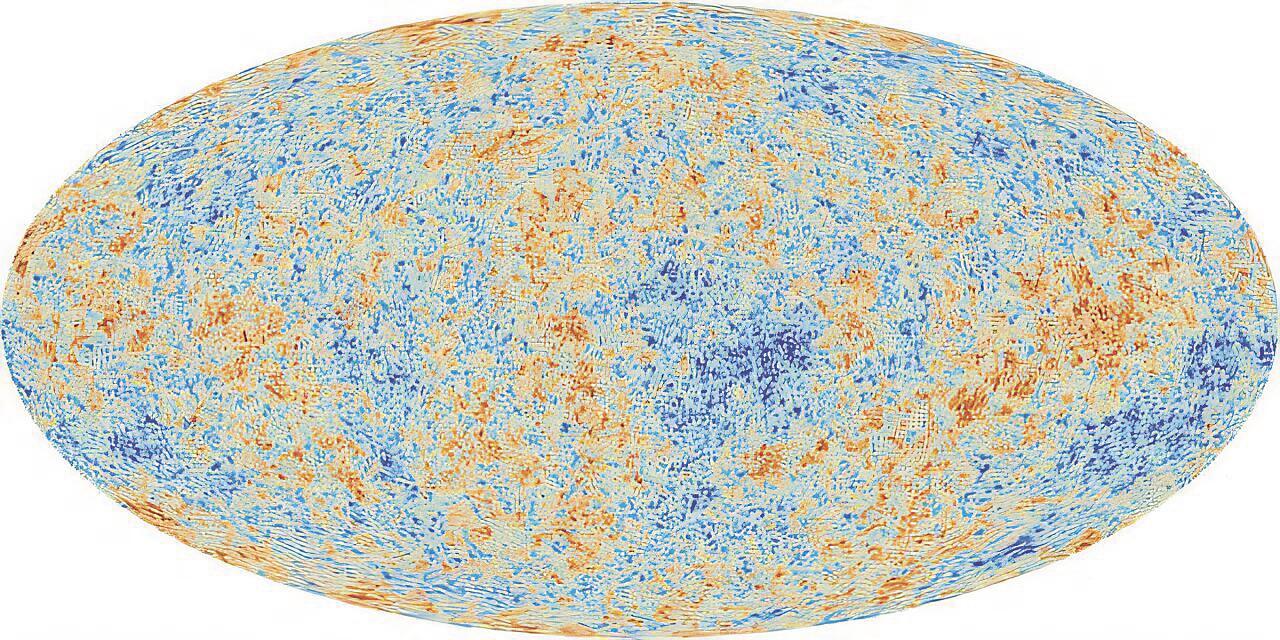
宇宙可能不是想象的那么“匀称”
Huan Qiu Wang Zi Xun· 2025-12-29 01:27
Core Findings - An international research team has published a review article in "Modern Physics Reviews," revealing that the universe may not be as uniform as previously thought, suggesting it could be "skewed" like a balloon that has been pressed on one side [1][3]. Group 1: Theoretical Implications - The discovery challenges the widely accepted "standard cosmological model," which is based on the belief that the universe should appear similar in all directions and locations, akin to a perfectly uniform cake batter [3]. - Scientists have identified a contradiction known as the "cosmic dipole anomaly," which relates to the slight temperature variations in the cosmic microwave background radiation, a remnant from the Big Bang [3][4]. Group 2: Observational Evidence - Observations of distant galaxies have shown a "skewed" distribution that does not align with the expected patterns based on the temperature variations of the cosmic microwave background, indicating a significant discrepancy [4]. - The consistency of results from various instruments, including ground-based radio telescopes and space satellites, strengthens the validity of these findings and reduces the likelihood of instrument error [4]. Group 3: Future Research Directions - Upcoming projects, such as the Euclid satellite and the Vera C. Rubin Observatory, are expected to provide clearer "cosmic panoramas," which may help resolve whether the universe is a regular sphere or has a more complex shape that is not yet understood [4].