Forbes

Search documents
Cash Dividend On The Way From Halliburton
Forbes· 2025-12-01 17:05
Dividend Announcement - Halliburton will trade ex-dividend on 12/3/25 for its quarterly dividend of $0.17, payable on 12/24/25 [1] - The dividend represents approximately 0.65% of Halliburton's recent stock price of $26.22, indicating shares may open 0.65% lower on the ex-dividend date [1] Dividend History and Performance - The historical dividend chart shows that the most recent declared dividend is $0.17, and the estimated annual yield is 2.59% [2][3] - Halliburton's 52-week stock price range is between $18.72 (low) and $32.08 (high), with the last trade at $26.52 [3] Market Activity - In recent trading, Halliburton shares are up about 1.7% on the day [4]



HCA Healthcare Is Caring For Patients And Investors Alike
Forbes· 2025-12-01 15:56
Core Insights - HCA Healthcare has consistently grown profits for over a decade, outperforming the S&P 500 while remaining undervalued with strong upside potential [3][4] - The company is well-positioned to benefit from the aging U.S. population and increasing healthcare spending [5][6] Industry Trends - The U.S. population aged 65 and older increased by 3.1% year-over-year in 2024, while the population under 18 decreased by 0.2% [6] - The share of the population aged 65 and older has risen from 12% in 2004 to 18% in 2024, indicating a significant demographic shift [6][7] - Healthcare spending is strongly correlated with age, with per capita spending for those aged 85 or older being 8.5 times higher than for children under 18 [9] Company Positioning - HCA Healthcare operates the largest healthcare system in the U.S., with over 190 hospitals and 2,400 ambulatory sites, positioning it for continued profit growth [5][12] - The company has increased its hospital count from 166 in 2014 to 191 by the end of Q3 2025, and its licensed bed count from over 43,000 to over 50,500 [16] Financial Performance - HCA Healthcare has achieved a compounded annual growth rate (CAGR) of 6% in revenue and 7% in net operating profit after tax (NOPAT) since 2007 [18] - The company's Core Earnings grew 14% CAGR from $598 million in 2007 to $6.5 billion in the TTM ended Q3 2025 [19] - HCA Healthcare generated a cumulative $50.4 billion in free cash flow (FCF) from 2014 through Q3 2025, with $10.5 billion generated in the TTM alone [23] Shareholder Returns - HCA Healthcare has paid $4.3 billion in cumulative dividends since 2018 and has increased its quarterly dividends from $0.35 per share in Q1 2018 to $0.72 per share in Q4 2025 [25] - The company repurchased $35.6 billion of shares from 2018 through Q3 2025, with a new $10 billion share repurchase program authorized in January 2025 [26] Challenges - The healthcare industry faces ongoing labor shortages, with projections indicating a global healthcare worker shortage of 10 million by 2030 [29] - Despite rising labor costs, HCA Healthcare has managed to reduce salaries and benefits as a percentage of revenue from 46% in 2020 to 44% in the TTM ending Q3 2025 [31]


What Is Happening With BMY Stock?
Forbes· 2025-12-01 14:50
Core Insights - Bristol Myers Squibb (BMY) has experienced a stock price increase of 7.3% over the last five days, adding approximately $7 billion in market value, bringing its market cap close to $100 billion. However, it still trades 13% below its end-of-2024 price, underperforming compared to the S&P 500, which is up 16.5% year-to-date [2][3]. Group 1: Recent Performance and Market Reaction - The recent surge in BMY's stock performance was driven by the European Commission's approval of CAR T cell therapy Breyanzi for mantle cell lymphoma, expanding its market potential [3]. - Investor optimism has also been bolstered by positive trial data from a competitor regarding BMY's cardiovascular pipeline, indicating potential growth in this area [3]. Group 2: Stock Valuation and Market Position - The overall operational performance and financial health of BMY show a near-equal balance of positives and negatives, leading to a Moderate valuation, which suggests that the stock is Fairly Priced [5]. - BMY's product offerings include biopharmaceuticals in various therapeutic areas such as hematology, oncology, cardiovascular, immunology, fibrotic, neuroscience, and COVID-19 therapies, with Revlimid being a notable product for multiple myeloma [5]. Group 3: Market Trends and Investment Considerations - The current market trend shows that there are 136 S&P constituents with three or more consecutive days of gains, indicating a broader market momentum [6]. - While BMY's recent winning streak may appear attractive, investing in individual stocks without thorough analysis can be risky, as evidenced by the performance metrics of the Trefis High Quality (HQ) Portfolio, which has historically outperformed benchmarks with reduced risk [7].

Why Applovin Stock Might Drop Soon?
Forbes· 2025-12-01 14:50
Core Viewpoint - AppLovin's stock has surged over 75% this year, raising questions about its valuation and sustainability in the context of the AI AdTech revolution, with a current valuation around $200 billion [1][13]. Group 1: Customer Base and Revenue Model - AppLovin's revenue model heavily relies on two high-risk customer groups: mobile game developers and aggressive e-commerce brands [5][11]. - Mobile game developers, referred to as "Whales," depend on user acquisition strategies, paying AppLovin to attract users willing to spend on in-game purchases [11]. - E-commerce brands, termed "Arbitrageurs," utilize AppLovin for cost-effective advertising as alternatives like Meta have become too expensive [11]. Group 2: Competitive Landscape and Technology - AppLovin's competitive edge lies in its ability to track user behavior within apps, leveraging its MAX mediation platform to optimize ad inventory across over 100,000 games [12]. - The AXON 2.0 AI engine enhances targeting precision, allowing AppLovin to identify high-value users more effectively than competitors like Meta, which faces limitations due to privacy changes [12]. Group 3: Valuation Concerns - AppLovin's current price-to-sales ratio is approximately 35x, necessitating over 50% growth annually for the next five years to justify this valuation [9][12]. - The mobile gaming market, which is AppLovin's core focus, is growing at a modest rate of 5-8%, raising concerns about the sustainability of its high valuation [12]. Group 4: Insider Activity and Market Sentiment - Recent insider selling, including over $350 million by Director Herald Chen, signals potential concerns about the company's future prospects [17]. - The leadership's exit raises questions about the company's long-term growth potential, especially given its current valuation compared to established tech giants [13][17]. Group 5: Future Risks and Market Dynamics - AppLovin's reliance on user data tracking poses risks, particularly if major players like Apple and Google tighten privacy regulations, which could impair its operational capabilities [17]. - The potential for a market correction is highlighted by the disparity between AppLovin's valuation and the actual growth of its core markets, suggesting that the "AI Ad" bubble may burst as investor sentiment shifts [14][17].


Eli Lilly Lowers Weight-Loss Drug Zepbound Prices After Trump Deal
Forbes· 2025-12-01 14:50
Core Viewpoint - The pharmaceutical companies Eli Lilly and Novo Nordisk are reducing the prices of their weight loss drugs to enhance accessibility for consumers [1]. Pricing Changes - Eli Lilly has decreased the out-of-pocket monthly price for the lowest single-dose vial of Zepbound to $299 from $349, marking a 14% reduction. The 5-milligram dose is now priced at $399, down approximately 20% from $499. Prices for the 7.5 to 15 milligram doses have been reduced to $449 from $499 [2]. - Novo Nordisk has announced a reduction in the out-of-pocket monthly price for Ozempic and Wegovy to $349 from $499. Additionally, the two lowest doses of either drug will be available for $199 per month for the first two months [3]. Market Reaction - Following the announcement of price cuts, Eli Lilly's shares fell nearly 1% in premarket trading, while Novo Nordisk's stock experienced a decline of more than 1.7% [3].


Is Astera Labs The Next Broadcom?
Forbes· 2025-12-01 14:20
Group 1 - Astera Labs is being referred to as "Mini-Broadcom" with a valuation of approximately $27 billion, having increased over 230% from its lows this year [1][3] - The market narrative positions Astera as a key player in the AI infrastructure, focusing on connectivity solutions, while comparing it to Nvidia and Broadcom [4] - Astera's current valuation is at 32 times its estimated 2025 sales, significantly higher than its direct competitor Marvell, which is valued at 10 times sales [5][8] Group 2 - Astera Labs primarily sells Smart Cable Modules, which are integrated into Active Electrical Cables, addressing the issue of signal degradation in high-speed data transmission [8] - The company's software tool, COSMOS, provides a management system for data center cables but is not a major revenue generator, serving more as a means to enhance hardware sales [8] - There are concerns regarding Astera's long-term viability, as competitors like Nvidia and Broadcom are developing their own solutions, potentially rendering Astera's products obsolete [8][9] Group 3 - Recent insider stock sales by the leadership team raise questions about the company's future prospects, suggesting that the market may be overvalued [12] - The bull case for Astera assumes a continued demand for copper-based solutions, while the bear case highlights risks from pricing pressures and a potential industry shift to optical solutions [13]


Bed Bath & Beyond Buys Brand House Collective, Bath & Body Works Reset
Forbes· 2025-12-01 14:05
Acquisition of The Brand House Collective - Bed Bath & Beyond Inc. has agreed to acquire The Brand House Collective for approximately $26.8 million, marking a significant shift in the home goods retail landscape [2] - The all-stock transaction will see shareholders of The Brand House Collective receive 0.1993 shares of Bed Bath & Beyond common stock for each share they own, with about 40% of The Brand House Collective's shares already held by Bed Bath & Beyond [3] - The strategic goal is to reposition Bed Bath & Beyond as a comprehensive home retailer, leveraging the brand's legacy and the operational strengths of The Brand House Collective [4] Cost-Cutting Measures - As part of the acquisition, Bed Bath & Beyond expects to eliminate over $20 million in duplicated costs, which includes the closure of 40 stores in the upcoming year [5] Background and Context - Bed Bath & Beyond filed for Chapter 11 bankruptcy in April 2023, liquidating all remaining stores, with its brand name and intellectual property later acquired by Overstock.com [6] - The partnership with The Brand House Collective began in late 2024, leading to early conversions that resulted in double-digit sales growth [7] Leadership and Structure - The acquisition is anticipated to close in the first quarter of 2026, pending shareholder approval and lender consent, with the new retail group to be led by The Brand House Collective's current CEO, Amy Sullivan [8] - Sullivan will oversee merchandising, store operations, digital commerce, and customer experience across Bed Bath & Beyond and its associated brands [9] Bath & Body Works Transformation - Bath & Body Works has announced a transformation plan under new CEO Daniel Heaf, focusing on realigning the brand with its core strengths in body care and home fragrances [10] - The company experienced a 1% decline in net sales year-on-year to $1.59 billion, with net income dropping over 27%, prompting a need for strategic realignment [10] - Heaf aims to simplify the product assortment and enhance brand storytelling while leveraging new channels to engage younger consumers [11][12] Industry Trends - Both Bed Bath & Beyond and Bath & Body Works are navigating challenges in a shifting retail environment, with legacy brands striving to reinvent themselves amid changing consumer behaviors and economic pressures [13]

Airbus Stock Nosedives As Planemaker Shares Update On Major A320 Glitch
Forbes· 2025-12-01 12:46
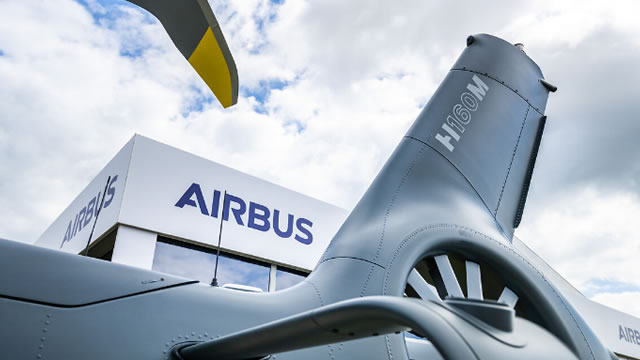
Core Viewpoint - Airbus shares experienced a significant decline following the announcement of a major software glitch affecting nearly half of the operational A320 family jets, although most of the nearly 6,000 affected planes have received a fix [1][2]. Group 1: Software Glitch Impact - The software glitch impacted nearly 6,000 A320 aircraft, with the majority already receiving necessary modifications [2]. - Airbus is collaborating with airlines to address the remaining "less than 100" aircraft still affected by the issue [2]. - The company acknowledged the delays caused to passengers and airlines, emphasizing the priority of safety [2]. Group 2: Technical Details - An analysis revealed that "intense solar radiation" could corrupt critical flight control data on A320 planes, leading to the recall announcement [2]. - According to analysts, 85% of the impacted planes can be resolved with a simple software update, while 900 older aircraft will require hardware fixes [3].

OPEC+ Hits Pause As Global Oil Surpluses Threaten 2026 Prices
Forbes· 2025-12-01 11:20
Core Insights - OPEC+ is facing a significant shift in the oil market dynamics, with independent forecasts indicating a potential surplus of 2.1–4 million barrels per day by early 2026, leading to a "strategic pause" in production cuts to stabilize prices [2][3][24] OPEC+ Market Influence - Historically, OPEC's power stemmed from its ability to control spare capacity to influence prices, but this leverage has been diluted due to increasing non-OPEC+ supply [4][20] - The current oil market is characterized by significant contributions from non-OPEC+ producers, particularly the U.S., Brazil, and Guyana, which are adding production at a pace that offsets OPEC+ efforts [5][12] Production and Price Dynamics - OPEC+ has opted to maintain production quotas rather than implement deeper cuts, reflecting a cautious approach to avoid losing market share to competitors [7][19] - The low-$60s range for Brent crude has become an informal price floor, but bearish sentiment is growing, with projections indicating West Texas Intermediate (WTI) could average around $59 in 2026 [8][21] Fiscal Pressures on OPEC+ Members - Saudi Arabia's fiscal breakeven oil price for 2025 is estimated at approximately $91 per barrel, highlighting the financial strain on OPEC+ members as Brent prices linger near $60 [10][24] - The longer Brent remains low, the more budgetary pressure builds across OPEC+, leading to increased reliance on borrowing and reserve drawdowns [10][24] Non-OPEC+ Supply Growth - Non-OPEC+ supply growth is now a defining structural force in the oil market, with U.S. shale and other producers capable of sustaining output even during price downturns [12][13] - The rise of Brazil's pre-salt fields and Guyana's rapid production increase exemplifies the structural, long-life, low-cost additions to global supply that are largely unaffected by OPEC+ coordination [13][14] Market Sentiment and Investor Behavior - Energy equity markets are reflecting caution, with integrated oil majors prioritizing shareholder returns over production growth, indicating a shift towards cash flow extraction rather than aggressive reinvestment [17][18] - The strategic pause by OPEC+ can be interpreted as either a disciplined approach to avoid a price collapse or a sign of paralysis in responding to market changes [19][24] Future Market Outlook - The oil market is entering a new phase characterized by persistent supply growth outside OPEC+'s control, necessitating a recalibration of investor expectations [25][26] - Surpluses are becoming the baseline risk, with cash flow reliability taking precedence over reserve growth, indicating a shift in the balance of power in global oil away from OPEC+ [26]

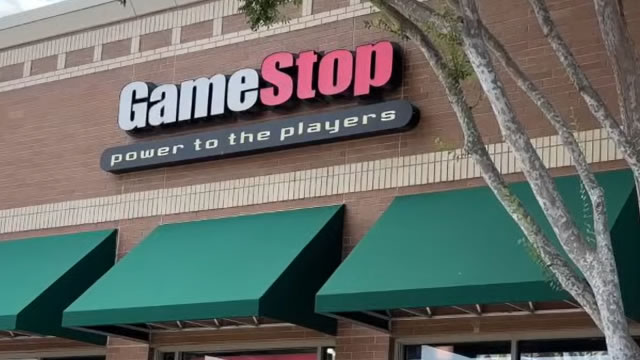
Why Is GameStop Stock Down 38%?
Forbes· 2025-12-01 11:05
Core Insights - GameStop's stock has declined nearly 38% from its 52-week high of about $35 to approximately $21–22, with net sales dropping around 17% year-over-year [2][4] - The company's hardware revenue has collapsed by over 30%, and software sales have fallen by more than 25% [2][4] - A $1.75 billion convertible-debt initiative and a significant investment in Bitcoin have led to substantial market capitalization losses [2][5] Business Model Challenges - GameStop's business model is heavily reliant on physical gaming, which is declining as fewer gamers purchase discs and visit stores [4] - The company has reduced operations in several international markets due to ongoing demand erosion [4] - Despite cost-cutting measures, these have not compensated for declining revenues, raising concerns about the company's ability to stabilize [4] Strategic Decisions and Market Reaction - The issuance of convertible debt and investment in Bitcoin have alarmed investors, raising doubts about management's long-term strategy [5] - The stock price dropped sharply following these announcements, indicating that investors view the strategy as a risky gamble rather than innovation [5] Meme-Stock Phenomenon Decline - The excitement surrounding GameStop as a meme stock has diminished, leading to a valuation more reflective of its actual business performance [6] - Without the previous hype, the stock faces pressure from declining financial trends and strategic uncertainty [6] Future Outlook - GameStop still has cash reserves and a dedicated investor base, but it needs to present a credible shift in strategy [7] - Investors are looking for signs of improving sales trends and a sustainable economic strategy rather than financial engineering [7] - The stock remains speculative, with potential for sudden recoveries but also ongoing turmoil as the company seeks its next chapter [7]