WitsView睿智显示

Search documents
京东方成立合资公司,布局显示材料业务
WitsView睿智显示· 2026-02-12 09:53
Core Viewpoint - The establishment of Tongcheng Oriental (Shanghai) Display Technology Co., Ltd. with a registered capital of 100 million RMB marks a significant development in the electronic materials sector, driven by a collaboration between BOE Technology Group and Tongcheng Electronic Materials Co., Ltd. [1][2] Group 1: Company Overview - Tongcheng Oriental (Shanghai) Display Technology Co., Ltd. was founded with a registered capital of 100 million RMB and is co-owned by Beijing BOE Materials Technology Co., Ltd. and Shanghai Tongcheng Electronic Materials Co., Ltd. [1][2] - The company is located in Fengxian District, Shanghai, and its legal representative is Zhang Wang. [2] - The business scope includes new material technology research and development, technology promotion, chemical product sales, and sales of electronic specialized materials. [1][2] Group 2: Parent Companies - Tongcheng Electronic, established in June 2020, is a wholly-owned subsidiary of Tongcheng New Materials Group, with a registered capital of 1 billion RMB, serving as a core platform for the electronic materials business. [2][3] - The main business of Tongcheng Electronic encompasses semiconductor photoresists, display panel photoresists, CMP polishing pads, and supporting reagents. [3] - BOE Materials, a subsidiary of BOE Technology Group, focuses on new material technology research and development, technology promotion services, chemical product sales, and sales of electronic specialized materials. [3]

友达、群创等6家面板厂公布1月营收
WitsView睿智显示· 2026-02-12 09:53
Core Viewpoint - The article discusses the revenue performance of six major panel manufacturers in Taiwan for January 2026, highlighting both year-on-year and month-on-month changes, as well as future market expectations for the display industry [1][2][5]. Group 1: Revenue Performance - AU Optronics reported a revenue of 4.935 billion RMB in January 2026, showing a year-on-year increase of 3.98% but a month-on-month decrease of 10.66% [1]. - Innolux achieved a revenue of 4.855 billion RMB, with a significant year-on-year growth of 18.63% and a month-on-month increase of 3.28% [1]. - HannStar reported a revenue of 231 million RMB, reflecting a year-on-year increase of 11.91% and a month-on-month growth of 12.29% [2]. - Lianjie Technology's revenue was 17 million RMB, with a year-on-year increase of 19.48% but a month-on-month decrease of 9.50% [2]. - Ralco Technology experienced a revenue of 3 million RMB, showing a year-on-year decline of 27.45% and a month-on-month decrease of 15.38% [1][2]. - Hualing Optoelectronics reported a revenue of 4 million RMB, with a year-on-year decrease of 4.26% and a month-on-month decline of 0.84% [1][2]. Group 2: Market Dynamics and Innovations - In January 2026, panel manufacturers continued to enhance their technology and market strategies, particularly focusing on automotive display technologies [3]. - Innolux showcased an integrated smart cockpit solution at CES 2026, emphasizing user experience and aiming to penetrate the Japanese automotive supply chain [3]. - AU Optronics presented several innovative automotive display products at CES 2026, including a transparent Micro LED display module and a satellite antenna, indicating a strong push into the automotive sector [3]. Group 3: Future Market Outlook - According to TrendForce's latest forecast for February 2026, the market is expected to see a mixed performance with television panel prices rising, while laptop panel prices continue to face downward pressure [5]. - The Lunar New Year production adjustments are anticipated to help maintain a balanced supply-demand situation for TV panels, benefiting major players like AU Optronics and Innolux [5]. - Conversely, the ongoing price cuts in the laptop panel segment are expected to negatively impact the revenues and profits of related companies [5].
受存储涨价压力,2026年全球手机产量恐下行
WitsView睿智显示· 2026-02-12 09:53
Core Viewpoint - The global smartphone production is expected to decline by 10% in 2026 due to rising memory prices, potentially dropping to 1.135 billion units, with a pessimistic scenario predicting a decline of 15% or more [2][3]. Group 1: Market Impact - The significant increase in memory prices, with contract prices for 8GB+256GB models expected to rise nearly 200% in Q1 2026 compared to the same period in 2025, has led to the BOM cost share of memory in smartphones increasing from 10-15% to 30-40% [5]. - Brands are likely to raise terminal prices to maintain operations and may need to adjust product configurations to cope with the ongoing surge in memory prices [5]. Group 2: Brand Performance - Samsung, as the leading smartphone brand and a major player in the memory industry, is expected to see a decline in production, but the drop will be less severe due to its vertical integration advantages [5]. - Apple, with a higher proportion of high-end models, is better positioned to absorb rising memory costs and has a consumer base more accepting of price adjustments, providing some support for its production performance [5]. - Xiaomi and Transsion, which focus on lower-end models, are more sensitive to cost fluctuations and are expected to experience significant production cuts in 2026 due to the ongoing rise in memory prices [5]. Group 3: Competitive Landscape - Vivo, Oppo, Xiaomi, and Honor will face not only memory cost pressures but also strong competition from Huawei, which is expected to have the smallest production adjustment among brands and may even see growth due to its flexible pricing strategy [6]. - The current decline in terminal demand is attributed to rising memory prices, but the overall functionality of electronic devices has reached a level that satisfies most consumer needs, leading to longer replacement cycles and reduced upgrade momentum [6].



夏普龟山K2工厂预计8月停工,或将冲击苹果IT面板
WitsView睿智显示· 2026-02-12 09:53
Core Viewpoint - Sharp announced the plan to cease operations at its K2 factory in Japan, which has been a key supplier of IT panels for Apple, potentially impacting the supply of MacBook, iPad, and electronic paper products [2][5]. Group 1: Factory Operations and Impact - The K2 factory, known for its Oxide backplane technology, has been crucial for Sharp's role as the third-largest supplier of IT panels to Apple [2][5]. - The decision to shut down the K2 factory is influenced by the diminishing competitive edge of Sharp's Oxide backplane technology due to investments from Korean and Chinese panel manufacturers [5]. - Currently, Apple products account for only 16-17% of the K2 factory's utilization, and the upcoming release of MacBook OLED versions is expected to further reduce orders for high-end LCD panels [5][6]. Group 2: Competitive Landscape - The K2 factory faces declining order volumes due to intense competition from Chinese panel manufacturers, which have expanded capacity and possess cost advantages [6]. - The shortage and rising prices of memory components have led customers to request cost-sharing from panel suppliers, exacerbating the challenges for the K2 factory [6]. - The factory's average unit cost has worsened due to insufficient demand from applications outside of Apple, prompting Sharp to exit the large-generation LCD panel business [6]. Group 3: Electronic Paper Market - The K2 factory has been a key supplier of Oxide backplanes for electronic paper, which are essential for reducing ghosting effects and extending battery life [6]. - The shutdown of the K2 factory may lead to a temporary negative impact on the upgrade progress of electronic paper products, although orders may be taken over by Chinese manufacturers that are actively expanding their Oxide capacity [6]. Group 4: Future Considerations - It remains to be seen whether Sharp can fully cease operations at the K2 factory by August or retain some capacity for key customers to maintain operational flexibility [6].
TCL华星广州第8.6代OLED产线开启设备招标
WitsView睿智显示· 2026-02-11 09:49
Core Viewpoint - TCL Huaxing Optoelectronics is actively expanding its OLED production capabilities through international equipment tenders, indicating a strategic move to enhance its manufacturing capacity and technology in the OLED sector [1][2][3]. Group 1: Equipment Tenders - On February 6, TCL Huaxing Optoelectronics announced 17 equipment tenders, including 4 inkjet printers, 1 deposition machine, 8 sputtering machines, 17 plasma-enhanced chemical vapor deposition (PECVD) machines, 12 dry etching machines, and 2 ion implanters [1]. - The tenders are part of the international bidding process, with a deadline set for February 27, 2026, for various equipment including scanning electron microscopes and focused ion beams, all located in Guangdong Province [2]. Group 2: Production Plans and Market Position - Compared to the investment plan announced in November 2025, the tender timeline has been slightly delayed, but the roadmap for mass production by the fourth quarter of 2027 remains intact [3]. - TCL Huaxing Optoelectronics plans to build an inkjet printing OLED production line in Guangzhou, based on 8.6-generation glass substrates (2290 mm × 2620 mm), with a monthly capacity of 22,500 sheets and a total investment of 29.5 billion RMB, expected to be completed by October 2027 [3]. - With this move, TCL Huaxing becomes the fourth player in the 8.6-generation OLED market, following Samsung Display, BOE, and Visionox [5].

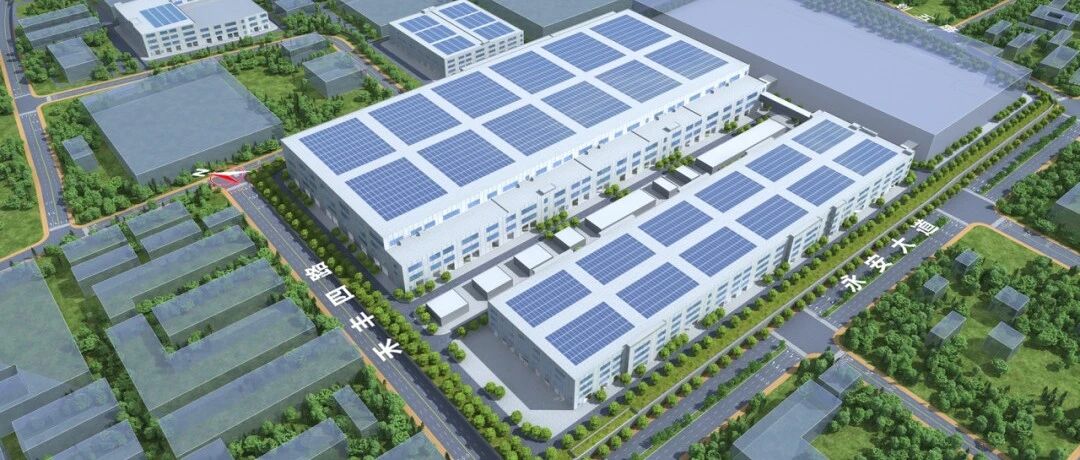
友达加码AI,瞄准Micro LED CPO、低轨卫星天线、AR眼镜
WitsView睿智显示· 2026-02-11 04:34
Core Viewpoint - AUO is focusing on key technologies and accelerating development in AI-related fields, as revealed during its corporate briefing on February 10, where it announced its consolidated financial results for Q4 2025 [1]. Group 1: Micro LED Technology - AUO's Micro LED technology has entered the commercialization stage, with applications in wearable devices, large-sized TVs, automotive displays, and transparent displays. The company has progressed from the first generation to a 4.5 generation production line, mastering key technologies and processes in the Micro LED ecosystem [4]. Group 2: AI Development Strategies - AUO is targeting the AI sector with four strategic initiatives: 1. **Physical AI**: The company is developing products and smart services, including smart cockpits and intelligent manufacturing [4]. 2. **Cloud AI / Infrastructure**: AUO is investing in Micro LED optical interconnect technology for Co-Packaged Optics (CPO), which will play a crucial role in short-distance data transmission for future AI data centers [4]. 3. **Low Earth Orbit Satellite Technology**: The company is developing low Earth orbit satellite array antenna modules that are lightweight, transparent, and energy-efficient, eliminating the need for heat sinks [4]. 4. **Edge AI**: AUO is integrating AI applications with anticipated AR glasses, utilizing key technologies for optical waveguides and optical engines [4][5].
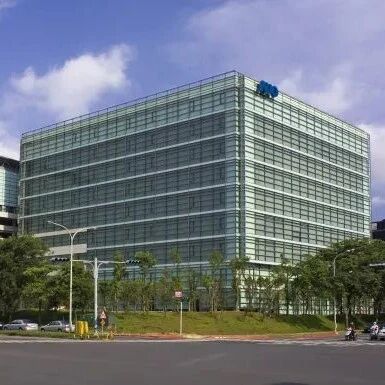
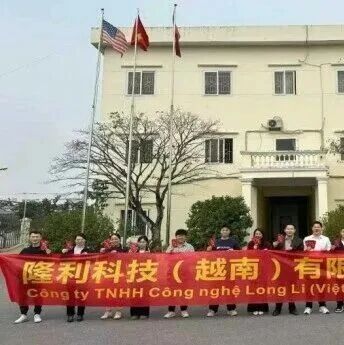
隆利科技越南工厂正式投产,聚焦车载Mini LED等产品
WitsView睿智显示· 2026-02-11 04:34
Core Viewpoint - Longli Technology has officially commenced production at its Vietnam factory, focusing on high-end display products such as automotive Mini LED to meet customer demands and achieve capacity goals [1]. Group 1: Company Overview - Longli Technology specializes in providing overall backlight display module solutions, with core businesses in consumer electronics like mobile phones, tablets, and notebooks, alongside rapidly growing automotive display and LIPO businesses [4]. - The company has diversified into several future growth potential areas, including AR/VR displays and new precision structural components [4]. Group 2: Automotive Display Business - Longli Technology's Mini LED technology has been applied in new models such as M7, Zeekr 9X, Zhiji LS6, and NIO ES8 [4]. - The company is committed to expanding its automotive display segment, which is a key focus area for future growth [4]. Group 3: Recent Developments - In addition to the Vietnam project, Longli Technology is also advancing new projects domestically, with a new intelligent manufacturing base for display modules set to begin construction in December 2025, involving an investment of approximately 1.375 billion yuan [4].

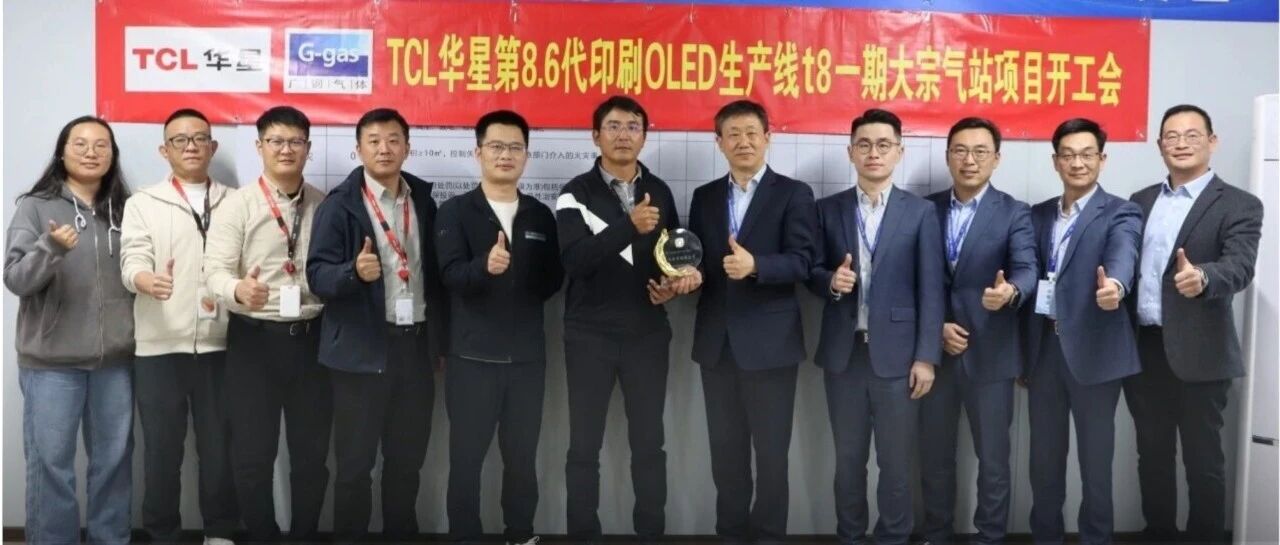
TCL华星第8.6代印刷OLED产线配套项目启动
WitsView睿智显示· 2026-02-11 04:34
Core Viewpoint - Guangzhou Industrial Control Group's subsidiary, Guanggang Gas, will supply electronic gases for TCL Huaxing's 8.6-generation printed OLED display panel production line project, known as the "t8 project" [1][2]. Group 1: TCL Huaxing t8 Project - The TCL Huaxing t8 project has a total investment of 29.5 billion yuan and will have a processing capacity of approximately 22,500 glass substrates measuring 2290mm × 2620mm per month upon completion [2]. - The production line utilizes TCL Huaxing's self-developed, cutting-edge 8.6-generation substrate specifications and inkjet printing technology, which is significant for advancing China's semiconductor display industry [2]. Group 2: Role of Electronic Gases - Electronic gases are crucial throughout the manufacturing process of semiconductor display panels, impacting thin film deposition, etching, and packaging, with their purity and stability directly affecting product yield and performance [2]. - Guanggang Gas will provide high-quality, high-purity electronic gas solutions for the t8 project, marking a deepening of the collaboration between Guanggang Gas and TCL Huaxing, which has lasted for 15 years [2]. Group 3: Other Projects in the Industry - Besides TCL Huaxing, projects for gas supply to BOE and Visionox's 8.6-generation OLED production lines are also progressing: - In May 2025, Messer's bulk gas station system project will be established in Hefei High-tech Zone, with a total investment of 340 million yuan, expected to start production in the second half of 2026 [4]. - In June 2025, a gas supply project for BOE's Chengdu 8.6-generation AMOLED production line will commence, with an initial investment of approximately 250 million yuan [4].

合肥欣奕华OLED蒸镀设备获某头部面板企业订单
WitsView睿智显示· 2026-02-11 04:34
Core Viewpoint - Hefei Xinyi Hua Intelligent Machinery Co., Ltd. (referred to as "Xinyi Hua Intelligent") has successfully secured a multi-million yuan order for its self-developed G4.5 OLED evaporation equipment from a leading panel customer [1]. Group 1: Company Overview - Xinyi Hua Intelligent specializes in the research, production, sales, and technical services of vacuum coating equipment for the semiconductor industry, clean transfer equipment, and high-speed precision equipment [4]. - The company has completed the domestic development of evaporation equipment series from G1 to high-generation displays, with key core devices such as small-generation complete machines, evaporation sources, and high-precision alignment systems delivered for mass production applications [4]. - Xinyi Hua Intelligent has established partnerships with companies such as Visionox, TCL Huaxing Optoelectronics, and BOE [4]. Group 2: Recent Developments - On January 22 of this year, Xinyi Hua Intelligent's evaporation machine won a bid for the "Suzhou Guoxian Innovation Technology Co., Ltd." project, which aims to develop new display technology with an annual production capacity of 1.5 million XR products [4]. - The recent OLED evaporation equipment order was awarded due to the company's excellent performance in evaporation rate stability, film uniformity, and equipment operational stability, which precisely meets the mass production needs of medium and small-sized OLED panels [4]. - The equipment is widely applicable to cutting-edge popular application scenarios such as smart wearables [4]. Group 3: Future Outlook - The regional general manager of Xinyi Hua Intelligent, Cao Jingbo, stated that the company will continue to increase R&D investment and focus on core technology innovation in OLED and next-generation display equipment, expanding the product matrix coverage [4].
面板光刻胶企业彤程新材递表港交所
WitsView睿智显示· 2026-02-11 04:34
Core Viewpoint - Tongcheng New Materials Group Co., Ltd. has officially submitted its listing application to the Hong Kong Stock Exchange, with the application materials accepted, and Cathay Pacific Securities acting as the sole sponsor [1]. Group 1: Company Overview - Tongcheng New Materials was established in 2008 and is headquartered in Shanghai. The company was listed on the Shanghai Stock Exchange main board in 2018 [1]. - The company is primarily engaged in the research, production, sales, and related trade of new materials, with a business network covering over 40 countries and regions globally [1]. Group 2: Business Segments - The main business of Tongcheng New Materials is divided into three segments: 1. **Electronic Chemicals**: This is a strategic emerging business area for the company. It is a domestic supplier of photoresists with independent intellectual property rights, offering a full range of semiconductor photoresists and supporting reagents used in integrated circuits, LEDs, discrete devices, advanced packaging, and display panels [4]. 2. **Automotive and Tire Specialty Materials**: This segment includes products such as tackifying resins, reinforcing resins, and adhesive resins [5]. 3. **Fully Biodegradable Materials**: The company has established a production base in Shanghai with an annual capacity of 60,000 tons for biodegradable materials, which are widely used in shopping bags, express bags, agricultural films, and food packaging [5]. Group 3: Financial Performance - In the fiscal year 2024, Tongcheng New Materials achieved an operating income of 3.263 billion yuan, representing a year-on-year growth of 11.1%. The net profit attributable to shareholders was 517 million yuan, up 27.1% year-on-year [5]. - For the first three quarters of 2025, the company reported an operating income of 2.517 billion yuan, a year-on-year increase of 4.04%, and a net profit attributable to shareholders of 511 million yuan, reflecting a year-on-year growth of 12.78% [5].