WitsView睿智显示

Search documents
130英寸,昊盛集团发布全球最大显示偏光片
WitsView睿智显示· 2026-01-28 06:49
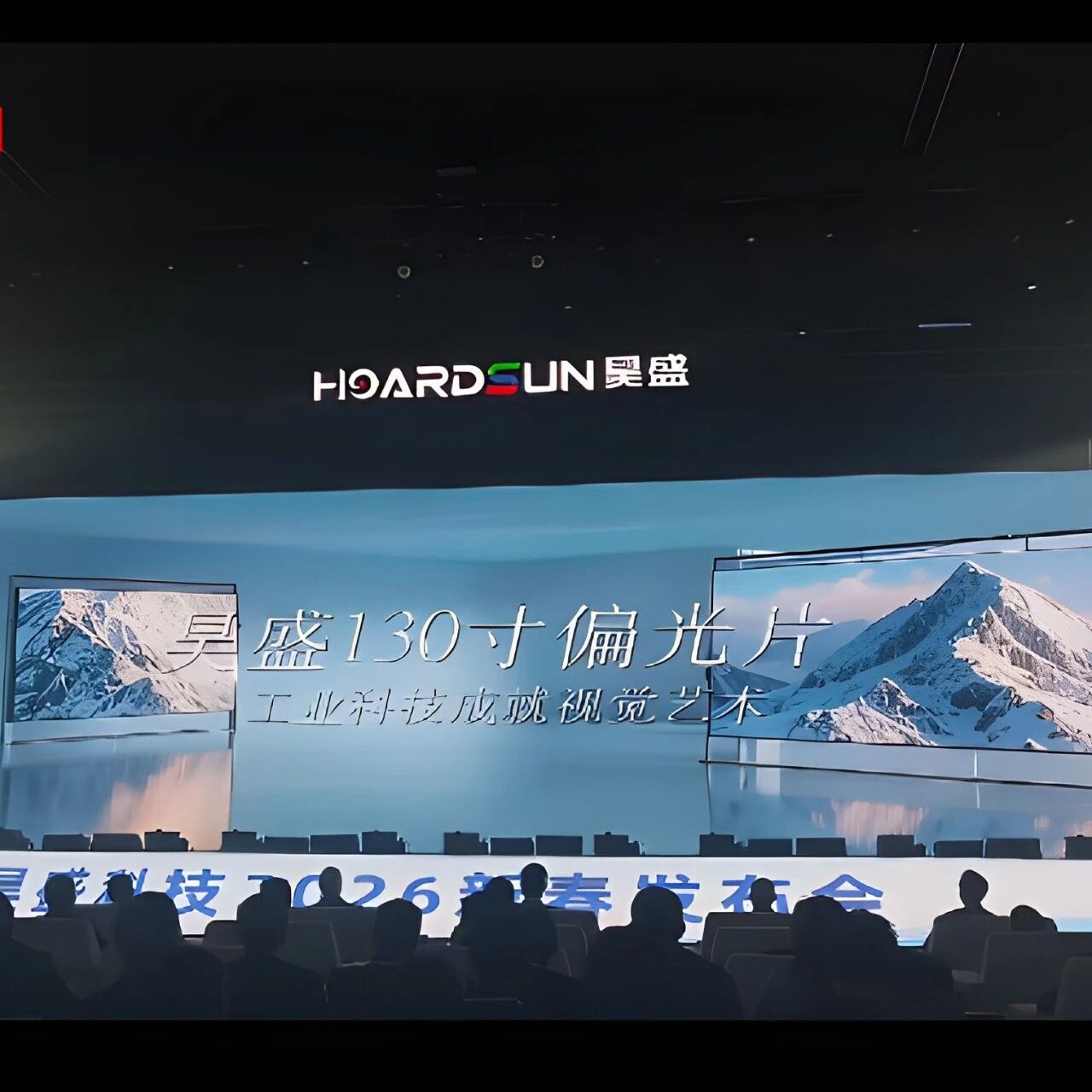
1月27日,据中国电子报消息,昊盛科技集团在无锡发布全球首款适用于130英寸LCD面板的超宽 幅偏光片。该产品突破了此前115英寸面板的生产极限,为显示产业向更大尺寸发展提供了新的核 心材料支撑。 图片来源:中国电子报 报道称,此次发布的130英寸偏光片在光学性能上进行了针对性改进。通过升级QLC量子光控制 技术,产品改善了传统大尺寸屏幕常见的边缘漏光与不同观看角度下的色彩偏差问题,旨在提升 视觉均匀性。同时,其采用的高透光率技术有助于降低LCD背光模块的整体能耗。 恒美光电副总经理、昊盛光电事业部研发中心负责人吴泳介绍,传统产线裁切75英寸产品后,剩 余幅宽通常仅能匹配约32英寸产品,材料利用率有限;而3000mm超宽幅产线可实现75英寸与55 英寸产品的协同排产,显著提升幅宽利用率,减少边角料损耗,在增强成本竞争力的同时,也为 130英寸及以上尺寸偏光片的稳定量产奠定工艺基础。 资料显示,昊盛科技集团是一家聚焦光电显示、半导体、卫星等领域的科技企业,拥有恒美光 电、新美材料、诺延资本等多家子公司,管理基金规模达200亿元。其中,恒美光电主要从事研 发、制造偏光片、光学功能膜、光学补偿膜等显示屏材料。 诺延 ...

开工/购地,深圳、江西2个显示项目有新进展
WitsView睿智显示· 2026-01-28 06:49
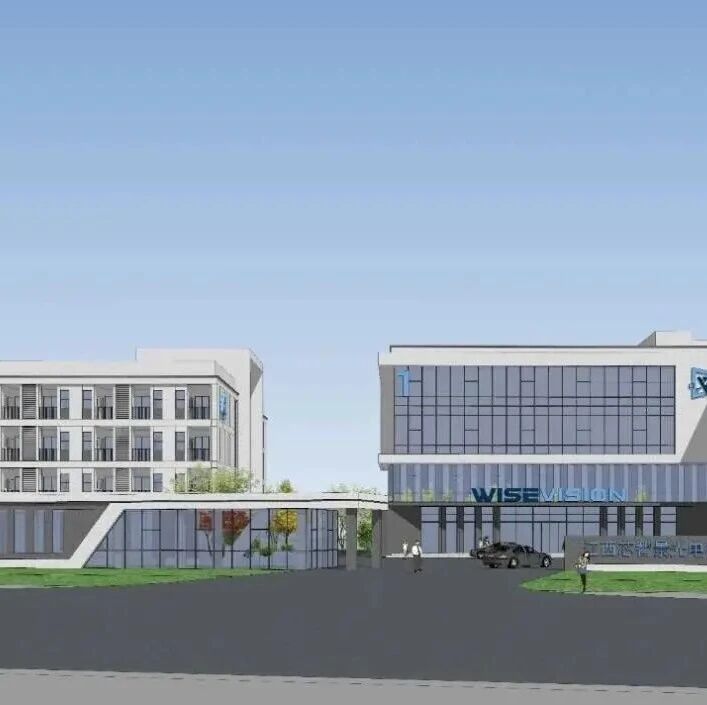
Group 1 - The core viewpoint of the article highlights the recent progress in two significant projects related to OLED display modules and optical composite materials, which are expected to generate a combined annual output value exceeding 1.85 billion yuan after reaching full production [1][3][6]. Group 2 - The Jiangxi Xinzhijing Optoelectronics OLED display module production project has officially commenced construction, with a total investment of 520 million yuan, covering an area of 41.18 acres and a total building area of 36,000 square meters. It aims to provide customized module solutions for smart wearables and automotive displays [2][3]. - Upon completion, the Jiangxi project is projected to achieve an annual output value of 1.2 billion yuan and contribute approximately 25 million yuan in annual taxes, enhancing the electronic information industry chain in Longnan City [3]. - The Shenzhen Jinyi New Materials Co., Ltd. plans to establish a key technology research and development base for optical composite materials in Guangming District, with a total land area of about 10,000 square meters and a planned construction area of approximately 40,000 square meters [4][6][7]. - The optical composite materials project is expected to produce 50 million mobile phone cover plates by 2025, with a compound annual growth rate of over 10% for the next 5-10 years, potentially exceeding 80 million pieces by 2030 [6][7]. - The project aims to attract talent in the optical composite materials field to Guangming, further promoting the development of the new materials industry in the region [7].
四年来首次盈利!LG Display公布2025年业绩
WitsView睿智显示· 2026-01-28 06:49
Core Viewpoint - LG Display achieved a significant turnaround in 2025, reporting a total sales of 25.81 trillion KRW (approximately 125.18 billion RMB) and an operating profit of 517 billion KRW (approximately 2.51 billion RMB), marking its first annual profit in four years despite a 3% decline in sales compared to the previous year [1][3]. Group 1: Financial Performance - In 2025, LG Display's sales decreased by 3% from 26.61 trillion KRW to 25.81 trillion KRW, but operating profit improved by approximately 1 trillion KRW from a loss of 5.606 trillion KRW in the previous year [1]. - The fourth quarter of 2025 saw sales of 72.008 trillion KRW (approximately 349.24 billion RMB), an 8% year-on-year decline, while operating profit surged by 103% to 1.685 trillion KRW (approximately 81.7 million RMB) [1]. - EBITDA for 2025 was reported at 11.62 trillion KRW (approximately 563.6 million RMB), reflecting an 11% year-on-year decline [1]. Group 2: Strategic Transition - LG Display increased the proportion of OLED products in total sales to a record 61% in 2025, up from 32% in 2020 and 40% in 2022, indicating a strong shift from LCD to OLED technology [3]. - The company plans to exit the large-size LCD business to accelerate its strategic transition towards OLED [3]. - By 2026, LG Display aims to enhance its technology and cost competitiveness through AI transformation and improve operational efficiency to establish a sustainable profit structure [4]. Group 3: Product Segmentation - In terms of product categories, TV panels accounted for 19% of annual revenue, IT device panels (including monitors, laptops, and tablets) made up 37%, mobile and other device panels constituted 36%, and automotive panels represented 8% [3]. - The company intends to focus on high-end markets in the IT sector while reducing low-margin products to enhance competitiveness [4]. - LG Display plans to expand its OLED product line for TVs and gaming, leveraging advanced technologies such as RGB Tandem 2.0 and high-refresh-rate gaming OLED panels [4].

合肥国显8.6代AMOLED产线施工进度已达65%
WitsView睿智显示· 2026-01-27 03:54
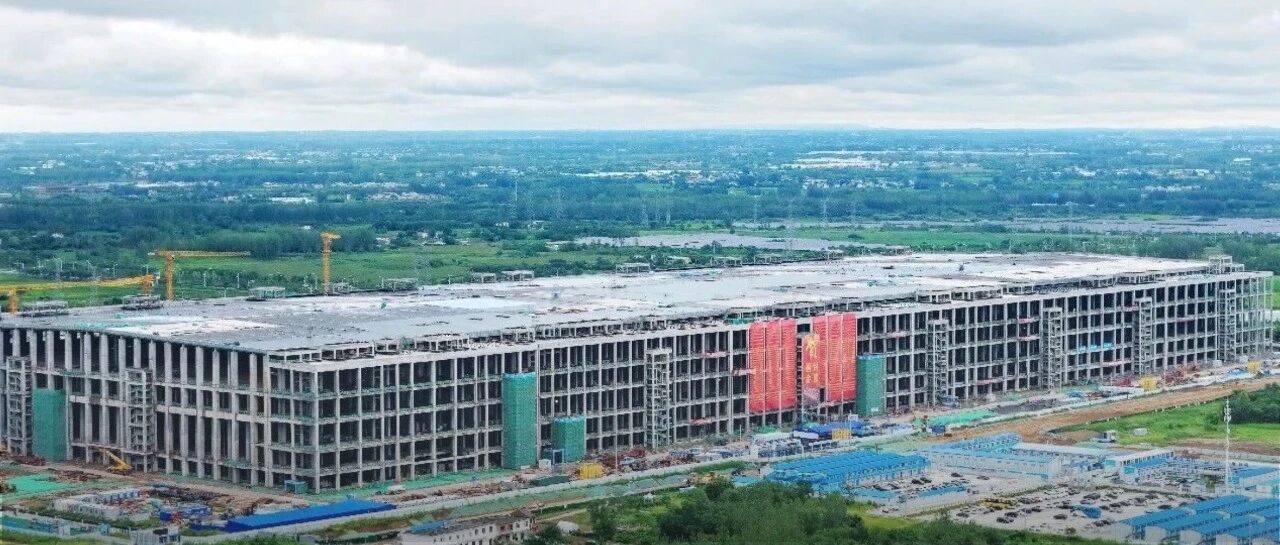
Core Viewpoint - The Hefei Guoxian 8.6-generation AMOLED production line project is progressing well, with 65% completion expected to start cleanroom delivery in Q2 2024, and mass production scheduled for 2027 [1][4][5]. Group 1: Project Overview - The project covers an area of approximately 800,000 square meters, with a designed capacity of 32,000 glass substrates per month (size 2290mm × 2620mm) [4]. - It is the world's first 8.6-generation AMOLED production line utilizing Visionox's FMM-free technology (ViP technology), targeting medium-sized applications such as tablets, laptops, and automotive displays [4]. Group 2: Investment and Financing - The second phase of capital investment for the project amounts to 9.443 billion yuan, with contributions from Hefei Jianxiang and Hefei Xincheng, each investing 2.7625 billion yuan for a 31.13% stake, and Visionox investing 3.918 billion yuan for a 37.73% stake [4]. - Following the second phase investment, the registered capital of Hefei Guoxian will increase to 11.443 billion yuan, and it remains outside Visionox's consolidated financial statements [4]. Group 3: Industry Impact - The establishment of the Hefei Guoxian production line is expected to position Hefei as a core supply base for large-sized AMOLED panels globally, enhancing its technological influence and standard-setting capabilities [5]. - Over 30 supporting enterprises have settled in Hefei, with significant investments exceeding 1 billion yuan to attract additional supporting companies [5].

联想拯救者平板Y700四代:TCL华星与联想共塑“好屏”制造协同范式
WitsView睿智显示· 2026-01-27 03:54
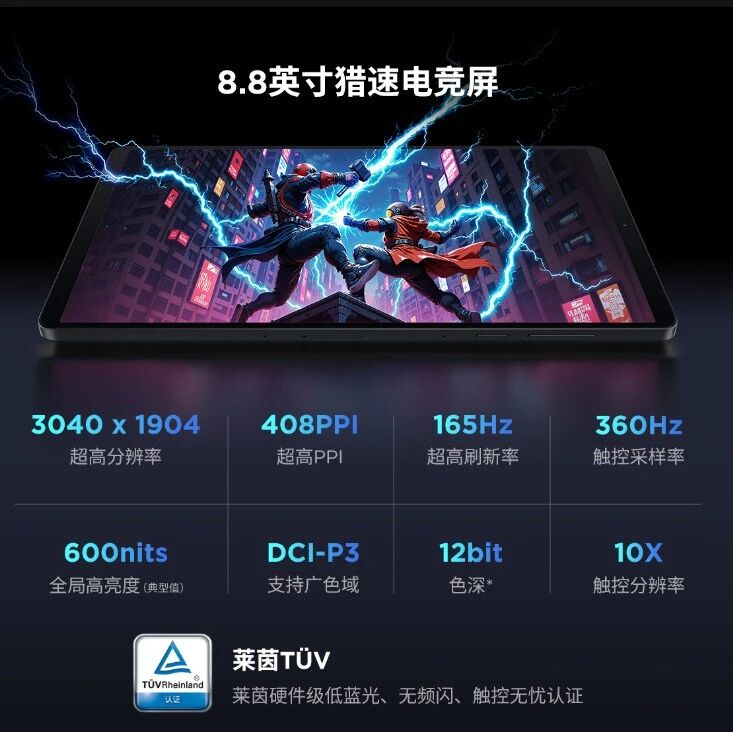
联想拯救者平板Y700四代自上市以来,游戏操控与画质体验的双重优势迅速出圈,斩获市场广泛 关注。知名科技内容创作者"影视飓风"更是对其给出"小尺寸大能量"的高度评价。 这款产品的核心竞争力,源于搭载了TCL华星独家供应的8.8英寸电竞显示屏。这块定制化屏幕以 更贴合手游场景的显示效果与跟手触控体验,重新定义了消费者对电竞平板"好屏"的认知,也成 为联想与TCL华星近年来深化协同创新、打造硬核科技产品的又一标杆成果。 先进显示赋能,塑造电竞平板"好屏标杆" 针对拯救者平板Y700四代小尺寸、高性能的使用场景,TCL华星为其定制8.8英寸LTPS电竞显示 屏, 在有限尺寸内实现了显示性能的系统性提升。 画质表现上 ,这块屏幕 拥有 3040×1904 超 高 分辨率与408PPI超高像素密度,在小尺寸下显著降低像素颗粒感, 让高速游戏的动态画面、 复杂场景的精细细节都能清晰锐利呈现 ;同时支持DCI-P3广色域与12bit色深显示,在色彩覆盖 与过渡细腻度上进一步提升,兼顾游戏画面的冲击力与影音内容的真实还原。 在亮度与能效表现上,该屏幕全局最高亮度达600nits(典型值),不仅 有效 提升画面 的 对比 度和 ...


受CPU、存储器涨价压力,预估2026年Q1笔电出货量将季减14.8%
WitsView睿智显示· 2026-01-27 03:54
Core Insights - TrendForce's latest survey indicates that global laptop brands will face significant pressure from rising memory prices starting in the second half of 2025, followed by a CPU supply shortage and price increases in early 2026, leading to a projected 14.8% quarter-over-quarter decline in global laptop shipments in Q1 2026 [2][6]. Group 1: Component Price Increases - Key components such as DRAM and SSD are expected to see contract prices increase by at least 80% and 70% respectively in Q1 2026, which is higher than previously anticipated [5]. - The average BOM cost contribution of key components is as follows: DRAM + SSD (10-25%), CPU (15-30%), Battery (5-10%), and PCB (3-5%), with price negotiations ongoing for many components [3]. Group 2: Supply Chain and Production Challenges - The fulfillment rate for memory suppliers is expected to decline, limiting the flexibility in sourcing memory and impacting production schedules and shipment rhythms [5]. - The rising complexity of PCB designs and increased copper prices are contributing to higher PCB costs, which is becoming a structural trend as laptop specifications upgrade [5]. Group 3: Market Outlook - Despite supply risks, brands maintain an optimistic outlook for Q1 2026 shipments; however, the inability to secure all materials on time may lead to a 14.8% quarter-over-quarter decline in shipments [6]. - For the entire year of 2026, the shipment forecast has been revised from a 5.4% year-over-year decline to a 9.4% decline due to supply chain bottlenecks and unclear brand strategies [8].


OLED材料企业新三板挂牌申请被受理
WitsView睿智显示· 2026-01-27 03:54
Group 1 - The core viewpoint of the article is that Beijing Dingcai Technology Co., Ltd. has officially received acceptance for its application to list on the New Third Board, with a total of 80,394,266 shares to be publicly transferred [1] - Dingcai Technology focuses on the research, production, and sales of new electronic materials, with key products including OLED organic light-emitting materials and photoresist materials [3] - The company has successfully achieved mass production of high-generation color photoresists and planarization layers for flexible AMOLED displays, and has established partnerships with major players in the display industry such as Visionox and TCL Huaxing [3] Group 2 - Financial data indicates that Dingcai Technology's revenue is projected to be 270 million yuan in 2023, 416 million yuan in 2024, and 282 million yuan in the first half of 2025, with net profit attributable to the parent company expected to be -27.57 million yuan, 33.23 million yuan, and 45.68 million yuan respectively [3] - In May 2025, Dingcai Technology is set to receive investment from Shiming Technology, a leading company in the domestic pigment sector, which is expected to create deep synergies between the two companies [4] - The collaboration will enhance Dingcai's color photoresist product performance through Shiming's technology, while Dingcai's formulation experience and mass production capabilities will contribute to Shiming's technology upgrades in specialized nano-pigment dispersions [4]
日本团队研发出全球首款可发光、发电的OLED显示屏
WitsView睿智显示· 2026-01-26 04:32
Core Viewpoint - NHK Science and Technology Research Institute, in collaboration with Chiba University and Kyoto University, has developed the world's first OLED display device capable of both emitting light and generating solar power, successfully achieving blue light emission [1]. Group 1: Technology Development - The new technology aims to be utilized in disaster scenarios, allowing displays to emit light without an external power source [1]. - The research team utilized "MR-TADF materials," which possess high luminous efficiency and strong light absorption characteristics, enabling the device to switch between light emission and solar power generation modes [1]. - MR-TADF materials represent the third generation of OLED technology, characterized by narrow spectral light emission (full width at half maximum less than 40nm), providing high color purity and efficiency [1]. Group 2: Performance Metrics - The research team successfully achieved red, green, and blue light emission, with external quantum efficiency for green and red light emission devices exceeding 8.5%, marking the highest performance levels globally for both light emission and power generation efficiency [1]. Group 3: Future Applications - NHK Tech plans to focus on enhancing the efficiency and durability of light emission and power generation, aiming for practical low-power display devices [4]. - The technology may also find applications in augmented reality (AR) and virtual reality (VR) fields, which require precise color representation [4].
总投资90亿!惠科浏阳显示项目全面封顶
WitsView睿智显示· 2026-01-26 04:32
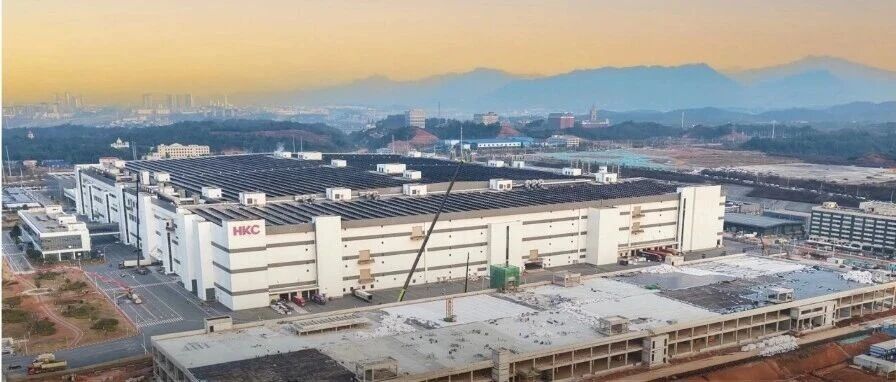
Core Viewpoint - The article highlights the completion of the Liuyang Huike Mini LED project, which is a significant step in the company's strategy to integrate its full industry chain in the Mini LED sector, with a total investment of 9 billion yuan [1][4]. Group 1: Project Overview - The Liuyang Huike Mini LED project has achieved full completion 20 days ahead of schedule, with a total investment of 9 billion yuan and a planned area of approximately 109 acres [1][4]. - The project includes the construction of a main factory, rainwater collection pool, and supporting outdoor pipelines, focusing on Mini LED backlight modules, direct display modules, and complete machine production lines [4]. - The project aims to create a Mini LED industrial base that integrates research and development, production, and assembly, filling a gap in the regional market [4]. Group 2: Strategic Importance - The establishment of the Mini LED project in Liuyang is a strategic extension of Huike's full industry chain integration, following the investment in an 8.6-generation TFT-LCD panel production line in 2019 [4]. - The project is expected to collaborate with leading companies like Lens Technology to promote a closed-loop industrial chain in the "glass-screen-chip-end" sector within the Liuyang Economic Development Zone [4]. Group 3: Equipment Procurement and Future Plans - In early January, Huike Technology Co., Ltd. procured display manufacturing equipment from a South Korean company for approximately 2.66 million yuan, accelerating the project's production timeline [4]. - In addition to the Liuyang project, Huike is also developing a Mini LED project in Mianyang, Sichuan, with a total investment of 5 billion yuan, and a full-color M-LED new display chip base project in Nanchong, with a total investment of 10 billion yuan [5][6].
元太:2025年电子货架标签出货破5亿片
WitsView睿智显示· 2026-01-23 05:44
【集邦Display显示产业交流群】 电子纸大厂元太科技去年营收361.16亿 新台币(约合人民币79.64亿元) ,年增12.29%,创历 史次高纪录,元太副总洪集茂表示,随着全球零售业加速数字转型,电子货架标签(ESL)与户外 电子纸广告看板需求持续升温,其中,在ESL部分去年出货破5亿片,在美大型零售通路持续导入 以及欧洲换机潮带动下,今年成长可期。 洪集茂指出,去年ESL出货从3.4亿片成长至5亿片,其中,美国最大零售商Walmart于2024年开 始导入ESL后,总量4.5亿片,今年还剩下1亿片要安装,另外,元太透过法国系统整合商Vusion 也陆续拿下德国超市Lidl以及英国Tesco两大客户,Tesco预计今年正式导入ESL。 ESL平均尺寸 并将由2.66 英寸 放大至3 英寸 。 洪集茂并指出,电子标签的角色已从单纯价格显示,进一步升级为结合实时信息、促销管理与互 动功能的智能货架解决方案。 目前全球大型零售商在完成系统整合后,导入意愿相当明确,一旦 正式上线,几乎不会停用,后续仅会进行升级与汰换,形成长期稳定的需求结构。 而欧美仍是电子标签最成熟、规模最大的市场,相较之下, 大陆 市场导入 ...