WitsView睿智显示

Search documents
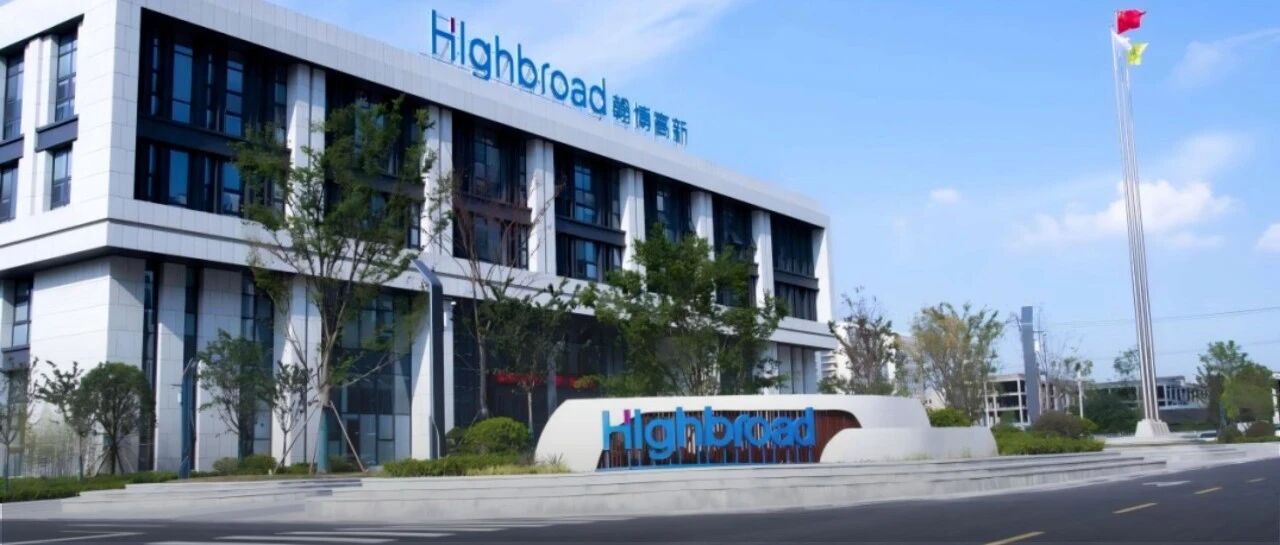
翰博高新越南显示模组关键零部件工厂开业
WitsView睿智显示· 2026-01-23 05:44
Core Viewpoint - The opening of the Ho Chi Minh factory marks the completion of the dual-base strategy in Vietnam, enabling localized production and supply chain support for key components in display modules [1][3]. Group 1: Factory Operations - The Ho Chi Minh factory will focus on the localized production of precision structural parts and optical materials for display modules, serving applications in laptops, automotive electronics, industrial displays, and communication terminals [3]. - The Bắc Ninh factory will concentrate on the intelligent production of backlight modules and liquid crystal display modules (LCM), with planned capacities of 1,400K/month for backlight sources and 500K/month for LCM [3]. Group 2: Global Expansion Strategy - In addition to establishing factories in Vietnam, the company is advancing its global strategy through partnerships with panel manufacturers [4]. - A significant collaboration with LG Display is set to provide comprehensive integrated production services, enhancing the company's presence in the high-end display module international market [5]. - This partnership is expected to improve the company's business coverage and customer service capabilities in Southeast Asia, positively impacting its global supply chain system [5].


真我Neo8发布,搭载165Hz三星苍穹屏
WitsView睿智显示· 2026-01-23 05:44
1月22日, realme真我Neo8手机 正式 发布,产品首销价2399元起,国补到手价2039.15元 起。 图片来源: realme真我 屏幕方面,真我联合三星显示定制全新165Hz三星苍穹屏,采用M14旗舰发光材料。屏幕的手动 峰值亮度1000nit、全局峰值亮度1800nit、局部峰值亮度6500nit,支持3800nit阳光显示, 3800nit极限高亮度下仍能实现103%的P3超广色域覆盖。 据悉,为满足电竞需求,Neo8手机屏幕支持超30款热门游戏实现原生165Hz超高帧显示。同时, 手机还搭载定制妙感触控芯,支持3800Hz瞬时触控采样率;拥有全新绿野护眼技术,支持全亮度 DC调光、硬件级低蓝光、AI主动护眼技术等。 此外,Neo8手机搭载第五代骁龙8处理器、UFS 4.1+LPDDR5X、大气流冷锋散热系统、苍穹通 信系统、8000mAh电池等配置,并拥有新一代极客性能面板、新一代GT性能引擎等技术,全面满 足电竞需求。(集邦Display) TZ 不器研究中心 面板产业链市场供需及价格报告 面板价格"Plus"和市况更新月度报告 面板产业市况季度报告 . 面板价格预测月度报告 . 面板出 ...

惠科回复IPO第二轮审核问询函
WitsView睿智显示· 2026-01-23 05:44
Core Viewpoint - The article discusses the financial performance and inventory management of Huike, particularly focusing on the gross margin variations between IT panels and TV panels, as well as the reasons behind the high levels of raw materials and inventory at the end of reporting periods [1][3][5]. Financial Performance Summary - In 2022, Huike's IT panel gross margin was 16.53%, while the TV panel gross margin was -15.10%, indicating a significant difference primarily due to falling panel prices [3]. - In 2023, the IT panel gross margin increased to 20.54%, up by 4.01 percentage points from 2022, while the TV panel gross margin rose to 16.47%, an increase of 31.57 percentage points [4]. - For 2024, the IT panel gross margin is projected to decrease to 17.68%, a decline of 2.86 percentage points from 2023, whereas the TV panel gross margin is expected to rise to 18.88%, an increase of 2.41 percentage points [5]. - In the first half of 2025, the IT panel gross margin is anticipated to be 18.75%, up by 1.07 percentage points from 2024, while the TV panel gross margin is expected to reach 24.50%, an increase of 5.62 percentage points [5]. Inventory and Raw Material Management - The book value of raw materials at the end of each reporting period was as follows: 1.459 billion, 1.818 billion, 1.807 billion, and 2.055 billion yuan, indicating a consistent high level [5]. - The book value of inventory at the end of each reporting period was: 2.637 billion, 3.974 billion, 3.332 billion, and 4.640 billion yuan, reflecting a similar trend of maintaining high inventory levels [5]. - The company adopts a "production-based ordering + reasonable inventory" principle for raw material procurement, which leads to higher raw material values due to the long procurement cycles of key materials [6]. - The company maintains a good order coverage for its inventory, with most items supported by existing orders, and adjusts inventory levels based on customer demand and market forecasts [7].

四川绵阳OLED电子元器件产业园项目(一期)交付
WitsView睿智显示· 2026-01-22 05:43
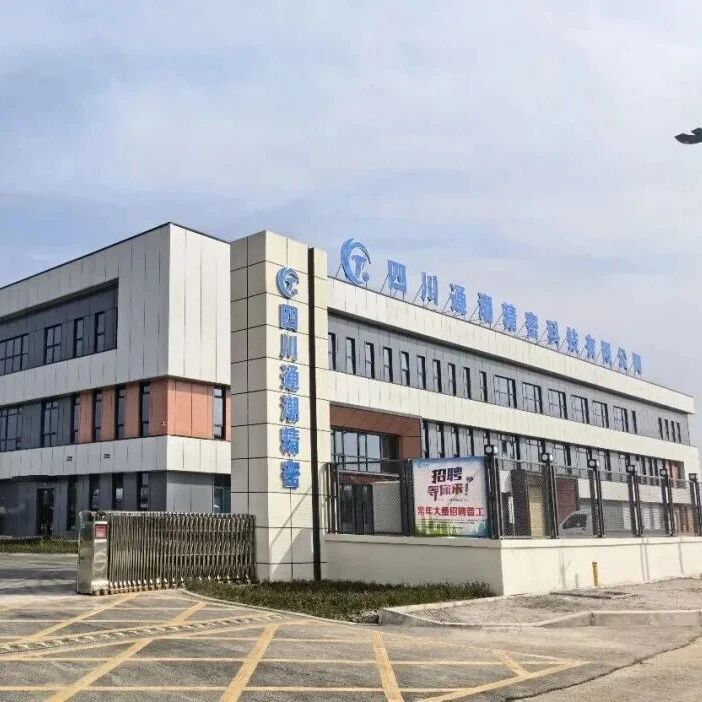
1月16日,中科投发集团 宣布, 由 公司 作为代建方承接的绵阳经开区OLED电子元器件产业园 项目(一期)建设任务 已 收官,正式交付使用方 。 项目计划总投资1.4亿元,建筑面积约1.2万平方米。建设内容包括一幢厂房、消防控制室、门卫 室以及厂区道路等配套设施, 由四川通潮精密科技有限公司(简称"通潮精密")负责运营。 通潮精密副总经理王琨表示:"项目主要是建成一条OLED产品清洗再生生产线,投产以后将为国 内的OLED手机客户提供CVD(化学气相沉积)产品的清洗再生,还有新品服务,可实现CVD核 心零部件的国产化。" 行业背景显示,薄膜沉积制程中的CVD(化学气相沉积)作为OLED关键制程之一,从设备到零部 件几乎完全依赖进口。 电极等关键零部件应用于CVD设备的反应腔体内部,对CVD工艺过程中的气流场、温度场有重要 影响,会直接影响上述设备使用的可靠性和稳定性,进而影响显示面板产品的性能及良率,属于 核心工艺零部件。 通潮精密表示,该项目投产后,产品覆盖G10.5代以下所有氧化物工艺产品的真空电极,进一步提 升公司的生产能力、技术水平和市场竞争力,为公司的长远发展奠定坚实基础。(集邦Display整 ...
2025年面板价格回顾与2026年Q1展望
WitsView睿智显示· 2026-01-22 05:43
Core Viewpoint - The global display industry shifted from scale competition to a value game focused on profits and control capabilities in 2025, with supply-side adjustments significantly influencing price trends as capacity expansion cycles ended and industry concentration increased [1]. Group 1: TV Panel Market Dynamics - In 2025, TV panel prices exhibited clear phase characteristics, rising in the first half due to demand and policy drivers, then adjusting downwards in the second half due to inventory corrections, stabilizing by year-end under strong supply-side interventions [2]. - The first half of 2025 saw strong market demand, driven by China's "old-for-new" policy, particularly boosting demand in lower-tier markets, alongside a trend towards larger sizes, which increased panel manufacturers' confidence and pricing power [2]. - In the latter half of 2025, demand cooled as promotional effects waned, leading to high inventory levels among brand manufacturers, who adopted conservative procurement strategies, resulting in price declines of $1 to $3 across various panel sizes [2][3]. Group 2: IT Panel Market Performance - The IT panel market remained relatively stable in 2025, with minor price fluctuations, as the U.S. temporarily exempted certain IT products from tariffs, leading to a mild price increase in Q2 due to concentrated procurement [5]. - Despite a decrease in demand in the second half of 2025, prices did not significantly drop, supported by strong cost factors and a long-standing loss situation for mainstream display panels, leading manufacturers to maintain firm pricing stances [5]. - The notebook panel market experienced a steady yet pressured state throughout 2025, with prices remaining flat in the first half due to cautious strategies amid complex international trade environments, and slight price reductions in Q4 due to rising costs from memory prices [7]. Group 3: Industry Consolidation and Technology Shift - The price fluctuations in 2025 reflected a deep restructuring of the competitive landscape, with the LCD sector entering an oligopolistic phase and OLED technology becoming a new investment focus [9]. - Mergers and acquisitions became the main theme in capacity layout, with significant consolidations like BOE acquiring a stake in Xianyang Rainbow and TCL Huaxing merging with LGD, further increasing industry concentration [9]. - Investment in the LCD sector has stagnated, with funds increasingly directed towards OLED technology, which accounted for 55% of the nearly 180 billion yuan planned investments by major domestic panel manufacturers over the past two years [9][12]. Group 4: Q1 2026 Outlook - The TV panel market is expected to see a "good start" in Q1 2026, with prices projected to rise by $1 across various sizes due to strong supply-side adjustments and proactive production cuts by major manufacturers ahead of the Chinese New Year [13][15]. - Demand factors for Q1 2026 include the FIFA World Cup, which typically boosts demand for large TVs, and the continuation of the "old-for-new" policy, which supports domestic sales [15]. - The IT panel market is anticipated to maintain stable prices in January, with potential upward support from the TV panel price increase and production cuts, while notebook panel prices may face downward pressure due to seasonal demand [15]. Group 5: Long-term Industry Strategies - The market operation in 2025 indicates that adjusting production rates to balance supply and demand has become a normalized strategy for panel manufacturers, with a focus on leveraging market opportunities from sports events in 2026 [16]. - Long-term strategies for panel companies should include upgrading product structures towards larger sizes and accelerating the layout of mid-size OLED technology to enhance profitability and competitive barriers [16].



合力泰公布2025年业绩预告
WitsView睿智显示· 2026-01-22 05:43
Core Viewpoint - The company, Helitai, is forecasting a significant decline in net profit for the fiscal year 2025, projecting a profit of between 22 million to 33 million yuan, which represents a decrease of 98.55% to 97.83% compared to the previous year [1][2]. Financial Performance Summary - The projected net profit attributable to shareholders is between 22 million and 33 million yuan, a sharp decline from 151.92 million yuan in the same period last year [2]. - The net profit after deducting non-recurring gains is expected to be between 32 million and 48 million yuan, a recovery from a loss of 230.1 million yuan in the previous year [2]. - Basic earnings per share are projected to be between 0.0029 yuan and 0.0044 yuan, down from 0.20 yuan per share last year [2]. Reasons for Performance Changes - The company completed a restructuring in 2024, which involved a significant debt restructuring gain of 4.803 billion yuan, contributing to high non-recurring gains last year. This year, the absence of such gains has led to a substantial decrease in net profit [2]. - During the reporting period, the company underwent structural adjustments in its operations, focusing resources on the promising general display and electronic paper business segments. The demand for electronic paper applications has increased, leading to improved production efficiency and customer delivery capabilities, which positively impacted revenue and net profit [3]. Business Segments - Helitai's main business segments include general display and electronic paper, with products such as black and white display modules, color display modules, touch screen modules, and electronic paper display modules [3]. - For the first three quarters of 2025, the company reported total operating revenue of 1.259 billion yuan, an increase of 23.84% year-on-year, and a net profit attributable to shareholders of 17.81 million yuan, up 101.45% year-on-year [3].


加码G8.6代OLED用掩膜版,路维光电拟定增13.8亿元
WitsView睿智显示· 2026-01-22 05:43
1月21日,路维光电公告,拟定增募资不超13.8亿元,用于厦门路维光电高世代高精度掩膜版生 产基地项目(一期)、补充流动资金及偿还银行借款。 | 序号 | 募集资金投资项目 | 计划投资总额 | 拟使用募集资金 | | --- | --- | --- | --- | | | 厦门路维光电高世代高精度掩膜版生 产基地项目(一期) | 130,089.17 | 107.000.00 | | | 补充流动资金及偿还银行借款 | 31,000.00 | 31,000.00 | | | 合计 | 161,089.17 | 138,000.00 | 据悉, 掩膜版是微电子制造过程中的图形转移母版,是平板显示、半导体等行业生产制造过程中 关键材料。 公告显示, 本募集资金投资项目为"厦门路维光电高世代高精度掩膜版生产基地项目(一期)", 建设单位和实施主体是厦门路维光电有限公司,主要建设内容为新建5条高精度平板显示掩膜版生 产线, 重点研发生产G8.6及以下AMOLED/LTPO/LTPS高精度光掩膜版 。 该项目 是对现有产品线在高精度、高世代方向的战略扩充与升级,建成达产后将为公司新增 1,813片高精度掩膜版的产能。 ...


TCL电子接手索尼电视业务,华星或将扮演关键角色
WitsView睿智显示· 2026-01-21 10:14
Group 1 - The core viewpoint of the article is the strategic partnership between TCL and Sony in the home entertainment sector, aiming to establish a joint venture to take over Sony's home entertainment business [2][3]. - The new company will be owned 51% by TCL and 49% by Sony, focusing on television and home audio equipment, with plans to finalize the agreement by the end of March this year [3]. - TCL's television shipments surpassed 20 million units in 2019, and it is projected to become the second-largest TV brand globally by 2024, with an expected shipment of 31 million units and a market share of 15.7% by 2025 [3]. Group 2 - Sony's television shipments peaked at 21.5 million units in 2010, with a market share of 11.4%, but are expected to drop below 4 million units and a market share of 1.9% by 2025 due to competition from Chinese brands [3]. - The joint venture is expected to enhance supply chain integration, with TCL's subsidiary, TCL Huaxing, playing a crucial role in panel supply [4]. - Sony's production model currently relies on 45% in-house manufacturing and 55% outsourcing, with Foxconn handling about 80% of the outsourcing orders, but this is expected to shift towards TCL's manufacturing capabilities [4]. Group 3 - Historically, Japanese brands held nearly 40% of the global TV market share, but have been losing ground to Chinese brands, leading to companies like Toshiba and Panasonic exiting the TV business [6]. - The joint venture between TCL and Sony is anticipated to receive regulatory approval and officially launch by April 2027, further solidifying the dominance of Chinese brands in the global TV market [6].

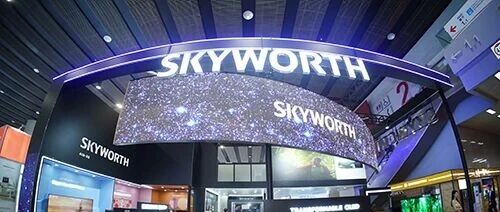
创维集团拟回购股份私有化,拆分光伏业务单独上市
WitsView睿智显示· 2026-01-21 08:27
Core Viewpoint - Skyworth Group announced a proposal to distribute shares of Skyworth Solar and apply for its listing, along with a share buyback plan to withdraw from the stock market, contingent on certain conditions being met [1][3]. Group 1: Share Distribution and Listing - The company plans to distribute its holdings in Skyworth Solar to all shareholders, with Skyworth Solar applying for a listing on the main board of the Hong Kong Stock Exchange [3]. - The completion of the share distribution, the listing of Skyworth Solar, and the share buyback will occur simultaneously or approximately on the same day [3]. Group 2: Share Buyback Plan - The share buyback plan involves the cancellation of planned shares, allowing shareholders to choose between receiving HKD 4.03 in cash per share or one new share [3]. - Skyworth Group has issued 634,536,832 planned shares, and if all shareholders opt for cash, the maximum cash payout would be approximately HKD 2.557 billion [3]. Group 3: Financial Performance - For the first three quarters of 2025, Skyworth Group reported revenue of CNY 36.26 billion, a year-on-year increase of 20.3%, while the net profit attributable to the parent company was CNY 125 million, a year-on-year decrease of 67.4% [4]. Group 4: Impact on Shareholding Structure - Following the proposed delisting of Skyworth Digital, the shareholding structure of Skyworth Group will change, but it will not affect the controlling shareholder or actual controllers of the company [4].
三星显示:将为极氪9X供应OLED屏
WitsView睿智显示· 2026-01-21 06:27
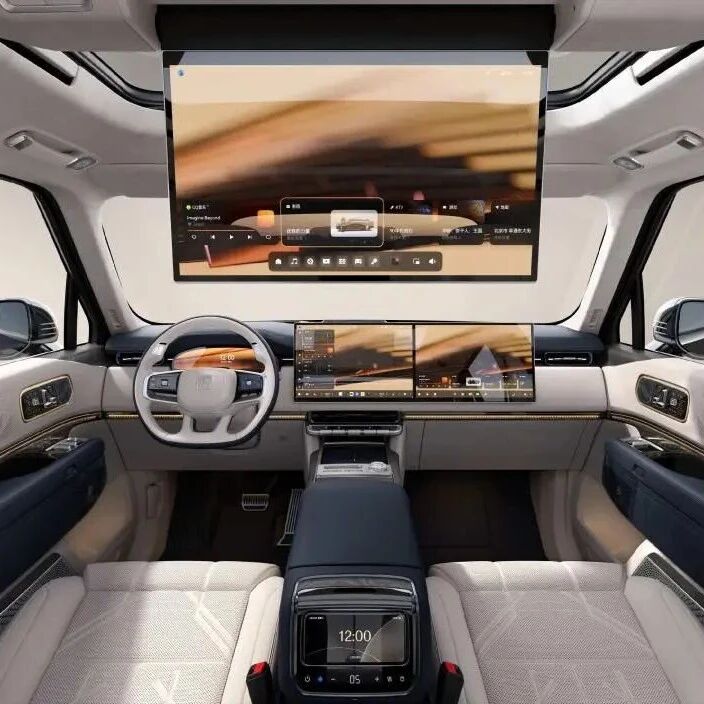
1月21日,三星显示宣布,将为吉利旗下高端电动汽车品牌极氪(Zeekr)旗舰SUV车型"9X"提供 三款定制化车载OLED显示屏,规格分别为16英寸中央信息显示屏(CID)、16英寸乘客信息显示 屏(PID)以及17英寸后排娱乐系统(RSE)。 具体看,驾驶员和乘客座椅上并排安装的16英寸CID和PID显示屏采用OLED标志性的超窄边框和 纯黑显示。两款屏幕支持独立操作,能够根据驾乘人员的个性化需求分别调用不同功能。 尤为引人注目的是17英寸RSE,该系统采用三星显示和极氪联合开发的"翼式滑动屏幕"。该设计 通过安装在车内左右两侧的滑轨调节屏幕位置,并可在第二排和第三排之间滑动最多88厘米的距 离,解决了现有固定式屏幕限制第三排乘客视野的问题。 ▶ 关于集邦 project 三星显示表示,自2024年首次为极氪的"009"车型提供汽车OLED显示屏以来,公司一直与极氪 保持着合作关系。极氪通过将9X的高性能驾驶系统与基于OLED技术的数字座舱深度融合,进一 步强化了品牌的高端市场定位。 三星显示汽车销售执行董事崔勇硕(音译)表示:"车载OLED凭借其高亮度和纯正的黑色画质, 为高端出行体验锦上添花。三星显示将 ...