沉积设备

Search documents
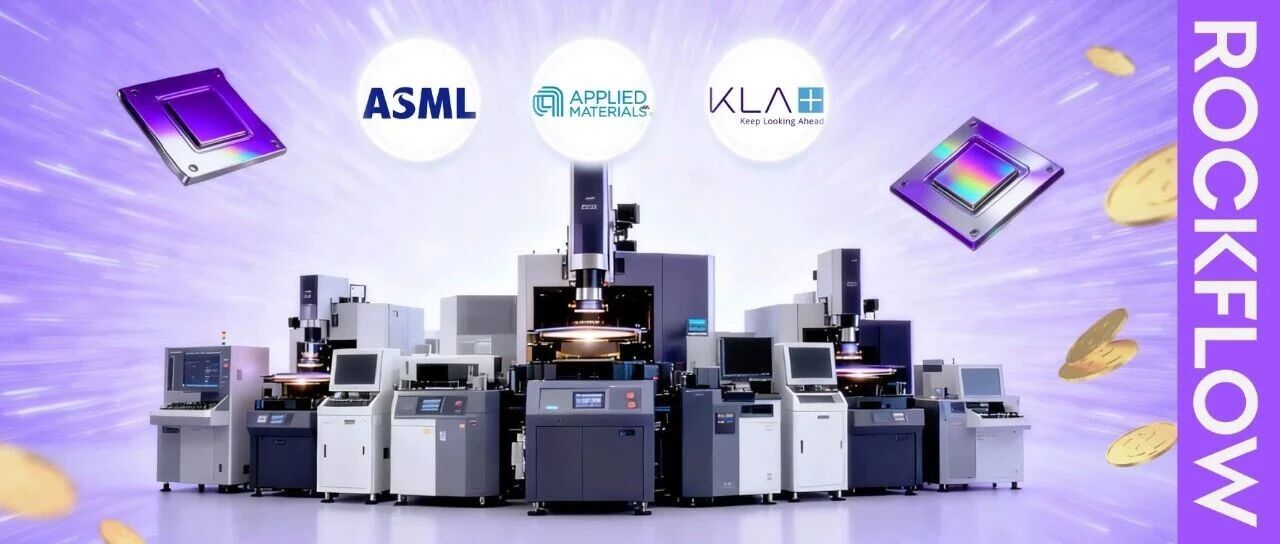
为什么地缘冲突越烈,阿斯麦反而会越稳?
RockFlow Universe· 2026-03-26 10:31
Core Insights - The geopolitical turmoil in the Middle East has accelerated the construction of domestic wafer fabs in the US, Europe, Japan, and the Middle East, ensuring supply chain resilience, making semiconductor equipment companies like ASML and AMAT more attractive than gold as safe-haven assets [1][6] - The arrival of the 2nm production year has triggered a concentrated explosion of technological dividends, with ASML's High-NA EUV lithography machines generating significant profits and AMAT capturing 30% more value per wafer due to the transition to GAA transistor architecture [2][10] - RockFlow's research team believes that betting on the "big three" semiconductor equipment companies in the US stock market has become the most rational survival strategy amid market volatility [3][13] Group 1: Geopolitical Impact on Semiconductor Equipment - Geopolitical conflicts typically lead to inflationary pressures and a decline in risk appetite, which should negatively impact high-valuation tech stocks; however, this logic has been restructured in 2026 due to the rise of "computing sovereignty" narratives [8][9] - The pursuit of supply chain resilience has intensified, with countries like the US, Europe, Japan, and the UAE investing heavily in local wafer fabs, as equipment procurement is the first step in this long-term construction process [8][9] Group 2: Transition from Quantity to Quality - The transition to the 2nm node represents an internal driving force for industry growth, with ASML's High-NA EUV lithography machines entering a delivery phase, significantly boosting ASML's profit margins [10][12] - AMAT's value per wafer has increased by approximately 30% compared to the 5nm era, as the GAA architecture requires more precise material engineering solutions [12][18] Group 3: The "Big Three" Semiconductor Equipment Companies - ASML, AMAT, and KLAC are the three pillars supporting the semiconductor industry, with ASML's order backlog reaching €38.8 billion, covering over 80% of its annual revenue expectations [15][19] - AMAT's extensive product line covers about 80% of the critical steps in chip manufacturing, making it an indispensable partner for wafer fabs [17][18] - KLAC's dominance in yield management and measurement positions it as a critical player in ensuring high production quality, with a non-GAAP gross margin consistently above 62% [24][29] Group 4: Catalysts for Semiconductor Equipment Growth - Advanced packaging and HBM technologies are becoming standard, creating a second battlefield for equipment giants like AMAT [31][32] - The CHIPS Act is expected to provide substantial funding, eliminating long-standing policy uncertainty and driving capital expenditures in the semiconductor sector [33] - The emergence of new buyers from non-traditional regions, such as Middle Eastern sovereign funds, is expected to contribute significantly to equipment orders, offsetting growth slowdowns in traditional markets [34][35]


日本芯片设备,改变全球版图
半导体芯闻· 2026-03-02 10:50
Core Viewpoint - The article emphasizes the rising importance of Japanese semiconductor equipment manufacturers in the global chip industry, highlighting their critical role in the supply chain and technological advancements [1][2][3]. Group 1: Industry Dynamics - The global semiconductor race is intensifying, with countries focusing on advanced processes, making equipment and materials suppliers crucial to the industry's progress [1]. - Japanese companies like Tokyo Electron and SCREEN are seeing steady increases in orders and market share, indicating a resurgence in their industry position [1]. - The shift in the global semiconductor power structure is influenced by Japan's key process equipment amid export controls and technological decoupling [1][2]. Group 2: Competitive Advantages - Japanese firms have maintained consistent R&D investments over the past decade, allowing them to provide indispensable expertise as chip processes become more complex [2]. - The increasing complexity and price of equipment as processes advance necessitate high precision and stability, areas where Japanese companies excel [2][3]. - The cultural emphasis on quality and engineering detail in Japanese firms aligns well with the demands of semiconductor equipment, leading to greater trust in their products during advanced process transitions [2]. Group 3: Supply Chain and Collaboration - Japan possesses a complete supply chain in materials, precision components, and industrial automation, which is closely related to semiconductor equipment [3]. - Collaboration between equipment manufacturers and material suppliers is crucial for enhancing process stability, especially during global industry restructuring [3]. - Japanese equipment manufacturers are at a pivotal point in the industry, and their ability to adapt to geopolitical risks while continuing R&D will solidify their global standing in the next decade [3].
未知机构:据提供的多份投行研究报告市场对于2026年全球晶圆厂设备WFE市场的趋势普-20260128
未知机构· 2026-01-28 02:30
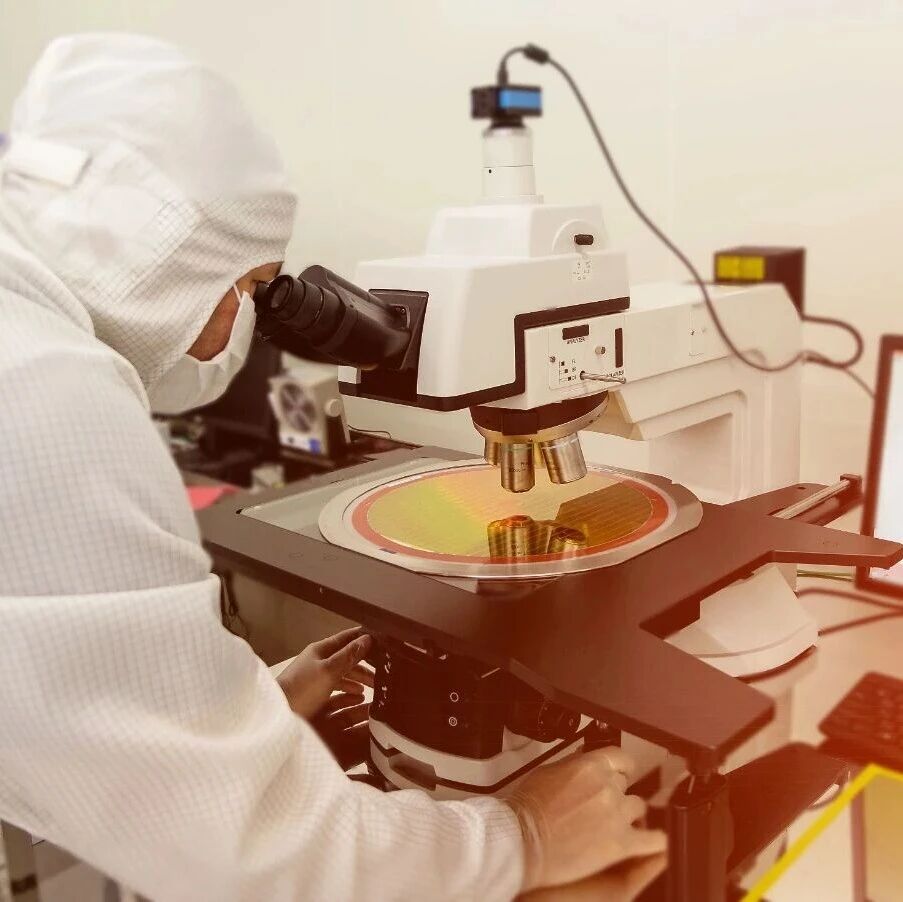
Summary of Conference Call on the Semiconductor Equipment Industry Industry Overview - The global wafer fabrication equipment (WFE) market is expected to continue growing through 2026, driven primarily by strong demand from artificial intelligence (AI), high-performance computing (HPC), and memory sectors [1][2][3]. Core Trends and Predictions - Major investment banks, including Goldman Sachs, Morgan Stanley, and Bernstein, have raised their 2026 WFE spending forecasts, predicting growth rates ranging from mid-single digits to low double digits [2][3]. - Morgan Stanley forecasts the WFE market size to reach $129 billion in 2026, representing an 11% year-over-year increase, with a further increase to $145 billion in 2027, reflecting a 13% growth rate [3]. - Goldman Sachs has adjusted its 2026 WFE growth expectation to a range of 9-11% [4]. - Bernstein estimates the 2026 WFE market size at approximately $132 billion, with a 10% year-over-year growth [5]. Key Growth Drivers - **AI Infrastructure Spending**: The demand for AI model training and inference is driving hyperscalers to increase capital expenditures, providing structural tailwinds for semiconductor and equipment companies [6]. - **Memory Spending Recovery**: - **DRAM**: Driven by AI server demand for high-bandwidth memory (HBM), DRAM spending is entering a "new paradigm." Major manufacturers like Samsung, SK Hynix, Micron, and ChangXin Storage are expected to expand capacity and upgrade technology to meet unprecedented bit growth rates, projected to reach 25% from 2025 to 2026. Morgan Stanley predicts a 17% increase in DRAM WFE spending in 2026 [7]. - **NAND**: Spending has rebounded from historical lows, with manufacturers upgrading existing NAND capacity to over 200-layer QLC architectures to meet enterprise SSD demand. Significant growth in NAND WFE is also anticipated, with Morgan Stanley forecasting a 28% increase in 2026 [7]. - **High-End Logic Investment**: TSMC is a key driver, maintaining high capital expenditures to meet advanced process demands from AI/HPC and smartphones. This is expected to translate into equipment orders [7]. Equipment Type Preferences - There is an increasing reliance on etch and deposition equipment due to the proliferation of 3D architectures (GAA, 3D NAND, 4F2 DRAM). Growth in these equipment types is expected to outpace the overall WFE market [9]. - Companies dominating the etch and deposition sectors, such as Applied Materials and Lam Research, are viewed positively [10]. China Market Outlook - Western equipment suppliers are cautious about the Chinese market for 2026, with some expecting a decline in revenue share due to rising localization rates (from approximately 21% to 29%) and export control policies [11]. - Despite this, overall WFE spending in China is expected to remain resilient or decline moderately, supported by local logic (AI GPU) and memory capacity expansions [11]. - Local equipment manufacturers, such as North Huachuang and AMEC, are projected to continue gaining market share in mature process areas [12]. Risks and Considerations - **Cycle Position**: Some reports suggest that the semiconductor equipment industry is in a "mid-cycle" phase, with growth momentum potentially slowing or stabilizing in 2026 [13]. - **Geopolitical Risks**: Further export controls on China could pose downside risks [14]. - **Sustainability of Demand**: Investors are closely monitoring the sustainability of AI spending and the long-term visibility of hyperscaler capital expenditures [14]. Investment Recommendations - There is a general positive outlook for leading equipment manufacturers with structural advantages in etch and deposition, such as Applied Materials and Lam Research [15]. - Specific company ratings have been adjusted based on growth prospects and customer structures, with upgrades for Teradyne and downgrades for ARM Holdings [15]. - For the Chinese market, focus is on local equipment suppliers that have growth logic and are continuously gaining market share [16]. Conclusion - The semiconductor equipment market in 2026 is characterized by structural growth driven by AI and HBM, a strong rebound in memory spending, and a shift in equipment demand towards etch and deposition technologies. The Chinese market presents localization opportunities amid policy constraints. Overall trends are positive, but attention must be paid to industry cycle positions and geopolitical risks [16].
广州:积极谋划芯片研发设计、晶圆制造、封装测试、半导体材料和设备等全产业链布局
Zheng Quan Shi Bao Wang· 2026-01-08 09:17
Core Viewpoint - The Guangzhou Municipal Government has issued a plan to accelerate the development of an advanced manufacturing strong city, focusing on the semiconductor and integrated circuit industry from 2024 to 2035 [1] Group 1: Industry Development - The plan emphasizes the promotion of the semiconductor and integrated circuit industry, including chip research and design, wafer manufacturing, packaging and testing, as well as semiconductor materials and equipment [1] - The strategy aims to fill gaps in the industry chain by leveraging districts such as Huangpu, Nansha, and Zengcheng [1] Group 2: Supply Chain and Equipment - The initiative includes the establishment of production lines for manufacturing materials like photomasks, photoresists, electronic gases, and high-purity target materials [1] - It also focuses on attracting and nurturing leading enterprises in manufacturing equipment and components for processes such as lithography, etching, ion implantation, deposition, cleaning, and testing [1]
2026A股潜力王!10朵高景气金花出炉,政策+业绩双驱动
Sou Hu Cai Jing· 2026-01-07 08:41
Core Viewpoint - The article emphasizes the importance of selecting the right sectors in the A-share market, particularly focusing on emerging industries supported by government policies, such as integrated circuits, new energy, and biomedicine, which are expected to yield significant returns in the coming year [1]. Group 1: Selection Logic - The ten selected stocks are based on three hard standards: policy support, performance certainty, and reasonable valuation [3]. - Policy support is derived from the Ministry of Industry and Information Technology's focus on emerging pillar industries, which will benefit from research subsidies and industrial support [3]. - Performance is guaranteed with expected revenue/net profit growth of at least 20% and a return on equity (ROE) of at least 15% by 2025, with data sourced from company annual reports [3]. - Valuation is considered reasonable if the price-to-earnings (PE) and price-to-book (PB) ratios are below industry averages or at historical lows, providing a safety margin [3]. Group 2: Potential Stocks Analysis - The ten companies span key sectors such as semiconductors, new energy, and biomedicine, each with solid growth logic supported by authoritative data [5]. - Notable companies include: - Northern Huachuang (002371): A leader in semiconductor equipment with a leading domestic market share and a PEG of 1.2 [5]. - China Great Wall (000066): A core player in the Xinchuang hardware sector with a historical low PE of approximately 28 times and strong asset integration expectations [5]. - Desheng Technology (002908): A small-cap stock benefiting from social security services and data rights, with high elasticity expected as policies accelerate in 2026 [5]. Group 3: Core Sector Opportunities - Three key sectors are highlighted for their concentrated policy benefits and strong growth certainty: - Semiconductors and domestic substitution: The Ministry of Industry and Information Technology is promoting industrial foundation reconstruction, benefiting companies like SMIC and Northern Huachuang [6]. - New energy (photovoltaics and energy storage): The national energy work conference aims for an additional 200 million kilowatts of wind and solar installations by 2026, with companies like Longi Green Energy and CATL positioned to benefit [6]. - Biomedicine and innovative drugs: As an emerging pillar industry, stable policies and accelerated overseas expansion are expected to benefit companies like Heng Rui Medicine and Huahai Pharmaceutical [6]. Group 4: Practical Guide for Investors - Investors are advised to utilize three practical methods to seize opportunities without falling into pitfalls: - Verify authoritative information by checking company annual reports on the Shanghai and Shenzhen Stock Exchanges to confirm performance and order status [8]. - Diversify investments by selecting 1-2 stocks from each of the semiconductor, new energy, and biomedicine sectors to mitigate risks [8].



芯片设备公司,挣翻了
半导体芯闻· 2026-01-06 10:30
Group 1 - The core viewpoint of the articles highlights the strong performance of semiconductor equipment companies in the U.S. stock market, driven by anticipated returns from investments in artificial intelligence (AI) infrastructure, which are expected to benefit manufacturing equipment suppliers following the semiconductor sector [1][2] Group 2 - ASML's stock price increased by 8.78% on January 2, closing at $1228.19, supported by its dominant position in EUV exposure equipment through partnerships with major semiconductor manufacturers like Samsung and SK Hynix [1] - Lam Research's stock also showed strong momentum, rising 8.11% on January 2 and closing up 5.24%, as it leads the global etching equipment market [1] - Applied Materials (AMAT) saw its stock rise by 4.62% on January 2 and an additional 5.75% on the same day, with its products covering deposition and etching equipment [1] - KLA's stock performance was robust as well, with increases of 4.89% and 6.12% on consecutive trading days [1] Group 3 - Bernstein raised ASML's target stock price from $935 to $1528 and upgraded its investment rating from "neutral" to "outperform," citing demand for equipment from semiconductor companies expanding their factories [2] - Morgan Stanley predicts that the supply shortage will persist this year due to surging demand for AI chips, rating AMAT as a top priority stock [2] - Bank of America forecasts that global semiconductor sales will exceed $1 trillion this year [2]
中微公司-宣布 CMP 设备收购计划,产品结构向先进制程升级;给予 “买入” 评级
2025-12-22 02:31
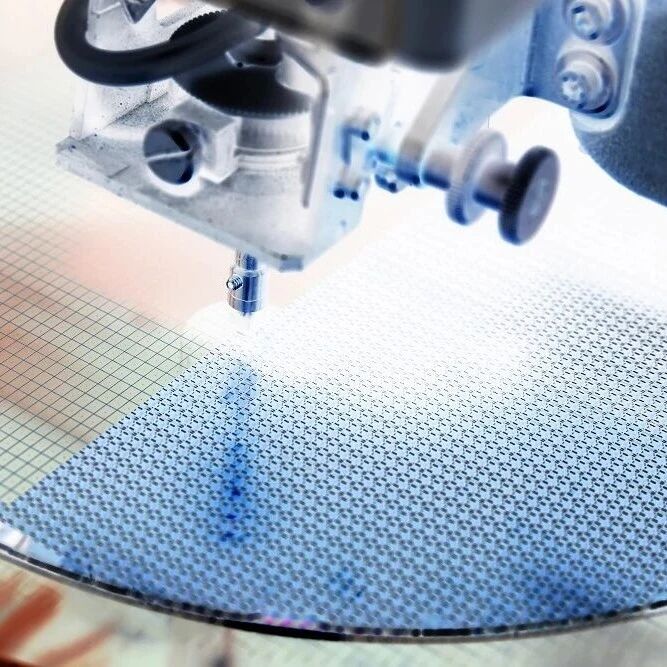
Summary of AMEC (688012.SS) Conference Call Company Overview - **Company**: AMEC (Advanced Micro-Fabrication Equipment Inc.) - **Industry**: Semiconductor Equipment Manufacturing Key Points Acquisition Announcement - AMEC plans to acquire Hangzhou Sizonetech, a local 12-inch CMP (Chemical Mechanical Polishing) supplier, through a private placement of share issuance on December 18 [1][2] - This acquisition aims to expand AMEC's product offerings from etching, deposition, and ion implantation tools to include CMP equipment, enhancing its platform strategy for comprehensive client solutions [1][2] Strategic Focus - The acquisition is seen as strategically positive, aligning with the trend of local semiconductor equipment suppliers focusing on core product development and expanding into other tools through in-house development or acquisitions [3] - Other suppliers in the sector, such as Hwatsing and ACMR, are also diversifying their product lines, indicating a broader industry trend towards enhancing capabilities amid rising semiconductor capital expenditure in China [3] Earnings Revision - AMEC has revised its earnings estimates upward by 4% for 2027 and 2% for 2028, reflecting increased revenues from etching and deposition tools due to a product mix upgrade driven by rising client demand [4] - The operating expense ratio for 2026 is expected to increase by 0.2 percentage points due to higher R&D spending, but this is offset by a 0.5 percentage point improvement from higher efficiencies [4] Financial Projections - Revenue projections for 2026E are raised to Rmb17.349 billion, with net income estimates for 2027E increased to Rmb5.565 billion [8] - The gross margin is expected to stabilize around 43.9% for 2027E, with operating margins improving to 26.5% [8][11] Valuation and Price Target - The 12-month target price for AMEC is revised to Rmb424, based on a discounted P/E methodology with a target multiple of 40.5x for 2029E [12][14] - This target price reflects a potential upside of 55.5% from the current price of Rmb272.72 [14] Risks - Key downside risks include potential trade restrictions that could affect demand for AMEC's products, particularly if they expand to mature node fabs [13] - The company's ability to supply advanced node products could also be hindered, impacting its market position [13] - Weaker-than-expected capital expenditures from major foundries in China pose additional risks [13] Additional Insights - The semiconductor equipment sector is experiencing a shift towards advanced nodes, with AMEC's strategic moves positioning it well to capitalize on this trend [1][3] - The focus on comprehensive solutions through acquisitions and product diversification is a critical strategy for maintaining competitiveness in a rapidly evolving market [3][4]

供货京东方、维信诺等,多家韩国设备厂受益
WitsView睿智显示· 2025-11-24 10:08
Core Viewpoint - The article highlights the recovery of the South Korean display equipment industry, with seven companies turning profitable in Q3 compared to the previous year, largely due to investments by Chinese panel manufacturers in OLED production lines [1][2]. Group 1: Financial Performance of Companies - Seven South Korean display equipment companies reported a turnaround in profitability, with the number of loss-making companies decreasing from nine to two [1]. - Device and Sunic Systems showed the highest revenue growth, with increases of 638% and 587% respectively, reflecting the impact of Chinese panel manufacturers' investments [1]. - Sunic System transitioned from a loss of 1.6 billion KRW in Q3 last year to a profit of 19.5 billion KRW this year, attributed to contracts with BOE for OLED production line equipment [1][2]. Group 2: Specific Company Developments - Device achieved revenues of 39.1 billion KRW and an operating profit of 13.3 billion KRW in Q3, marking a 637% year-on-year revenue increase and a 504% rise in operating profit [5]. - ICD significantly reduced its operating loss from 3.1 billion KRW last year to 300 million KRW this year, with a cumulative profit shift from a loss of 16.8 billion KRW to a profit of 260 million KRW [6]. - TSI's cumulative operating profit increased from 26.2 billion KRW to 29.4 billion KRW, benefiting from orders from BOE and Visionox [6][7]. Group 3: Market Trends and Implications - The article notes that companies focusing on the Chinese market have shown significant performance improvements, with ICD's revenue from exports reaching 70% in Q3 [6]. - The increasing reliance on the Chinese market for equipment suppliers is seen as a necessary trend due to the rapid advancements in OLED technology by companies like BOE and TCL Huaxing [7].



芯片设备制造商ASM国际(ASMIY.US)Q3订单不及预期 管理层称Q4“触底”明年“反弹”
Zhi Tong Cai Jing· 2025-10-29 03:36
Core Insights - ASM International reported third-quarter orders below analyst expectations due to decreased demand from advanced chip manufacturers and a reduction in orders from China [1] - The company adjusted its third-quarter order value to €636.8 million (approximately $743 million), reflecting a 17% year-over-year decline [1] - ASM's CEO indicated that the weak order trend is expected to bottom out in the fourth quarter, with a potential recovery in order volume as 2026 approaches [1] Financial Performance - For the third quarter, ASM's revenue increased by 8% year-over-year to €800 million, with adjusted net profit rising to €206.2 million [2] - The company anticipates fourth-quarter sales to be between €630 million and €660 million, which is below the analyst average expectation of €682 million [1] Market Context - ASM's deposition equipment is critical for advanced chip manufacturing, which is widely used in artificial intelligence infrastructure [2] - The shift towards gate-all-around technology has benefited ASM, enhancing device performance and reducing power consumption [2] - The AI boom has led to increased spending across the infrastructure sector, with positive momentum observed in investments from a broader customer base [2]
芯片设备,产能过剩
半导体芯闻· 2025-10-13 10:26
Core Insights - The semiconductor industry is at a unique intersection of opportunities and uncertainties, driven by technological advancements and geopolitical factors affecting equipment procurement [1][3][6] - The WFE market is projected to reach $184 billion by 2030, with equipment shipments at $151 billion and service shipments at $33 billion, reflecting a stable growth trajectory despite challenges [1][15] Market Dynamics - The semiconductor industry is currently facing significant overcapacity, with foundries and IDMs experiencing low utilization rates and squeezed profitability, yet equipment investments continue [3][6] - Geopolitical factors are leading to redundant construction of fabs as regions seek to strengthen local manufacturing ecosystems, ensuring ongoing demand for WFE tools [6][15] Competitive Landscape - The market remains highly concentrated, with the "Big Five" companies—ASML, Applied Materials, Lam Research, Tokyo Electron, and KLA—projected to hold nearly 70% of the market share by 2024 [7][8] - This concentration reflects the capital intensity, technical expertise, and long-term relationships required to serve leading chip manufacturers, creating significant barriers to entry [9] Equipment Segmentation - In 2024, patterning equipment will dominate the market with a 26.5% share, followed by deposition, etching, cleaning, and measurement [9][12] - The compound annual growth rates (CAGRs) for various equipment segments from 2024 to 2030 are as follows: - Patterning: +4.7% - Etching and Cleaning: +5.5% (fastest growth) - Deposition: +4.0% - Measurement and Inspection: +4.3% - CMP: +4.3% - Ion Implantation: +2.0% (slowest growth) - Wafer Bonding: +10.4% (fastest in a smaller segment) [12] Innovation Drivers - The evolution of semiconductor devices is driving corresponding innovations in the WFE sector, with a focus on providing integrated process solutions that meet the changing demands of the industry [14][19] - Key innovations from 2024 to 2030 will include multifunctional, modular equipment architectures that can be reconfigured for various process needs [14][19] Future Outlook - The WFE market is expected to grow to $184 billion by 2030, supported by stable CAGRs of 4-5% in both equipment and services, with market leadership remaining concentrated among the "Big Five" [15][19] - The ongoing competition and technological advancements will continue to shape the market, particularly in patterning and deposition technologies, as well as emerging areas like wafer bonding and advanced packaging [15][19]