CHINA TELECOM(00728)

Search documents
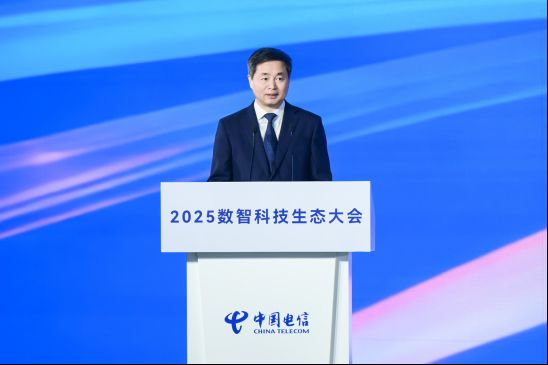
中国电信柯瑞文:加快建设新型数字信息基础设施
Zheng Quan Ri Bao Wang· 2025-12-06 07:47
Core Viewpoint - China Telecom is enhancing its intelligent cloud system and embracing artificial intelligence (AI) to drive digital transformation and innovation across various industries [1][2]. Group 1: Intelligent Cloud System Development - China Telecom has completed the construction of an intelligent cloud system, achieving a total computing power scale of 85 EFLOPS [1]. - The company is focusing on building a five-in-one intelligent cloud system that integrates computing power, platforms, data, models, and applications [1][2]. Group 2: Digital Infrastructure and AI Innovation - The company aims to accelerate the construction of new digital information infrastructure to support AI development, including upgrading networks and enhancing computing power infrastructure [2]. - China Telecom plans to enhance its "Starry Sky" large model capabilities and promote AI applications in personal and household scenarios, including AI smartphones and smart screens [3]. Group 3: Collaboration and Ecosystem Building - China Telecom is committed to deepening resource cooperation and fostering innovation through joint laboratories and innovation consortia, focusing on areas like large models and quantum technology [3]. - The company is also enhancing international cooperation in computing power, data, talent, and governance [3]. Group 4: AI Security and Governance - China Telecom is building a comprehensive AI security framework to protect its digital transformation efforts, including upgrading its network attack protection platform and developing quantum security products [4]. - The company is actively participating in the formulation of national AI governance frameworks and continuously improving its internal AI governance system [4].

中国电信2025数智科技生态大会成功举办
Xin Hua She· 2025-12-06 06:32
Core Viewpoint - The 2025 Smart Technology Ecological Conference held by China Telecom showcased the achievements of its "cloud transformation and digital upgrade" strategy, emphasizing the development of a comprehensive intelligent cloud system and its ecological applications [1][3]. Group 1: Strategic Initiatives - China Telecom is seizing opportunities in artificial intelligence (AI) to upgrade its corporate strategy towards cloud transformation and digital intelligence, aiming to become a leading force in AI development [3]. - The company plans to accelerate the construction of a "computing power, platform, data, model, application" integrated intelligent cloud system, collaborating with partners to build national computing infrastructure and provide diverse digital products and services [3]. - Key initiatives include building new digital information infrastructure, promoting AI applications across various industries, enhancing high-level cooperation for mutual benefits, and establishing comprehensive AI security capabilities [3]. Group 2: Technological Development - The release of the "China Telecom Cloud-Network Integration 2035 Technology White Paper" outlines the company's vision and development path in cloud-network integration, focusing on high-quality networks and deep integration of cloud computing, networking, and AI technologies [5]. - The development of cloud-network integration will occur in two phases: achieving AI-driven cloud-network integration from 2026 to 2030, and reaching AI-native cloud-network integration from 2031 to 2035 [5]. Group 3: Collaborative Efforts - The conference featured the establishment of several alliances, including the Xirang Intelligent Cloud Ecological Alliance and the China Telecom Innovation Industry Alliance, aimed at fostering collaboration in the AI and digital technology sectors [6]. - Twelve sub-forums and product launch events were organized, covering a total area of 40,000 square meters, with various exhibition zones dedicated to computing power, platform ecosystems, security, data, models, AI applications, and AI hardware [8]. Group 4: Future Outlook - China Telecom aims to leverage the new wave of technological revolution and industrial transformation to implement its "cloud transformation and digital upgrade" strategy, promoting intelligent, green, and integrated upgrades across various industries [8].

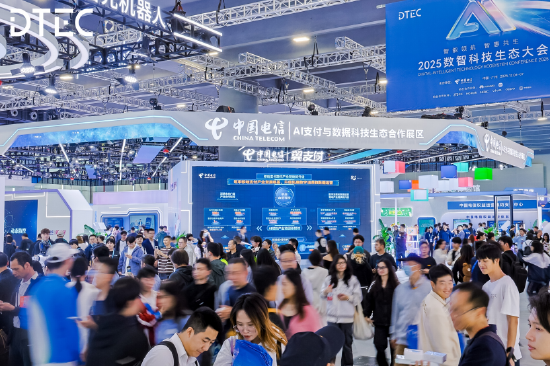
中国电信翼支付“AI支付与数据科技生态合作展区”亮相2025数智科技生态大会
Xin Lang Cai Jing· 2025-12-06 05:26
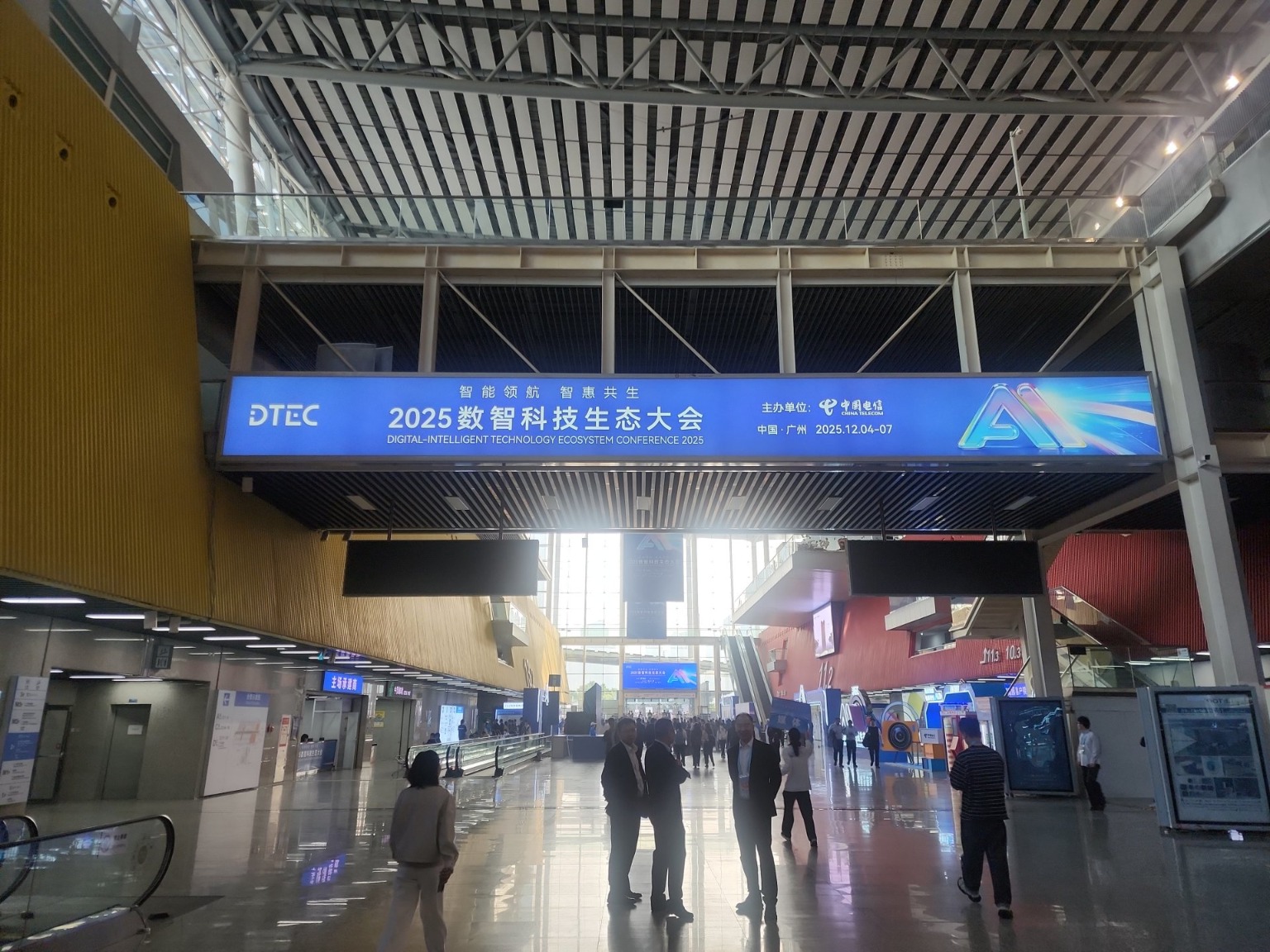
Core Insights - The 2025 Digital Technology Ecological Conference, themed "Smart Navigation, Intelligent Coexistence," was held in Guangzhou, showcasing China Telecom's Wing Payment's latest achievements in digital consumption and intelligent regulatory technology [1][15] Digital Consumption Ecosystem - China Telecom's Wing Payment is building a user-centered digital consumption ecosystem based on an integrated strategy of "connection + terminal + application + rights," highlighting the empowering role of digital consumption in the real economy [3][17] - The platform integrates high-quality resources across various scenarios such as communication, travel, finance, and local life, supporting seamless access, network-wide distribution, and comprehensive process control [5][19] - The "Payment Equals Rights" service model allows users to enjoy multiple benefits such as points, coupons, and membership privileges upon completing a payment, enhancing user engagement and consumption experience [5][19] Industry Solutions - Wing Payment showcased customized services for vertical industries like automotive travel and financial insurance, providing solutions such as offline aggregated payments and intelligent POS systems for real-time order and payment data synchronization [7][21] - The cloud-based smart store demonstration attracted visitors, allowing them to experience a fully automated shopping process with features like QR code entry, self-selection, and contactless payment [9][23] Data Operations and Security - The "Yufeng" intelligent regulatory platform is central to Wing Payment's data operations, offering comprehensive, actionable data operation and risk control capabilities [10][24] - The platform utilizes big data, AI, and privacy computing technologies to support real-time monitoring and intelligent alerts, integrating over 300 million business entities and 2 billion relationship data points [12][26] - Wing Payment's modular technology matrix includes smart, security, and risk control platforms, enabling high-performance data processing and automated threat assessment [14][28] - The company aims to deepen its dual strategy of digital consumption and data operations, collaborating with partners to build a secure, efficient, and intelligent new ecosystem for high-quality development of the modern industrial system [14][28]
中国电信董事长柯瑞文:加快推进算力基础设施建设
2 1 Shi Ji Jing Ji Bao Dao· 2025-12-06 03:53
Core Insights - China Telecom has made significant advancements in AI and digital infrastructure, showcasing its commitment to integrating AI across various sectors [2][3]. Group 1: AI Developments - China Telecom has established a smart cloud system with a total computing power of 85 EFLOPS, enhancing its AI capabilities [2]. - The company has developed over 200 intelligent service agents and 110 industry-specific large models, serving more than 20,000 industry clients [2]. - The quantum metropolitan network built by China Telecom covers 25 cities, with over 6 million users utilizing quantum secure communication [2]. Group 2: Infrastructure and Applications - The company is focused on building a new digital information infrastructure, including a space-ground integrated network and a new low-latency trunk optical cable system [3]. - China Telecom is accelerating the innovation of AI applications, enhancing the core capabilities of its "Starry Sky" large model, and promoting the widespread adoption of AI-enabled devices [3]. Group 3: Collaboration and Security - The company aims to deepen high-level cooperation to create a mutually beneficial ecosystem and enhance technological and industrial innovation [4]. - China Telecom is constructing a comprehensive AI security capability to establish a safety defense line for AI large models and applications, emphasizing the importance of AI governance [5].
黄坤明会见中国电信董事长柯瑞文
Nan Fang Ri Bao Wang Luo Ban· 2025-12-06 00:57
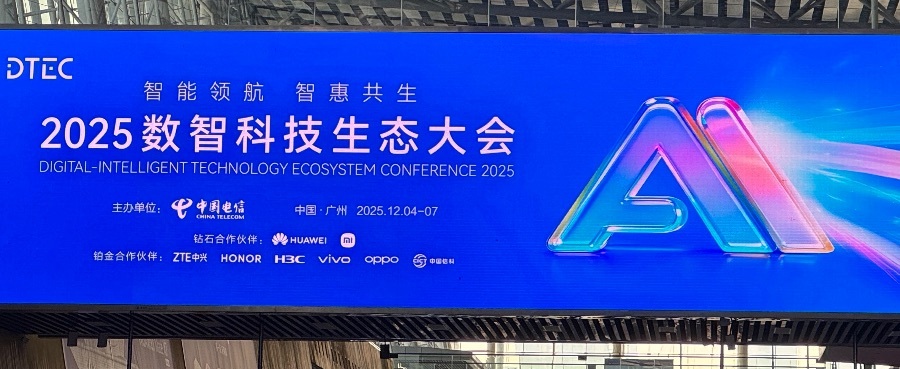
柯瑞文感谢广东一直以来对中国电信发展的支持帮助,并简要介绍了在穗举办的2025数智科技生态大会 有关情况和在粤项目进展。他表示,广东市场空间广阔,产业体系完备,应用场景丰富。中国电信一直 将与广东的战略合作作为集团经营发展的重要机遇,将紧密对接广东"十五五"发展所需,充分发挥企业 综合布局优势与行业影响力,进一步加大在粤算力基础设施、新一代通信技术等的投入建设,密切与广 东在人工智能、低空经济、卫星通信、量子科技等领域的对接合作,着力引进布局更多新技术、新项 目、新场景,助力广东加快培育壮大新质生产力,携手推动战略合作不断走深走实。 省领导冯忠华、王胜参加会见。 12月5日下午,省委书记黄坤明在广州会见了中国电信集团有限公司党组书记、董事长柯瑞文一行,双 方就进一步深化战略合作、合力壮大数字经济和信息产业进行深入交流。 黄坤明代表省委、省政府欢迎柯瑞文一行,感谢中国电信长期以来为广东经济社会发展特别是信息化数 智化建设作出的贡献。他说,近年来,广东与中国电信战略合作不断深化,央地协同发展取得一系列新 进展新成效。当前,广东正深入学习贯彻习近平总书记视察广东和出席第十五届全国运动会开幕式重要 讲话重要指示精神, ...
从全球招商大会看深圳“十五五”新增长点
Sou Hu Cai Jing· 2025-12-05 17:42
Core Insights - The 2025 Shenzhen Global Investment Promotion Conference was held, attracting over 1,000 enterprises and institutions from more than 30 countries, resulting in over 340 signed projects with a total investment exceeding 770 billion yuan [1][8]. Group 1: Importance of the Event - The conference is significant as it marks a critical moment for Shenzhen, aligning with the conclusion of the 14th Five-Year Plan and the planning of the 15th Five-Year Plan [3]. - Key leaders from Shenzhen's government attended the event, emphasizing the importance of attracting investment and fostering a conducive business environment [3][5]. Group 2: Investment Outcomes - The conference yielded substantial results, with participation from renowned companies such as China Telecom, China COSCO Shipping, and Maersk, among others [8]. - The signed projects include high-value initiatives in emerging industries such as electronic information technology, new materials, and biomedicine [8]. Group 3: Future Growth Opportunities - Shenzhen aims to leverage technology innovation to drive new productive forces, focusing on key industries and products that can support future development [13]. - The conference featured a brand showcase area highlighting 28 benchmark enterprises and their core products, demonstrating Shenzhen's industrial strength [13][15]. - The event organized thematic investment activities in seven key areas, including AI, biomedicine, and financial services, to attract investment and enhance industry collaboration [15].
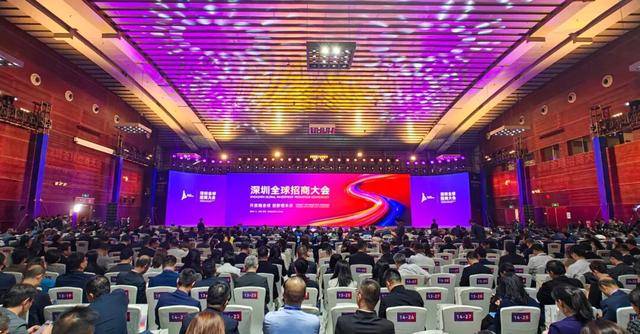
深圳全球招商大会签约项目超340个、金额超7700亿元
Nan Fang Du Shi Bao· 2025-12-05 14:30
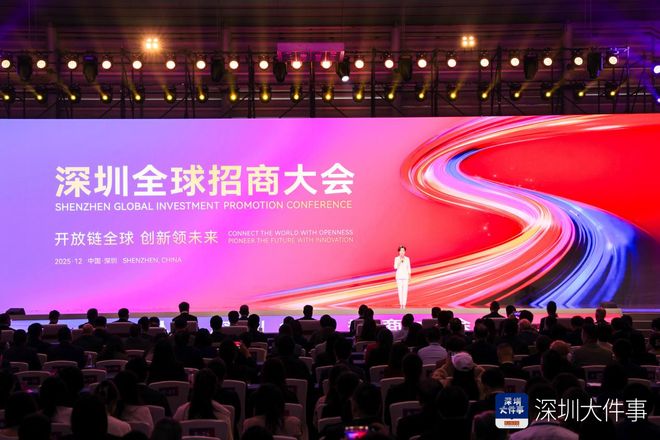
Core Insights - The 2025 Shenzhen Global Investment Promotion Conference was held with the theme "Open Chain Global Innovation Leads the Future," attracting over 1,000 representatives from more than 30 countries and regions, resulting in over 340 projects signed with a total investment exceeding 770 billion yuan [1][4][6]. Group 1: Event Overview - The conference showcased Shenzhen's high-quality economic and social development and its international business environment, marking the seventh consecutive year of this global investment event [3][4]. - The event featured a series of activities, including one main conference, seven thematic investment activities, and numerous overseas sub-conferences, aimed at enhancing Shenzhen's role as a core engine city in the Greater Bay Area [3][6]. Group 2: Investment Highlights - Major projects signed included investments from companies like China Electronics, China Steel Research, and Finland's Kone, covering emerging industries such as electronic information technology, new materials, and biomedicine, reflecting Shenzhen's strong appeal for high-quality projects [4][5]. - The conference awarded "2024-2025 Excellent Settled Enterprises" to companies like Luxshare Precision and China Merchants Industry, and recognized "2025 Investment Excellence Zones" in various districts [5][6]. Group 3: Industry Focus - The conference emphasized seven key sectors for investment, including AI, robotics, biomedicine, and new energy materials, inviting influential entrepreneurs and experts to discuss industry trends and investment opportunities [6][7]. - A special financial session showcased Shenzhen's financial innovation and invited global financial institutions to share their experiences, highlighting the city's internationalization and innovative vitality [7][9]. Group 4: Ecosystem and Environment - Shenzhen is committed to creating a market-oriented, law-based, and international business environment, with a total of 4.5921 million operating entities as of October, maintaining the highest density of entrepreneurship in the country [8][9]. - The city has become a preferred destination for global investment, with over 340 Fortune 500 companies having invested in Shenzhen, and a significant increase in foreign investment enterprises established this year [8][9].
中国电信董事长柯瑞文:过去一年公司在重点城市开展了多场景万兆光网试商用
Mei Ri Jing Ji Xin Wen· 2025-12-05 13:14
Core Insights - The 2025 Smart Technology Ecosystem Conference was held in Guangzhou, where China Telecom's Chairman, Ke Ruiwen, reviewed the company's key business developments over the past year [1] Group 1: Business Developments - China Telecom has established a smart cloud system with a total computing power of 85 EFLOPS, which measures the number of floating-point operations per second [2] - The company has initiated trial commercial use of 10G optical networks in major cities and developed over 200 intelligent service agents, with more than 6 million users of quantum secure communication [2] - There is a growing demand for artificial intelligence across various industries, and the integration of AI into mainstream business operations is seen as essential for cost reduction and efficiency improvement [2] Group 2: Future Business Focus - China Telecom plans to accelerate the construction of new digital information infrastructure, including a space-ground integrated network and networks centered on Automatic Identification and Data Capture (AIDC) [2] - The company aims to promote innovative AI applications, including the widespread adoption of AI smartphones and the exploration of products like AI glasses and humanoid robots [2] - There is a focus on deepening high-level cooperation to build a mutually beneficial ecosystem [2][3] Group 3: Security Measures - China Telecom is working on building a comprehensive AI security assurance capability, which includes a proactive defense system covering cloud, network, edge, and endpoint [3]
2025深圳全球招商大会举行 一批重大项目现场签约
Sou Hu Cai Jing· 2025-12-05 12:01
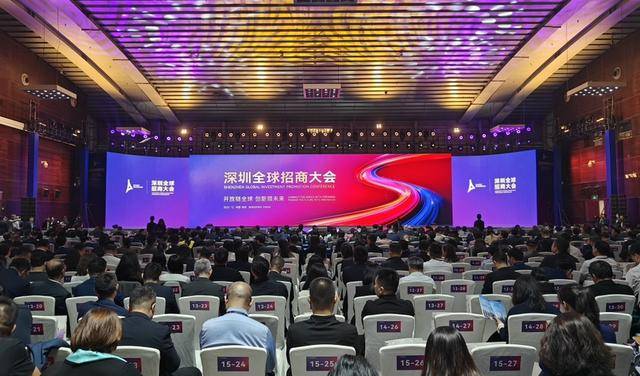
Group 1 - The 2025 Shenzhen Global Investment Conference was held with the theme "Open Chain Global, Innovation Leads the Future," promoting investment opportunities in Shenzhen to global investors and entrepreneurs [1] - Over 1,000 representatives from more than 30 countries and regions attended, including over 300 Fortune 500 companies and multinational corporations [1] - Significant investment agreements were signed with major companies such as China Electronics, China Steel Research, and Finland's KONE Elevator, focusing on emerging industries like electronic information technology, new materials, and biomedicine [1] Group 2 - Awards were presented to outstanding companies and investment districts, with companies like Luxshare Precision, COSCO Shipping, and China National Chemical winning the "2024-2025 Outstanding Settled Enterprises" award [3] - Investment districts such as Qianhai Cooperation Zone, Futian District, and Yantian District were recognized as "2025 Investment Excellence Zones" [3] Group 3 - A special Shenzhen brand exhibition area showcased 47 innovative products from 28 leading companies, including Huawei and Honor, featuring advancements in the HarmonyOS ecosystem, humanoid robots, and smart devices [5]
eSIM解禁一月真实体验:移动高冷、联通亲切,线下都很拉胯?
3 6 Ke· 2025-12-05 11:20
Core Insights - The introduction of eSIM technology in China marks a significant shift in the telecommunications industry, allowing for a "slot-free" mobile experience that has been long awaited [1][4][5] - The delay in eSIM adoption was primarily due to security concerns related to telecom fraud, which have now been addressed through advancements in identity verification technology [5][8] - The market demand for eSIM-compatible devices, such as the new iPhone Air, has pressured telecom operators to expedite the rollout of eSIM services [8] Industry Overview - eSIM, or embedded SIM, integrates the SIM card directly into the device, eliminating the need for a physical card slot [4] - The technology has been available in devices like smartwatches and tablets for years, but its implementation in smartphones has faced regulatory delays [4][5] - The recent approval from the Ministry of Industry and Information Technology (MIIT) allows major telecom operators in China to begin commercial trials of eSIM [1] Operator Experience - The user experience for eSIM activation varies significantly among the three major telecom operators: China Mobile, China Unicom, and China Telecom [9][12] - China Mobile's app is less user-friendly, requiring mandatory login and making it difficult for new users to access eSIM services [13][15] - In contrast, China Unicom offers a more accessible app experience, allowing users to find nearby service points without logging in [16][18] - China Telecom's app is somewhat balanced, providing visibility for eSIM services but still requiring login for full access [20][22] Activation Process - The eSIM activation process involves several steps, including scanning the device's IMEI code and downloading configuration files via Wi-Fi [29] - The overall time taken for activation ranges from 15 to 20 minutes, depending on the operator and the staff's familiarity with the eSIM process [31] - Users must visit physical stores to activate eSIM, which contradicts the technology's digital nature and highlights the current limitations in service delivery [45][50] Future Outlook - eSIM technology is expected to enhance device design by saving space, allowing for larger batteries or improved cooling systems in smartphones [46] - However, the current eSIM experience in China is still evolving, with significant room for improvement in terms of convenience and efficiency [48][50] - As technology and policies continue to develop, a more streamlined eSIM activation process is anticipated, aligning with global standards [51]