
INTEL(04335)

Search documents
陈立武推动英特尔收购其投资的企业,潜在利益冲突引发外界质疑
Sou Hu Cai Jing· 2025-12-13 02:48
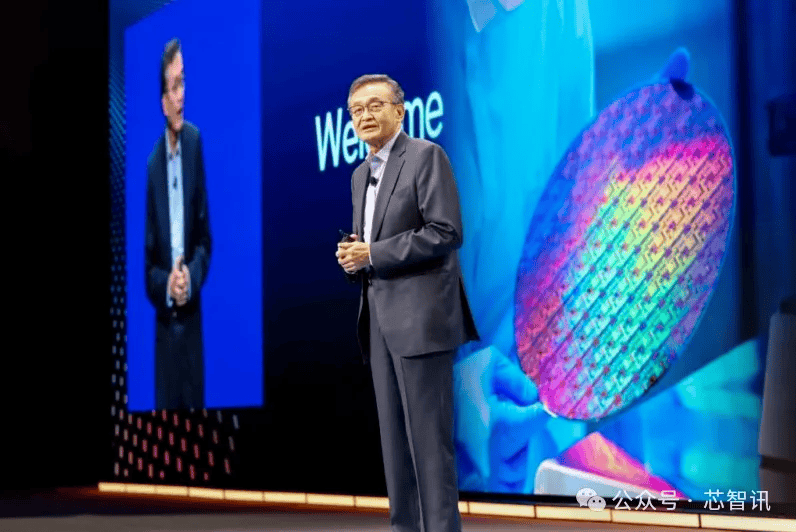
目前,英特尔的AI 战略正面临挑战。尤其是在其首席技术官Sachin Katti 离职之后。但陈立武认为,通过收购相 关AI企业,能够提供更多技术和人才来帮助英特尔打造AI芯片,避免英特尔从头开始发展。 面对外界对利益冲突的质疑,陈立武表示,由于他对如SambaNova 等公司有所投资,因此能够更有效地为双方协 商交易,并为英特尔和被收购方寻求有利的条款。 12月12日消息,英特尔(Intel)公司新任首席执行官陈立武近日卷入了一场新的争议风波。据路透社报导,陈立 武涉嫌向英特尔董事会游说,推动英特尔收购他本人创立的风险投资公司Walden Catalyst Ventures所投资的新创 公司,其中包括了人工智能(AI)公司Rivos 和SambaNova,这些公司都有陈立武的个人投资。 报道指出,陈立武自出任英特尔CEO以来,已面临多项争议。其中较为人所关注就是与董事会成员的冲突,以及 特朗普此前对其所提出的指控。陈立武当初被任命担任英特尔CEO之际,英特尔董事会看中的就是其拥有多元化 的管理经验,不仅熟悉半导体产业、新创企业,也对供应链动态有深入理解。而在这样的背景之下,也是他加入 英特尔后一直推动新的收 ...


消息称英特尔将以约16亿美元收购芯片公司SambaNova
Ge Long Hui· 2025-12-13 01:25
12月13日,知情人士透露,英特尔公司正就以约16亿美元(包括债务)收购SambaNova Systems Inc.一 事进行深入谈判。这项涉及SambaNova的交易最快可能在下个月达成。收购SambaNova将为英特尔提供 一个平台,帮助其拓展人工智能产品线。SambaNova在2021年的估值曾达到50亿美元。 美股频道更多独家策划、专家专栏,免费查阅>> 责任编辑:安东 ...
传英特尔(INTC.US)接近以16亿美元收购AI芯片初创公司SambaNova
智通财经网· 2025-12-13 01:20
Core Viewpoint - Intel is in advanced negotiations to acquire AI chip startup SambaNova Systems for approximately $1.6 billion, including debt, with a potential deal expected as early as next month [1][2] Group 1: Acquisition Details - The acquisition of SambaNova Systems, based in Palo Alto, California, aims to enhance Intel's AI product line and is considered a strategic move at a discounted price [2] - SambaNova was valued at $5 billion during a $676 million funding round led by SoftBank's Vision Fund 2 in 2021 [2] - SambaNova has signed letters of intent with other potential financial investors, indicating it may explore alternative financing options [1] Group 2: Company Performance and Strategy - Intel's stock has surged approximately 60% since the U.S. government announced it would hold a 10% stake in the chip manufacturer [2] - Following the announcement, Intel's stock price fell by 4.3% to $37.81, with a market capitalization of $180 billion [2] - Intel has decided to halt its plans to spin off its networking division, opting instead to operate it as an internal business unit for better growth prospects [2] - This strategic shift reflects CEO Pat Gelsinger's evolving transformation strategy since taking office in March, focusing on layoffs and divesting non-core businesses [2] - Intel has also terminated discussions with Ericsson regarding the potential acquisition of a stake in NEX, which was part of its earlier plans to seek strategic investors for its networking division [2]
英特尔公司测试了ACM公司的芯片制造工具后,ACM股价在盘前上涨3.2%。
Jin Rong Jie· 2025-12-12 12:08
Group 1 - Intel tested ACM's chip manufacturing tools, leading to a pre-market stock increase of 3.2% for ACM [1]
知情人士称英特尔曾测试过源自芯片制造工具
Xin Lang Cai Jing· 2025-12-12 09:02
Core Viewpoint - Intel has tested chip manufacturing tools from ACM Research, a company with ties to China and sanctioned subsidiaries, raising national security concerns in the U.S. [1][3] Group 1: Intel's Testing of Tools - Intel tested two wet etching tools from ACM Research for its advanced 14A chip manufacturing process, which is set to begin production in early 2027 [1][10] - The tools are used to remove materials from silicon wafers to produce semiconductor chips [1][10] - Concerns have been raised by U.S. hardliners about Intel's potential use of sanctioned tools, fearing sensitive technology could be transferred to China [1][3] Group 2: Pricing and Market Position - Tools from ACM Research are priced 20% to 30% lower than competitors like Applied Materials and Lam Research, potentially reducing Intel's equipment procurement costs [2][10] - The testing of these tools may indicate Intel's strategy to diversify its supplier base and ensure stable production for its advanced processes [2][10] Group 3: ACM Research's Background - ACM Research was founded in 1998 by Wang Hui, who holds over 57% voting rights and has both U.S. citizenship and Chinese permanent residency [2][10] - The company has a research center in Shanghai and has developed significant R&D capabilities in China [2][10] Group 4: National Security Concerns - Former U.S. officials have expressed that Intel's testing of ACM Research tools highlights vulnerabilities in U.S. technology protection policies [3][11] - ACM Research claims its U.S. operations are independent from its sanctioned subsidiaries, asserting no national security threat [3][11] Group 5: New Facility in Oregon - ACM Research announced a new facility in Hillsboro, Oregon, strategically located near major clients like Intel, to serve as a sales and service center [5][14] - This facility is expected to strengthen the partnership between ACM Research and Intel, with new tools being certified and delivered in 2024 [6][14] Group 6: Market Share and Competition - ACM Research ranks 24th in the global semiconductor equipment market, holding an 8% market share in the cleaning tools segment [8][16] - Reports indicate that Chinese manufacturers have been building competitive semiconductor manufacturing capabilities since at least 2015, increasing their global market share [8][16]

英特尔对欧盟反垄断裁决败诉,罚款削减至2.37亿欧元
Ge Long Hui· 2025-12-11 02:08
Core Viewpoint - Intel lost a lawsuit regarding a €376 million antitrust fine imposed by the EU two years ago, but the European second-highest court reduced the fine by one-third [1] Group 1: Legal Outcome - The fine originally imposed was related to Intel's payments to companies like HP and Acer from November 2002 to December 2006 to hinder or delay competitors' product launches [1] - The court upheld the European Commission's 2023 decision against Intel but reduced the fine by approximately €140 million [1] Group 2: Court's Rationale - The judge stated that a fine of €237 million better reflects the severity and duration of the violations involved [1] - The number of computers affected by Intel's restrictive practices was relatively limited, and some anti-competitive actions were spaced 12 months apart [1]
欧盟普通法院裁决英特尔违反欧盟反垄断法但大幅下调罚金
Zhong Guo Xin Wen Wang· 2025-12-11 00:55
Group 1 - The European General Court ruled that Intel violated EU antitrust laws but reduced the fine from €376 million to €237 million [1] - The European Commission initially imposed a fine of €1.06 billion on Intel in 2009 for anti-competitive practices against competitors like AMD [1] - Intel expressed dissatisfaction with the fine and appealed to the EU judiciary, leading to a reduction in the penalty over time [1] Group 2 - The court confirmed that Intel's practices of providing discounts to computer manufacturers to suppress competition were in violation of EU antitrust laws [1] - The ruling indicated that the impact of Intel's illegal activities was limited to a relatively small number of computers, justifying the reduced fine [1] - Following the court's decision, the European Commission stated it would carefully consider the ruling before deciding on further actions [2]
英特尔:接近收购SambaNova,金额或低于50亿美元
Sou Hu Cai Jing· 2025-12-10 19:01
Core Viewpoint - The company is nearing a deal to acquire AI chip startup SambaNova Systems, with the transaction amount expected to be below $5 billion, which aligns with SambaNova's valuation from its latest funding round in 2021 [1] Group 1: Transaction Details - The parties have signed a term sheet, but the finalization of the deal may take time due to pending regulatory approvals, liability reviews, and due diligence [1] - Initial reports regarding the potential transaction surfaced in October [1] Group 2: Financial Implications - If the acquisition is completed, it will be valued at less than $5 billion, reflecting SambaNova's valuation during its most recent funding round [1]
美股异动 接近达成收购SambaNovaSystems交易 英特尔(INTC.US)一度跌超3%
Jin Rong Jie· 2025-12-10 15:54
Core Viewpoint - Intel (INTC.US) is reportedly nearing a deal to acquire AI chip startup SambaNova Systems, with the transaction amount expected to be below $5 billion, which aligns with SambaNova's valuation in its latest funding round in 2021 [1] Group 1: Stock Performance - On Wednesday, Intel's stock fell over 3% at one point and was down more than 2% at the time of reporting, trading at $39.57 [1] Group 2: Acquisition Details - Intel and SambaNova Systems have signed a term sheet, indicating progress towards the acquisition [1] - The completion of the deal may take additional time due to the need for regulatory approval, liability review, and due diligence [1] - Reports regarding the potential transaction first emerged in October [1]
英特尔一度跌近4%
Ge Long Hui A P P· 2025-12-10 15:41
Core Viewpoint - Intel and AMD are facing allegations of failing to prevent their chips from being used in Russian missile systems, leading to a nearly 4% drop in Intel's stock price [1] Group 1 - Intel's stock experienced a significant decline, dropping close to 4% amid the news of the allegations [1] - The allegations suggest a serious oversight in the companies' supply chain management and compliance with export regulations [1] - The situation raises concerns about the potential impact on the companies' reputations and future sales in international markets [1]
