
EASA(300215)

Search documents
国网山东电科院:陇东高原铸重器
Zhong Guo Neng Yuan Wang· 2025-09-09 03:13
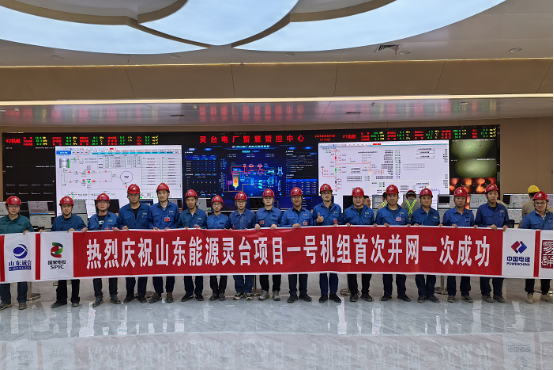
Core Insights - The successful commissioning of the Gansu Lintai Power Plant's Unit 2 marks its readiness for commercial operation, contributing to regional energy supply and green low-carbon development [2][7] - Both Unit 1 and Unit 2 have completed 168 hours of continuous full-load operation, demonstrating stable performance and exceeding national ultra-low emission standards for pollutants [2][3] Technical Innovations - The Lintai Power Plant is a key project under the national "14th Five-Year Plan," serving as a core peak-shaving power source for the "Long Electric into Shandong" initiative [3] - The plant features the first domestic application of an intelligent permanent magnet drive system for coal mills in a million-kilowatt unit, enhancing operational efficiency [3] - Multiple technical breakthroughs were achieved, including the installation of temporary flushing systems to improve water quality and the optimization of turbine design to ensure reliable startup [3][4] Project Management and Execution - The commissioning team effectively coordinated with various stakeholders, including owners, contractors, and supervisors, to ensure timely project completion [5] - The team employed innovative strategies to address construction challenges, such as using temporary energy sources to support boiler startup and conducting simultaneous tests during construction [5][6] Team Spirit and Commitment - The commissioning team demonstrated resilience and dedication in harsh environmental conditions, embodying a strong team spirit across different generations of engineers [6][7] - The team's commitment to excellence is reflected in their meticulous approach to testing and commissioning, ensuring the plant's readiness to serve as a stabilizer for energy supply and a regulator for renewable energy consumption [7]


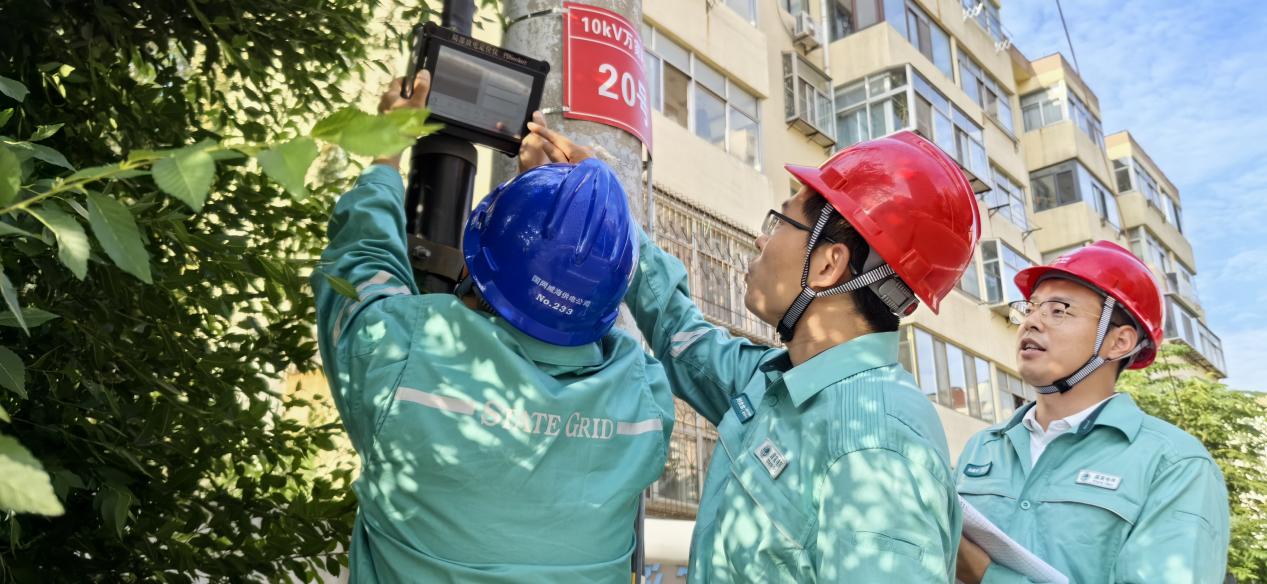
国网山东电科院创新技术护航今夏用电高峰
Qi Lu Wan Bao· 2025-08-28 06:48
Group 1 - The highest electricity load in Shandong's power grid reached 1.3021 million kilowatts, marking the eighth historical high this summer [1] - Since June, the power load in Shandong has exceeded 100 million kilowatts for 61 days, a first in the province's power history [1] - The State Grid Shandong Electric Power Research Institute is committed to ensuring power supply during peak summer, leveraging digital and intelligent technology innovations to enhance grid supply capabilities [1] Group 2 - The summer season poses significant challenges to the stability of the distribution network due to severe weather conditions, prompting the development of differentiated prevention and control strategies [3] - Specific lightning protection plans have been created based on regional lightning characteristics, significantly reducing faults caused by lightning strikes [3] - A standardized insulation spraying technique has been implemented on over 1,300 distribution lines to address faults caused by foreign objects during strong winds [3] Group 3 - The optimization of distribution network business systems has provided robust technical support for power supply during peak summer [4] - Advanced features such as "self-healing" and "one-click transfer" have been developed and implemented across 17 cities, enhancing fault detection and repair efficiency [4] - Real-time monitoring of over 200,000 distribution stations has enabled precise fault assessment and rapid repairs, improving power supply reliability [4] Group 4 - A new technology combining local rapid response and global coordination has been introduced to quickly isolate faults and minimize power outage impacts [6] - This technology has been deployed on over 200 distribution lines since June, successfully isolating faults in all seven incidents, preventing outages for 390 transformers [6] - The implementation of this technology has significantly improved fault handling efficiency and power supply reliability [6] Group 5 - The pressure on distribution cables has increased due to rising electricity loads, necessitating advanced detection methods for potential faults [7] - Innovative algorithms and diagnostic devices have been developed to accurately identify and assess cable defects, addressing traditional detection challenges [7] - Since the peak summer period began, this technology has been applied in over 1,200 locations, preventing 15 cable faults and enhancing supply reliability [7]
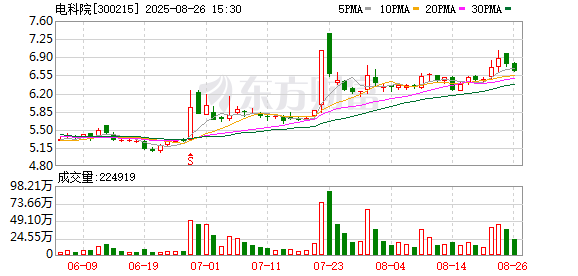
电科院股价下跌4.83% 上半年营收2.37亿元
Jin Rong Jie· 2025-08-27 19:52
Group 1 - The stock price of the company is reported at 6.31 yuan, down 0.32 yuan from the previous trading day, with an opening price of 6.55 yuan, a high of 6.60 yuan, and a low of 6.30 yuan, with a trading volume of 285,814 hands and a transaction amount of 185 million yuan [1] - The company operates in the professional services sector as a national independent third-party comprehensive electrical testing institution, with four national centers authorized by the State Administration for Market Regulation, covering high and low voltage electrical and new energy electrical testing [1] - In the first half of 2025, the company's high voltage electrical testing business generated revenue of 177 million yuan, accounting for 74.75% of total revenue [1] Group 2 - The company's semi-annual report for 2025 shows a total revenue of 237 million yuan, a year-on-year decrease of 23.95%, and a net loss attributable to shareholders of 26.41 million yuan [1] - The net cash flow from operating activities was 130 million yuan, and the company completed several high-complexity testing projects, including a 14-meter high large-scale starting resistance type test [1] - On August 27, the net outflow of main funds was 34.30 million yuan, accounting for 1.09% of the circulating market value, with a net outflow of 31.77 million yuan over the past five days, accounting for 1.01% of the circulating market value [1]
电科院上半年实现营收2.37亿元 第二季度运营效率提升
Zheng Quan Shi Bao Wang· 2025-08-27 11:43
Core Viewpoint - The company reported a challenging first half of 2025 with a revenue of 237 million yuan and a net profit loss of 26.41 million yuan, although operational efficiency improved in the second quarter compared to the first quarter [1] Group 1: Financial Performance - In the first half of 2025, the company achieved a revenue of 237 million yuan and a net profit loss of 26.41 million yuan, with a net cash flow from operating activities of 130 million yuan [1] - The revenue from high-voltage electrical testing was 177 million yuan, accounting for 74.75% of total revenue, while low-voltage electrical testing generated 60 million yuan, making up 25.25% of total revenue [2] Group 2: Business Operations and Market Position - The company is a national independent third-party comprehensive electrical testing institution, focusing on the research, development, and application of electrical testing technology [2] - It has established a comprehensive "one-stop technical service" capability, covering high and low voltage electrical testing and emerging fields such as new energy and smart grids [2] - The company has four national centers authorized by the market supervision administration, enhancing its service capabilities across the electrical testing spectrum [2] Group 3: Technical Strength and Industry Leadership - The company completed several high-complexity testing projects in the first half of 2025, showcasing its technical strength and competitive advantage in the high-end testing market [4] - It has played a significant role in standard-setting, leading the formulation of national standards and enhancing its influence in technical discourse [4] - The company has deepened its intellectual property layout, with 11 new patent authorizations and 22 patent applications accepted, focusing on cutting-edge technology areas [4] Group 4: Strategic Focus and Future Outlook - Under the new board and management, the company prioritizes stabilizing performance while expanding its focus to include the entire lifecycle testing of new energy equipment and carbon emission accounting [5] - The company has launched a dual-carbon platform project to provide technical services in the low-carbon sector [5] - It aims to enhance product quality and maintain a commitment to scientific management, fair testing, and accurate data, while also focusing on technological innovation and overall competitiveness [5]
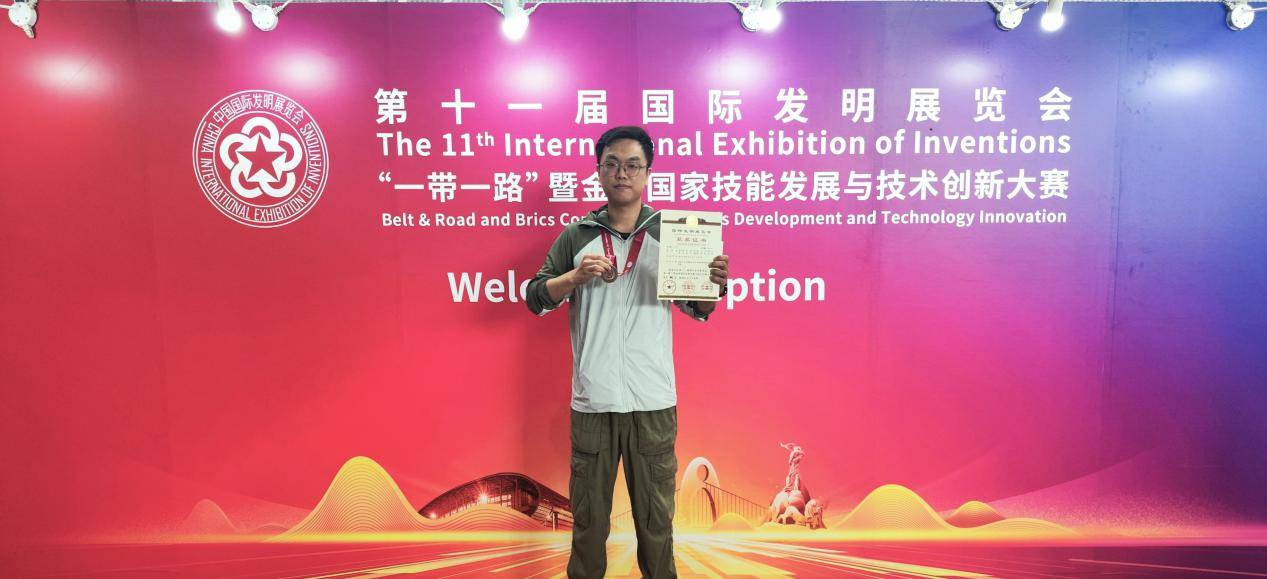
国网天津电科院:创新成果获第十一届国际发明展铜奖
Zhong Guo Jin Rong Xin Xi Wang· 2025-08-27 06:26
Group 1 - The core achievement of the Tianjin Electric Power Research Institute's team is the development of a "lithium-ion battery energy storage station DC side fault detection technology and device," which won a bronze medal at the 11th International Invention Exhibition organized by the China Invention Association [1] - The exhibition showcased innovative achievements from various countries and regions, covering cutting-edge fields such as renewable energy, smart manufacturing, and healthcare [1] - The new detection method significantly enhances monitoring timeliness and accuracy by providing a 20-minute early warning before battery thermal runaway, addressing the hidden risks of short-circuit faults in lithium-ion batteries [1] Group 2 - The developed multi-level protection device for lithium battery storage DC side has been applied in multiple projects, including the Tianjin Jizhou Huaxin Photovoltaic Storage, demonstrating improved safety and reliability of energy storage stations [2] - The energy storage industry is becoming a crucial component in promoting energy transition and ensuring the safe operation of the power grid as the new power system construction accelerates [2] - The Tianjin Electric Power Research Institute plans to deepen technological innovation and results transformation, focusing on new energy storage lifecycle safety technologies to support innovative development of the power grid [2]
机构风向标 | 电科院(300215)2025年二季度已披露持仓机构仅4家
Xin Lang Cai Jing· 2025-08-27 01:12
Core Viewpoint - The report indicates a significant presence of institutional investors in Electric Science Institute (300215.SZ), with a total holding of 194 million shares, representing 25.85% of the company's total equity as of August 26, 2025 [1] Institutional Holdings - As of the report date, four institutional investors disclosed their holdings in Electric Science Institute, with a combined shareholding of 194 million shares [1] - The institutional investors include China Inspection and Certification Group Testing Technology Co., Ltd., Hainan Sanyuan Huating Property Service Co., Ltd., UBS AG, and Morgan Stanley & Co. International PLC [1] - The total institutional holding percentage increased by 0.14 percentage points compared to the previous quarter [1] Foreign Investment - Two new foreign institutions disclosed their holdings in this period, namely UBS AG and Morgan Stanley & Co. International PLC [1] - Barclays Bank PLC was not disclosed as a foreign institution in this reporting period compared to the previous quarter [1]
电科院:第六届董事会第三次会议决议公告
Zheng Quan Ri Bao· 2025-08-26 14:20
Core Viewpoint - The company announced the approval of its 2025 semi-annual report and summary during the third meeting of the sixth board of directors held on August 26 [2] Group 1 - The company is focused on its financial reporting and governance by holding regular board meetings to review important documents [2]
电科院(300215) - 董事会决议公告
2025-08-26 10:16
表决结果:9 票同意、0 票反对和 0 票弃权。 证券代码:300215 证券简称:电科院 公告编号:2025-044 苏州电器科学研究院股份有限公司 第六届董事会第三次会议决议公告 本公司及董事会全体成员保证信息披露内容的真实、准确和完整,没有虚假 记载、误导性陈述或重大遗漏。 苏州电器科学研究院股份有限公司(以下简称"公司")第六届董事会第三 次会议(以下简称"本次会议")通知于2025年8月15日以书面送达、电子邮件 形式发出。本次会议于2025年8月25日在苏州石湖金陵花园酒店以现场表决结合 通讯表决的方式召开。本次会议由董事长袁磊先生召集并主持,会议应出席董事 九名,实际出席董事九名。本次会议的通知、召集、召开和表决程序符合《中华 人民共和国公司法》及有关法律、法规、规章、规范性文件及《公司章程》的规 定。共有九名董事通过现场表决结合通讯表决的方式参与会议表决,本次会议经 投票表决,审议通过了如下议案: 一、议案审议情况 (一)审议通过《关于公司 2025 年半年度报告及摘要的议案》 董事会认为:公司 2025 年半年度报告全文及摘要包含的信息公允、全面、 真实的反映了本报告期的财务状况和经营成果等 ...
电科院:8月25日召开董事会会议
Mei Ri Jing Ji Xin Wen· 2025-08-26 09:45
Group 1 - The company, 电科院, announced the convening of its sixth board meeting on August 25, 2025, to review the 2025 semi-annual report and summary [1] - For the year 2024, the company's revenue composition shows that professional technical services account for 98.65%, while other services account for 1.35% [1] - As of the report date, the market capitalization of 电科院 is 5 billion yuan [1] Group 2 - The pet industry is experiencing a significant boom, with a market size of 300 billion yuan, leading to rising stock prices among industry-listed companies [1]
电科院(300215.SZ):上半年净亏损2641.21万元
Ge Long Hui A P P· 2025-08-26 09:20
Core Viewpoint - The company reported a significant decline in revenue and net profit for the first half of 2025, indicating potential challenges in its financial performance [1] Financial Performance - The company achieved operating revenue of 237 million yuan, representing a year-on-year decrease of 23.95% [1] - The net profit attributable to shareholders of the listed company was -26.41 million yuan [1] - The net profit attributable to shareholders after deducting non-recurring gains and losses was -27.89 million yuan [1] - The basic earnings per share were -0.04 yuan [1]