Citi(C)

Search documents

华尔街对黄金的看法
Jin Tou Wang· 2026-01-20 09:27
Group 1 - Citigroup predicts a bullish scenario where gold could reach $5,000 within three months, with a potential test of $4,700-$4,750 this week due to trade tensions from Trump's tariff policies and a surge in investments into gold ETFs for hedging, leading to localized shortages in physical gold [1] - JPMorgan anticipates a strong market this week with a target of $4,750, and if stabilized, a push towards $5,000 next month, driven by a 26% probability of a Fed rate cut in March, declining 10-year Treasury yields, and an average monthly gold purchase of 70 tons by emerging market central banks, providing a "safety cushion" for gold prices [1] - Goldman Sachs expects a potential pullback this week with a buying range of $4,600-$4,650, maintaining a year-end target of $4,900, while expressing concerns over profit-taking by hedge funds that may lead to increased short-term volatility despite a long-term bullish outlook [1] Group 2 - Morgan Stanley adopts a conservative stance, projecting a trading range of $4,620-$4,690 this week, emphasizing that central bank gold purchases provide strong support, and highlighting the acceleration of de-dollarization in emerging markets, suggesting that buying gold is not merely for hedging but a strategic move against dollar dominance, with this trend expected to continue at least until Q3 [1] - Current data indicates that while U.S. employment and inflation are slowing, some sectors are improving under the potential influence of Fed rate cuts, leading to a cautious but optimistic outlook for gold prices in the medium to long term, supported by increased allocations from institutional investors amid rising geopolitical risks [3] - The market is likely to be influenced more by U.S. economic data affecting Fed policy expectations and geopolitical disturbances, with a general view that short-term news impact is diminishing, maintaining a strong oscillating trend for gold prices, while suggesting holding long positions above the 20-day moving average and selling out-of-the-money put options to capture time value [3]


格陵兰岛摩擦升级 花旗下调欧股评级
Ge Long Hui· 2026-01-20 03:56
Core Viewpoint - Citigroup has downgraded its rating on European stocks for the first time in over a year due to escalating tensions between Brussels and Washington, exacerbated by President Trump's actions regarding Greenland, which negatively impacts the investment outlook for European equities and corporate earnings [1] Group 1: European Stocks - Citigroup has lowered the rating for European markets, excluding the UK, to "neutral" in global asset allocation due to a weak recent investment outlook [1] - The downgrade is attributed to increased transatlantic tensions and uncertainty regarding tariffs, which have weakened the near-term investment prospects for European stocks [1] Group 2: Japanese Stocks - In contrast, Citigroup has upgraded its rating on Japanese stocks from "neutral" to "overweight," indicating a more favorable outlook compared to European equities [1] Group 3: Market Reactions - Following Trump's announcement of new tariffs on countries supporting Greenland, European stock markets experienced a significant decline, despite having outperformed the US stock market over the past year [1] - The European Union is considering imposing tariffs on US goods valued at $108 billion as a potential retaliatory measure [1]
花旗:维持1月澳门博彩总收入为215亿澳门元的预测
Jin Rong Jie· 2026-01-20 02:43
Core Viewpoint - Citigroup's report indicates that Macau's total gaming revenue for the first 18 days of January reached MOP 12.95 billion, reflecting a daily average revenue of approximately MOP 700 million, which is a 1% increase compared to the daily average revenue of the week ending January 5, and a 19% increase year-on-year [1] Group 1 - The resilience of daily average revenue aligns with the results of Citigroup's field survey, showing that affluent consumers from mainland China still maintain their spending appetite for both gaming and non-gaming activities in Macau [1] - Citigroup maintains its forecast for total gaming revenue in January 2026 at MOP 215 billion, representing an annual growth of 18% [1] - The combined forecast for total gaming revenue from January to February is also maintained at MOP 42 billion, indicating a year-on-year growth of 10.5% [1]
花旗警告:若日元持续疲软 日本央行2026年或激进加息三次
智通财经网· 2026-01-20 02:07
Core Viewpoint - Citigroup's Japan market head Akira Hoshino warns that if the yen remains weak, the Bank of Japan may raise interest rates three times by 2026, potentially doubling the current policy rate [1] Group 1: Monetary Policy Outlook - Hoshino suggests that if the USD/JPY exchange rate exceeds 160, the Bank of Japan may increase the uncollateralized overnight call rate by 25 basis points to 1% in April [1] - He anticipates a similar rate hike in July and possibly a third increase by the end of the year if the yen continues to weaken [1] - The current negative real interest rates are driving the yen's weakness, and addressing this issue is crucial for reversing the exchange rate trend [1] Group 2: Economic and Market Conditions - Hoshino expects the yen to fluctuate between 150 and 165 against the dollar this year, with the current rate at 158.2, having reached an 18-month low of 159.45 [2] - If key rates like the 10-year government bond yield exceed inflation rates, Japanese institutions may consider reallocating overseas investments back to domestic fixed-income assets [2] - The lack of sufficient investment options in Japan is a key reason for the persistent weakness of the yen [2] Group 3: Strategic Initiatives - Hoshino aims to enhance collaboration between the trading team and investment banking to capitalize on the opportunities created by the M&A boom in Japan [2] - He plans to involve team members in early client discussions to provide optimal financing solutions during transactions [2] - The goal is to optimize supply-demand matching from the initial stages of transactions to offer the most effective financing solutions to clients [2]
花旗:下调欧洲股市评级至中性 因特朗普关税威胁增加不确定性
Xin Lang Cai Jing· 2026-01-20 01:15
Core Viewpoint - Citigroup has downgraded the rating of European stocks to "neutral," marking the first such downgrade in over a year, citing increased transatlantic tensions and uncertainty regarding tariffs as reasons for reduced short-term investment appeal in European equities [1] Group 1 - The recent escalation of tensions and tariff uncertainties have weakened the rationale for investing in European stock markets in the short term [1] - President Trump's recent threats to impose additional tariffs on eight European countries until the U.S. is allowed to purchase Greenland have heightened trade uncertainties [1] - Citigroup strategists indicated that despite their target forecasts showing potential upside for the pan-European STOXX 600 index by the end of 2026, other markets present more attractive risk-reward profiles [1]
花旗:如果日元持续疲软 或促使日本央行2026年加息三次
Xin Lang Cai Jing· 2026-01-20 00:47
Core Viewpoint - The Citigroup Japan market head suggests that if the yen continues to weaken, the Bank of Japan may raise interest rates three times this year, potentially doubling the current rate [1][2]. Group 1: Interest Rate Predictions - If the USD/JPY exchange rate exceeds 160, the Bank of Japan may increase rates by 25 basis points to 1% in April, with a similar hike possible in July, and potentially a third increase by year-end if the yen remains weak [1][2]. - Market observers expect the next rate hike from the Bank of Japan may still be months away, but some believe that if the yen declines significantly again, the Bank may act sooner [3]. Group 2: Economic Indicators - Hoshino forecasts that the yen will trade in a range slightly below 150 to 165 this year, with the yen recently trading around 158.2 and having touched an 18-month low of 159.45 [2][3]. - If the 10-year Japanese government bond yield and other key rates rise above inflation, domestic institutional investors may consider repatriating overseas investments to allocate to domestic fixed-income assets [2][3]. Group 3: Market Dynamics - The weakness of the yen is driven by negative real interest rates, where yields are below inflation, indicating that the Bank of Japan has no choice but to address this issue to reverse the currency trend [1][2]. - There is a lack of investment products available for investors wishing to repatriate funds to Japan, which is a key reason for the yen's long-term weakness [4].
特朗普的新目标?继军工和房地产商之后,华尔街巨头或面临回购禁令
Hua Er Jie Jian Wen· 2026-01-19 13:05
Core Viewpoint - The Trump administration is shifting focus from the defense and real estate sectors to broader economic areas, increasing regulatory pressure on major U.S. banks, raising concerns among investors about potential restrictions on capital return plans [1][2]. Group 1: Regulatory Pressure on Banks - Major banks may become the next target for regulatory actions following Trump's pressure on defense contractors and homebuilders to limit stock buybacks, leading to heightened concerns about policy risks for bank stocks [1][2]. - The government's direct intervention tools over the banking sector are more pronounced compared to other industries, as banks' dividend payments and stock buyback capabilities are already constrained by regulatory limits and capital adequacy requirements [1][5]. - The potential restriction on buybacks could directly impact investor return expectations, as buybacks are a key reason many investors favor bank stocks due to their ability to return capital and support share prices [1][6]. Group 2: Historical Context and Precedents - The significant scale of stock buybacks by major banks, totaling over $500 billion in the past decade, makes them susceptible to populist policies, with political pressure mounting against such capital return behaviors [3]. - Trump's recent actions demonstrate a willingness and capability to intervene in corporate capital allocation, as seen with his executive order prohibiting defense contractors from paying dividends or repurchasing stock until they meet production standards [4]. - Similar pressures are being applied to the real estate sector, with scrutiny on homebuilders' buyback activities amid record profits, indicating a broader trend of regulatory tightening across industries [4]. Group 3: Federal Reserve's Role and Uncertainty - The Federal Reserve's regulatory authority over major banks provides Trump with a significant leverage point to disrupt capital plans, as banks' ability to pay dividends and conduct buybacks is contingent on regulatory capital rules [5][6]. - Trump's disregard for the independence of the Federal Reserve could enhance his influence over regulatory policies, potentially leading to shifts in the regulatory landscape that could affect banks' capital return strategies [6]. - Historical data shows that banks like Goldman Sachs and Morgan Stanley have achieved annualized returns of 22% from stock buybacks over the past decade, but these past performance metrics are now facing unprecedented policy challenges due to potential regulatory changes [6].


花旗下调Datadog目标价至175美元

Ge Long Hui A P P· 2026-01-19 09:58
Core Viewpoint - Citigroup has lowered the target price for Datadog from $200 to $175 while maintaining a "Buy" rating [1] Group 1 - The target price adjustment reflects a strategic reassessment of Datadog's market position and growth potential [1] - Despite the price reduction, the "Buy" rating indicates continued confidence in Datadog's long-term prospects [1] - The change in target price may influence investor sentiment and market performance for Datadog in the near term [1]
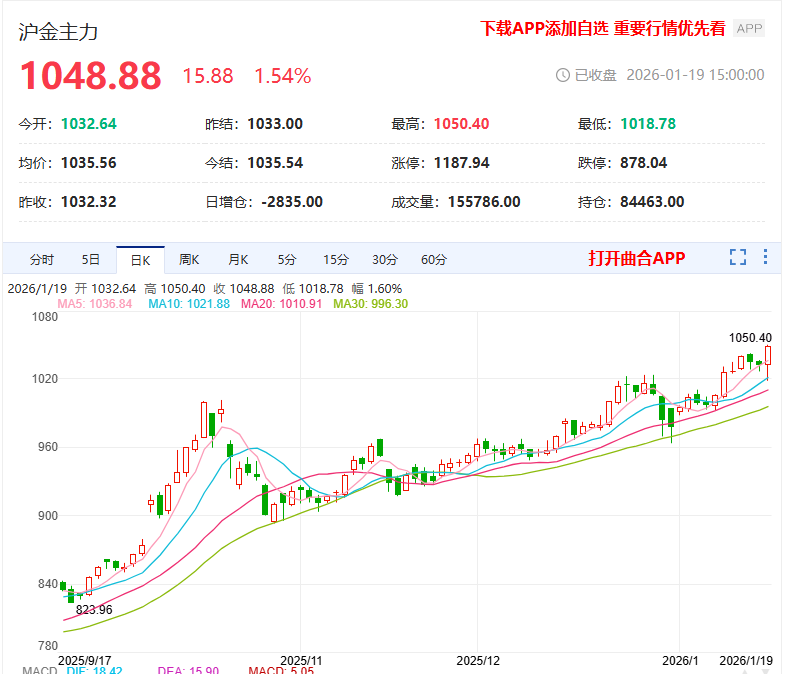
STARTRADER外汇:花旗金银5000/100定局?财富洗牌将至?
Sou Hu Cai Jing· 2026-01-19 03:17
Core Viewpoint - Citigroup's bullish forecast for gold and silver prices has intensified market enthusiasm, with gold target price raised to $5000 per ounce and silver to $100 per ounce, indicating these levels are "set in stone" [1][3] Group 1: Price Predictions and Market Reactions - Following Citigroup's announcement, London spot gold increased by 1.2% to $4632 per ounce, while silver surpassed $92 per ounce, marking a year-to-date increase of over 26% [1] - Wealth redistribution around precious metals is becoming evident, with silver prices rising 148% since early 2025, leading to significant increases in related mining stocks and ETF holdings [4] Group 2: Supply and Demand Dynamics - Geopolitical risks and uncertainty in Federal Reserve policies are providing a safe-haven premium for precious metals, with U.S. military involvement in Venezuela and escalating U.S.-Iran tensions driving funds into gold and silver [3] - Central banks globally are increasing gold purchases, with China's central bank adding gold for 14 consecutive months, while North American and European gold ETFs account for over 80% of inflows [3] - The silver market is facing a projected supply gap of 150 million ounces in 2026, driven by demand from solar energy, AI data centers, and electric vehicles, while supply constraints persist due to long production cycles and export restrictions from China [3] Group 3: Divergent Market Opinions - Market opinions on precious metals' future vary significantly, with JPMorgan maintaining a conservative outlook on silver, predicting an average price of $40.1 per ounce for 2026, citing excessive speculation in current price movements [4] - Goldman Sachs forecasts gold prices reaching $4900 per ounce by the end of 2026, while Bank of America has a more aggressive outlook for silver, predicting peak prices between $135 and $309 per ounce [5] - UBS has raised its gold price target for the first half of the year to $5000 but warns of potential corrections to $3950 in the second half if geopolitical tensions ease [5] Group 4: Key Variables Influencing Market Trends - The Federal Reserve's policy signals from the March meeting will significantly influence short-term market sentiment, with potential rate cuts likely to sustain precious metals' upward momentum [5] - The evolution of geopolitical situations involving the U.S., Venezuela, and Iran will directly impact the strength of the safe-haven premium for precious metals [5] - The silver market's sustainability will depend on the realization of solar installation volumes and advancements in silver reduction technologies, which will affect the supply-demand gap [5]