First Bank(FRBA)

Search documents
Economists track GST rate cuts for impact on prices, inflation and festive demand
The Economic Times· 2025-09-21 18:00
Group 1 - The GST Council approved a significant restructuring of the GST framework, eliminating the 12% and 28% slabs and introducing a special 40% rate for 'sin' goods like tobacco and luxury items [4][7] - GST rates on essential items such as packaged food, shampoo, toothpaste, and shaving cream have been reduced to 5%, while rates for small cars, dishwashers, air conditioners, and televisions have decreased from 28% to 18% [4][7] - Economists anticipate that these changes, effective from the start of the festive season, will enhance domestic consumption amid uncertain global demand [5][7] Group 2 - The new GST rates are expected to benefit 11 of the top 30 consumption items, which account for about one-third of an average consumer's monthly spending [5][7] - The impact of the GST changes will be monitored through price movements, the Consumer Price Index (CPI), and GST collections [5][8] - The average GST collection in the first five months of FY26 was ₹2.01 lakh crore, an increase from ₹1.83 lakh crore in the same period last year [6][8]



IIT placements gain steam; SoftBank's Vision Fund layoffs
The Economic Times· 2025-09-19 13:30
Group 1: IIT Placements - The placement season at Indian Institutes of Technology (IITs) has commenced with strong recruiter interest, particularly from trading firms like Jane Street and Millennium Management [1][3][16] - IIT Kharagpur and IIT BHU anticipate surpassing last year's placement offers, with IIT BHU expecting to exceed 1,405 offers [5][16] - IITs are enhancing their appeal to recruiters by showcasing cutting-edge research and providing training in soft skills and leadership [6][16] Group 2: SoftBank Vision Fund - SoftBank's Vision Fund is laying off 20% of its global staff as part of a strategic shift towards artificial intelligence investments, particularly the $500 billion Stargate project with OpenAI [8][16] - The Vision Fund has seen its third round of layoffs since 2022, despite reporting a net profit of $2.87 billion in Q1, its best performance since mid-2021 [8][16] - Over the past year, SoftBank has invested $9.7 billion in OpenAI and acquired stakes in Nvidia and Intel to bolster its AI ecosystem [8][16] Group 3: Pepperfry Acquisition - Realty services firm TCC Concept has signed a term sheet to acquire up to 100% of Pepperfry, although the deal value and closure timeline remain undisclosed [9][16] - The acquisition aims to enhance TCC's presence in e-commerce and digital marketplaces, while Pepperfry seeks a new direction after years of declining growth and a failed IPO attempt [9][10][16] - Pepperfry's FY24 operating revenue fell by 30.6% to ₹188.9 crore, but losses decreased by 37.4% to ₹117.4 crore [10][16] Group 4: Digital Payments for Russian Tourists - Sberbank has partnered with Indian digital payments app Cheq to enable QR-code-based UPI payments for Russian tourists in India, circumventing Visa and Mastercard networks [11][16] - This initiative allows foreign tourists without Indian bank accounts to utilize UPI, enhancing payment accessibility in India [11][16] Group 5: Digital Personal Data Privacy (DPDP) Act - India is set to finalize the rules for the Digital Personal Data Privacy (DPDP) Act by September 28, 2025, after a decade of development [14][16] - The DPDP Act aims to establish a legal framework for processing personal data, focusing on privacy and the handling of children's data [15][16]

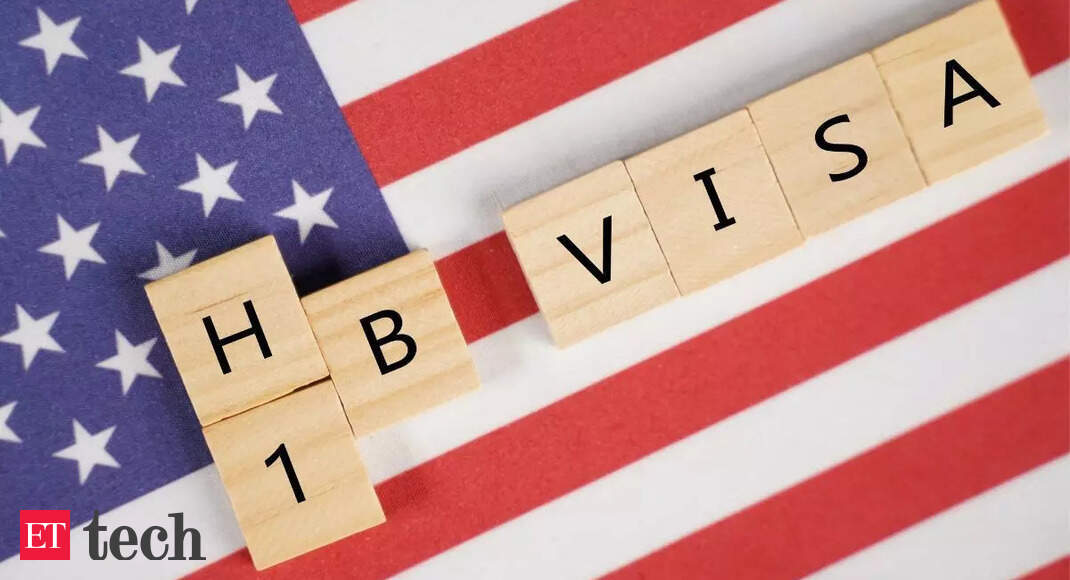
India 10-year bond sees second weekly fall on Fed letdown
The Economic Times· 2025-09-19 12:05
Core Viewpoint - The Indian government bonds have experienced a decline for the second consecutive week, influenced by hawkish commentary from the U.S. Federal Reserve and ongoing concerns regarding debt supply, which have negatively impacted investor appetite [7]. Group 1: Yield Movements - The yield on the 10-year benchmark ended at 6.4885%, slightly down from 6.5139% on Thursday, marking a marginal increase over the week after a rise of 2 basis points last week [1][7]. - Yields move inversely to prices, indicating a complex relationship between bond prices and interest rates [2][7]. Group 2: Federal Reserve Actions - The Federal Reserve reduced interest rates by 25 basis points and signaled the possibility of an additional 50 basis points of cuts in 2025, although Chair Jerome Powell emphasized a "meeting-by-meeting situation" regarding future rate cuts [2][3][7]. - The current rate cut cycle may not be extensive, as suggested by Gaura Sen Gupta, chief economist at IDFC First Bank [3][7]. Group 3: Local Market Dynamics - There are ongoing concerns in the local market regarding constant supply from the central and state governments, which has contributed to rising yields and altered demand-supply dynamics [5][7]. - Traders are anticipating the borrowing calendar from the central government for the second half of the fiscal year, expected to be published before the end of September [6][7]. - The Reserve Bank of India (RBI) has advised states to diversify their borrowing across different tenures instead of concentrating on long-term bonds and to communicate their fundraising plans more clearly [6][7]. Group 4: Overnight Index Swaps - India's overnight index swaps (OIS) rates showed mixed results, with the one-year OIS rate at 5.45%, the two-year OIS rate at 5.42%, and the liquid five-year OIS rate ending at 5.71% [7].
Midcap stocks fund managers kept buying for six months
BusinessLine· 2025-09-19 01:30
Market Overview - The Indian equity market has experienced significant volatility over the past year, with a notable rebound occurring in the last six months, particularly from March 2025, following a steep correction from the late-September 2024 peak [1] - During the six-month period ending September 17, 2025, the Nifty 50 Total Return Index (TRI) increased by 14%, while the Nifty Midcap 150 TRI and Nifty Smallcap 250 TRI rose by 21% and 24%, respectively [1] Mutual Fund Activity - The rebound in the market coincided with steady mutual fund inflows, with managers investing nearly ₹2.5 lakh crore into equities during the same period [2] - This influx of liquidity, combined with market volatility, provided active managers with opportunities to acquire quality stocks at attractive prices [2] Midcap Stock Selection - Active fund managers have consistently added specific midcap stocks to their portfolios over the past six months, focusing on those with significant increases in equity scheme participation from February to August 2025 [4] - The top three midcap stocks identified are Swiggy, One97 Communications, and IDFC First Bank [5] Individual Stock Performance - The number of active equity schemes holding Swiggy increased from 90 in February 2025 to 144 in August 2025, with new investments from HDFC Flexi Cap, Axis Midcap, and Nippon India Multi Cap [5] - One97 Communications, the parent company of Paytm, saw its active equity scheme count rise from 51 to 103 during the same period, with new entries from Motilal Oswal Large & Midcap, Canara Rob Mid Cap, and UTI Multi Asset Allocation [6] - IDFC First Bank experienced a significant increase in active schemes, rising from 9 in February 2025 to 48 in August 2025, with notable new investors including Sundaram Mid Cap, Franklin India Mid Cap, and Bandhan Value Fund [6]

After 4 days of gains, rupee closes 32 paise lower at 88.13
The Economic Times· 2025-09-18 23:53
Currency Market Overview - The Indian rupee closed 32 paise lower at 88.13 per dollar, compared to the previous close of 87.8150 [1] - The rupee had previously gained due to broad weakness in the dollar amid anticipation of a rate cut by the US Federal Reserve [2] - The US Fed cut interest rates by 25 basis points to a range of 4.00-4.25%, aligning with market expectations, but provided mixed forward guidance [5] Economic Implications - Fed Chair Jerome Powell indicated that future decisions would be made "meeting by meeting," leading to a temporary rebound of the dollar after an initial decline [2] - There is an expectation that dollar weakness may persist, with potential for a deeper rate cut cycle in 2026 than currently projected [4] - The impact of tariffs on growth and inflation is anticipated to become more pronounced as companies pass higher costs to consumers, which could negatively affect consumer demand [4] Trade Relations and Tariff Outlook - Investors are focusing on US tariff issues and weak foreign inflows in the equity market, which have negatively impacted the rupee [5] - Chief Economic Advisor V Anantha Nageswaran expressed optimism that the tariff dispute between India and the US may be resolved within two months, with potential withdrawal of penal tariffs [5] - Discussions are ongoing to reduce the reciprocal tariff from 25% to approximately 15%, which could benefit exporters [5]
Personal data of nearly 3 million customers of this credit card company leaked
MINT· 2025-09-18 15:12
Core Points - Lotte Card, a South Korean credit card company, experienced a data breach affecting 2.97 million customers, with 280,000 having sensitive data exposed that could lead to card fraud [1][2] - The company plans to issue new credit cards for affected customers, cover damages, and allocate a data security budget of 110 billion won (approximately $79.30 million) over the next five years [3] - The South Korean government, led by President Lee Jae Myung, has called for comprehensive measures to minimize hacking damage in response to the breach [4] Company Actions - Lotte Card will prioritize issuing new credit cards for the 280,000 customers whose sensitive data was leaked [2][3] - The company will provide interest-free installment services and cover any damages incurred by affected customers [3] - A budget of 110 billion won (around $79.30 million) will be set aside for data security improvements over the next five years [3] Industry Context - Data breaches are a global issue, with organizations worldwide, including in India, facing rising costs associated with such incidents [5] - The average cost of a data breach in India has increased by 13% to ₹22 crore in 2025 from ₹19.5 crore the previous year, highlighting the growing financial impact of data security issues [5]

What credit card delinquency means for you and how to overcome it
MINT· 2025-09-18 10:44
Core Insights - Credit card delinquency is a significant issue that affects cardholders' ability to secure future loans and credit [1][3] - The recent surge in credit card delinquencies in India indicates broader economic stress, with a 44% year-on-year increase, reaching ₹33,886 crore as of March 2025 [6] Group 1: Impact on Cardholders - Missing credit card payments leads to delinquency reports to credit bureaus, which can severely lower credit scores and borrowing credibility [3][4] - Continuous missed payments can escalate to defaults, resulting in legal complications and long-term damage to credit profiles [4] - Unpaid credit card bills and loans attract high interest rates, compounding the debt and making repayment more challenging [5] Group 2: Economic Implications - The rise in credit card delinquency reflects an over-reliance on debt for daily needs, prompting banks to tighten credit lending norms [6][7] - The government emphasizes responsible repayment and good financial habits to maintain a stable and accessible credit system [7] Group 3: Strategies for Management - Establishing a monthly budget and setting up automatic payments can help manage expenses and avoid missed payments [10] - Prioritizing the repayment of high-interest debts and maintaining communication with credit card issuers are essential for managing delinquency [10][11] - Avoiding further credit card spending until existing dues are cleared can prevent deepening the debt cycle [10]

IndiGo IDFC FIRST Bank Dual Credit Card: How spending smart can get you flying free
MINT· 2025-09-18 08:25
Core Insights - The IndiGo IDFC FIRST Bank Credit Card is a co-branded credit card that allows users to earn IndiGo BluChips, which can be redeemed for flight bookings, enhancing the travel experience for frequent IndiGo flyers [3][15]. Features and Benefits - The card offers BluChips on all eligible spends, including groceries, dining, and travel, with specific earning rates for different categories [4][8]. - Cardholders receive two card variants (Mastercard and RuPay) with a shared credit limit, simplifying the billing process [4]. - A joining fee of Rs. 4,999 + GST is required, which includes a voucher of 5,000 BluChips and a complimentary meal voucher [5][6]. - The card has a low forex mark-up fee of 1.49%, significantly lower than the typical 3.5% charged by most credit cards [12]. Earning and Redemption of BluChips - Cardholders can earn up to 22 BluChips per Rs. 100 spent when booking flights directly through IndiGo's website or app [9][16]. - Annual bonus vouchers of up to 25,000 BluChips can be earned by reaching specific spending milestones [7][17]. - BluChips can be redeemed for both domestic and international flights, with no blackout date restrictions [11][9]. Market Context - As of July 2025, IndiGo holds a 65.20% market share in the Indian aviation sector, indicating a strong customer base for the credit card [1][15].
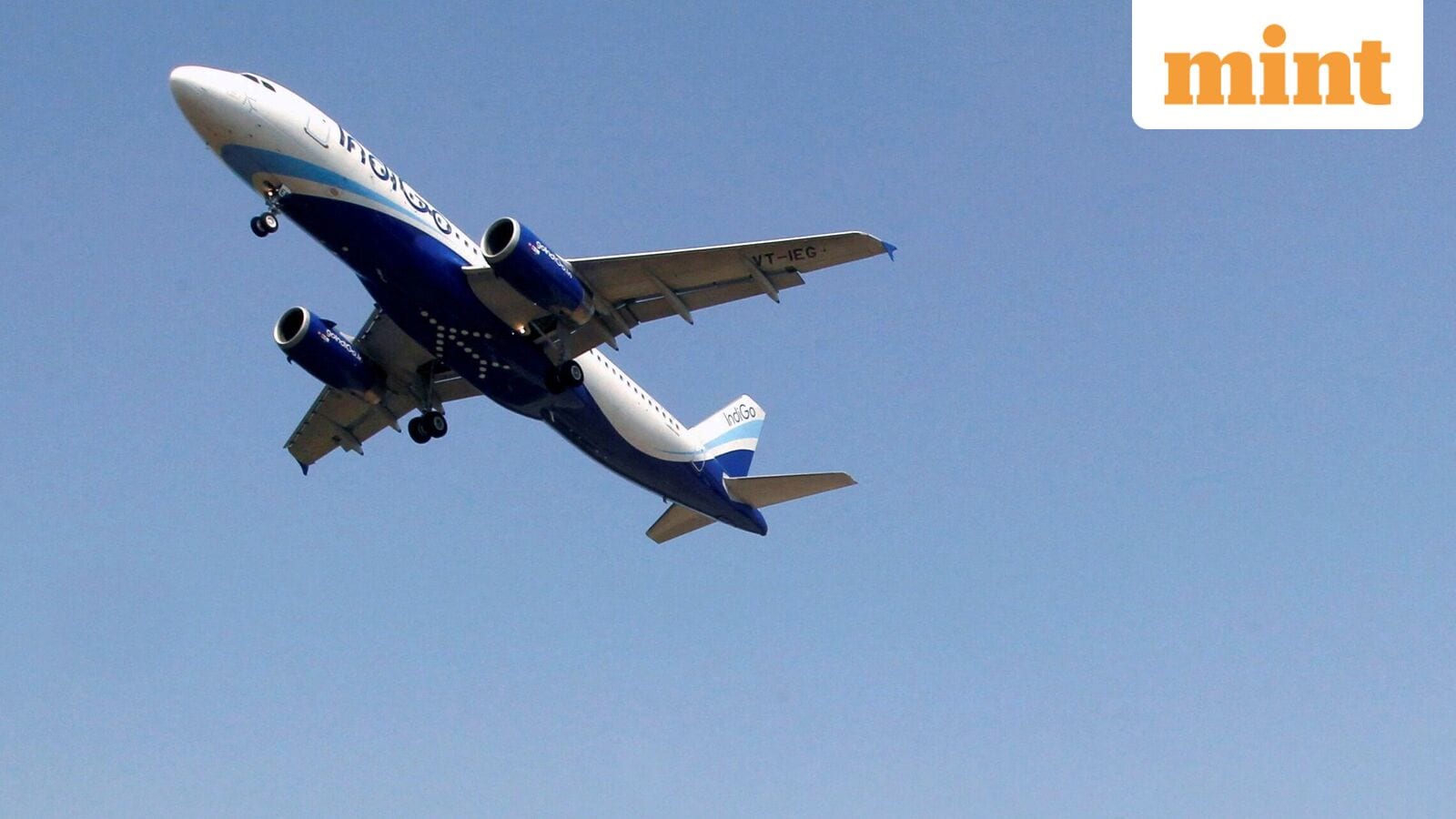
Dreamfolks exit: Is your credit card blocked from airport lounges?
MINT· 2025-09-17 07:25
Core Insights - Dreamfolks Services has exited the lounge access business in India, which is expected to disrupt lounge access for credit card users of select banks, particularly affecting customers of smaller banks [1][8] - The company faced increasing competition and market changes, leading to the withdrawal of major lounge operators from its network [2][3] - Major clients like ICICI Bank, Axis Bank, and IDFC FIRST Bank have shifted to other platforms, contributing to Dreamfolks' decline [4][5] Company Overview - Dreamfolks previously acted as an intermediary between banks, credit card issuers, and airport lounge operators, facilitating access for millions of travelers [2] - The company has been under pressure from new competitors, including TFS and Adani Digital's LoungeOne [3] - The loss of key lounge operators and clients has significantly impacted Dreamfolks' business model [4][6] Market Dynamics - ICICI Bank and Axis Bank have partnered with LoungeOne, which operates across 16 airports, affecting Dreamfolks' customer base [4] - IDFC Bank has directed its debit card customers to use Elite Assist by TFS for lounge access, while credit card users have not received similar guidance [5] - Customers with super premium credit cards that include Priority Pass membership can still access lounges, but smaller banks may face challenges until new partnerships are established [7][8]

Should new-to-credit individuals use BNPL to build their credit score?
MINT· 2025-09-17 06:51
Core Insights - The report by Paizabazaar highlights the growing trend among young individuals, particularly Gen-Z, to build and maintain good credit scores, with 25% of participants aged 18 to 28 having an average credit score of 742 [1][2]. Group 1: Understanding BNPL - Buy Now Pay Later (BNPL) is a short-term financing option that allows users to purchase products or services on credit, with the merchant receiving payment from the BNPL provider [4]. - BNPL facilities are typically offered by e-commerce platforms, fintech companies, and banks through partnerships with lending institutions [6][12]. - Repayment options for BNPL vary, with some providers offering the choice to pay the full amount next month or through EMIs over 3 to 12 months, with no interest for full repayment [7][8]. Group 2: Building Credit with BNPL - New-to-credit customers can utilize BNPL as a means to establish their credit score, as repayment data is reported to credit information companies [13][14]. - Regular repayments through BNPL can lead to an increase in credit limits, allowing for larger purchases over time [11]. - A good credit score developed through BNPL can facilitate access to traditional loans and credit cards in the future, although banks will consider additional eligibility criteria [19]. Group 3: Risks of BNPL - Failure to repay BNPL amounts on time can significantly harm an individual's credit score, as delays are reported to credit information companies [16][17]. - Loan defaults can remain on credit reports for years, complicating future borrowing opportunities [17].