GSK(GSK)

Search documents
葛兰素史克新可来在中国获批用于治疗成人慢性阻塞性肺疾病
Zheng Quan Shi Bao Wang· 2025-12-22 08:14
Core Viewpoint - GlaxoSmithKline China announced that the National Medical Products Administration (NMPA) has approved Nucala (mepolizumab injection) for maintenance treatment in adult patients with chronic obstructive pulmonary disease (COPD) characterized by eosinophilic inflammation that is not adequately controlled [1] Group 1 - The approval of Nucala is specifically for adult patients with COPD who have elevated eosinophils [1] - This treatment aims to address the unmet medical needs in the COPD patient population [1] - Nucala is expected to enhance the management of COPD in China, providing a new therapeutic option [1]

Samsung Biologics to buy U.S. drug production facility from GSK for $280 mln
Reuters· 2025-12-21 22:56
Core Viewpoint - Samsung Biologics is acquiring a U.S. drug production facility from GSK for $280 million, indicating a strategic move to enhance its production capabilities in the U.S. market [1] Company Summary - The acquisition involves a facility located in the United States, which is expected to bolster Samsung Biologics' operational footprint in the pharmaceutical manufacturing sector [1] - The transaction value is set at $280 million, reflecting Samsung Biologics' commitment to expanding its production capacity and capabilities [1] Industry Summary - This acquisition highlights the ongoing trend of consolidation within the biopharmaceutical industry, as companies seek to enhance their manufacturing capabilities and market presence [1] - The move may also indicate a growing demand for biopharmaceutical production in the U.S., aligning with industry trends towards localized manufacturing [1]

Samsung Biologics Expands U.S. Manufacturing Capabilities with Strategic Acquisition of Human Genome Sciences from GSK
Prnewswire· 2025-12-21 22:43
Core Insights - Samsung Biologics has announced the acquisition of 100% of Human Genome Sciences from GSK for USD 280 million, marking its first U.S.-based manufacturing site and expanding its global footprint [1][3][7] - The Rockville facility includes two cGMP manufacturing plants with a combined capacity of 60,000 liters, supporting both clinical and commercial production [2][3] - The acquisition will retain over 500 employees at the site, ensuring operational continuity and stability [3] Company Expansion - The acquisition is part of Samsung Biologics' strategy to enhance its manufacturing capabilities in the U.S. and deepen collaboration with local stakeholders [5][7] - The company plans to invest further in the Rockville site to expand its capacity and upgrade technology, contributing to a more resilient U.S. supply chain for critical biologic medicines [2][7] - Samsung Biologics has a proven track record of operational excellence, with significant capacity across its Bio Campus I and II, totaling 785,000 liters [4][8] Industry Context - GSK's divestment of the Rockville site is aimed at securing the manufacture of important medicines on U.S. soil, aligning with its commitment to invest USD 30 billion in R&D and manufacturing in the U.S. over the next five years [6] - The acquisition underscores the long-term dedication of Samsung Biologics to the U.S. biopharmaceutical industry and supply chain [7]

创新药周报:礼来口服SERD imlunestrant III期数据更新-20251221
Huachuang Securities· 2025-12-21 13:23
Investment Rating - The report does not explicitly state an investment rating for the industry or specific companies involved in the development of oral SERDs for breast cancer treatment. Core Insights - The report highlights the recent FDA approval of Imlunestrant, an oral SERD developed by Eli Lilly, for the treatment of ER+/HER2–/ESR1 mutant advanced or metastatic breast cancer, marking it as the second oral SERD approved after Elacestrant [18][19] - The EMBER-3 trial results indicate that Imlunestrant significantly improves progression-free survival (PFS) compared to standard endocrine therapy, with a median PFS of 5.5 months versus 3.8 months for standard therapy [23] - Giredestrant, developed by Roche, has shown positive results in the III phase evERA trial, demonstrating significant benefits in PFS compared to standard treatment in patients previously treated with CDK4/6 inhibitors [27] - Camizestrant, another oral SERD from AstraZeneca, has shown promising efficacy in the SERENA-6 trial, with a median PFS of 16.6 months when combined with CDK4/6 inhibitors [33] Summary by Sections Section 1: Focus on Innovative Drugs - The report reviews the advancements in innovative drugs, particularly in the field of breast cancer treatment, emphasizing the importance of oral SERDs [2][5] Section 2: Current Status of ER+ Breast Cancer Therapies - The report discusses the current landscape of therapies for ER+ breast cancer, including the mechanisms of action for various anti-estrogen therapies and the challenges of resistance faced by patients [10][8] Section 3: Clinical Development of New Oral SERDs - The report details the clinical development progress of several new oral SERDs, including Imlunestrant, Giredestrant, and Camizestrant, highlighting their respective phases and trial outcomes [12][11][33] Section 4: Market Dynamics and Company Performance - The report provides insights into the market dynamics of the biotech sector, including stock performance of key companies involved in the development of innovative cancer therapies [46][49]


这种性病每年感染千万人,终于有新药了!
Xin Lang Cai Jing· 2025-12-21 11:28
Core Insights - Two new oral drugs for the treatment of gonorrhea have been approved by the FDA, marking the first new treatments for this sexually transmitted disease in decades. This development is seen as a significant breakthrough in combating antibiotic-resistant strains of the bacteria responsible for gonorrhea [3][12]. Group 1: Drug Approvals and Efficacy - The FDA approved gepotidacin from GlaxoSmithKline (GSK) and zoliflodacin from Entasis Therapeutics for treating uncomplicated urogenital gonorrhea [5][7]. - Gepotidacin works by simultaneously inhibiting two bacterial enzymes, reducing the risk of antibiotic resistance, and has shown efficacy comparable to the standard treatment of ceftriaxone and azithromycin [6][8]. - Zoliflodacin has demonstrated over 90% efficacy in clinical trials and targets a different bacterial enzyme, thus presenting no current risk of resistance [7][8]. Group 2: Public Health Implications - Gonorrhea is a significant public health issue, with approximately 82.4 million new infections reported globally in 2020 among adults aged 15-49 [3][10]. - The rise of antibiotic-resistant gonorrhea strains has led to increased treatment failures, with resistance rates for ceftriaxone rising from 0.8% to 5% between 2022 and 2024 [11]. - The emergence of "super gonorrhea" strains poses a serious threat, as these bacteria can acquire resistance genes from their environment [11][12]. Group 3: Future Challenges and Considerations - Despite the approval of these new drugs, the issue of antibiotic resistance remains unresolved, particularly for throat infections caused by Neisseria gonorrhoeae [12][13]. - The FDA has allowed for the combination of similar new drugs in clinical trials, paving the way for further development of treatments against resistant strains [13]. - Ongoing monitoring and strategic use of these new antibiotics will be crucial to prevent the rapid emergence of resistance [12][13].

Trump unveils major drug price deals with 9 Pharma giants, launches TrumpRx.gov to cut medicine costs in US
MINT· 2025-12-19 23:46
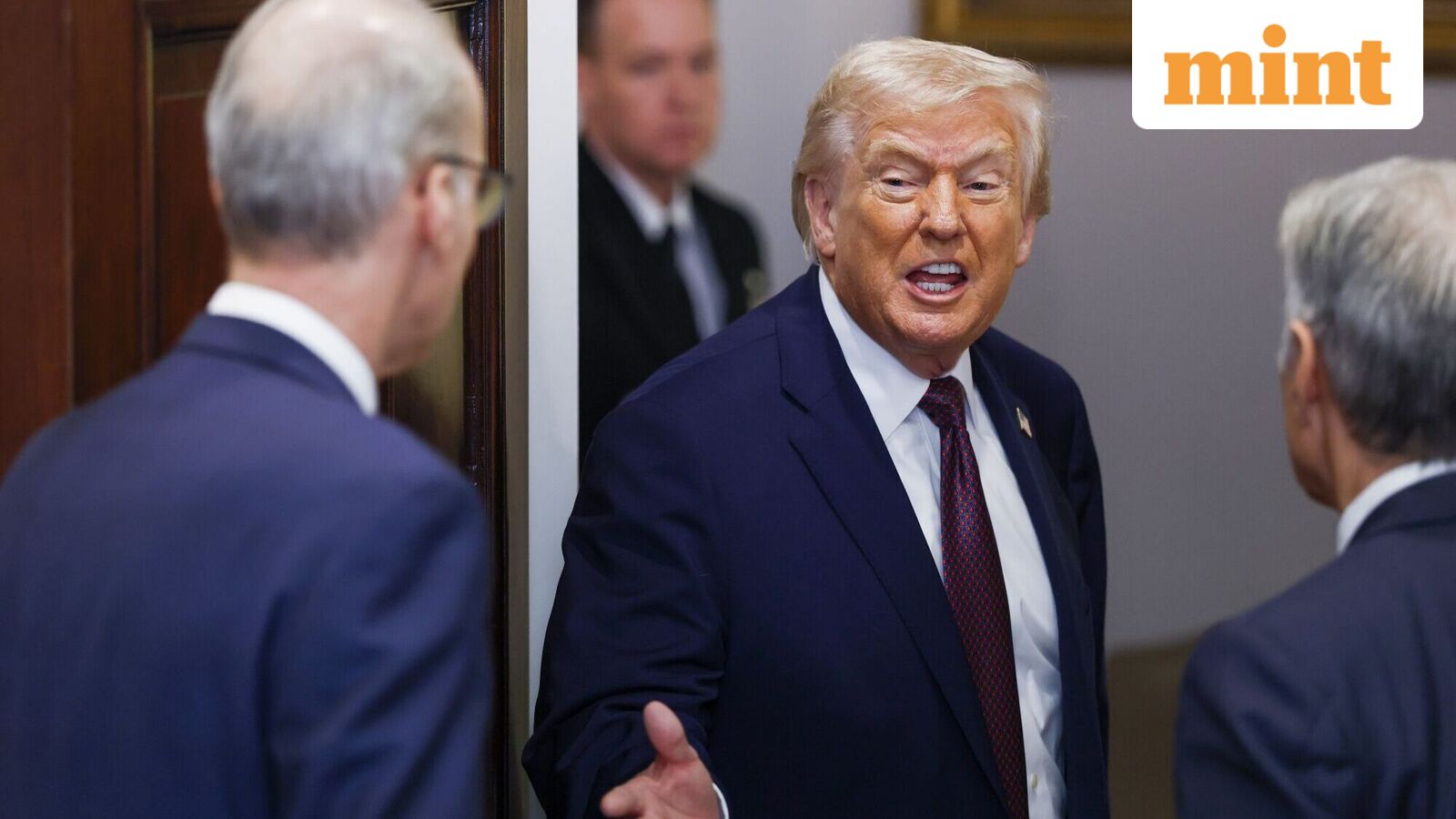
Core Insights - President Trump announced a set of drug-pricing agreements with nine major pharmaceutical companies, aiming to align U.S. medicine costs with those in Europe [1][2] - The initiative includes a new direct-to-consumer portal, TrumpRx.gov, allowing patients to purchase certain medicines directly from manufacturers [2][4] Group 1: Agreements and Participants - The agreements involve 14 out of 17 drugmakers that Trump previously urged to lower prices, including Amgen, GSK, and Merck [2][3] - Drug companies are motivated to negotiate to avoid potential regulatory measures that could impact their profits [3] Group 2: TrumpRx.gov Functionality - TrumpRx.gov will serve as a central directory for patients to access selected medicines directly from manufacturers' websites [4] - The portal is expected to be fully operational by January, following a promotional launch [4] Group 3: Pricing Details - Highlighted medicines include Amgen's Repatha at $239/month, GSK's Advair Diskus at $89/month, and Merck's Januvia at $100/month [6] - Gilead's Epclusa will be priced at $2,492/month, despite lower costs for insured patients [6] Group 4: Impact on Medicaid and Medicare - Companies committed to launching new medicines in the U.S. at prices comparable to those in other wealthy countries [8] - Medicaid programs are legally entitled to the lowest drug prices, with Bristol Myers Squibb offering Eliquis free to Medicaid [9] Group 5: Industry Response and Future Outlook - Health policy experts express skepticism about the agreements' impact on overall drug prices for most Americans [10] - The agreements do not impose mandatory price controls and leave many brand-name drug costs unchanged [15] - Ongoing discussions with additional manufacturers like AbbVie and Johnson & Johnson may lead to further agreements [14]


Trump strikes deal with US drugmakers to cut Medicaid medicine costs
The Guardian· 2025-12-19 20:14
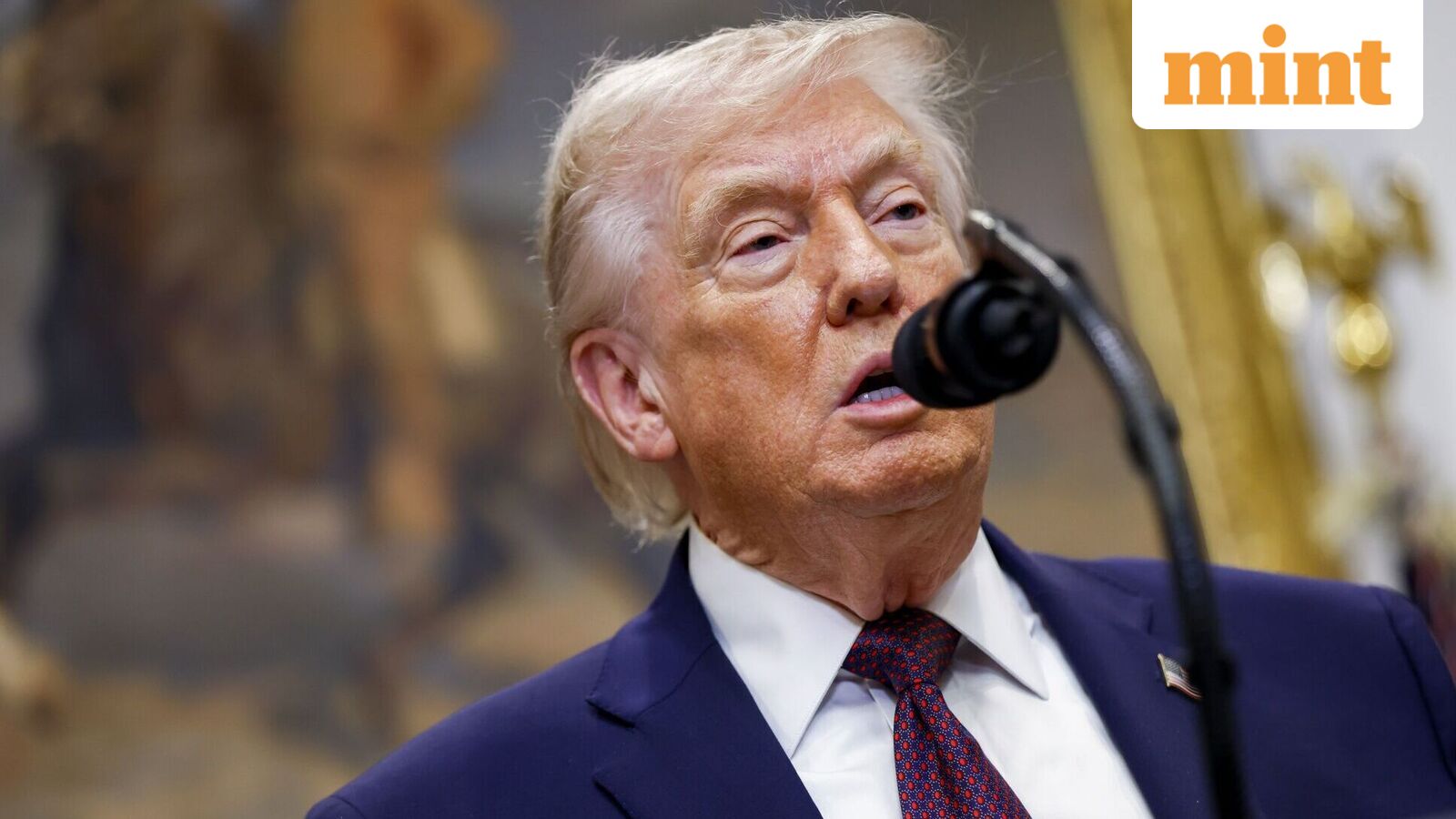
Core Insights - Donald Trump and nine major pharmaceutical companies have reached agreements to significantly reduce drug prices for the Medicaid program and cash payers, aiming to align US costs with those in other wealthy nations [1][2] Group 1: Price Reductions and Agreements - Drugmakers will cut prices on most drugs sold to Medicaid, promising "massive savings" on commonly used medicines, although specific figures were not disclosed [2] - The deals include agreements to lower cash-pay prices for select drugs, launch drugs in the US at prices equal to those in other wealthy nations, and increase manufacturing [3] - Merck plans to sell its diabetes drugs at approximately 70% off list prices directly to US consumers, with potential for its experimental cholesterol drug to be offered through direct channels [4] Group 2: Previous and Current Deals - Five companies had previously made agreements with the administration to control prices, while three companies have yet to announce deals [6] - Drugmakers committed to "most-favored-nation" pricing for all new US drug launches across various markets, including Medicare [7] Group 3: Financial Commitments and Investments - Companies pledged to invest over $150 billion in US research and development and manufacturing, with Merck contributing $70 billion of that total [8] - A portion of revenues from foreign sales will be remitted to the US to help offset costs [8] Group 4: Medicaid and Market Impact - Medicaid, which represents about 10% of US drug spending, already benefits from significant price discounts, sometimes exceeding 80% [9] - Pfizer indicated that Medicaid discounts would lead to price and margin compression in the upcoming year [9]


Trump secures agreements with Merck, Amgen, Novartis and others to cut drug prices under Medicaid
MINT· 2025-12-19 20:04
Core Points - US President Donald Trump announced agreements with nine major pharmaceutical companies to reduce drug prices for Medicaid and cash-paying consumers, aiming to align US drug costs with those in other wealthy nations [1][4] - Trump emphasized that the US was previously subsidizing global drug costs and will no longer do so [2] Group 1: Drugmakers Involved - Participating companies include Bristol Myers Squibb, Gilead Sciences, Novartis, Amgen, Boehringer Ingelheim, Sanofi, GSK, Merck, and Roche's US unit Genentech [3] - Additional companies like Regeneron, Johnson & Johnson, and AbbVie are expected to join after the holidays [3] Group 2: Price Reductions and Commitments - Drugmakers will reduce prices on most medicines sold to Medicaid, promising "massive savings" on widely used drugs, although specific figures were not disclosed [4] - The agreements also include commitments to cut cash prices for select medicines and to launch new drugs in the US at prices equal to those in other wealthy countries [5] Group 3: Specific Drug Pricing - Merck plans to sell diabetes drugs Januvia, Janumet, and Janumet XR at discounts of about 70% off list prices [7] - Amgen will price its migraine drug Aimovig and arthritis treatment Amjevita at $299 per month, which is nearly 60% and 80% below current US list prices, respectively [7] Group 4: Investment and Revenue Sharing - Companies pledged to invest over $150 billion in US research, development, and manufacturing, with Merck alone committing $70 billion [8] - A portion of each company's overseas revenue will be remitted to the US to help offset domestic drug costs, and several companies agreed to donate drug ingredients to the US strategic reserve [9] Group 5: Industry Reaction - Five drugmakers, including Pfizer and Eli Lilly, had already struck similar deals with the administration, and AbbVie is expected to announce its agreement soon [10]

GSK: 2026 Looks Good
Seeking Alpha· 2025-12-18 21:25
Core Viewpoint - GSK plc has experienced a significant increase in stock value, rising approximately 46% year-to-date, which outperforms the healthcare sector's average return of 13.5% [1] Group 1: Company Performance - GSK's stock performance has been notably strong in the current year, indicating positive market sentiment and potential growth opportunities for investors [1] Group 2: Industry Context - The healthcare sector, as represented by average returns, has shown a modest increase of 13.5%, highlighting GSK's exceptional performance relative to its peers [1]
GSK's Exdensur Gets FDA Nod for Severe Asthma Treatment
ZACKS· 2025-12-17 16:30
Core Insights - GSK plc announced FDA approval for Exdensur (depemokimab-ulaa), an ultra-long-acting IL-5-targeting biologic, as an add-on maintenance treatment for severe asthma with an eosinophilic phenotype in patients aged 12 and above [1] - Exdensur is the first and only ultra-long-acting biologic approved for severe eosinophilic asthma, administered twice yearly [1] FDA Approval and Clinical Data - The FDA approval was based on phase III SWIFT-1 and SWIFT-2 studies, which demonstrated a significant reduction in annualized asthma exacerbations with Exdensur compared to placebo [2] - Exdensur showed a 58% reduction in annualized exacerbations in SWIFT-1 and a 48% reduction in SWIFT-2 over 52 weeks compared to placebo [2] Safety and Tolerability - Treatment with Exdensur was generally well-tolerated, with side effects comparable to those of placebo [3] Stock Performance - GSK shares have increased by 26.3% over the past six months, outperforming the industry average rise of 22.1% [4] Development Activities - Exdensur is also under review for treating chronic rhinosinusitis with nasal polyps (CRSwNP) in the U.S., with a decision expected alongside the asthma indication [5][8] - In the UK, Exdensur was approved for both asthma with type 2 inflammation and CRSwNP [8] European Approval Status - The CHMP of the European Medicines Agency has issued a positive opinion for Exdensur for severe asthma with type 2 inflammation and CRSwNP, with a final decision expected in Q1 2026 [9] Respiratory Portfolio - GSK's respiratory portfolio is currently driven by Nucala, a monoclonal antibody targeting IL-5, which is approved for multiple IL-5-mediated conditions [10] - Nucala's sales increased by 13% at constant exchange rates to £1.44 billion in the first nine months of 2025, supported by strong market performance [12]