
GSK(GSK)

Search documents
GSK forecasts slower sales growth in 2026
Reuters· 2026-02-04 07:03
GSK on Wednesday forecast sales growth to slow in 2026 in the first outlook presented by new CEO Luke Miels as the drugmaker shifts focus on expanding its pipeline to counter looming patent expiries f... ...


Travel Vaccines Market Size to Reach USD 10.69 Billion by 2033, Driven by Rising International Travel and Preventive Healthcare Awareness – SNS Insider.
Globenewswire· 2026-02-03 09:04
Core Insights - The Travel Vaccines Market is projected to grow from USD 5.22 billion in 2025 to USD 10.69 billion by 2033, with a CAGR of 9.37% from 2026 to 2033, driven by international tourism, business travel, and increased awareness of vaccine-preventable diseases [1][6]. Market Size and Forecast - The U.S. Travel Vaccines Market is expected to grow from USD 1.42 billion in 2025 to USD 2.49 billion by 2033, at a CAGR of 7.32%, supported by outbound travel to emerging economies and increased vaccination services [4]. - The overall Travel Vaccines Market is anticipated to expand significantly, with a base year of 2025 and a forecast period from 2026 to 2033 [6]. Government Initiatives and Immunization Programs - Public health agencies globally are promoting vaccination to prevent diseases like yellow fever and hepatitis among travelers, enhancing vaccine uptake through national immunization policies and partnerships with travel agencies [5]. Market Segmentation Analysis - By Disease Type: Influenza dominates the market with a 38.50% share in 2025, expected to rise to 41.50% by 2033, while the "others" category is the fastest-growing segment, increasing from 10.38% to 12.63% [9]. - By Booking Channel: Online booking leads with a 59.75% market share in 2025, projected to grow to 70.25% by 2033, reflecting the trend towards digital healthcare solutions [10]. - By Tourist Type: Domestic travelers hold 61.13% of the market in 2025, but their share is expected to decrease to 55.88% by 2033, while international travelers will grow from 38.88% to 44.13% [11]. Regional Insights - North America holds the largest share of the Travel Vaccines Market at 41.13% in 2025, driven by strong healthcare systems and vaccination programs [15]. - The Asia Pacific region is the fastest-growing market, with a CAGR of 2.57%, fueled by increased travel and improved healthcare infrastructure [16]. Competitive Landscape - Major companies in the Travel Vaccines Market include GlaxoSmithKline, Merck & Co., Sanofi, and Pfizer, among others, indicating a competitive environment with significant R&D investments [13].



Wave Life Sciences Reclaims Rare Disease Drug From GSK, Targets Faster FDA Path
Benzinga· 2026-02-02 19:16
Group 1 - Wave Life Sciences Ltd. regained full rights to WVE-006 from GSK Plc, allowing the company to advance the program for alpha-1 antitrypsin deficiency (AATD) [1] - AATD is caused by SERPINA1 gene mutations, leading to low levels of the protective protein AAT, which results in severe emphysema/COPD and liver disease [2] - The RestorAATion-2 clinical trial is on track, with data from the 400 mg multidose cohort expected in the first quarter of 2026, and plans for engaging with the FDA for potential accelerated approval [3] Group 2 - GSK selected a fourth program to advance to a development candidate under their collaboration, which allows GSK to advance up to eight programs using Wave's PRISM platform, potentially leading to $2.8 billion in milestone payments for Wave [4] - Wave expects its current cash and cash equivalents to fund operations into the third quarter of 2028 [5] - WVE stock increased by 4.48% to $13.52 as of the last check on Monday [5]


下周重磅日程:美非农、欧英央行决议、日本大选、伊朗局势、谷歌亚马逊AMD财报
Hua Er Jie Jian Wen· 2026-02-01 03:53
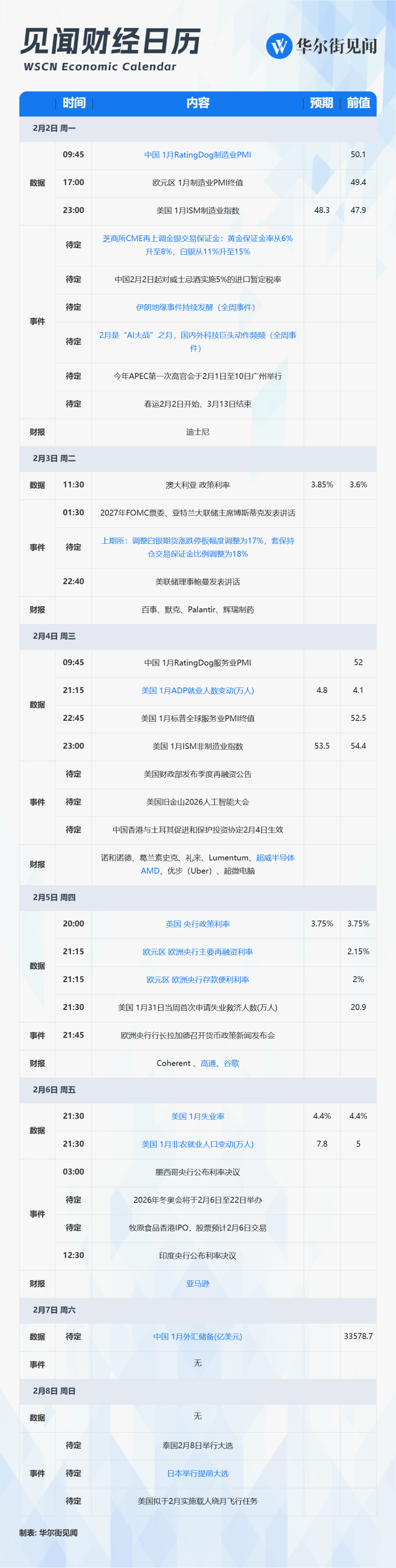
Economic Data - China's January Manufacturing PMI is expected to be 50.1, indicating a slight recovery in manufacturing activity [3] - Eurozone's January Manufacturing PMI final value is reported at 49.4, showing continued contraction [3] - The US ISM Manufacturing Index for January is anticipated to rise to 48.3 from 47.9, suggesting a potential stabilization in manufacturing [3] Central Bank Decisions - The Reserve Bank of Australia is expected to raise its policy rate to 3.85% from 3.6% [4] - The European Central Bank and the Bank of England are both expected to maintain their current interest rates during their upcoming meetings [9] Major Corporate Earnings - Key earnings reports are expected from major companies including Disney, Pepsi, Merck, and Pfizer, with a focus on their performance in the current economic climate [4][26] - Tech giants like Google and Amazon will report on their cloud business growth, which is critical for assessing AI monetization capabilities [6][26] Geopolitical Events - Ongoing tensions in Iran are highlighted, with the US increasing military presence in the region, which may impact global markets [12] - Japan and Thailand are set to hold significant elections on February 8, which could influence regional political stability [15][17] IPOs and Market Movements - Muyuan Foods is set to launch its IPO in Hong Kong, potentially raising up to 14 billion HKD (approximately 1.8 billion USD) [28] - The Shanghai Futures Exchange has adjusted the trading limits and margin requirements for silver futures, reflecting a tightening in trading conditions [11] Commodity Market Changes - CME has raised the margin requirements for gold from 6% to 8% and for silver from 11% to 15%, indicating a move to reduce leverage in the precious metals market [10] - The Chinese government has implemented a temporary 5% import tax on whiskey starting February 2 [19]



英国首相斯塔默访华,随行企业名单出炉:包括阿斯利康、渣打、英美资源等





Xin Lang Cai Jing· 2026-01-28 11:41
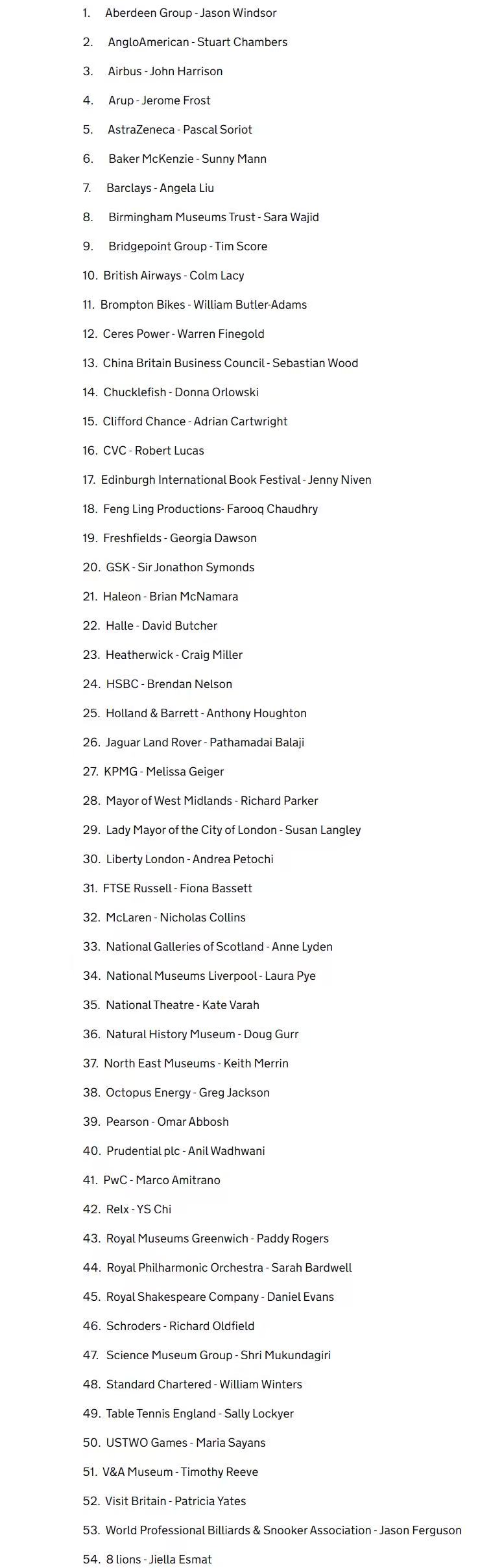
Group 1 - UK Prime Minister Keir Starmer's visit to China includes over 50 business executives and institutional representatives from various sectors such as finance, pharmaceuticals, and manufacturing [1] - Notable attendees include CEOs and leaders from companies like AstraZeneca, Standard Chartered, HSBC, and Jaguar Land Rover, indicating a strong representation from key industries [1] - The visit aims to enhance communication and cooperation between the UK and China, aligning with the interests of both nations and promoting global peace and stability [1] Group 2 - The delegation features high-profile figures such as John Harrison from Airbus, Jason Ferguson from the World Professional Billiards and Snooker Association, and executives from Prudential and McLaren, showcasing a diverse range of industries [2][3] - The presence of leaders from cultural institutions like the Royal Shakespeare Company and the Science Museum Group highlights the importance of cultural exchange in the bilateral relationship [3]
中金 • 全球研究 | 特朗普政府药价改革背后的因与果
中金点睛· 2026-01-27 23:50
Core Viewpoint - The article discusses the ongoing efforts by the Trump administration to lower drug prices in the U.S., highlighting the strong pricing power of pharmaceutical companies and the complexities of the healthcare payment system, which includes private insurance and pharmacy benefit managers (PBMs) [2][35]. Summary by Sections U.S. Healthcare System Overview - The U.S. healthcare system is characterized by high medical service costs and low insurance coverage rates compared to other developed countries, with total healthcare spending reaching approximately $4.9 trillion in 2023, accounting for 17.6% of GDP [4][5]. - From 1960 to 2023, per capita national health expenditure in the U.S. increased from $146 to $14,570, a 99-fold increase with a compound annual growth rate of 7.6% [4]. Insurance Coverage and Efficiency - The U.S. insurance coverage rate is relatively low among developed nations, with 2023 coverage at 92.4%, lower than most OECD countries [9]. - The efficiency of healthcare services is also a concern, with the U.S. showing only an 8.8% decrease in all-cause mortality from 1999 to 2022, compared to a 25.9% decrease in the UK during the same period [7]. Medicare and Medicaid - Medicare, the primary public insurance program, covers approximately 65 million elderly and disabled individuals, while Medicaid covers about 91.7 million low-income individuals, with a compound annual growth rate of 7.0% in spending from 2013 to 2023 [18][19]. - Private insurance dominates the U.S. healthcare system, covering about 207 million people, or 62% of the population, with employer-sponsored plans being the most common [19]. PBM Role and Pricing Mechanisms - Pharmacy Benefit Managers (PBMs) play a crucial role in the drug supply chain, managing drug formularies and negotiating prices, but their profit mechanisms, including rebate retention and price differentials, contribute to high drug prices [26][28]. - The consolidation of PBMs has raised concerns about their influence on drug pricing and transparency, prompting regulatory scrutiny at both state and federal levels [30]. Drug Pricing Reforms - The Trump administration has initiated several measures to reduce drug prices, including the Inflation Reduction Act, which allows for direct price negotiations for Medicare-covered drugs [33][35]. - The administration's efforts include setting price caps on insulin and negotiating discounts with pharmaceutical companies, with significant reductions observed in negotiated drug prices [33][39]. Pharmaceutical Pricing Trends - According to ICER, the median list price of new drugs is projected to increase by 24% and the net price by 51% from 2022 to 2024, indicating the continued strong pricing power of pharmaceutical companies [2][40]. - The article concludes that the interplay of the healthcare payment system, PBM profit mechanisms, and pharmaceutical pricing power complicates the effectiveness of drug price reform initiatives [39][40].



短短两年内,7家跨国医疗巨头退出中国市场
Sou Hu Cai Jing· 2026-01-27 02:13
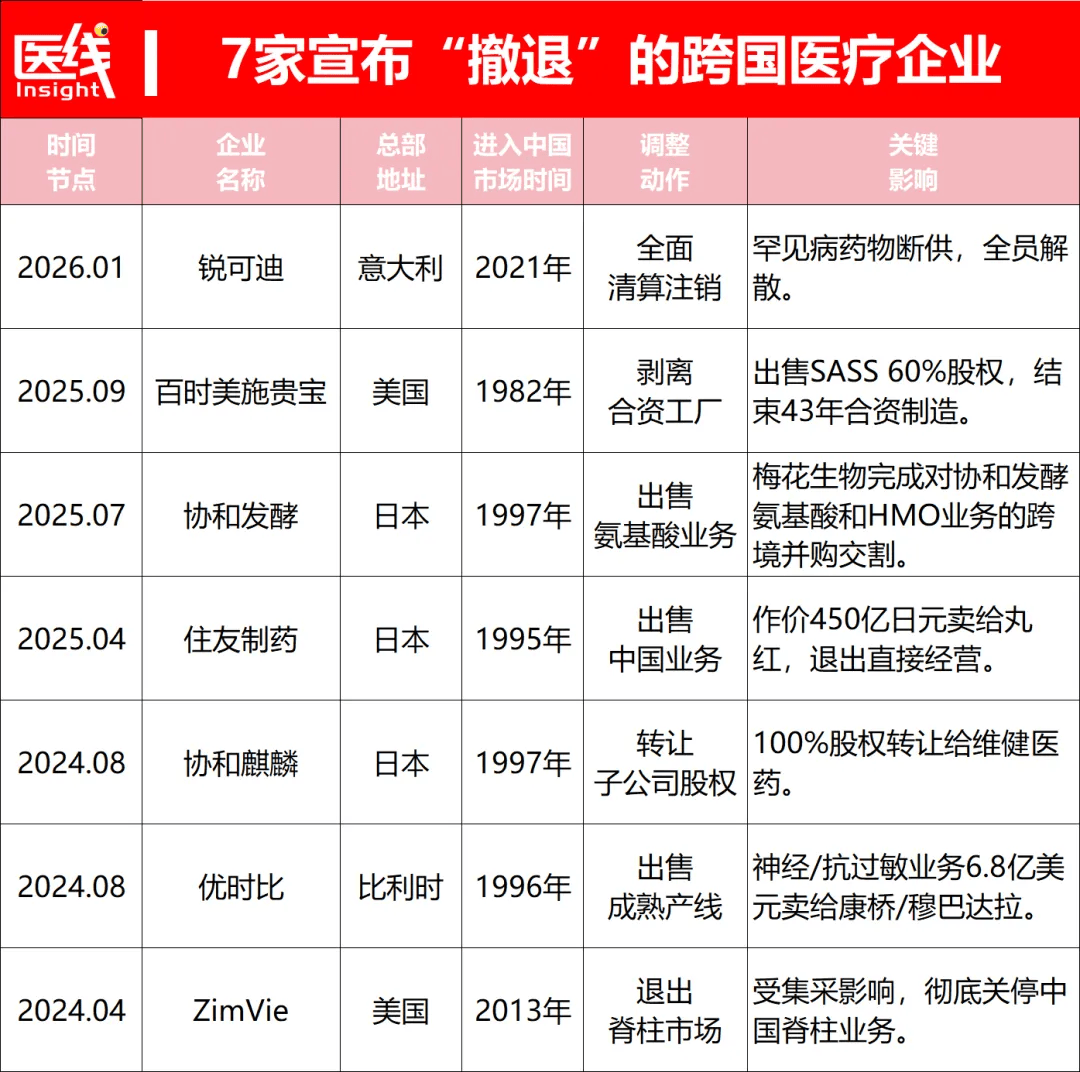
如果我们把时间轴拉回至2024年初,俯瞰整个中国医疗市场,一份"撤退清单"已然浮现:短短两年间,至少7家曾经在中国市场长袖善舞的跨国医疗企 业,做出了令业界哗然的决绝选择——出售、剥离、裁撤,乃至清盘。 从住友制药将中国业务"打包卖身",到百时美施贵宝(BMS)挥泪斩断40年的合资情缘;从协和麒麟的全权转让,到ZimVie在脊柱市场的黯然离场。 | | | | | 7家宣布"撤退"的跨国医疗企业 | | | --- | --- | --- | --- | --- | --- | | EDITET | 1541 | 总部 | 进入中国 | 调整 | 美键 | | 节点 | 名称 | 地址 | 市场时间 | 动作 | 影响 | | 2026.01 | 锐可迪 | 意大利 | 2021年 | 毛圓 | 罕见病药物断供,全员解 | | | | | | 清算注销 | 散。 | | 2025.09 | 百时美施贵宝 | 美国 | 1982年 | 剥离 | 出售SASS 60%股权,结 | | | | | | 合资工厂 | 束43年合资制造。 | | 2025.07 | 协和发酵 | 日本 | 1997年 | 出售 | 梅 ...

小核酸赛道,挤满了下一代大药
Ge Long Hui· 2026-01-26 21:06
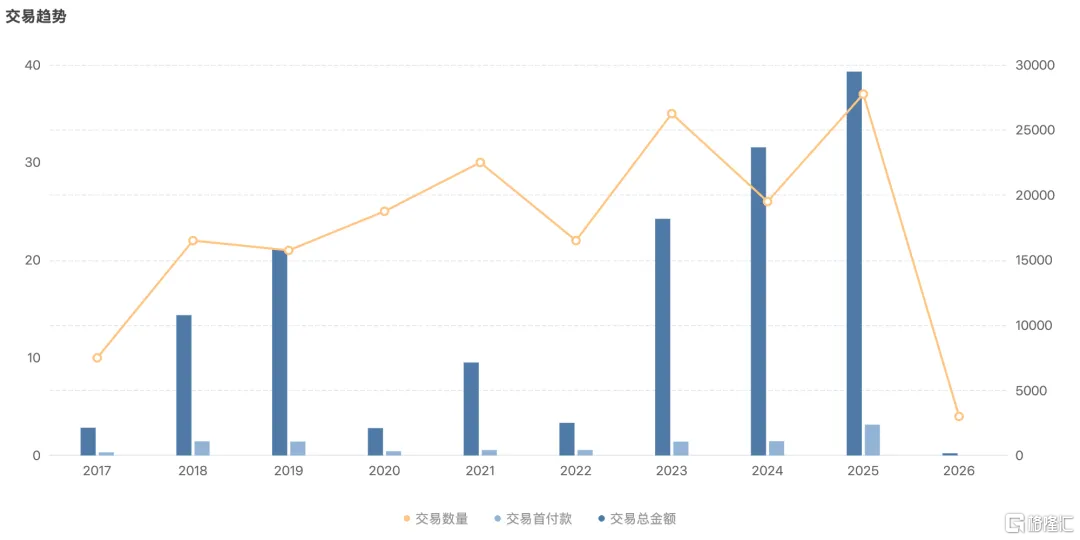
Core Insights - The small nucleic acid drug sector is experiencing a significant surge, marking the beginning of a golden era driven by technological breakthroughs and capital enthusiasm [2][11][22] Industry Developments - On January 5, 2026, Sanofi's APOC3 siRNA drug Plozasiran was approved for domestic market use to treat hyperlipidemia [1] - On January 9, 2026, Rebio Biotech, known as "China's first small nucleic acid stock," successfully listed on the Hong Kong Stock Exchange, with its stock price soaring by 40% on the first day, leading to a market capitalization exceeding 13 billion HKD [1] - China National Pharmaceutical Group announced a 1.2 billion CNY acquisition of Hegia Biotech, securing the world's first clinically validated liver-targeted delivery platform capable of annual dosing [1] Market Trends - The global small nucleic acid drug market has seen nearly 100 business development (BD) collaborations in the past three years, with transaction numbers and amounts increasing annually, reaching over 30 BD deals in 2025 totaling nearly 30 billion USD [4][9] - Notable transactions in 2025 included Novartis acquiring Avidity Biosciences for 12 billion USD and multiple other significant deals involving RNA therapies [7][9] Clinical Advancements - Ionis's APOC3 ASO drug Olezarsen showed promising results in reducing triglyceride levels by up to 72% in patients with severe hypertriglyceridemia, leading to an increase in peak annual sales forecast from 1.5 billion USD to 2.5 billion USD [12] - GSK's ASO therapy Bepirovirsen is expected to be the first drug to achieve functional cure for chronic hepatitis B, with a peak annual sales potential of 2 billion USD [12] Emerging Opportunities - The small nucleic acid drugs are expanding into various therapeutic areas, including obesity and kidney diseases, with promising results from clinical trials demonstrating significant weight loss and metabolic health improvements [13][15] - The number of small nucleic acid drugs in development globally has surpassed 1,200, with siRNA and ASO therapies being the most prominent [17] Strategic Collaborations - Domestic companies are increasingly recognized for their innovative value in small nucleic acid drugs, with active BD transactions, including significant collaborations by Rebio Biotech and other firms [18][21] - Companies like Saintin Biotech are forming strategic partnerships with major pharmaceutical firms to advance their small nucleic acid drug pipelines [19] Conclusion - The convergence of technological advancements, capital influx, and successful clinical outcomes is propelling small nucleic acid drugs into a pivotal position within the pharmaceutical industry, with China poised to become a global innovation hub [22]



医药生物行业周报:医药生物行业双周报2026年第2期总第151期2026年JPM大会圆满落幕
Great Wall Glory Securities· 2026-01-26 06:24
Investment Rating - The investment rating for the pharmaceutical and biotechnology industry is "Positive" and the rating has been maintained [2] Core Insights - The pharmaceutical and biotechnology industry index experienced a decline of 1.07%, ranking 26th among 31 primary industries, outperforming the CSI 300 index which fell by 1.19% [4][15] - The valuation of the pharmaceutical and biotechnology industry as of January 23, 2026, is a PE (TTM overall method, excluding negative values) of 30.31x, down from 30.56x in the previous period, indicating a downward trend below the average [4][19] - The top three sub-industries by PE are vaccines (47.34x), hospitals (44.94x), and other medical services (40.38x), while the lowest valuation is in pharmaceutical circulation (15.31x) [4][19] - During the reporting period, 34 listed companies in the pharmaceutical and biotechnology sector saw a net reduction of 2.125 billion yuan in shareholder holdings, with 2 companies increasing holdings by 63 million yuan and 32 companies reducing holdings by 2.189 billion yuan [4] Industry Review - The report highlights significant developments in the pharmaceutical retail sector, emphasizing the need for transformation from traditional drug sales to comprehensive health services [24][25] - The Ministry of Commerce and other departments issued opinions to promote high-quality development in the pharmaceutical retail industry, projecting a market size increase from 2.41 trillion yuan in 2020 to 2.95 trillion yuan by 2024, a growth of 22.4% [24][25] - The report also discusses the approval of new drugs and treatments, including the PD-1/VEGF bispecific antibody RC148 by Rongchang Biopharmaceuticals, which has a potential total payment of up to 4.95 billion USD [7][50] Investment Recommendations - The report suggests focusing on innovative pharmaceutical companies with differentiated pipelines that have received validation from high-quality collaborations with multinational pharmaceutical companies, particularly in key areas such as ADC, bispecific antibodies, and siRNA therapies [7]


氟替美维吸入粉雾剂获批新适应症,用于成人哮喘患者的维持治疗
Bei Ke Cai Jing· 2026-01-23 11:49
Core Viewpoint - GSK has received approval from the National Medical Products Administration for the new indication of its inhalation powder, Trelegy (FF/UMEC/VI), for maintenance treatment in adult asthma patients, expanding its previous indication for chronic obstructive pulmonary disease (COPD) [1][2]. Group 1: Product Information - Trelegy is now the first and only single-inhaler triple therapy in China for both asthma and COPD maintenance treatment [1]. - The inhalation powder is administered once daily through a single inhalation device and contains three components: inhaled corticosteroid (ICS) fluticasone furoate (FF), long-acting muscarinic antagonist (LAMA) umeclidinium (UMEC), and long-acting β2-adrenergic agonist (LABA) vilanterol (VI) [1]. Group 2: Market Context - Asthma is one of the most common chronic respiratory diseases, with about half of the patients not achieving effective symptom control, which increases the risk of acute attacks and affects quality of life [2]. - The approval of the new indication provides an important treatment option for adult asthma patients who are not optimally controlled and face the risk of acute exacerbations [2].