GSK(GSK)

Search documents
7000亿疫苗之“王”,前三季净赚478亿
3 6 Ke· 2025-12-09 02:51
Core Viewpoint - The vaccine industry is experiencing a divergence, with some companies struggling while others reach historical highs. The demand for HPV vaccines, particularly the nine-valent HPV vaccine, has become a focal point in the domestic market, highlighting the challenges and opportunities within the industry [2][4]. Group 1: HPV Vaccine Market Dynamics - The end of the pandemic has led to a return to normal growth trajectories for the vaccine industry, but demand has slowed, reinforcing the single-product logic in the sector [2]. - The price of the two-valent HPV vaccine has plummeted, even dropping below the price of a cup of milk tea, due to increased competition and market saturation [4]. - Domestic vaccine companies have seen significant declines in stock prices and performance, with many experiencing over 70% drops, signaling the need for innovation rather than imitation [4][10]. Group 2: GSK's Vaccine Strategy - GSK's vaccine segment is a stable revenue source, with its shingles vaccine projected to generate £3.364 billion in sales by 2024 [6][8]. - The domestic market for shingles vaccines is expected to grow from ¥3.73 billion in 2022 to ¥5.63 billion by the end of 2025, with a compound annual growth rate of 16.4% [8]. - GSK's shingles vaccine is the first approved for immunocompromised adults, filling a significant gap in disease prevention [8]. Group 3: GSK's Financial Performance - GSK's stock has increased by over 50% this year, outperforming competitors like Pfizer and Merck, which have seen minimal growth [11]. - GSK reported a revenue of £24.049 billion (approximately ¥226.5 billion) for the first three quarters of 2023, a 3.4% year-on-year increase, with net profit rising by 135.08% to £5.08 billion (approximately ¥47.8 billion) [11]. - The company has raised its full-year guidance for revenue growth to 6%-7% and adjusted its earnings per share forecast upward to 10%-12% [11]. Group 4: M&A Activity and Future Outlook - GSK is accelerating its global acquisitions, including a $500 million upfront payment to Heng Rui Pharma for exclusive rights to multiple projects [14]. - The company has entered into several agreements for exclusive rights to develop and commercialize new therapies, indicating a robust pipeline and strategic growth [15]. - The future of the vaccine industry may hinge on developing unique products and maintaining competitive advantages, as seen in GSK's approach, which contrasts with the challenges faced by domestic companies [16].


摩根大通解密BD潮:巨头"抄底"中国创新药,下一个爆款在哪?
2 1 Shi Ji Jing Ji Bao Dao· 2025-12-08 04:49
Core Insights - The global biopharmaceutical innovation landscape, traditionally dominated by multinational corporations, is undergoing significant structural changes, with China's innovative drug industry emerging as a key player on the global stage [1] - China's transition from a "fast follower" to an "originator" in innovative drugs is becoming an irreversible trend, as highlighted by international media [1] - Data shows a notable increase in China's share of global clinical trials and licensing transactions, with Chinese biotech companies outperforming their U.S. counterparts in stock price growth over the past year [1][3] Group 1: Market Dynamics - Multinational corporations are increasingly inclined to source early-stage innovative pipelines from China due to cost-effectiveness, with costs in China being 30%-40% lower than in the U.S. [2] - The collaboration between domestic companies and multinationals is exemplified by the $12.5 billion upfront payment from Pfizer to 3SBio for overseas rights to a bispecific antibody, marking a record for domestic innovative drugs [2][3] - The Chinese innovative drug sector is expected to see a surge in licensing transactions, with projections indicating that total licensing amounts could exceed $100 billion in the first three quarters of 2025 [3] Group 2: Investment Trends - The biopharmaceutical sector is experiencing a business development (BD) boom, with significant transactions such as the $12 billion collaboration between Hengrui Medicine and GSK, indicating strong interest from multinational companies [3][4] - Investment institutions are focusing on the biopharmaceutical sector, with approximately 80% of the market value concentrated in biotechnology and pharmaceuticals, driving capital flow into these areas [5] - The market is witnessing a shift from "story-driven" investment decisions to a focus on the hard capabilities of companies, emphasizing the importance of clinical data and product quality [9][10] Group 3: Future Outlook - The innovative drug market is expected to thrive, with projections indicating that the Hang Seng Index could double by 2025, driven by favorable policies and a rebound in industry valuations [7] - The Chinese innovative drug sector is anticipated to recover strongly in 2025, with the overall revenue of listed companies in this sector reaching 48.83 billion yuan, a 22% year-on-year increase [7] - The market is seeing a resurgence in IPO activity, with over 20 companies currently queued for listing in Hong Kong, reflecting renewed investor interest in the biopharmaceutical sector [12][13]





摩根大通:将葛兰素史克目标价从1500便士上调至1700便士。
Jin Rong Jie· 2025-12-08 04:07
Core Viewpoint - Morgan Stanley has raised the target price for GlaxoSmithKline from 1500 pence to 1700 pence [1] Company Summary - The adjustment in target price reflects a positive outlook on GlaxoSmithKline's performance and potential growth [1]
全球大公司要闻 | 好莱坞工会反对奈飞收购华纳兄弟
Wind万得· 2025-12-07 22:59
Group 1 - Netflix announced an agreement to acquire Warner Bros. Discovery for an enterprise value of approximately $82.7 billion, focusing on its film studios and HBO Max streaming assets, including top IPs like Harry Potter and Game of Thrones, aiming to build a "super content" empire, with the deal expected to face strict antitrust scrutiny [3] - OpenAI plans to respond to Google's Gemini 3 with the upcoming GPT-5.2, which is now expected to launch on December 9, ahead of its original schedule [3] - SpaceX is reportedly seeking an $800 billion valuation through a share sale, although Elon Musk denied the accuracy of this report, stating that revenue from NASA is expected to account for no more than 5% of the company's income by 2026 [4] Group 2 - X, the social platform owned by Musk, was fined €120 million under the EU's Digital Services Act for allegedly violating content moderation regulations [4] - Microsoft is in talks with Broadcom to design future custom chips, potentially shifting from its current supplier Marvell [4] Group 3 - Xingqi Eye Care has multiple products included in the National Medical Insurance Directory, with a notable product priced at 1.78 yuan per piece, expected to positively impact long-term operations [6] - Kexin Pharmaceutical's CAR-T drug has entered the commercial insurance innovative drug directory, drawing market attention [6] - Wuliangye will adjust the price of its eighth-generation product starting next year, offering a discount of 119 yuan per bottle from a base price of 1019 yuan [7] Group 4 - Huawei's CEO emphasized the importance of AI research while focusing on the application of large models and big data in agriculture and technology over the next 3-5 years [6] - BYD's chairman noted a decline in domestic sales due to technological lag and user demand issues, indicating the need for significant technological breakthroughs [7] - Baidu Kunlun Chip plans to file for an IPO in Hong Kong as early as Q1 next year, with a recent valuation of 21 billion yuan [7] Group 5 - Samsung Electronics achieved a key breakthrough in 4nm process technology, improving yield rates to 60-70%, which is expected to enhance its competitiveness in advanced manufacturing [12] - SK Hynix announced plans to localize EUV photoresist to reduce dependence on Japanese suppliers [12]





Peptide Therapeutics Market Size to Reach USD 82.19 Billion by 2032; Surging Requirements for Targeted Medicines in Oncology Augment Market Expansion - SNS Insider
Globenewswire· 2025-12-06 14:10
Market Overview - The global Peptide Therapeutics Market was valued at USD 46.04 billion in 2024 and is projected to reach USD 82.19 billion by 2032, with a CAGR of 7.51% from 2025 to 2032 driven by demand for targeted medications in oncology, metabolic diseases, and infectious diseases [1][17]. U.S. Market Insights - The U.S. peptide therapeutics market was valued at USD 20.36 billion in 2024 and is expected to grow to USD 35.71 billion by 2032, with a CAGR of 7.27% during the same period, supported by significant R&D expenditure and regulatory frameworks [2]. Technological Advancements - Innovations in peptide synthesis and drug delivery technologies, such as solid-phase peptide synthesis (SPPS) and liquid-phase peptide synthesis (LPPS), are enhancing manufacturing efficiency, purity, and scalability [4]. - Advances in delivery platforms, including sustained-release formulations and nanoparticles, are improving the stability and usability of peptide medications [4]. Market Challenges - High production costs and complex manufacturing processes pose challenges for the development of peptide therapeutics, as synthesis and purification require expensive equipment and high-purity reagents [5]. Market Segmentation By Application - The metabolic disorders segment held a 26.2% market share in 2024, driven by the prevalence of diseases like type 2 diabetes and obesity, while the pain segment is expected to grow at the highest CAGR due to rising chronic pain disorders [7]. By Therapeutics Type - The innovative segment dominated the market in 2024, reflecting the demand for high-activity and targeted treatment options [8]. By Type of Manufacturers - The in-house segment accounted for 65.25% of the market share in 2024, as major companies prefer control over the drug development process, while the outsourced segment is anticipated to grow at the highest CAGR [9]. By Route of Administration - The parenteral route led the market in 2024 due to poor oral bioavailability of most peptides, with alternative delivery methods expected to grow at the highest CAGR [10]. By Synthesis Technology - The recombinant DNA technology segment held a 64.3% market share in 2024, favored for its ability to produce long and sustained peptides of higher purity [11]. Regional Insights - North America dominated the peptide therapeutics market with a 58.1% share in 2024, attributed to advanced clinical trials and a developed pharmaceutical sector, while the Asia Pacific region is expected to grow significantly due to increased healthcare expenditure and chronic disease prevalence [12]. Key Companies - Major companies in the peptide therapeutics market include Eli Lilly and Company, Amgen Inc., Pfizer Inc., Takeda Pharmaceutical Company Limited, AstraZeneca plc, and Sanofi S.A. [13][18].





Vaccine makers raise concerns over US panel's shift away from hepatitis B shots for newborns
Reuters· 2025-12-05 18:35
Core Viewpoint - Vaccine manufacturers are concerned about the U.S. advisory panel's decision to eliminate the longstanding recommendation for all infants to receive a hepatitis B vaccine at birth, indicating potential implications for public health and vaccination rates [1] Group 1: Industry Impact - The decision may lead to a decrease in hepatitis B vaccination rates among infants, which could affect overall public health outcomes [1] - Vaccine makers fear that this change could undermine efforts to control hepatitis B, a virus that can lead to serious health issues [1] Group 2: Company Reactions - Companies involved in vaccine production have expressed their worries regarding the potential decline in demand for the hepatitis B vaccine following the advisory panel's recommendation [1] - The shift in policy may prompt vaccine manufacturers to reassess their production and marketing strategies to adapt to the new guidelines [1]

特朗普180度反转!英国药品免税入美,欧盟15%关税成笑话?
Sou Hu Cai Jing· 2025-12-02 12:08
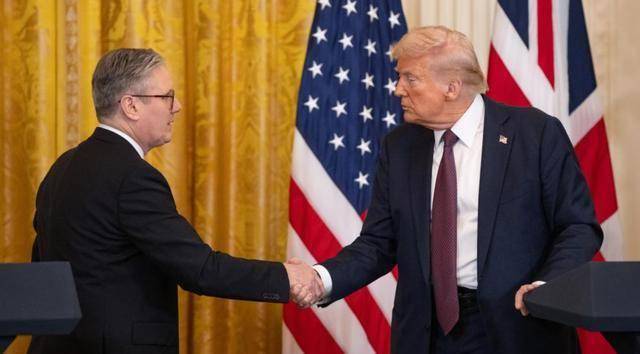
Core Points - The UK and Northern Ireland have reached a historic agreement with the US for a three-year zero-tariff treatment on pharmaceutical exports to the US, which will significantly increase NHS's procurement of new US-developed drugs, leading to a projected 25% increase in net sales prices for these drugs [1][3] - The agreement includes key adjustments to the UK's medical assessment system, specifically the National Institute for Health and Care Excellence (NICE), which will revise its core evaluation framework to facilitate the entry of US drugs into the UK public healthcare system [1] - The new agreement reduces the obligation for pharmaceutical companies to refund a portion of their sales revenue to the NHS, thereby indirectly enhancing the profitability of these companies [1][3] Industry Impact - The UK government emphasizes that it is the first country to establish such a specialized pharmaceutical trade agreement with the US, which is expected to strengthen the UK's export advantage in the global pharmaceutical industry [1] - The agreement comes after previous tensions, including threats from the Trump administration regarding punitive tariffs on UK goods, which were ultimately resolved through negotiations [3] - The US market is a crucial revenue source for major UK pharmaceutical companies like GlaxoSmithKline and AstraZeneca, and the zero-tariff agreement will further lower their export costs and enhance product competitiveness [3][4] - Compared to the 15% tariff rate on various pharmaceuticals imported from the EU, the zero-tariff agreement provides UK pharmaceutical products with a competitive edge in the US market [4]

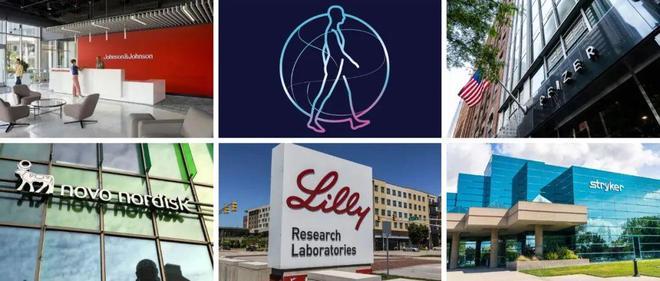
11月药企高管动态 | 强生、美敦力、辉瑞、诺和诺德、CVS Health、礼来、史赛克、云南...
Xin Lang Cai Jing· 2025-12-02 04:50
Personnel Changes - Yunnan Baiyao announced the election of Zhang Wenxue as chairman and Dong Ming as vice chairman during the first meeting of the 11th board of directors on November 10, 2025 [2] - China National Pharmaceutical Group (Sinopharm) reported the resignation of Zhao Bingxiang from multiple positions, including non-executive director and chairman, with Jin Bin proposed as the new chairman [3] - Huatai Medical announced a board restructuring, nominating several candidates for its third board of directors, including current executives from Mindray Medical [4] - Hanyu Pharmaceutical reported the retirement of its executive director Pinxiang Yu and appointed two new executive directors, Shen Yaping and Tang Yangming [5] - GSK China appointed Sheng Feng as vice president, responsible for market access and commercial operations, effective December 1, 2025 [12] Executive Appointments - Medtronic appointed Larry Xu as vice president for orthopedic and neurosurgery business in China, effective November 10, 2025 [9] - Pfizer China announced the appointment of Su Tianyu as head of the broad market division, effective immediately [10][11] - Eli Lilly appointed Carole Ho as president of the neuroscience division, while Adrienne Brown was promoted to president of the immunology division [15] - Restore Medical appointed Chris Cleary, former senior vice president at Medtronic, as chairman of the board [18] Resignations - Johnson & Johnson announced the departure of Alex He, vice president and head of the PINS division, effective December 31, 2025 [8] - Several executives across various companies, including Chen Changbing from Sinopharm United and Wang Junbo from Guangyu Yuan, submitted their resignations due to work adjustments [3][5]


云顶新耀前高管空降GSK中国!
Xin Lang Cai Jing· 2025-12-01 10:24
Core Insights - The appointment of Sheng Feng as Vice President of Market Access and Commercial Operations at GSK China marks a significant leadership change within the pharmaceutical industry, indicating strategic planning behind the move [1][3] - GSK China has undergone multiple leadership adjustments in recent years, reflecting a shift towards localized and collaborative organizational restructuring [3] Leadership Changes - Sheng Feng will report directly to Yu Huiming, the General Manager of GSK China, and will be part of the China Leadership Team [1] - GSK China has seen a series of high-level appointments, including Yu Huiming's promotion to General Manager and the establishment of a Chief Operating Officer role [3] Performance Metrics - GSK reported total revenue of £8.547 billion (approximately $11.3 billion) for Q3 2025, with a year-on-year growth of 8% at constant exchange rates [4] - Specialty pharmaceuticals generated £3.4 billion in sales, marking a 16% increase, driven by oncology (+39%) and respiratory and immunology (+15%) segments [4] Strategic Direction - GSK China is transitioning from a product-driven approach to a system-driven model, aiming to enhance operational efficiency and market execution [3] - The company is focusing on integrating market access and commercial operations to streamline policy implementation and market execution [3] Company Evolution - Yunding New Drug has completed a significant governance transition, with founder Fu Wei stepping down as chairman, indicating a new phase in corporate governance [4][5] - The company is shifting its strategy from primarily "License-in" to a dual approach of "independent research and development + business development abroad," with several core pipelines entering late-stage clinical trials [5]
Why Medicare price negotiations matter for Novo Nordisk, AstraZeneca, and other European pharma companies
CNBC· 2025-11-26 17:18
Core Insights - Drug pricing is a significant concern for pharmaceutical companies and investors, particularly in light of the Inflation Reduction Act and President Trump's push for lower medicine prices [1][11] - The U.S. market is crucial for large-cap pharmaceutical companies due to higher prices for branded medicines, with a substantial portion of their sales originating from this market [7] Drug Pricing Legislation - The Inflation Reduction Act (IRA), enacted in 2022, allows the Centers for Medicare & Medicaid Services (CMS) to negotiate drug prices for Medicare patients, impacting global pharmaceutical companies [2][4] - Newly negotiated prices for 15 blockbuster drugs, including significant discounts for Novo Nordisk's Ozempic (71% discount) and GSK's Trelegy (73% discount), are set to take effect in 2027, with overall discounts ranging from 38% to 85% [4][9] Company Responses and Market Reactions - European pharmaceutical companies, including AstraZeneca and Novo Nordisk, are making substantial U.S. investments to adapt to the changing market dynamics and pricing pressures [3][11] - Stock market reactions have been muted, with AstraZeneca and GSK shares rising less than 1%, while Novo shares increased by 4.7% following the announcement of price negotiations [8][9] Future Considerations - The CMS is expected to publish a list of 15 drugs selected for negotiations for 2028 by February 1, 2026, indicating ongoing scrutiny and potential changes in drug pricing [9] - Companies are exploring ways to mitigate the impact of price reductions, including voluntary price cuts and investments in U.S. manufacturing to avoid tariffs [11][13]