
石油增产

Search documents
传欧佩克+拟4月起恢复增产:美伊紧张支撑油价,沙特、阿联酋借机抢回市场份额
智通财经网· 2026-02-13 13:04
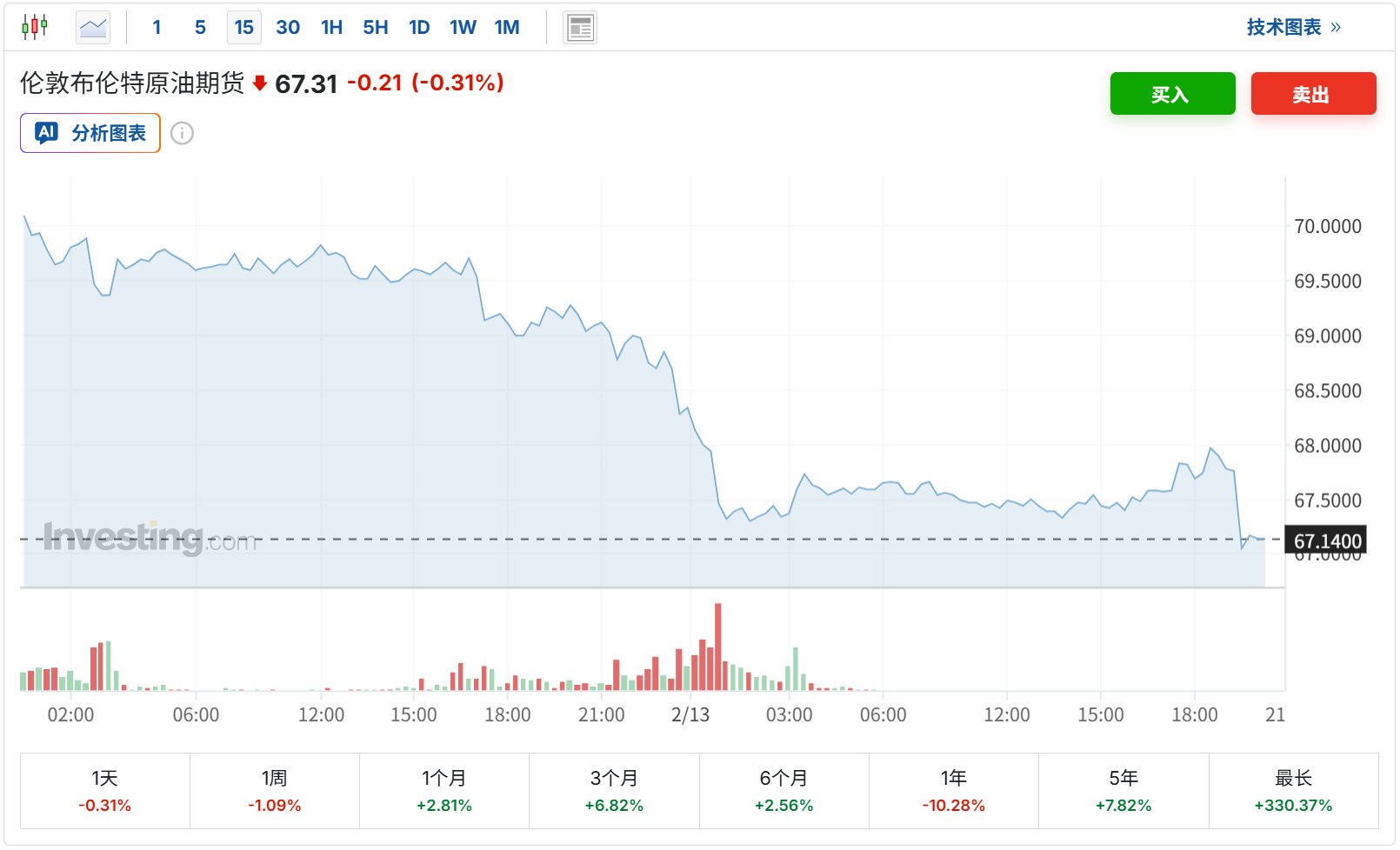
Core Viewpoint - OPEC+ is leaning towards resuming production increases starting in April to prepare for summer demand peaks, amid strong oil prices due to heightened tensions between the U.S. and Iran [1][3] Group 1: OPEC+ Production Plans - OPEC+ is expected to increase production quotas by approximately 2.9 million barrels per day from April 2025 to December 2025, which represents about 3% of global demand [1] - The eight member countries of OPEC+—Saudi Arabia, Russia, UAE, Kazakhstan, Kuwait, Iraq, Algeria, and Oman—will hold a meeting on March 1 to discuss these plans [1][3] - Current negotiations are ongoing, and no final decision has been made yet regarding the production increase [3] Group 2: Market Conditions - Despite market speculation about oversupply potentially suppressing oil prices this year, Brent crude is trading close to $68 per barrel, not far from the six-month high of $71.89 reached in January due to U.S.-Iran tensions [1] - Member countries like Russia, Venezuela, and Iran are struggling with Western sanctions, while Kazakhstan's production is limited due to various setbacks [1]

US soon to license expanded oil production in Venezuela, sources say
Reuters· 2026-02-03 18:16
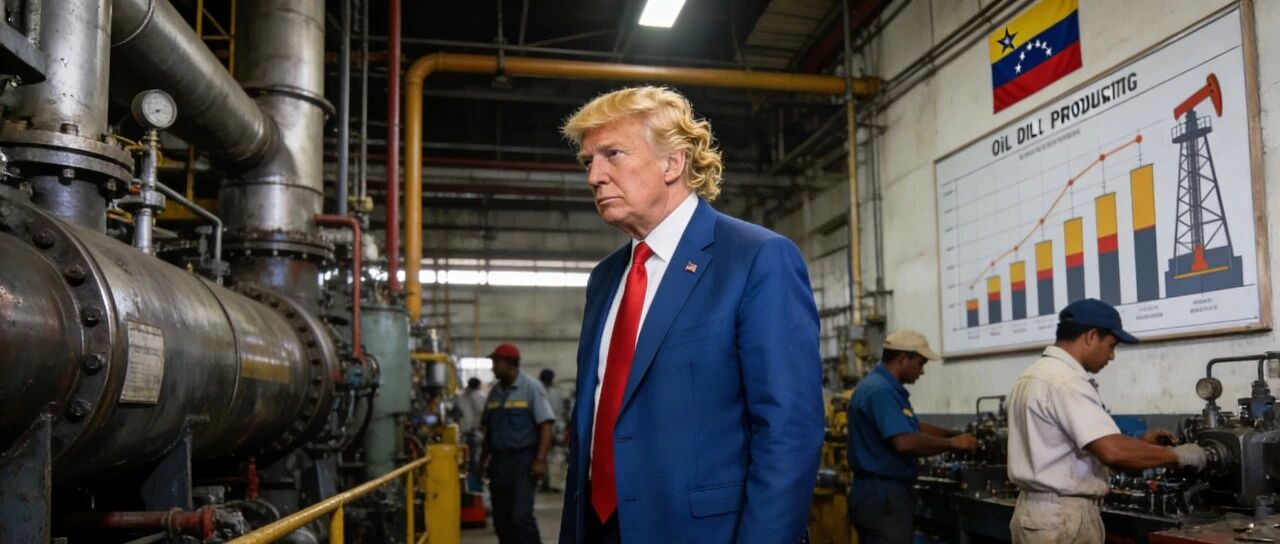
Core Viewpoint - The U.S. government is planning to issue a general license for companies to produce oil and gas in Venezuela, aiming to increase output from OPEC [1] Group 1 - The license could be issued as early as this week, indicating a swift move by the Trump administration [1] - This initiative is part of a broader strategy to expand oil and gas production in Venezuela, which has significant reserves [1]

出口量几乎降至0!委内瑞拉被迫削减原油产量
Zheng Quan Shi Bao· 2026-01-05 12:02
Group 1 - Venezuela is forced to cut oil production due to U.S. oil blockade and sanctions, leading to a near-zero export volume and saturated domestic storage facilities [1] - The Venezuelan National Oil Company has begun to reduce oil output and implement emergency measures to close some oil fields and well groups [1] - The total amount of Venezuelan oil stranded at sea has exceeded 17 million barrels, with daily production in November 2022 at approximately 1.1 million barrels and exports dropping to an average of about 500,000 barrels per day in December 2022 [1] Group 2 - U.S. oil companies are being encouraged to return to Venezuela and invest significantly to revitalize its devastated oil industry in exchange for compensation for confiscated assets [2] - The Organization of the Petroleum Exporting Countries (OPEC) and eight major non-OPEC oil-producing countries have decided to maintain their production plans set in November 2025, continuing to suspend production increases in February and March 2026 [2] - OPEC's statement indicates that these countries will flexibly adjust their production increase pace based on market conditions to maintain oil market stability [2] Group 3 - The eight countries announced voluntary production cuts of approximately 1.65 million barrels per day in April 2023 and an additional 2.2 million barrels per day in November 2023, with these measures being extended multiple times [3] - In March 2025, these countries decided to gradually increase oil production starting April 1, 2025, with specific increases outlined for the following months [3] - OPEC confirmed in November 2025 that production increases would be paused in January, February, and March 2026, maintaining the same output as December 2025 [3]
后院的“油”戏(国金宏观赵宏鹤、厉梦颖)
雪涛宏观笔记· 2026-01-04 15:39
Core Viewpoint - The article discusses the complex relationship between the U.S. and Venezuela, particularly focusing on the potential for U.S. intervention in Venezuela's oil industry and the implications for oil prices leading up to the 2024 U.S. elections [4][5][17]. Group 1: U.S. and Venezuela Relations - Trump's longstanding animosity towards the Maduro government has led to a series of sanctions and actions aimed at undermining it, which aligns with his political strategy to consolidate support among the MAGA base [4][5]. - The U.S. has historically been a major importer of Venezuelan oil, but sanctions have drastically reduced Venezuela's oil production from a peak of 3.5 million barrels per day in the 1970s to about 1 million barrels per day in recent years [7][8]. Group 2: Venezuela's Oil Production Challenges - Venezuela possesses the largest proven oil reserves globally, with approximately 303 billion barrels, yet its actual production is severely limited due to aging infrastructure, lack of investment, and international sanctions [7][8]. - The country's oil production is heavily reliant on the availability of diluents and external technical support, primarily from Iran and China, to process its heavy crude oil [8][9]. Group 3: Potential U.S. Intervention Strategies - The article suggests that any U.S. intervention would likely focus on establishing control over exportable oil through partnerships with U.S. companies rather than direct takeover of oil fields [18]. - A potential strategy could involve a combination of sanctions relief and joint ventures with U.S. firms to increase production while ensuring compliance with U.S. regulations [18][19]. Group 4: Impact on Global Oil Prices - The article posits that if the U.S. successfully increases Venezuelan oil production, it may not lead to an immediate drop in oil prices due to OPEC+'s control over supply and the existing risk premium in the market [19][20]. - Even with a potential increase in Venezuelan production, OPEC+ has the capacity to adjust its output to stabilize global oil prices, indicating that the market dynamics are complex and interdependent [20].
委内瑞拉局势如何影响油价
SINOLINK SECURITIES· 2026-01-04 14:59
Group 1: U.S. Involvement in Venezuela - Trump has shown a Monroe Doctrine inclination, favoring ideologically aligned regimes in the Western Hemisphere, particularly against Maduro's government[4] - The best-case scenario for Trump is to establish a pro-U.S. regime in Venezuela, which could help lower oil prices ahead of elections[5] - U.S. intervention is likely to focus on controlling "exportable crude oil" through regulatory and transactional structures rather than direct asset takeover[16] Group 2: Venezuela's Oil Production Potential - Venezuela holds approximately 303 billion barrels of proven oil reserves, accounting for about 17% of the global total, but actual production has plummeted to around 1 million barrels per day, only about 1% of global output[6] - The country’s oil production capabilities are severely hampered by aging infrastructure and international sanctions, requiring an estimated $8 billion investment to restore production to 1990s levels[7] - Venezuela's refining capacity is significantly underutilized, with actual throughput around 300,000 barrels per day, just 20% of its nominal capacity of 1.46 million barrels per day[8] Group 3: Impact on Global Oil Prices - If the U.S. promotes a "U.S. company-controlled" increase in Venezuelan production, short-term oil prices may be supported by "risk premiums" and OPEC+ supply control rather than falling due to production increases[18] - OPEC+ has maintained a production cut of approximately 3.24 million barrels per day, indicating a clear intent to defend prices[18] - Even with potential production recovery in Venezuela, OPEC+ has room to adjust output to mitigate price declines, suggesting a gradual rather than rapid recovery in oil supply[18]
俄罗斯等八国达成共识
Sou Hu Cai Jing· 2025-11-03 12:39
Core Viewpoint - The "OPEC+" group, led by Saudi Arabia and Russia, has decided to increase oil supply by 137,000 barrels per day starting in December, while also announcing a pause in production increases from January to March 2026, reflecting a stable global economic outlook and healthy market fundamentals [1] Group 1: Production Decisions - OPEC+ will implement the increase based on the additional voluntary adjustment of 1.65 million barrels per day announced in April 2023 [1] - The next meeting regarding these adjustments is scheduled for November 30 [1] - The group has decided to suspend production increases for January, February, and March 2026 due to seasonal factors [1] Group 2: Market Implications - The announcement has raised concerns in the market about potential oversupply leading to a drop in oil prices [1] - However, the new sanctions imposed by the U.S. on Russian oil companies and escalating tensions between the U.S. and Venezuela may alleviate market worries regarding supply issues [1]
OPEC月报:九月增产不改市场前景,维持今明两年全球石油需求预测不变
Hua Er Jie Jian Wen· 2025-10-13 14:43
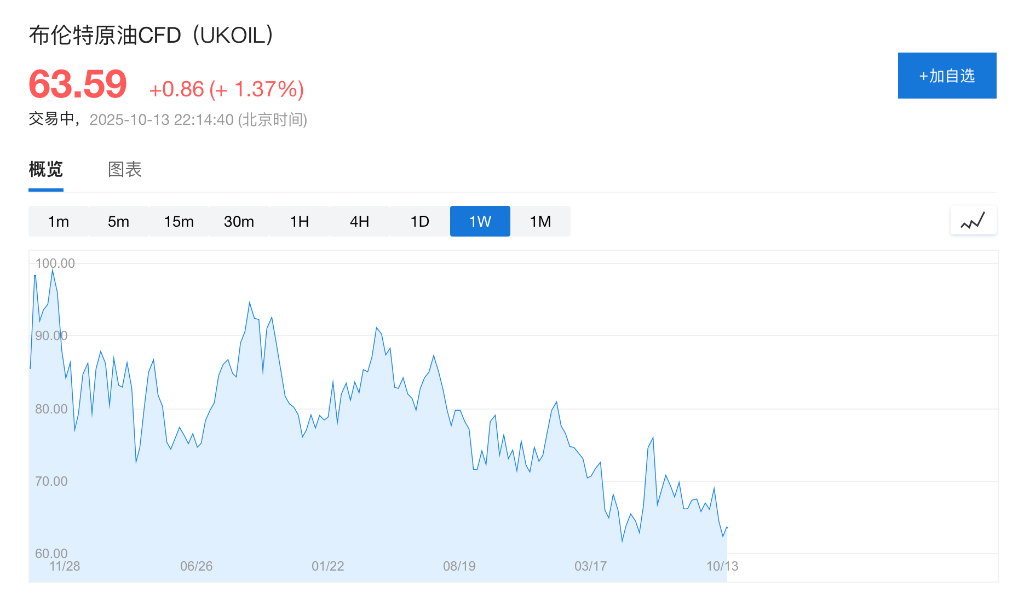
Core Insights - OPEC maintains its global oil demand forecast, projecting an increase of 1.3 million barrels per day (bpd) this year and 1.4 million bpd by 2026, consistent with previous predictions [1] - The OPEC+ alliance continues to increase oil production, with a total output rise of 524,000 bpd in September, reaching 28.44 million bpd, and a total OPEC+ output increase of 630,000 bpd to 43.05 million bpd [1] - OPEC has begun to gradually lift the production cuts implemented in 2023, with a total of approximately 1.65 million bpd being phased out, following the complete cancellation of a 2.2 million bpd reduction agreement in September [1] Production and Market Dynamics - OPEC+ plans to maintain oil production levels in November, increasing daily output by 137,000 bpd, which alleviates market concerns about significant production hikes [1] - Market observers note that since OPEC+ began increasing production in April, the decline in oil prices has not been as significant as expected, with Brent crude futures dropping 18% over the past year, largely following the initial production increase announcement [2] - OPEC forecasts that non-OPEC+ oil-producing countries, driven by the U.S., Canada, Brazil, and Argentina, will see an increase in supply of 810,000 bpd this year and 630,000 bpd next year, aligning with previous estimates [2]
【环球财经】主要产油国11月将延续增产步伐
Xin Hua Cai Jing· 2025-10-05 13:44
Core Viewpoint - OPEC and eight major non-OPEC oil-producing countries have decided to increase oil production by 137,000 barrels per day starting in November, adjusting from previous voluntary cuts [1] Group 1: Production Decisions - The countries involved in the decision include Saudi Arabia, Russia, Iraq, UAE, Kuwait, Kazakhstan, Algeria, and Oman [1] - The increase in production is a response to the stable global economic outlook and low oil inventory levels [1] - The adjustment is a recalibration of the previously announced voluntary production cut of 1.65 million barrels per day made in April 2023 [1] Group 2: Market Stability - The eight countries will flexibly adjust the pace of production increases based on market conditions to maintain oil market stability [1] - The same production increase of 137,000 barrels per day will also apply for October [1]
OPEC+或进一步增产
Sou Hu Cai Jing· 2025-10-05 11:31
Core Viewpoint - OPEC+ is expected to confirm an increase in oil production quotas for November, despite market predictions of a global supply surplus in the coming years [1] Group 1: OPEC+ Production Decisions - OPEC+ is set to decide on the oil production quota levels for November on October 5 [1] - The market anticipates an increase of at least 137,000 barrels per day in November's oil production [1] Group 2: Market Reactions - Despite expectations of oversupply, OPEC+ remains committed to expanding production [1] - Last week, international oil prices experienced a cumulative decline of nearly 8%, marking the largest weekly drop since June [1] - WTI crude oil futures approached the $60 mark, reaching a four-month low [1]
欧佩克+同意11月小幅增产原油13.7万桶/日
Di Yi Cai Jing· 2025-10-05 11:15
Group 1 - OPEC+ has agreed to a slight increase in oil production for November [1] - The increase is set at 137,000 barrels per day [1] - This decision will be approved in the upcoming meeting [1]