
Northrop Grumman(NOC)

Search documents
国防股下跌 特朗普称将不允许分红和回购股票
Xin Lang Cai Jing· 2026-01-07 19:39
Group 1 - Trump announced on Truth Social that he will not allow defense companies to issue dividends or conduct stock buybacks until issues related to compensation, equipment production, and factories are corrected [1] - Lockheed Martin quickly erased its gains, dropping by as much as 2.3% [1] - Northrop Grumman fell by 2.3%, General Dynamics decreased by 1.8%, and Boeing, RTX, and L3Harris also experienced declines [1]


Dollar Supremacy Strategy Or All-Time Grift? American AI Imperialism's Reliance On The Middle East
ZeroHedge· 2026-01-07 00:15
Core Insights - The partnership between the US and Persian Gulf countries, particularly Saudi Arabia and the UAE, is focused on advancing AI infrastructure and technology, with significant investments in data centers and advanced chips [1][3][4] - The US aims to maintain its technological dominance and dollar supremacy through these partnerships, despite concerns over corruption and environmental impacts [2][4][22] Group 1: Strategic Partnerships and Investments - In November 2023, the US and Saudi Arabia signed a Strategic Artificial Intelligence Partnership, with a similar agreement with the UAE in May 2023, involving the export of up to 70,000 advanced Nvidia chips [3][4] - The Gulf states are expected to invest trillions in the US, although the actual benefits to local infrastructure may be limited [4] - Over 3.3 gigawatts of AI-oriented compute power is planned across the Gulf, with the UAE building a five-gigawatt AI campus and Saudi Arabia securing 500 megawatts through partnerships with Nvidia and AMD [5][6] Group 2: Geopolitical and Economic Implications - The Gulf region offers competitive power costs, averaging $0.10 per kWh, and plans to add 42 GW of gas capacity by 2030, outpacing the US [6] - The geographical location of the Gulf allows it to service four billion internet users with low latency, making it ideal for AI applications [7] - The US strategy has shifted from restricting chip exports to integrating Gulf nations into American tech ecosystems to ensure dollar supremacy [9][10] Group 3: Financial and Regulatory Landscape - The Gulf countries possess nearly $5 trillion in sovereign wealth funds, providing a stable source of capital for AI investments [8] - The US is exploring the use of dollar-backed stablecoins for settling AI-enabled exports, aiming to ensure that transactions remain dollar-centric [11][12] - The regulatory environment in the Gulf is seen as favorable for American oligarchs, promoting a model of low tax and minimal regulation [12][20]




Is 2026 the Year to Go Big on Defense ETFs?
ZACKS· 2026-01-06 17:06
Core Insights - Recent U.S. military operations in Venezuela have heightened geopolitical tensions, leading to increased defense spending and a positive outlook for defense companies [1][2][3] Defense Sector Performance - The S&P 500 Aerospace & Defense Index has increased by 53.52% over the past year and 7.91% from January 2 to January 5, significantly outperforming the broader S&P 500, which rose by 16.15% over the same period [2] - Major U.S. defense companies such as Northrop Grumman, Lockheed Martin, and RTX Corporation saw their shares rise by approximately 4.4%, 3.0%, and 0.6% respectively following the military operation [4] Global Defense Spending Trends - Global defense spending is projected to exceed $3.6 trillion by 2030, representing a 33% increase from 2024 levels, driven by higher defense budgets and modernization programs [5] - Geopolitical priorities in the U.S., Europe, and Asia continue to support sustained defense spending despite easing conflict headlines [5] Investment Opportunities - Investing in Aerospace and Defense ETFs is recommended as these funds typically perform well during periods of increased military activity and defense spending [6] - Notable ETFs include iShares U.S. Aerospace & Defense ETF (ITA), Invesco Aerospace & Defense ETF (PPA), and Global X Defense Tech ETF (SHLD), with ITA having an asset base of $13.26 billion, making it the largest among the options [7][8] European Defense Market - The STOXX Europe Total Market Aerospace & Defense Index has shown renewed investor confidence, reversing a downward trend since early December, indicating a potential recovery in European defense stocks [9]
Venezuela Shock 2026: Defense, Tech, Healthcare Stocks Set to Benefit
ZACKS· 2026-01-05 21:01
Core Insights - The U.S. military action to capture Venezuela has created significant geopolitical implications for global equity markets, particularly in the energy sector [1][10]. Energy Sector - Venezuela possesses the world's largest proven oil reserves at approximately 303 billion barrels, representing about 17-18% of global oil reserves, yet its crude production has plummeted to below 2 million barrels per day from 3.5 million barrels per day due to infrastructure issues and sanctions [3][4]. - The potential for increased Venezuelan crude exports to U.S. refineries exists, but analysts caution that any significant output recovery will require years of investment and political stabilization, rather than immediate supply increases [4][5]. - Chevron, the only major U.S. oil company operating in Venezuela, has limited exposure to the country's oil production, with its Venezuelan operations contributing only a small portion to overall revenues [6]. Defense Sector - Defense stocks are expected to benefit from heightened geopolitical tensions, as historical patterns show increased military spending during such periods [8][9]. - The recent U.S. intervention is likely to establish a higher baseline for defense spending, particularly in aerospace and surveillance, benefiting major defense contractors like Lockheed Martin and Northrop Grumman [9]. Technology Sector - Technology stocks typically respond to geopolitical shocks through risk sentiment rather than direct revenue exposure, with initial pressure on high-value stocks as investors shift to defensive sectors [11]. - Over the medium term, certain technology companies, such as CrowdStrike and Palo Alto Networks, may benefit from increased demand for cybersecurity solutions driven by heightened security concerns [11]. Healthcare Sector - Healthcare equities tend to remain resilient during geopolitical uncertainty due to the inelastic nature of demand, with pharmaceutical and medical device companies largely insulated from disruptions [12]. - Large healthcare firms, including Johnson & Johnson and Abbott, may benefit from increased government focus on medical preparedness and biosecurity during global instability [12]. Conclusion - The evolving geopolitical landscape suggests that defense stocks will see the most immediate benefits, while select technology firms may gain over time through security-related demand, and healthcare will continue to act as a stabilizing force in volatile markets [13][14].



地缘风险预期升温 美股国防板块盘前集体上扬
Ge Long Hui A P P· 2026-01-05 11:16
格隆汇1月5日|美国国防股盘前走高——紧随欧洲同行涨势——因投资者预判在美国罢黜委内瑞拉总统 马杜罗后,地缘政治风险将有所升高。洛克希德·马丁盘前上涨1.1%,通用动力和诺斯罗普·格鲁曼期货 分别上涨1.3%和0.9%。雷神技术在周末事件后盘前上涨0.5%。杰富瑞分析师Sheila Kahyaoglu和Greg Konrad在报告中指出,除国际销售外,马杜罗下台后的最大影响将是美国海军前沿行动的资金成本以及 美国盟友的反应。 ...
What to Expect From Northrop Grumman's Next Quarterly Earnings Report
Yahoo Finance· 2025-12-31 13:07
Core Insights - Northrop Grumman Corporation (NOC) specializes in aerospace, defense, and security solutions, with a market cap of $82 billion [1] - The company is expected to announce its fiscal fourth-quarter earnings for 2025 on January 27, 2026 [1] Financial Performance - Analysts predict NOC will report a profit of $6.97 per share for the upcoming quarter, a 9.1% increase from $6.39 per share in the same quarter last year [2] - For the full fiscal year, analysts expect NOC to report an EPS of $27.75, reflecting a 6.4% increase from $26.08 in fiscal 2024, with an anticipated rise to $28.74 in fiscal 2026 [3] Stock Performance - NOC stock has outperformed the S&P 500 Index, gaining 23.2% over the past 52 weeks compared to the S&P 500's 16.8% increase [4] - The stock also outperformed the Industrial Select Sector SPDR Fund's 18.6% gains during the same period [4] Recent Earnings Report - In its Q3 results, NOC reported an EPS of $7.67, exceeding Wall Street's expectations of $6.49, although revenue of $10.4 billion fell short of the $10.7 billion forecast [5] - The company expects full-year adjusted EPS to be between $25.65 and $26.05, with revenue projected between $41.7 billion and $41.9 billion [5] Analyst Ratings - The consensus opinion on NOC stock is moderately bullish, with a "Moderate Buy" rating from 22 analysts; 12 recommend a "Strong Buy," one a "Moderate Buy," and nine a "Hold" [6] - The average analyst price target for NOC is $663.71, indicating a potential upside of 15.5% from current levels [6]
精准断链!中国展开“手术刀式”对美反制
Xin Lang Cai Jing· 2025-12-27 15:38
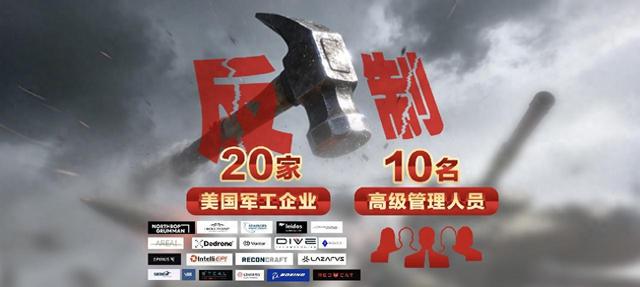
Group 1 - The Chinese Ministry of Foreign Affairs announced countermeasures against 20 U.S. military-related companies and 10 senior executives, including freezing assets and banning transactions and cooperation with these entities [1][3] - The countermeasures are a response to the U.S. selling over $11 billion worth of weapons to Taiwan, including various offensive weapons such as M142 HIMARS rocket systems and Javelin anti-tank missiles [3][5] - The list of targeted companies includes major defense contractors like Northrop Grumman and Boeing, as well as emerging firms focused on advanced technologies such as drones and artificial intelligence [5][7] Group 2 - The U.S. Senate passed a defense authorization bill for fiscal year 2026, allocating up to $1 billion for the so-called "Taiwan Security Cooperation Initiative," which includes military training and joint programs [7] - Analysts suggest that the U.S. aims to infiltrate and control Taiwan's military command structure under the guise of training and technology sharing [7] - The Chinese government has indicated that the countermeasures are not the end, and it will continue to take strong actions to safeguard national sovereignty and security [7]
Northrop Grumman: An Argument For Buying At Undervaluation (NYSE:NOC)
Seeking Alpha· 2025-12-27 06:57
Core Viewpoint - The article emphasizes the importance of conducting thorough due diligence and research before making any investment decisions, highlighting that past performance does not guarantee future results [2][3]. Group 1 - The author is not a licensed financial advisor and does not provide financial advice, urging investors to understand the risks associated with various investment styles [2][3]. - The article mentions that short-term trading and options trading can be extremely risky and may not be suitable for individuals with limited capital or experience [2]. - It is noted that investing in European and non-US stocks carries specific withholding tax risks that investors should consider [2]. Group 2 - The article clarifies that Seeking Alpha does not provide recommendations or advice on the suitability of investments for particular investors [3]. - Analysts contributing to the platform may include both professional and individual investors who may not be licensed or certified [3].
US-Taiwan arms deal fallout: China sanctions Boeing, Northrop Grumman, 18 other defense firms
MINT· 2025-12-27 02:55
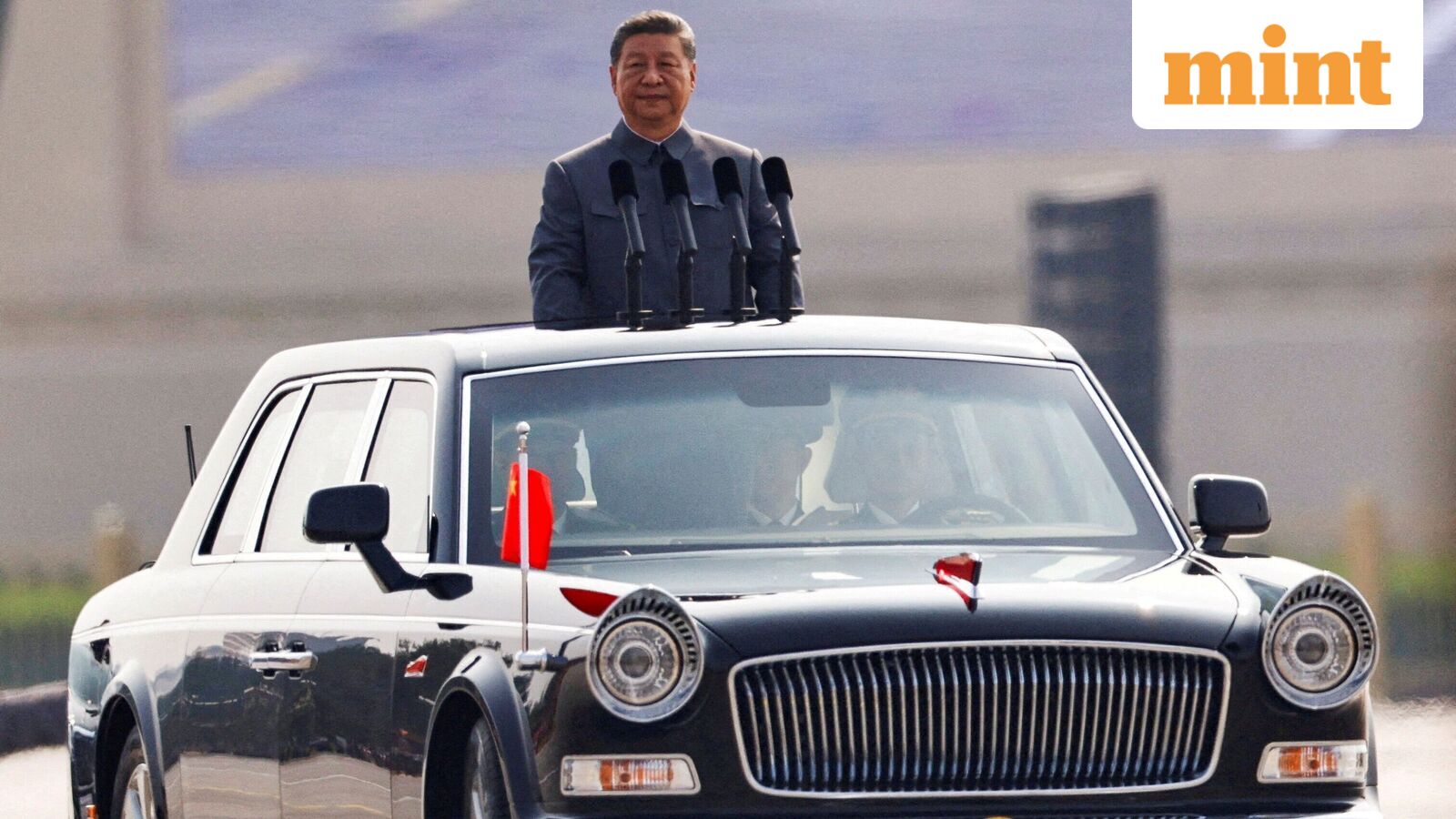
Core Viewpoint - China has imposed sanctions on 20 US defense-related companies and 10 senior executives in response to a recent US arms sale package to Taiwan valued at $11.1 billion, indicating a firm stance on national sovereignty and territorial integrity [1][4]. Group 1: Sanctions Details - The Chinese Foreign Ministry announced actions against those involved in arming Taiwan, emphasizing strict repercussions for any provocations regarding Taiwan [2][3]. - The sanctions include freezing all movable and immovable properties and assets of the listed companies within China, and barring Chinese organizations and individuals from engaging in transactions or cooperation with these entities [4][5]. Group 2: Affected Companies and Executives - The 20 US companies sanctioned include Northrop Grumman Systems Corporation, L3Harris Maritime Services, Boeing in St Louis, and others, highlighting a significant impact on the US defense sector [3][4]. - The 10 senior executives targeted by the sanctions include leaders from companies such as Anduril Industries, L3Harris Technologies, and Advanced Acoustic Concepts, indicating a direct impact on key personnel in the defense industry [4]. Group 3: Context of US Arms Sale - The US arms sale package to Taiwan, announced on December 18, includes significant military equipment such as HIMARS rocket systems, howitzers, and Javelin anti-tank missiles, marking the largest arms package under the Trump administration [6].


中方反制美20家军工企业
Xin Lang Cai Jing· 2025-12-27 02:13
Group 1 - The Chinese government has announced countermeasures against 20 U.S. military-related companies and 10 senior executives in response to the U.S. selling weapons to Taiwan, emphasizing that Taiwan is a core interest of China and any provocation will be met with strong retaliation [1][2] - The U.S. recently announced a significant arms sale to Taiwan valued at $11.1 billion, which includes $4 billion for 82 units of the HIMARS rocket systems and $4 billion for 60 self-propelled howitzers, marking the largest arms sale to Taiwan by the U.S. [2] - Companies affected by the sanctions include Northrop Grumman, known for developing stealth bombers and advanced missile systems, and Boeing's St. Louis division, which produces F-15 fighter jets and other military equipment [2][3] Group 2 - L3 Harris Maritime Services, another company under sanctions, provides technical services and logistics support to the U.S. Navy, including underwater combat systems and maritime engineering [3] - The sanctions involve freezing assets within China and prohibiting transactions with the listed companies and individuals, as well as denying visas and entry to the affected executives [1][2]