Pfizer(PFE)

Search documents
中国医保谈判之后,美国医保也学会了“灵魂砍价”
新财富· 2025-12-08 08:05
Core Insights - The 2025 Medicare negotiation results indicate a significant and ongoing impact on the innovative drug industry, with expectations of continued price reductions rather than a one-time event [3][8] - The second round of negotiations confirmed that high discount rates will persist, reshaping the industry's operational landscape and investor expectations [8][20] Group 1: Medicare Negotiation Outcomes - The second round of negotiations involved 15 high-cost drugs, with price reductions reaching up to 85%, and 11 drugs seeing discounts over 50% [5][8] - Notable drugs affected include Ozempic, which saw a price drop from $959 to $274 per month, representing a 71% reduction, saving patients approximately $8,220 annually [19][20] - The consistency in high discount rates between the first and second rounds signals a shift towards a systematic approach to drug pricing reform [8][18] Group 2: Industry Implications - The innovative drug industry's business model is being fundamentally rewritten, with lifecycle values of mature drugs entering a "compression era" due to systematic price reductions [22][24] - The commercialization timeline for innovative drugs is being forced to accelerate, requiring companies to maximize revenue in the early years post-launch [24][26] - The valuation of innovative drugs is shifting from "story pricing" to "cash flow pricing," emphasizing immediate revenue generation over long-term high pricing [26][30] Group 3: Future Landscape - The second round of negotiations has clarified the future regulatory environment, reducing uncertainty and allowing companies to plan around stable policy parameters [29][30] - The focus of competition is shifting back to the core aspects of innovation, such as product quality, clinical differentiation, and commercialization capabilities [30][31] - The industry is entering a new phase characterized by efficiency, speed, and differentiation, which may lead to a healthier and more transparent market for truly valuable innovations [30][31]



摩根大通解密BD潮:巨头"抄底"中国创新药,下一个爆款在哪?
2 1 Shi Ji Jing Ji Bao Dao· 2025-12-08 04:49
Core Insights - The global biopharmaceutical innovation landscape, traditionally dominated by multinational corporations, is undergoing significant structural changes, with China's innovative drug industry emerging as a key player on the global stage [1] - China's transition from a "fast follower" to an "originator" in innovative drugs is becoming an irreversible trend, as highlighted by international media [1] - Data shows a notable increase in China's share of global clinical trials and licensing transactions, with Chinese biotech companies outperforming their U.S. counterparts in stock price growth over the past year [1][3] Group 1: Market Dynamics - Multinational corporations are increasingly inclined to source early-stage innovative pipelines from China due to cost-effectiveness, with costs in China being 30%-40% lower than in the U.S. [2] - The collaboration between domestic companies and multinationals is exemplified by the $12.5 billion upfront payment from Pfizer to 3SBio for overseas rights to a bispecific antibody, marking a record for domestic innovative drugs [2][3] - The Chinese innovative drug sector is expected to see a surge in licensing transactions, with projections indicating that total licensing amounts could exceed $100 billion in the first three quarters of 2025 [3] Group 2: Investment Trends - The biopharmaceutical sector is experiencing a business development (BD) boom, with significant transactions such as the $12 billion collaboration between Hengrui Medicine and GSK, indicating strong interest from multinational companies [3][4] - Investment institutions are focusing on the biopharmaceutical sector, with approximately 80% of the market value concentrated in biotechnology and pharmaceuticals, driving capital flow into these areas [5] - The market is witnessing a shift from "story-driven" investment decisions to a focus on the hard capabilities of companies, emphasizing the importance of clinical data and product quality [9][10] Group 3: Future Outlook - The innovative drug market is expected to thrive, with projections indicating that the Hang Seng Index could double by 2025, driven by favorable policies and a rebound in industry valuations [7] - The Chinese innovative drug sector is anticipated to recover strongly in 2025, with the overall revenue of listed companies in this sector reaching 48.83 billion yuan, a 22% year-on-year increase [7] - The market is seeing a resurgence in IPO activity, with over 20 companies currently queued for listing in Hong Kong, reflecting renewed investor interest in the biopharmaceutical sector [12][13]





礼来(LLY.US)、强生(JNJ.US)与辉瑞(PFE.US)拓展中国市场:旗下创新药物纳入首版商保目录
智通财经网· 2025-12-08 04:16
Core Insights - Eli Lilly (LLY.US), Pfizer (PFE.US), and Johnson & Johnson (JNJ.US) have secured positions in China's first innovative drug catalog, opening new market channels and enhancing sales prospects for expensive therapies [1] - The inclusion of 19 innovative drugs in the medical insurance reimbursement list aims to alleviate the burden on the national insurance system while allowing pharmaceutical companies to sell at higher prices, thus improving profit margins [1] - The list is expected to expand the role of private insurance in funding innovative drugs, which currently holds a small market share in China [1][2] Group 1 - The drugs listed cover various diseases, including cancer, Alzheimer's, and rare genetic disorders, reflecting the growing demand for treatments due to China's aging population [1] - The average discount for the drugs has not been disclosed, but previous reports suggest a range of 15% to 50%, which is lower than the typical 60% discount required for inclusion in the National Reimbursement Drug List (NRDL) [2] - The selection process for the final list was competitive, with only a few drugs making it through from an initial pool of 24, indicating a cautious approach by regulators in the first year of implementation [2] Group 2 - Analysts suggest that the growth rate of commercial insurance sales may not match that of national insurance, as insurance companies need to establish communication with hospitals regarding reimbursement processes [3] - The initial catalog included both foreign and domestic pharmaceutical products, but the final list is relatively small and may not significantly disrupt the market landscape [3] - Projections indicate that the number of drugs in the catalog could increase to 300 by 2027, suggesting potential future growth in the market [3]


Global Developments: Geopolitical Shifts, Tech Rivalries, and Fiscal Pressures Emerge
Stock Market News· 2025-12-07 06:08
Geopolitical Tensions and Domestic Concerns - The U.S. Attorney General has ordered the FBI to compile a list of Americans labeled as potential "extremists," raising concerns about civil liberties and government oversight [2][8] - Ongoing geopolitical tensions are evident as Australia seeks a productive relationship with China, while Chinese Navy reports disruptions from Japanese aircraft in training areas [3] - Russian drone operators continue to engage militarily in Eastern Europe, causing damage to Ukrainian assets [3] Tech Sector Dynamics and Healthcare Opportunities - Chinese phonemakers are gaining market share from Apple due to perceived weaknesses in Apple's AI strategy, indicating a competitive shift in the tech sector [4][8] - Major pharmaceutical companies like Eli Lilly, Pfizer, and Johnson & Johnson are positioned for growth in China as their drugs are included in the first list of treatments recommended for private insurance, enhancing access for Chinese citizens [5][8] Economic Policies and Emerging Trends - The European Union is expanding its carbon border adjustment mechanism to include products such as garden tools and washing machines, aiming to promote greener production methods while complicating international trade [6][8] - The UK Chancellor's budget is at risk of a £40 billion ($53 billion) shortfall if projected tax revenues from workers and families do not materialize, posing challenges to fiscal stability [7][8]


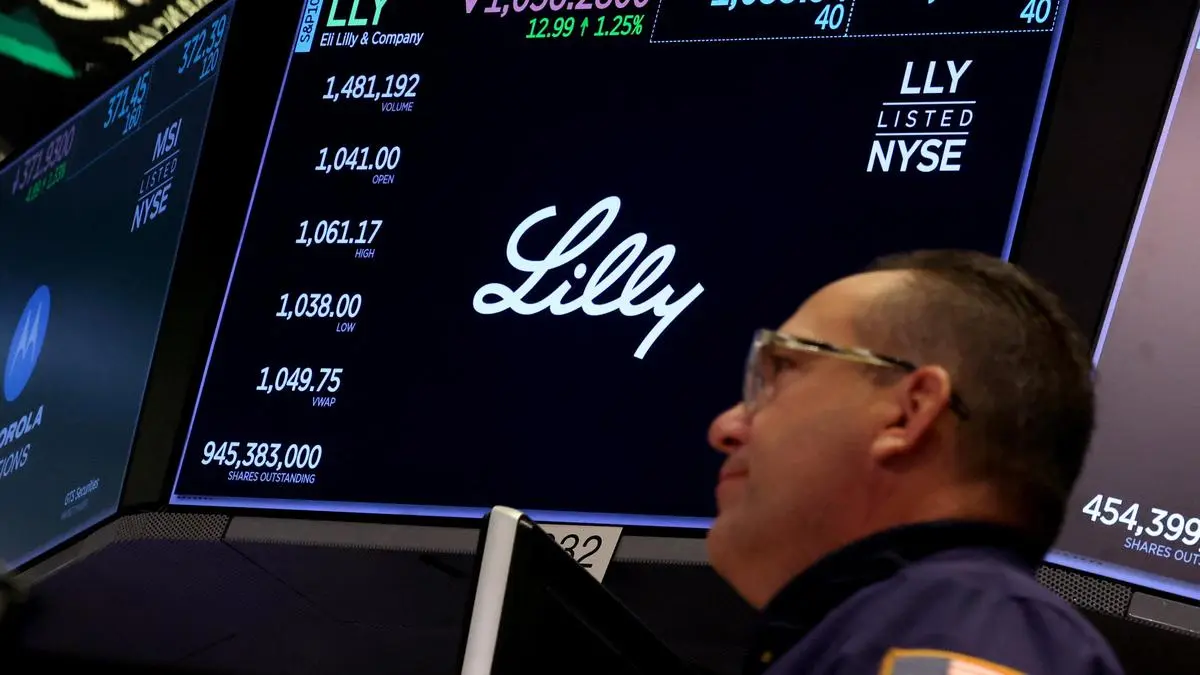
Eli Lilly, Pfizer land on China’s first private insurance list
BusinessLine· 2025-12-07 05:47
Core Insights - Eli Lilly & Co., Pfizer Inc., and Johnson & Johnson have been included in China's first innovative drug catalog, which may enhance their sales prospects for high-cost treatments [1] - The catalog includes 19 medicines for various conditions, potentially easing the burden on state medical insurance as demand for therapies rises due to an aging population [2] - Drugmakers negotiated discounted prices with the government for inclusion in the catalog, which may allow them to sell at higher prices through commercial insurance [3][5] Group 1 - The inclusion of these drugs is expected to bolster profit margins for global and Chinese drugmakers, which have been suppressed by significant price cuts in the national program [2] - The catalog aims to expand the role of commercial insurance in funding innovative drugs, addressing long-standing issues faced by Chinese biotechs regarding slim profit margins [7] - Analysts predict the catalog could grow to 300 drugs by 2027, indicating a potential shift in the market dynamics [8] Group 2 - The new catalog was released alongside an update to the national reimbursement drug list (NRDL), which added 114 new drugs, including Lilly's diabetes treatment Mounjaro, effective January 1 [9] - The average discounts for the drugs in the catalog were not disclosed, but local media previously reported discounts ranging from 15% to 50%, which are less than the typical 60% cuts required for the NRDL [5][6] - The catalog includes both foreign and local drugmakers, with a notable presence of CAR-T cell therapies among the listed drugs [3][8]
HYMPAVZI® (marstacimab) Reduced Bleeds by 93% Compared to On-Demand Treatment in Adults and Adolescents with Hemophilia A or B with Inhibitors
Businesswire· 2025-12-06 22:15
Core Insights - Pfizer Inc. presented results from the Phase 3 BASIS study evaluating HYMPAVZI® (marstacimab) for adults and adolescents with hemophilia A or B with inhibitors, showing its superiority in improving key bleeding outcomes compared to on-demand treatment with bypassing agents [1] Group 1: Study Results - The Phase 3 BASIS study demonstrated that HYMPAVZI significantly improved bleeding outcomes [1] - HYMPAVZI is administered via a straightforward, once-weekly subcutaneous injection, requiring minimal preparation [1]

浦东引领区建设五周年:以开放之姿筑先锋之路
Zhong Guo Xin Wen Wang· 2025-12-06 15:22
Core Insights - The article highlights the significant role of Pudong in China's modernization and reform, showcasing its achievements in facilitating enterprises' internationalization and innovation [1][3]. Group 1: Internationalization Support - Pudong has established a comprehensive service platform, the "Pudong New Area Enterprise Going Global Comprehensive Service Center," which supports companies in their overseas investments, exemplified by Shanghai Yanzaki Circuit Board Co., Ltd.'s successful establishment of a factory in Thailand with a total investment of 95 million yuan for phase one and 100 million yuan for phase two [1][2]. - The service center has created a network of 11 governing units and over 90 strategic partners across various professional fields, providing a full range of services from market research to risk warning [2]. Group 2: Innovation Ecosystem - Pudong's innovation ecosystem has been bolstered by the establishment of the Global Open Innovation (GOI) network, which now includes over 100 members, including major international companies like Bayer and Pfizer, supporting more than 6,000 enterprises [2][3]. - The region has become a hub for biopharmaceutical innovation, attracting startups and multinational corporations, thus positioning itself as a critical player in the global drug development landscape [3]. Group 3: Economic Development - Pudong's development strategy emphasizes a dual approach of "going out" and "bringing in," creating a synergistic effect that enhances both local and international business operations [2][3]. - The region has transitioned from a factor-driven model to an institutional and ecological model of openness, achieving breakthroughs in various sectors, including new retail supply chains and biopharmaceuticals [3][4].


Peptide Therapeutics Market Size to Reach USD 82.19 Billion by 2032; Surging Requirements for Targeted Medicines in Oncology Augment Market Expansion - SNS Insider
Globenewswire· 2025-12-06 14:10
Market Overview - The global Peptide Therapeutics Market was valued at USD 46.04 billion in 2024 and is projected to reach USD 82.19 billion by 2032, with a CAGR of 7.51% from 2025 to 2032 driven by demand for targeted medications in oncology, metabolic diseases, and infectious diseases [1][17]. U.S. Market Insights - The U.S. peptide therapeutics market was valued at USD 20.36 billion in 2024 and is expected to grow to USD 35.71 billion by 2032, with a CAGR of 7.27% during the same period, supported by significant R&D expenditure and regulatory frameworks [2]. Technological Advancements - Innovations in peptide synthesis and drug delivery technologies, such as solid-phase peptide synthesis (SPPS) and liquid-phase peptide synthesis (LPPS), are enhancing manufacturing efficiency, purity, and scalability [4]. - Advances in delivery platforms, including sustained-release formulations and nanoparticles, are improving the stability and usability of peptide medications [4]. Market Challenges - High production costs and complex manufacturing processes pose challenges for the development of peptide therapeutics, as synthesis and purification require expensive equipment and high-purity reagents [5]. Market Segmentation By Application - The metabolic disorders segment held a 26.2% market share in 2024, driven by the prevalence of diseases like type 2 diabetes and obesity, while the pain segment is expected to grow at the highest CAGR due to rising chronic pain disorders [7]. By Therapeutics Type - The innovative segment dominated the market in 2024, reflecting the demand for high-activity and targeted treatment options [8]. By Type of Manufacturers - The in-house segment accounted for 65.25% of the market share in 2024, as major companies prefer control over the drug development process, while the outsourced segment is anticipated to grow at the highest CAGR [9]. By Route of Administration - The parenteral route led the market in 2024 due to poor oral bioavailability of most peptides, with alternative delivery methods expected to grow at the highest CAGR [10]. By Synthesis Technology - The recombinant DNA technology segment held a 64.3% market share in 2024, favored for its ability to produce long and sustained peptides of higher purity [11]. Regional Insights - North America dominated the peptide therapeutics market with a 58.1% share in 2024, attributed to advanced clinical trials and a developed pharmaceutical sector, while the Asia Pacific region is expected to grow significantly due to increased healthcare expenditure and chronic disease prevalence [12]. Key Companies - Major companies in the peptide therapeutics market include Eli Lilly and Company, Amgen Inc., Pfizer Inc., Takeda Pharmaceutical Company Limited, AstraZeneca plc, and Sanofi S.A. [13][18].



Teva Crushes Earnings as Pfizer Struggles to Replace COVID Revenue
247Wallst· 2025-12-06 13:52
Core Insights - Pfizer and Teva Pharmaceutical Industries reported third-quarter earnings, indicating contrasting performance trends between the two companies [1] Company Performance - Pfizer is showing positive growth in its earnings, while Teva is experiencing challenges [1] - The earnings reports highlight the divergent paths of these two major pharmaceutical companies [1]

Do These 3 Healthcare Stocks Need a Checkup?
The Motley Fool· 2025-12-05 21:05
Core Insights - The pharmaceutical industry is currently facing challenges, particularly for companies like Pfizer, Bristol Myers Squibb, and Merck, which are lagging behind in the development of new weight loss drugs compared to Eli Lilly [1][3][5] - Eli Lilly is leading the market, primarily due to its weight loss drugs Zepbound and Mounjaro, which contribute over 50% of its revenue [1][3] - The expiration of patents for key drugs in the coming years poses a significant risk to Pfizer, Bristol Myers Squibb, and Merck, potentially leading to revenue declines [4][5] Company Summaries Pfizer - Pfizer's stock is down nearly 60% from its 2021 highs, currently priced at $26.02 with a market cap of $146 billion [6][8] - The company has a gross margin of 69.12% and a dividend yield of 6.69%, but it has a 100% dividend payout ratio, making it a higher-risk option for investors [12] - Pfizer is working to enhance its drug pipeline by acquiring Metsera, which has promising weight-loss drugs [8] Bristol Myers Squibb - Bristol Myers Squibb's stock is down nearly 40% from its 2023 highs, currently priced at $52.15 with a market cap of $106 billion [6][10] - The company has a gross margin of 64.33% and a dividend yield of 4.77%, with an 80% payout ratio, which may deter conservative investors [12] - Despite current challenges, Bristol Myers Squibb is also focused on developing new drugs to mitigate the impact of patent expirations [10] Merck - Merck's stock is 20% below its 2024 highs, currently priced at $99.72 with a market cap of $250 billion [6][11] - The company boasts a gross margin of 75.81% and a dividend yield of 3.21%, with a more secure payout ratio of around 40% [12] - Merck is actively working on new drug developments to counteract the effects of upcoming patent cliffs [10] Industry Trends - The pharmaceutical sector is characterized by intense competition, with a tendency for investors to favor innovative companies like Eli Lilly over established players [3][7] - Patent cliffs are a common occurrence in the industry, and while they present challenges, historically successful companies like Pfizer, Bristol Myers Squibb, and Merck are expected to navigate these issues [7][13] - The current market dynamics suggest that while Eli Lilly is performing well, the potential for new drug developments from Pfizer, Bristol Myers Squibb, and Merck could lead to future growth opportunities [10][13]