
赛诺菲

Search documents
降薪求职的医药代表,不愿离场
3 6 Ke· 2025-05-16 00:38
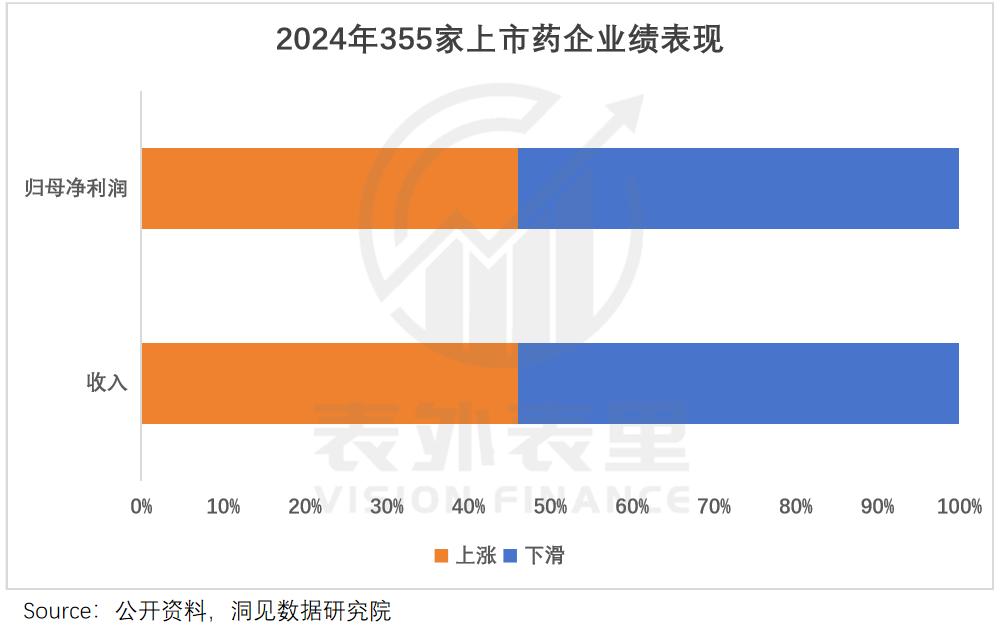
Core Insights - The pharmaceutical industry is experiencing a significant divide, with some companies thriving while others struggle due to recent policy changes and market dynamics [2][3][8]. Group 1: Industry Challenges - The introduction of centralized procurement and anti-corruption measures has drastically reduced profit margins for pharmaceutical representatives, leading to a challenging job market [1][8][12]. - The sales expense ratios of listed pharmaceutical companies have seen a significant decline, indicating a tightening of marketing budgets in response to regulatory pressures [9][12]. - The industry is witnessing a substantial reduction in the number of pharmaceutical representatives, with some companies cutting their sales teams by over 50% [13][12]. Group 2: Market Dynamics - The market is characterized by a stark contrast in performance, with nearly half of the listed pharmaceutical companies expected to report increased earnings in 2024, while the other half may see declines [2][3]. - The shift towards more transparent and ethical practices is reshaping the role of pharmaceutical representatives, emphasizing the need for professionalism and knowledge [18][19]. - The ongoing trend of centralized procurement is expected to continue, further impacting the profitability of pharmaceutical products and the viability of traditional sales methods [14][12]. Group 3: Opportunities and Adaptations - Despite the challenges, some representatives are finding new opportunities in online pharmaceutical sales, capitalizing on the increased public awareness of medication options [25][26][24]. - The industry still offers competitive salaries compared to other sectors, with entry-level positions in foreign pharmaceutical companies starting at 8,000 yuan, which is higher than many other sales roles [20][19]. - Representatives who adapt to the changing landscape by focusing on building relationships and providing value through education are likely to succeed in the evolving market [18][19].

Sanofi: Information concerning the total number of voting rights and shares - April 2025
Globenewswire· 2025-05-15 17:06
Core Points - The document provides information regarding the total number of voting rights and shares for Sanofi as of April 30, 2025 [1] - Sanofi has a registered share capital of €2,452,461,656 and is registered at the Paris Commercial and Companies Registry [1] Summary by Category Voting Rights and Shares - Total number of issued shares is 1,226,230,828 [1] - The number of real voting rights, excluding treasury shares, is 1,348,348,742 [1] - The theoretical number of voting rights, including treasury shares, is 1,359,092,889 [1] Company Information - Sanofi is a French société anonyme with its registered office located at 46, avenue de la Grande Armée, 75017 Paris, France [1] - The company is registered under number 395 030 844 [1] Regulatory Compliance - The information is provided in accordance with article L. 233-8 II of the French Commercial Code and article 223-16 of the Regulation of the French stock market authority [1] - Additional information is available on Sanofi's official website under "Regulated Information in France" [2]



Nurix Therapeutics to Participate in the RBC Capital Markets Global Healthcare Conference
Globenewswire· 2025-05-15 11:00
Company Overview - Nurix Therapeutics, Inc. is a clinical-stage biopharmaceutical company focused on the discovery, development, and commercialization of targeted protein degradation medicines aimed at improving treatment options for cancer and inflammatory diseases [3] - The company has a wholly owned clinical stage pipeline that includes degraders of Bruton's tyrosine kinase (BTK) and inhibitors of Casitas B-lineage lymphoma proto-oncogene B (CBL-B) [3] - Nurix is advancing multiple potentially first-in-class or best-in-class degraders and degrader antibody conjugates (DACs) in its preclinical pipeline [3] - The partnered drug discovery pipeline consists of preclinical stage degraders of IRAK4 and STAT6, with collaborations involving Gilead Sciences, Sanofi, and Pfizer [3] Upcoming Events - Hans van Houte, CFO, and Jason Kantor, Ph.D., CBO of Nurix will participate in a fireside chat at the RBC Capital Markets Global Healthcare Conference on May 21, 2025, at 2:05 p.m. ET [1] - The fireside chat will be webcast live and archived for 30 days post-event [2]

Novavax (NVAX) 2025 Conference Transcript
2025-05-14 23:00
Novavax (NVAX) 2025 Conference Summary Company Overview - **Company**: Novavax (NVAX) - **Event**: 2025 Bank of America Healthcare Conference - **Date**: May 14, 2025 Key Points Industry and Company Developments - Novavax has transitioned from a small biotech to a more structured organization post-pandemic, focusing on leveraging its technology platform for growth through partnerships and R&D [3][4] - The company has launched four new R&D programs in the last quarter, indicating a robust pipeline for future growth [3] Financial Guidance and Performance - Novavax raised its revenue guidance based on BLA milestones from its partnership with Sanofi, with expectations of breakeven and profitability as early as 2027 [6][7] - The company anticipates receiving $2.25 billion in cash from BLA approvals and license transfers to Sanofi, which includes a $1.75 billion milestone and two $25 million license transfers [39][40] Regulatory and Approval Pathways - Novavax is in discussions with the FDA regarding post-marketing commitments, which are expected to be less stringent than requirements, allowing for potential approval in the near term [9][10][14] - The company has a robust dataset from a placebo-controlled trial involving 30,000 individuals for its COVID vaccine, Nuvaxavid, supporting its approvability [17][18] Market Dynamics and Vaccine Strategy - The company is observing a shift in consumer choice towards vaccines with better tolerability, which could favor Novavax's offerings [58][59] - The COVID vaccine market is expected to grow significantly, with Novavax aiming to capture a substantial share through its innovative technology and partnerships [77] Partnerships and Collaborations - Novavax has expanded its partnership with Sanofi and signed new agreements with top pharmaceutical companies to explore the utility of its Matrix M adjuvant in various vaccine platforms [4][48][50] - The updated agreement with Takeda includes a $20 million upfront payment and a shift to a traditional royalty model, enhancing the partnership's economic viability [44][46] Future Outlook - The company is focused on reducing liabilities and costs, aiming for an 80-85% reduction in R&D and SG&A expenses by 2027, which will enable a stronger focus on value creation [76][77] - Novavax is positioned to capitalize on the growing vaccine market, projected to increase from $50 billion to $75 billion, leveraging its technology across multiple vaccine categories [77] Additional Insights - The company is actively monitoring the evolving landscape of COVID variants and the need for seasonal vaccine updates, which is critical for maintaining market relevance [26][28] - Novavax's strategy includes developing combination vaccines and exploring new markets, such as oncology, to diversify its product offerings [48][52] Conclusion - Novavax is strategically positioned for growth through innovative partnerships, a strong pipeline, and a focus on cost reduction, aiming to capture a significant share of the expanding vaccine market while ensuring product safety and efficacy.

Dianthus Therapeutics (DNTH) 2025 Conference Transcript
2025-05-14 22:35
Dianthus Therapeutics (DNTH) Conference Summary Company Overview - **Company**: Dianthus Therapeutics - **Focus**: Development of DNTH103, a potent C1S inhibitor for treating severe autoimmune disorders, particularly in neuromuscular conditions [3][4] Key Points Product Development and Pipeline - **DNTH103**: A highly potent active C1S inhibitor designed for subcutaneous self-administration, similar to DUPIXENT, with a dosing schedule of every two weeks [4][13] - **Upcoming Data**: - Phase two data for Myasthenia Gravis (MG) expected in September 2025 [5] - Phase two study for Multifocal Motor Neuropathy (MMN) results anticipated in February 2026 [5] - Phase three interim responder analysis for Chronic Inflammatory Demyelinating Polyneuropathy (CIDP) in the second half of 2026 [5] Market Potential - **Target Conditions**: - Myasthenia Gravis (MG) - Chronic Inflammatory Demyelinating Polyneuropathy (CIDP) - Multifocal Motor Neuropathy (MMN) - **Patient Population**: Approximately 150,000 patients in the US across these three conditions, with significant unmet medical needs [6][7] Competitive Landscape - **Market Opportunity**: - MG is a multibillion-dollar market with potential for DNTH103 to become a first-line treatment [7] - CIDP data from competitors (e.g., Sanofi's rilipabart) indicates active C1S inhibition may outperform current standard treatments like IVIG [17][20] - **Comparative Efficacy**: - DNTH103 demonstrated superior potency in vitro compared to rilipabart, requiring lower doses for efficacy [22][23] - DNTH103's dosing is more patient-friendly, with a regimen of 300 mg every two weeks versus rilipabart's 600 mg weekly [21][23] Financial Position - **Balance Sheet**: Dianthus has a strong financial position with $332 million, providing a runway until the second half of 2027 to support ongoing clinical trials and product development [5] Safety and Efficacy Profile - **Safety Profile**: DNTH103 aims to avoid the safety issues associated with other complement inhibitors by selectively inhibiting the classical pathway without affecting the lectin and alternative pathways, reducing infection risks [16][27] - **Efficacy Goals**: The product aims to combine the efficacy of existing treatments while maintaining a favorable safety profile and convenient administration [10][14] Future Outlook - **Catalysts**: The upcoming data releases in 2025 and 2026 are expected to be significant catalysts for the company's stock and market position [5][30] - **Market Growth**: The MMN market is anticipated to grow, with DNTH103 positioned to capture a significant share due to its unique mechanism of action [24][28] Additional Insights - **Research and Development Strategy**: The company is focused on building a leading neuromuscular franchise by targeting three related diseases, leveraging clinical and commercial synergies [6] - **Regulatory Considerations**: The development strategy includes avoiding box warnings by maintaining a selective inhibition approach, which is crucial for market acceptance [16][26] This summary encapsulates the key points from the Dianthus Therapeutics conference, highlighting the company's strategic direction, product pipeline, market potential, and competitive advantages.

Amicus Therapeutics (FOLD) 2025 Conference Transcript
2025-05-14 16:00
Summary of Amicus Therapeutics Conference Call Company Overview - **Company**: Amicus Therapeutics - **Industry**: Biotechnology, specifically focusing on rare diseases and therapies Key Points and Arguments Macro Environment and Regulatory Impact - Recent executive orders, particularly the most favored nation (MFN) pricing, could impact Amicus's revenue structure, with approximately 60% of Galafold's revenue coming from outside the US and 40% from within, including Medicare and Medicaid exposure [4][5][6] - Tariffs are not expected to significantly affect Amicus in 2025 due to existing inventory and a transition from China to Ireland for manufacturing [7][8][10] Product Performance and Market Dynamics - **Galafold**: Expected to surpass $500 million in sales this year, driven by growth in the US, Germany, and the UK, with a focus on diagnosing underdiagnosed Fabry disease [15][16][20] - The company is leveraging AI to identify potential Fabry patients through medical records, which could enhance patient diagnosis and treatment [17][18] - The amenability rate for Galafold is projected to increase to over 50% in new patient diagnoses, enhancing market share [20][21] Growth Strategy - Future growth will primarily come from diagnosing new patients rather than switching existing patients from other treatments [19][24] - There is a significant pool of diagnosed but untreated patients, estimated at 6,000 to 7,000, which presents an opportunity for growth [24][25] Pompe Disease Treatment - **Pompe Disease**: The company anticipates a revenue growth guidance of 50% to 65%, with April showing the strongest demand since launch [31][32] - The company is expanding into new reimbursed markets like Italy and the Netherlands, with a focus on existing markets for growth [33][34] - Transitioning patients from existing therapies to Amicus's products is expected to accelerate as more data becomes available [38][39] Acquisition Strategy - Amicus is pursuing a cautious acquisition strategy, focusing on in-licensing products that align with its existing portfolio, such as DMX 200, which targets FSGS [53][54][58] - The acquisition of DMX 200 is seen as a strategic move to leverage existing infrastructure and address a significant unmet medical need in the US market [58][59] Financial Outlook - The company aims to achieve GAAP profitability while managing risks associated with new acquisitions and product launches [60] Additional Important Insights - The company is focused on balancing shareholder interests with growth opportunities, avoiding over-dilution while pursuing strategic investments [55][56] - There is a strong emphasis on educating physicians about the benefits of switching to Amicus's therapies, particularly in the context of progressive diseases like Pompe [47][48] This summary encapsulates the key discussions and insights from the Amicus Therapeutics conference call, highlighting the company's strategic direction, product performance, and market opportunities.

Nurix Therapeutics Announces Presentations of Clinical Data at the 30th European Hematology Association Congress and the 18th International Conference on Malignant Lymphoma
Globenewswire· 2025-05-14 13:30
Core Insights - Nurix Therapeutics, Inc. is advancing its clinical-stage biopharmaceutical efforts with the presentation of data from its ongoing Phase 1a/b clinical trial of bexobrutideg (NX-5948) for patients with relapsed/refractory chronic lymphocytic leukemia (CLL) and Waldenström macroglobulinemia at major scientific conferences [1][2] Group 1: Clinical Trial Presentations - Data from the Phase 1a/b clinical trial will be presented at the European Hematology Association 2025 Congress in Milan, Italy, from June 12–15, 2025, and at the 18th International Conference on Malignant Lymphoma in Lugano, Switzerland, from June 17–21, 2025 [2] - The EHA 2025 presentation will include findings on the rapid and durable clinical responses of bexobrutideg in relapsed refractory CLL, with Dr. Zulfa Omer as the presenting author [3] - An oral presentation at the 18-ICML will also cover updated findings from the Phase 1a study of bexobrutideg in relapsed refractory CLL, presented by Dr. Alexey Danilov [4] Group 2: Drug Profile - Bexobrutideg (NX-5948) is an investigational, orally bioavailable small molecule that acts as a degrader of Bruton's tyrosine kinase (BTK), currently evaluated in a Phase 1 clinical trial for relapsed or refractory B cell malignancies [6] - The drug is designed to penetrate the brain and is part of a broader strategy by Nurix to develop targeted protein degradation medicines aimed at improving treatment options for cancer and inflammatory diseases [7][8] Group 3: Company Overview - Nurix Therapeutics focuses on the discovery, development, and commercialization of targeted protein degradation medicines, positioning itself at the forefront of innovative drug design [7] - The company has a pipeline that includes BTK degraders and CBL-B inhibitors, with collaborations with major pharmaceutical companies like Gilead Sciences, Sanofi, and Pfizer [8]
MCE:B细胞自免疾病治疗新方向
Huachuang Securities· 2025-05-14 10:10
Investment Rating - The report provides a positive investment rating for the MCE therapy in the treatment of B cell autoimmune diseases, particularly systemic lupus erythematosus (SLE) [8][10]. Core Insights - The report highlights the urgent need for effective treatments for SLE, which currently lacks a root-cause therapy, and emphasizes the potential of B cell-targeted therapies like MCE to address this unmet clinical need [10][22]. - It discusses the advantages of MCE therapy over existing treatments such as CAR-T and TCE, particularly in terms of safety and efficacy in depleting pathogenic B cells [10][42]. - The report identifies key companies to watch in the clinical progress of MCE therapies, including 宜明昂科, 赛诺菲, Dren Bio, and LTZ Therapeutics [11][12]. Summary by Sections 1. B Cell Autoimmune Diseases: Diverse Types and Large Population - Autoimmune diseases involve the immune system mistakenly attacking the body's own tissues, with significant prevalence among conditions like rheumatoid arthritis (RA), systemic lupus erythematosus (SLE), multiple sclerosis (MS), and others [14][15]. 2. SLE: Large Population and Heavy Disease Burden - SLE affects approximately 7.8 million people globally, with a significant patient population in China, estimated at around 1 million [18][19]. - The disease presents severe symptoms and complications, leading to a high demand for effective treatments [19]. 3. SLE Treatment: Significant Unmet Clinical Needs, B Cell Therapy as a Mainstream Development - Current treatments for SLE are inadequate, with a low long-term remission rate and high recurrence risk [20][21]. - Innovative therapies that can achieve long-term remission or potential cures are urgently needed in the SLE treatment landscape [22]. 4. T Cell Killing: CAR-T and TCE - CAR-T and TCE therapies are explored for their potential to target and deplete pathogenic B cells, with CAR-T showing promising long-term efficacy in SLE patients [25][26]. - However, challenges such as high costs and safety concerns remain significant barriers to widespread adoption [32][33]. 5. Myeloid Cell Killing: MCE - MCE therapy utilizes myeloid cells to target and eliminate pathogenic B cells, showing potential for improved safety profiles compared to CAR-T and TCE therapies [47][50]. - The report emphasizes the innovative mechanisms of MCE and its potential to address the limitations of existing therapies [52].
FDA改革引发震荡,早期新药试验或“出逃”美国
智通财经网· 2025-05-14 09:39
Core Insights - Some U.S. biotechnology companies are considering moving early drug trials outside the U.S. due to concerns over FDA staffing cuts and policy changes under the Trump administration, which may delay regulatory reviews [1][2][3] - The FDA has been regarded as the global gold standard for drug regulation, but recent changes have prompted companies to explore international markets like the EU and Australia for drug development [1][2][3] - Executives from various biotech firms indicate that the loss of confidence in the FDA could reshape drug development and increase costs for the struggling biotech industry [3][4] Group 1: Regulatory Environment - The restructuring of the FDA aims to simplify functions and reduce conflicts of interest, but it has raised concerns about the agency's stability [2] - Companies are increasingly seeking to collaborate with the European Medicines Agency (EMA) for drug approvals, reflecting a potential shift in strategy [2][3] - The FDA's recent staff departures have led to fears of delays in the review of trial data, impacting companies' plans for U.S. market entry [5][6] Group 2: Financial Implications - Conducting trials in Europe may incur additional costs, estimated at around $1 million for documentation and support, plus millions more for trial operations [3] - Some companies report that trial costs in Australia can be 30% to 40% lower than in the U.S., influencing their decision to conduct trials abroad [5] - The U.S. market, valued at approximately $635 billion annually, remains critical for companies, but the uncertainty surrounding the FDA may lead to a strategic shift [5][6] Group 3: Industry Sentiment - Executives express that the current situation forces discussions about alternative methods for drug development, with some prioritizing European markets due to high demand [3][4] - Despite the shift, major pharmaceutical companies like GSK, Merck, and Sanofi report no significant changes in their interactions with the FDA so far [5] - The sentiment among investors and executives suggests a cautious approach, balancing the need for U.S. approvals with the realities of the current regulatory environment [6]