
Nestle

Search documents
Blue Bottle Fever? China’s Luckin Coffee Weighs Offer for California Chain
Yahoo Finance· 2025-12-17 11:30
From coconut latte to single-origin pourover: Chinese coffee-and-tea giant Luckin is said to be in the early stages of considering a bid on Blue Bottle Coffee as it expands its presence beyond Beijing. Luckin is known for creative and low-cost takes on coffee, while Blue Bottle has built a name for itself by selling straightforward, high-quality classics. Blue Bottle Coffee’s majority-owned by Nestle, which bought a 68% stake for $425 million in 2017, according to Bloomberg. Luckin is also said to be cons ...


雀巢想瘦身,瑞幸在狂奔:蓝瓶咖啡收购传闻背后的资本局
3 6 Ke· 2025-12-17 11:27
Group 1 - The core of the news revolves around the potential acquisition of Blue Bottle Coffee by Luckin Coffee, which symbolizes a shift in the global coffee landscape, especially as both companies are in different strategic phases [1][9] - Nestlé, having acquired a 68% stake in Blue Bottle Coffee for approximately $425 million in 2017, is now considering divesting it as the brand no longer aligns with its current focus on large-scale products [4][5] - The new CEO of Nestlé, Philipp Navratil, emphasizes a shift towards "RIG-led growth," indicating a need for rational evaluation of all business segments, which may lead to the sale of Blue Bottle Coffee if it does not meet performance standards [4][8] Group 2 - Luckin Coffee's recent financial performance shows a significant increase, with Q3 revenue reaching 15.3 billion yuan, a 50% year-on-year growth, and a total of nearly 30,000 stores, highlighting its ambition to acquire a premium brand like Blue Bottle [11][17] - The acquisition could fill a gap in Luckin's brand portfolio, providing a high-end image and facilitating international expansion, particularly in the U.S. market where Blue Bottle has a presence [11][12] - Despite the potential benefits, Luckin's management has historically been cautious about acquisitions, preferring organic growth strategies, which raises questions about the feasibility of the Blue Bottle acquisition [14][15][16] Group 3 - Nestlé's financial urgency is evident as it announced a cost-saving plan of up to 2.5 billion Swiss francs and plans to cut 12,000 white-collar jobs, making the retention of Blue Bottle Coffee seem impractical [7][8] - The operational model of Blue Bottle Coffee, which relies on high-touch, artisanal coffee preparation, contrasts sharply with Luckin's automated and efficiency-driven approach, creating a fundamental conflict in business philosophies [16] - Luckin's cash flow is strong, with approximately 9.3 billion yuan in cash and equivalents as of September 30, 2025, but the competitive landscape in China necessitates careful financial management, especially in light of rising delivery costs [17][18]


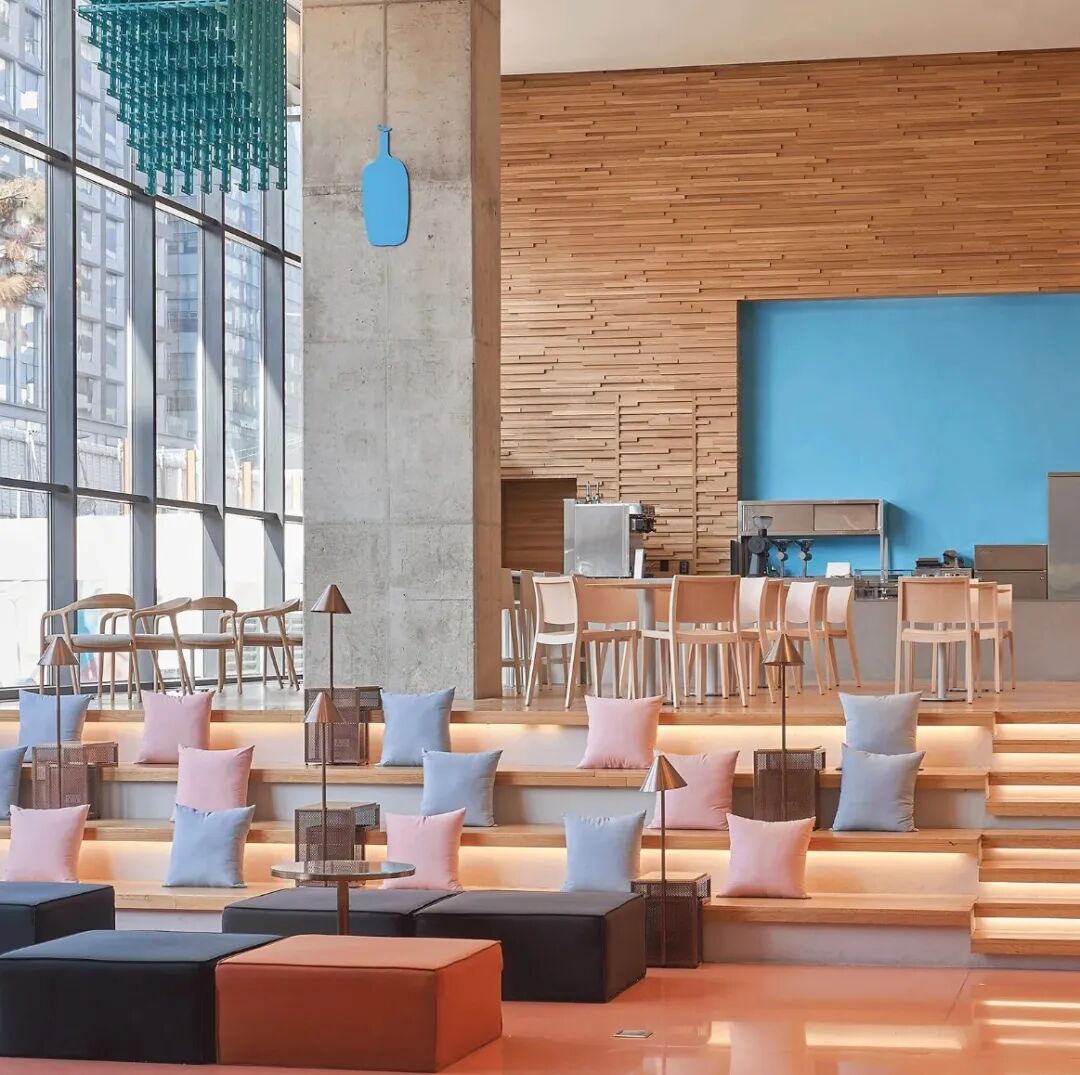
X @Bloomberg
Bloomberg· 2025-12-16 16:10
In today’s Bloomberg Deals: Japanese firms seek growth opportunities in India, Luckin eyes Nestle’s Blue Bottle and Morgan Stanley banker predicts ‘multi-year’ tech M&A boom. https://t.co/zT64rvZgzd ...
精品咖啡甩卖潮:可口可乐、雀巢为何甘愿“割肉”?
3 6 Ke· 2025-12-15 08:44
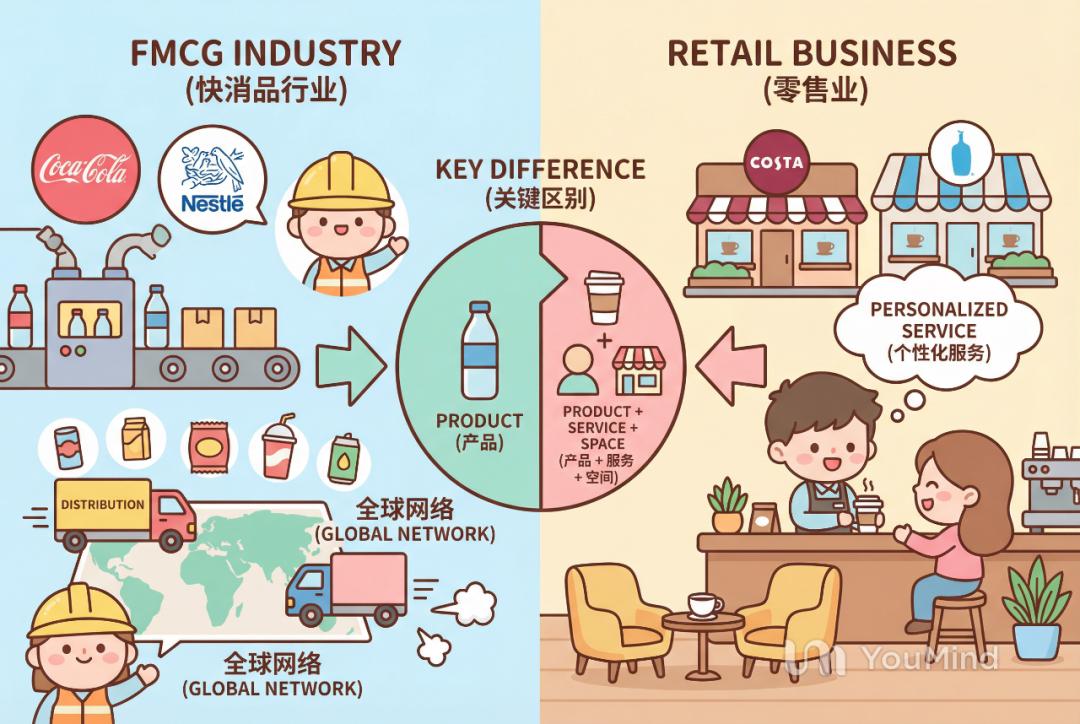
Core Viewpoint - The food and beverage industry is experiencing a surge in mergers and acquisitions, with notable companies like Starbucks, Coca-Cola, and Nestlé divesting from their coffee brands, often at prices significantly lower than their acquisition costs [1][7]. Group 1: Reasons for Divestiture of Physical Store Businesses - The divestiture often involves physical store operations, which differ from the fast-moving consumer goods (FMCG) sector that focuses on product and distribution rather than service and space [1][4]. - Physical retail businesses are more complex and face higher management challenges compared to FMCG, making them less strategic for companies like Coca-Cola and Nestlé [4]. - The capital-intensive nature of coffee shops, with high initial investments and long payback periods, makes them less attractive during economic pressures, prompting companies to divest [5][10]. Group 2: Reasons for Selling at a Discount - Companies prioritize focusing on core businesses to streamline their balance sheets, leading to the decision to sell off less strategic assets [7][10]. - For Coca-Cola, the acquisition of Costa was initially aimed at expanding its coffee platform, but changing market dynamics, particularly in China, rendered the physical store operations less viable [9][10]. - The value of physical stores is reassessed when more efficient distribution channels can achieve growth without the overhead of managing retail locations [10]. Group 3: Value of Divested Brands - Brands like Costa and Blue Bottle Coffee possess strong product offerings and loyal customer bases, indicating that they are not inherently poor investments [11][15]. - The divestiture allows these brands to potentially thrive under new ownership that can provide the necessary resources for expansion and operational efficiency [15][18]. - The example of the newly independent Magnum ice cream company illustrates how divestiture can lead to enhanced strategic flexibility and growth potential [18]. Conclusion - The current trend of divestiture in the food and beverage sector reflects a strategic realignment of resources, with the potential for good brands to find new life under different ownership structures [19].

Jim Cramer walks through the financials for Magnum Ice Cream
CNBC Television· 2025-12-12 00:30
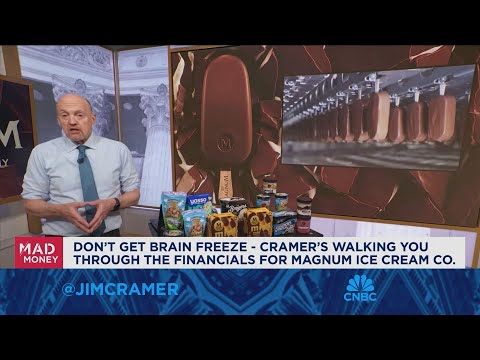
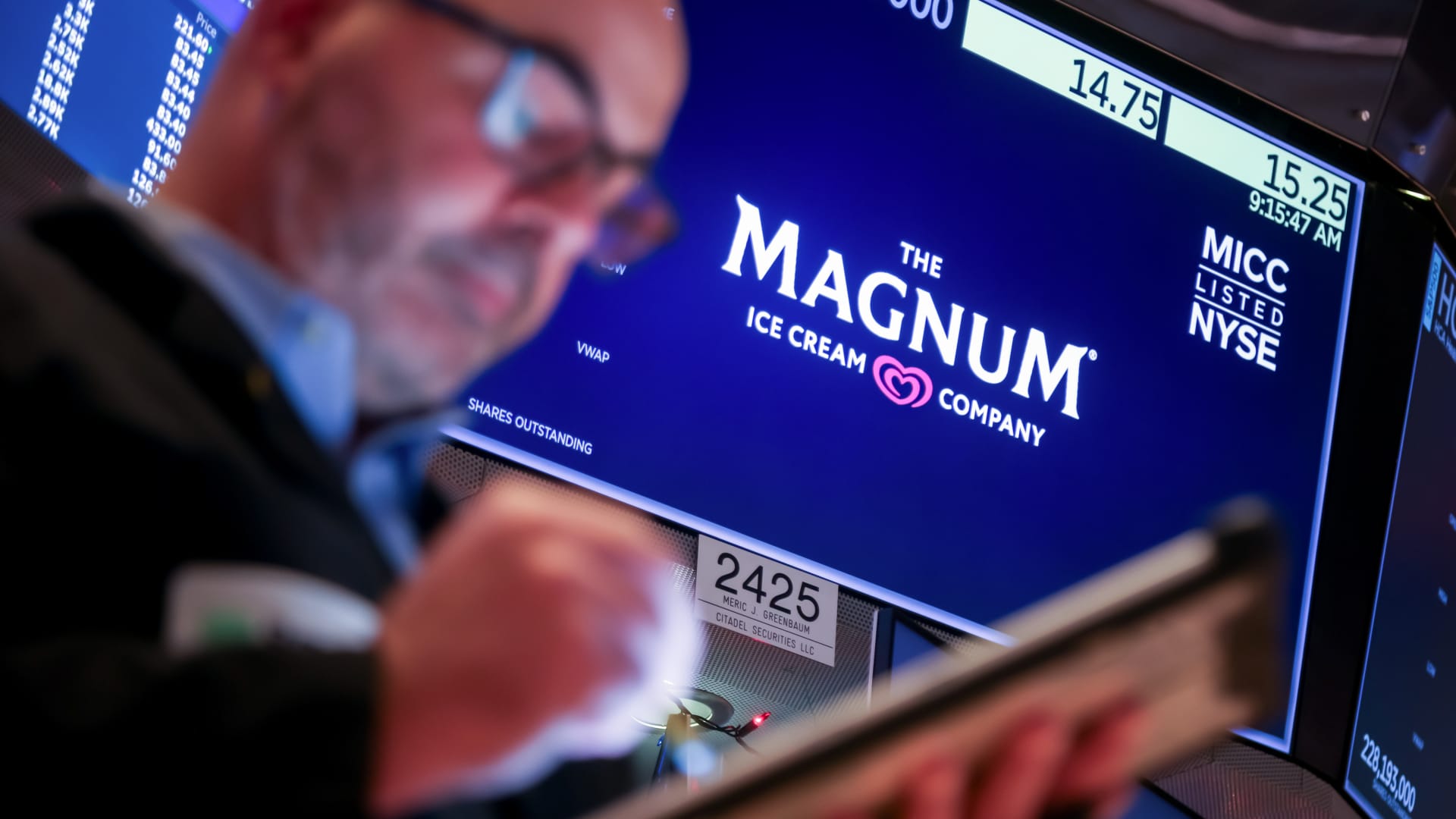
Earlier this week, Unilver spun off its ice cream business as the Magnum Ice Cream Company, MICC, for all you home gamers, creating the first pure play ice cream stock that I can recall. Unilver announced this nearly two years ago, but to be honest, I really didn't pay a lot of attention to it. So, it took me by surprise when I came into work yesterday to see this multi-story tall banner of ice cream outside the New York Stock Exchange with free samples flowing ON THE FLOOR.KLONDIKE BARS for all. And still ...
Jim Cramer walks through the financials for Magnum Ice Cream
Youtube· 2025-12-12 00:30
Core Viewpoint - Unilever has spun off its ice cream business into the Magnum Ice Cream Company (MICC), creating a pure play ice cream stock, which is expected to perform well as an independent entity [1][20]. Company Overview - The Magnum Ice Cream Company is the largest player in the ice cream industry, owning four of the world's five largest ice cream brands: Walls, Magnum, Ben & Jerry's, and Cornetto [2][4]. - The company has a global market share of 21%, significantly higher than its closest competitor, which holds only 11% [4]. Recent Performance - Despite a 6.5% decline in volume in 2023 while under Unilever, the ice cream division has begun to recover post-spin-off, achieving a 1.1% organic volume growth and a 2.8% increase in organic sales [6][8]. - The company's gross margin has improved for the first time in years, indicating a positive trend [9]. Future Outlook - Magnum aims for organic sales growth in the range of 3% to 5% and plans to enhance profitability through modest price increases [10][11]. - The company has good data on the impact of weight loss drugs (GOP-1s) on the ice cream market, estimating a 0.5% hit to volume growth for every 12% market penetration of these drugs [12][13]. Valuation - Magnum's stock is currently trading at approximately $15, with earnings per share expected to be $1.26 this year, slightly decreasing to $1.23 next year due to initial investments as an independent entity [16][19]. - The stock is valued at 12 to 13 times earnings, which is significantly lower than peers like Hershey and Nestle, suggesting a potential investment opportunity [18][19].

PRGO: Kirby McInerney LLP Advises Perrigo Company plc Investors of Class Action Lawsuit
Globenewswire· 2025-12-11 23:00
Core Viewpoint - The lawsuit against Perrigo Company plc alleges that the company made materially false statements and failed to disclose significant issues regarding its infant formula business, leading to overstated financial results [3]. Group 1: Lawsuit Details - The lawsuit is on behalf of investors who purchased Perrigo securities from February 27, 2023, to November 4, 2025, alleging misleading statements about the infant formula business [3]. - Specific allegations include underinvestment in maintenance and operational improvements, the need for substantial capital expenditures beyond stated estimates, and significant manufacturing deficiencies [3]. Group 2: Financial Impact - On November 5, 2025, Perrigo reported its third-quarter financial results and lowered its full-year guidance due to poor OTC consumption and issues with the infant formula business [4]. - Following this announcement, Perrigo's share price dropped by $5.09, approximately 25.2%, from $20.19 to $15.10 [4].


揭露雀巢中国渠道乱象:价格倒挂,窜货横行,新帅收拾“烂摊子”? | BUG
Xin Lang Cai Jing· 2025-12-11 00:08
Core Viewpoint - Nestlé China is currently facing a "channel crisis" characterized by significant payment delays to distributors and a chaotic distribution network [2][19]. Group 1: Payment Issues - Multiple distributors have reported being owed approximately 1 million yuan in advance payments, with delays lasting several years [3][21]. - A distributor from Jiangsu reported being owed around 900,000 yuan from 2018 to 2022, and the debt increased by an additional 200,000 yuan after transitioning to a dealer role [4][22]. - Distributors are often required to provide proof of expenses to receive payments, with Nestlé indicating a willingness to pay up to 70% of owed amounts, contingent on the acceptance of documentation [3][24]. Group 2: Distribution Network Problems - The distribution model involves distributors paying dealers upfront for goods, but returns are processed through dealers, complicating the payment chain [8][23]. - Distributors are often left vulnerable due to the lack of direct contracts with Nestlé, making it difficult for them to claim owed payments [9][24]. - Internal reports suggest that the management of Nestlé China has been chaotic for years, with frequent changes in local office personnel leading to unresolved payment issues [5][25]. Group 3: Sales and Market Performance - The Greater China region has seen a decline in sales, with revenue dropping from 6.913 billion Swiss francs in 2019 to 5.558 billion Swiss francs in 2021, reflecting a downward trend [13][27]. - The organic growth rate for the Greater China region was -6.1% in the first nine months of 2025, indicating ongoing struggles despite price reductions [13][27]. - Analysts attribute the decline to brand and product aging, as well as slow decision-making processes within the foreign brand [14][28]. Group 4: Management Changes and Strategic Shifts - In response to ongoing challenges, Nestlé has undergone significant management changes, including the appointment of a new CEO for the Greater China region [15][31]. - The new CEO aims to shift the focus from merely expanding distribution to actively driving demand through better products and emotional connections with consumers [31][32]. - There is an emphasis on internal reforms to address the declining performance, including the need for innovative products that align with evolving consumer preferences [32].
CNBC's UK Exchange newsletter: The world’s biggest ice cream maker hopes the future’s sweet
CNBC· 2025-12-10 05:30
Core Viewpoint - The demerger of The Magnum Ice Cream Company (TMICC) from Unilever allows direct investment in popular ice cream brands, with TMICC valued at €7.8 billion ($9.1 billion) upon its debut on the stock market [2][3]. Company Overview - TMICC includes well-known brands such as Magnum, Cornetto, and Ben & Jerry's, and has been positioned as the world's largest ice cream producer [3]. - The company is not expected to qualify for major indices like the FTSE 100, which may lead to initial selling pressure from tracker funds [5]. Financial Insights - TMICC's valuation is competitive, being worth slightly more than Froneri, which holds an 11% market share in the $87 billion global ice cream market compared to TMICC's 21% [6]. - The absence of dividends in 2026 may deter some investors, impacting short-term share price prospects [5]. Growth Prospects - The CEO targets medium-term organic annual sales growth of 3%-5%, aligning with the long-term average achieved under Unilever [8]. - TMICC may have opportunities to enhance its supply chain investments, which were previously neglected under Unilever's broader portfolio [8]. Management and Governance - The management team, primarily composed of former Unilever employees, is expected to improve operational performance, although challenges remain, particularly with the Ben & Jerry's brand [9]. - Recent governance issues at Ben & Jerry's have raised concerns, with the CEO indicating potential changes in charitable contributions unless corporate governance issues are resolved [12]. Market Reactions - Unilever's stock rose by 3.6% following the debut of TMICC, indicating positive market sentiment towards the spin-off [32]. - The demerger is seen as a significant restructuring for Unilever, potentially leading to a re-rating of the company's market value as it focuses on its core brands [19][20].
Amcor plc (AMCR): A Bull Case Theory
Yahoo Finance· 2025-12-09 19:37
Core Thesis - Amcor plc is positioned as a global packaging leader following its acquisition of Berry Global, focusing on higher-margin healthcare and hygiene segments, which enhances its pricing power and procurement leverage [2][3] Financial Metrics - As of December 1st, Amcor's share price was $8.54, with trailing and forward P/E ratios of 28.31 and 10.59 respectively [1] - The forward P/E of Amcor is approximately 10x, compared to peers at 12–15x, indicating potential upside if synergies are realized [2] Growth Segments - The healthcare and hygiene segments are expected to grow at a CAGR of 3–4%, complementing Amcor's traditional flexible and rigid plastics businesses [3] - Amcor serves major multinational FMCG clients such as Nestle, P&G, and J&J, which supports its growth strategy [3] Synergy and Cash Flow - Key catalysts include a near-term synergy realization of $260 million by FY26 and a full synergy capture of $650 million by FY28, potentially driving free cash flow to $2.1 billion [4] - The company has a 5% dividend yield and a 10% free cash flow yield, with projected upside of 20–30% based on peer EV/EBITDA valuation [4] Risks and Challenges - Risks include integration failure, over-leverage, tariff exposure from Asia-Pacific revenue, forex volatility, and potential demand compression from FMCG clients [3]
