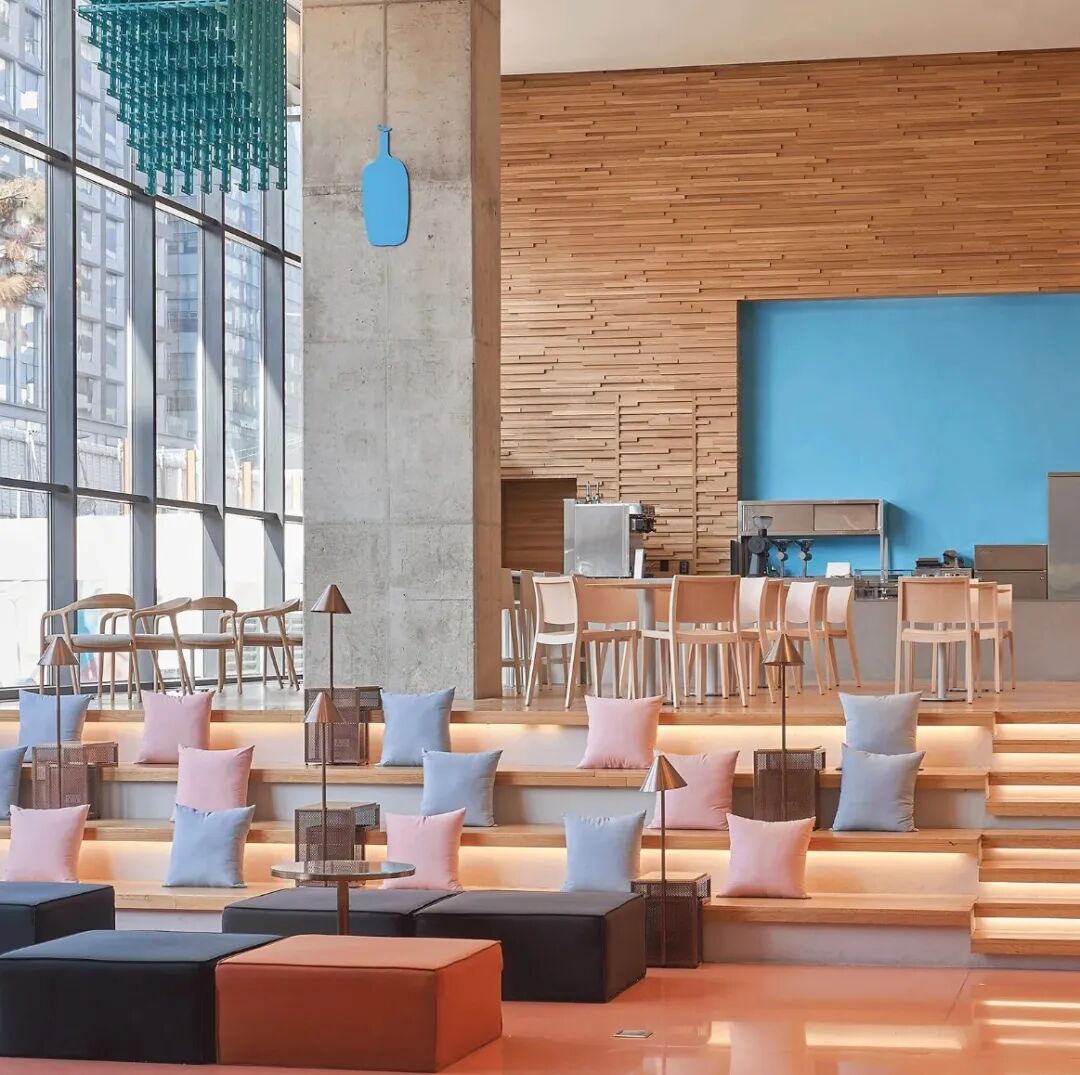
蓝瓶咖啡

Search documents
四五十块一杯的蓝瓶咖啡,为什么在巨头雀巢的手里难赚钱?|声动早咖啡
声动活泼· 2026-03-18 09:32
Core Viewpoint - Luckin Coffee's controlling shareholder, Dazheng Capital, has reached an agreement with Nestlé to fully acquire Blue Bottle Coffee's global store operations for less than $400 million, significantly lower than the over $700 million valuation when Nestlé acquired a stake in Blue Bottle in 2017 [3][4]. Group 1: Acquisition Details - The acquisition price for Blue Bottle Coffee's store operations is under $400 million, which is substantially lower than the valuation during Nestlé's previous investment [4]. - Nestlé retains Blue Bottle's retail-related businesses, including capsules, instant coffee, and coffee machines, while Dazheng Capital takes over the store operations [4]. - As of the end of last year, Blue Bottle Coffee had 140 stores globally, with the majority located in the U.S., and only 15 stores in mainland China [4]. Group 2: Brand Background - Blue Bottle Coffee is recognized as one of the most distinctive specialty coffee brands in the past two decades and is considered a representative of the third wave of coffee [4]. - The founder, James Freeman, started Blue Bottle Coffee in 2005 after noticing a lack of fresh coffee options and has maintained profitability since its inception, although it has struggled under Nestlé's ownership [5]. Group 3: Industry Challenges - The specialty coffee industry faces challenges such as high labor costs and low turnover rates, with barista wages in the U.S. rising by 38% from 2020 to 2023, while average retail prices increased only by 12% [6]. - Blue Bottle's high-end positioning limits its market size, as fewer consumers are willing to pay premium prices for coffee, leading to a competitive disadvantage against larger chains like Starbucks [6]. Group 4: Strategic Changes Post-Acquisition - After the acquisition, Blue Bottle's location strategy has shifted to align more closely with Starbucks, moving towards high-traffic areas rather than unique historical spaces [7]. - The brand's minimalist design, once a unique selling point, has become less distinctive as competitors adopt similar styles, and younger consumers are gravitating towards more vibrant and social coffee environments [7]. Group 5: Future Prospects and Challenges - Dazheng Capital may accelerate Blue Bottle's store expansion, but the focus should remain on brand integrity, location, design, and operational capabilities rather than just efficiency [10]. - Blue Bottle's current inability to achieve stable profitability raises concerns about the risks of blind expansion, especially given the limited supply of high-quality coffee beans and the potential need to enter price-sensitive markets [11]. - Labor issues, including unionization efforts among baristas, present additional challenges for Dazheng Capital as it navigates the U.S. market [11].

雀巢近期产品安全与商业纠纷频发 股价周内累计下跌1.72%
Xin Lang Cai Jing· 2026-03-13 17:12
Group 1 - Recent events surrounding Nestlé focus on product safety and commercial disputes, including a recall of infant formula in at least 50 countries due to potential contamination [1] - In March 2026, a Chinese distributor accused Nestlé of owing nearly 19 million yuan in rebate payments, leading to arbitration proceedings [1] - Nestlé sold its Blue Bottle Coffee global store assets for less than $400 million to optimize financial reports and focus on a light-asset strategy [1] Group 2 - Nestlé's stock price has been fluctuating downwards, closing at $102.13 on March 12, 2026, with a weekly decline of 1.72% [2] - The current price-to-earnings ratio (TTM) is 23.06, with a dividend yield of 2.32%, and a total market capitalization of approximately $262.7 billion [2] - Institutional ratings for Nestlé remain stable, with 50% of 22 institutions recommending "buy or hold" and a target price range of $88.25 to $132.23, indicating potential upside from the current stock price [3]

商贸零售行业周报:38大促国货美妆表现亮眼,上美股份发布盈喜预告
KAIYUAN SECURITIES· 2026-03-08 13:35
Investment Rating - The investment rating for the retail industry is "Positive" (maintained) [1] Core Insights - The report highlights the strong performance of domestic brands during the 38 promotional event, with significant sales figures and consumer demand for effective skincare products [23][25] - The report emphasizes the importance of emotional consumption themes and recommends high-quality companies in high-growth sectors [6][30][31] Summary by Sections Retail and Social Services Market Review - The retail and social services indices reported declines of 3.91% and 3.63% respectively during the week of March 2 to March 6, 2026 [5][15] - Year-to-date, the retail index has decreased by 6.82%, while the social services index has increased by 3.01% [15][16] Industry Dynamics - Domestic brands performed well during the 38 promotional event, with leading brands like Proya achieving significant sales [23] - The report notes that the skincare product category is seeing strong demand, particularly for effective and functional products [23][25] Investment Recommendations - Investment focus areas include: - **Gold and Jewelry**: Recommend brands with differentiated product offerings such as Laopuhuang and Chaohongji [6][30] - **Offline Retail**: Highlight companies adapting to trends like Yonghui Supermarket and Aiyingshi [6][30] - **Cosmetics**: Focus on brands that meet emotional value and safety innovation, recommending brands like Maogeping and Proya [6][31] - **Medical Aesthetics**: Suggest companies with differentiated products and expanding chains, such as Meilitiantian Medical Health and Aimeike [6][31] Company Performance Highlights - **Shangmei Co.**: Expected revenue of 9.1-9.2 billion yuan for 2025, with a year-on-year growth of 34.0%-35.4% [27] - **Zhou Dafu**: Achieved a retail value increase of 17.8% year-on-year in Q3 2026 [32] - **Yonghui Supermarket**: Anticipated revenue decline but undergoing significant operational adjustments [32]



瑞幸咖啡实控方大钲资本将收购蓝瓶咖啡?蓝瓶咖啡回应
Bei Jing Shang Bao· 2026-03-04 07:39
Core Viewpoint - Dazhong Capital has acquired Blue Bottle Coffee and is set to complete a transaction with Nestlé, while Nestlé will retain the coffee machine and capsule business of Blue Bottle [1] Group 1: Transaction Details - Dazhong Capital has signed the deal to purchase Blue Bottle Coffee's global stores, but the transaction has not yet been finalized [1] - There were previous considerations by Luckin Coffee to acquire Blue Bottle Coffee, and Nestlé was evaluating future options for the brand, including a potential sale [1] Group 2: Company Background - Dazhong Capital, founded by Li Hui in 2017, became an early investor in Luckin Coffee in 2018 and led its restructuring after the financial scandal in 2020 [1] - Li Hui was appointed as a director and chairman of Luckin Coffee's board in April of the previous year [1]
拟购蓝瓶咖啡:瑞幸的“高端化”
Xin Lang Cai Jing· 2025-12-26 12:21
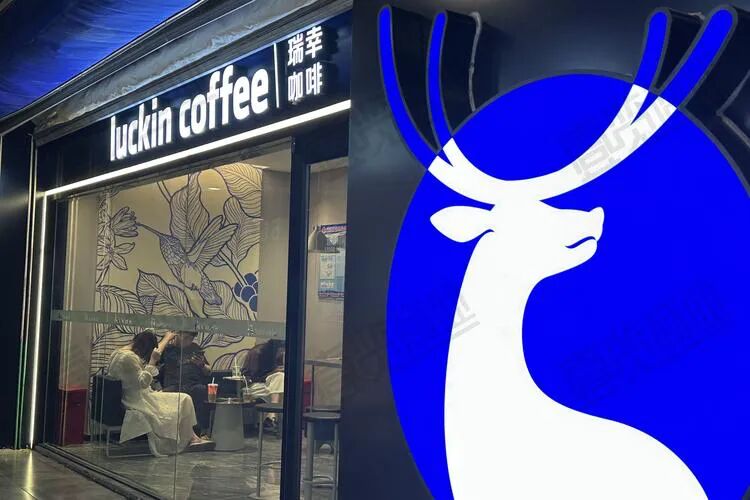
Core Viewpoint - Luckin Coffee is considering acquiring Blue Bottle Coffee, a premium coffee brand owned by Nestlé, marking a significant potential merger between the "old king" Nestlé and the "new king" Luckin Coffee [1][13]. Group 1: Nestlé and Blue Bottle Coffee - Nestlé acquired a 68% stake in Blue Bottle Coffee for approximately $425 million in 2017, which was seen as a strategic move to embrace the "third wave" of specialty coffee [3][15]. - Over the past eight years, Blue Bottle has shifted from being a prized asset to a less valuable one for Nestlé, which reported nearly 740 billion RMB in annual revenue [3][15]. - The new CEO, Philippe Naefratil, has emphasized a growth strategy focused on internal growth rates and has raised critical questions regarding the attractiveness and positioning of Blue Bottle within Nestlé's portfolio [3][15]. Group 2: Blue Bottle's Market Position - Blue Bottle Coffee operates around 150 stores globally, with only 14 in mainland China, and its expansion has been nearly stagnant [5][17]. - The brand's commitment to a slow and artisanal coffee-making process contrasts sharply with Nestlé's focus on structured scale, making Blue Bottle a financial burden [5][17]. - Nestlé's growth is driven by its billion-dollar brands, while Blue Bottle's niche retail business contributes minimally and is misaligned with Nestlé's fast-moving consumer goods model [5][17]. Group 3: Luckin Coffee's Acquisition Intent - Luckin Coffee's potential acquisition of Blue Bottle is driven by a desire to elevate its brand perception from a budget option to a premium player in the coffee market [8][20]. - The acquisition could serve as a shortcut for Luckin to shed its "cheap drink" label and establish a presence in the high-end market, similar to how Anta leveraged acquisitions to build its brand matrix [8][20]. - Luckin's international expansion has been cautious, with only 108 overseas stores, making Blue Bottle's established presence in mature markets an attractive opportunity for global growth [8][20]. Group 4: Market Reactions and Concerns - Following the acquisition rumors, Luckin's stock price fell over 7%, indicating investor concerns about potential dilution of earnings [10][22]. - There is a fundamental cultural clash between Luckin's algorithm-driven operations and Blue Bottle's emphasis on artisanal craftsmanship, raising questions about the compatibility of their business models [10][22]. - Despite having approximately 9.4 billion RMB in cash, Luckin faces intense competition in the Chinese coffee market, with rising costs and price wars impacting profitability [10][22]. Group 5: Industry Trends - The potential merger is part of a broader trend in the global coffee industry, where major players are strategically divesting non-core assets while retaining valuable brand equity [12][24]. - This trend reflects a shift in the coffee value proposition, focusing on brand equity and intellectual property rather than the operational complexities of physical stores [12][24]. - The acquisition of Blue Bottle by Luckin symbolizes a clash of coffee philosophies and business models, highlighting the ongoing reevaluation of coffee's value in the market [12][24].
护肤品牌林清轩开启招股;蜜雪冰城美国首店试运营;小红书社区架构再调整|创投大视野
36氪未来消费· 2025-12-20 04:24
Group 1 - Busy Money has completed a 10 million yuan angel round financing to support its nationwide expansion in the flash warehouse model [4] - Xiaohongshu has undergone a deep adjustment in its community organizational structure to integrate production, operation, and research [5] - KKV's Shenzhen store has been forced to suspend operations due to a unilateral termination of the lease by the shopping center [6][7] Group 2 - Mannings announced the closure of its stores in mainland China due to a strategic business adjustment, with offline stores set to close by January 15, 2026 [8] - Haotemai is closing stores in major cities due to rental issues and operational losses, with a significant reduction in new store openings [9] - Mixue Ice City is facing criticism over its breakfast pricing, with no current plans for price adjustments [10][11] Group 3 - Lin Qingxuan has initiated its IPO process, planning to raise 1.086 billion HKD with a share price of 77.77 HKD, targeting a listing on December 30, 2025 [13][14] - The core product, camellia oil essence, has sold over 45 million bottles since its launch, contributing 45.5% of the company's revenue in the first half of 2025 [14] - The company has seen significant revenue growth from 690 million yuan in 2022 to 1.21 billion yuan in 2024, with a profit turnaround from a loss of 5.93 million yuan to a profit of 187 million yuan [14] Group 4 - TikTok's CEO announced a new joint venture in the U.S. to handle data security and algorithm safety, while ByteDance retains control over e-commerce and advertising [12] - The Hainan Free Trade Port officially started its full island closure on December 18, 2025, as part of a national strategy [19] - The film "Avatar 3" has surpassed 100 million yuan in pre-sale and preview box office [20]


12.18犀牛财经晚报:品牌首饰铂金报价突破800元
Xi Niu Cai Jing· 2025-12-18 10:30
Group 1: Platinum Jewelry Prices - The price of platinum jewelry has surpassed 800 yuan per gram, with the price reaching 815 yuan for foot platinum 999 on December 18 [1] - In the Shenzhen Shui Bei market, the price of platinum jewelry has increased to around 470 yuan per gram, up from approximately 300 yuan in June [1] - On the domestic futures market, platinum futures saw a significant increase, with a closing price rise of 5.32% on December 18 [1] Group 2: Chinese Technology ETFs - The KraneShares China Internet ETF (KWEB) has attracted $2.3 billion in inflows this year, potentially marking its best annual performance since 2021 [1] - The Invesco China Technology ETF (CQQQ) has also seen $2.1 billion in inflows, aiming for its best annual performance in history [1] Group 3: HBM3e and DDR5 Pricing Trends - The price of conventional DRAM has surged due to supply shortages, while HBM3e prices are also rising due to increased orders from GPUs and ASICs [1] - It is expected that the average selling price (ASP) gap between HBM3e and DDR5 will narrow significantly over the next year [1] Group 4: UK Home Security Market Growth - The number of households in the UK using professional home security monitoring services is projected to grow by 31% by 2025, reaching 542,600 households [2] - This growth indicates a significant market shift as consumers increasingly adopt smart technology for home security [2] Group 5: Chinese Photovoltaic Exports - China's photovoltaic product exports saw a total of $24.42 billion from January to October 2025, with a year-on-year decline of 13.2%, a significant improvement from the 34.5% decline in the same period of 2024 [2] - The stabilization of export prices reflects the effectiveness of industry self-regulation [2] Group 6: Hainan Free Trade Port - The Hainan Free Trade Port officially began operations on December 18, with international flight bookings to Haikou for the Spring Festival expected to double year-on-year [2] - Flight bookings for the New Year period also saw significant increases, with a 19% rise for Haikou and a 51% rise for Sanya [2] Group 7: Chow Tai Fook Price Increase - Chow Tai Fook announced a price increase for some products effective December 19, with most products seeing price hikes between 4% and 16% [3] - For example, a gold bracelet weighing approximately 32.35 grams increased in price from 56,800 yuan to 65,800 yuan, reflecting a 15.8% increase [3] Group 8: AI Framework for Disease Treatment - A research team from Jilin University has developed an AI framework called SpatialEx, which integrates spatial multi-omics data to aid in the diagnosis and treatment of diseases like breast cancer and Parkinson's [3] Group 9: MiniMax IPO Plans - MiniMax, a domestic AI model company, has passed the Hong Kong Stock Exchange hearing and plans to list in January 2026, potentially becoming the fastest AI company to IPO globally [6] - The company has served over 210 million users across more than 200 countries and regions [6] Group 10: Corporate Leadership Changes - The CEO of Master Kong, Chen Yingrang, will retire, with Wei Hongcheng appointed as the new CEO effective January 1, 2026 [5] - Wang Weidong has resigned as general manager of Songyang Resources, with Cai Jiantao taking over the position [6]
COSTA收购案尚未落地,瑞幸又盯上蓝瓶咖啡,算法“镰刀”终于挥向“匠心咖啡”?
3 6 Ke· 2025-12-18 02:23
Core Viewpoint - Nestlé is planning to sell Blue Bottle Coffee, which it acquired in 2017, to Luckin Coffee, as it struggles with the operational challenges of the brand while seeking to maintain its high-margin consumer goods business [2][4][5]. Group 1: Nestlé's Strategy - Nestlé's decision to sell Blue Bottle is driven by the realization that the brand's expansion has diluted its identity, creating a conflict with the company's growth expectations [3][4]. - The sale involves a strategic separation of the brand from its physical retail operations, allowing Nestlé to retain the brand's intellectual property while offloading the costly and complex retail locations [4][5]. - This divestment is seen as a perfect asset separation for Nestlé, allowing it to focus on its strengths in high-margin consumer products [5]. Group 2: Blue Bottle's Market Performance - Blue Bottle's initial success in China has waned, with a significant decline in consumer interest and foot traffic in its stores, which were once seen as trendy [6][7]. - The brand's pricing strategy has come under scrutiny, as consumers question the value of its offerings compared to local competitors like Manner and Grid Coffee, which provide similar quality at lower prices [7][9]. - As of August 2025, Blue Bottle has only 14 stores in mainland China, a stark contrast to the rapid expansion of competitors, highlighting its struggle to adapt to the local market [9]. Group 3: Luckin Coffee's Ambitions - Luckin Coffee's recent financial performance shows significant growth, with a net revenue of 15.287 billion yuan in Q3 2025, reflecting a 50.2% year-on-year increase [10]. - The acquisition of Blue Bottle is viewed as a strategic move for Luckin to elevate its brand perception from a budget option to a premium player in the coffee market [12][13]. - Luckin aims to leverage Blue Bottle's established brand recognition in international markets to enhance its global presence and valuation [12][13]. Group 4: Challenges for Luckin Coffee - Despite its rapid growth, Luckin faces challenges related to its brand image, which is often associated with low-cost offerings, limiting its potential in the premium segment [11][12]. - The company's aggressive expansion strategy, including opening new stores near existing ones, has led to dissatisfaction among franchisees, impacting profitability and operational stability [16][17]. - The cultural clash between Luckin's data-driven approach and Blue Bottle's artisanal ethos raises questions about the future integration of the two brands [16][17].
瑞幸咖啡考虑收购蓝瓶咖啡?蓝瓶咖啡回应
Bei Jing Shang Bao· 2025-12-17 12:12
Core Viewpoint - Luckin Coffee is reportedly considering acquiring Blue Bottle Coffee, a premium coffee brand owned by Nestlé, although Blue Bottle Coffee has declined to comment on the matter [1]. Group 1 - The news indicates that there have been previous discussions regarding Nestlé and related institutions evaluating future development options for Blue Bottle Coffee, including the possibility of selling the business [1].
雀巢想瘦身,瑞幸在狂奔:蓝瓶咖啡收购传闻背后的资本局
3 6 Ke· 2025-12-17 11:27
Group 1 - The core of the news revolves around the potential acquisition of Blue Bottle Coffee by Luckin Coffee, which symbolizes a shift in the global coffee landscape, especially as both companies are in different strategic phases [1][9] - Nestlé, having acquired a 68% stake in Blue Bottle Coffee for approximately $425 million in 2017, is now considering divesting it as the brand no longer aligns with its current focus on large-scale products [4][5] - The new CEO of Nestlé, Philipp Navratil, emphasizes a shift towards "RIG-led growth," indicating a need for rational evaluation of all business segments, which may lead to the sale of Blue Bottle Coffee if it does not meet performance standards [4][8] Group 2 - Luckin Coffee's recent financial performance shows a significant increase, with Q3 revenue reaching 15.3 billion yuan, a 50% year-on-year growth, and a total of nearly 30,000 stores, highlighting its ambition to acquire a premium brand like Blue Bottle [11][17] - The acquisition could fill a gap in Luckin's brand portfolio, providing a high-end image and facilitating international expansion, particularly in the U.S. market where Blue Bottle has a presence [11][12] - Despite the potential benefits, Luckin's management has historically been cautious about acquisitions, preferring organic growth strategies, which raises questions about the feasibility of the Blue Bottle acquisition [14][15][16] Group 3 - Nestlé's financial urgency is evident as it announced a cost-saving plan of up to 2.5 billion Swiss francs and plans to cut 12,000 white-collar jobs, making the retention of Blue Bottle Coffee seem impractical [7][8] - The operational model of Blue Bottle Coffee, which relies on high-touch, artisanal coffee preparation, contrasts sharply with Luckin's automated and efficiency-driven approach, creating a fundamental conflict in business philosophies [16] - Luckin's cash flow is strong, with approximately 9.3 billion yuan in cash and equivalents as of September 30, 2025, but the competitive landscape in China necessitates careful financial management, especially in light of rising delivery costs [17][18]