罗氏

Search documents
ImmunityBio Shares Surge on Updated Durable Lymphoma Study Results
ZACKS· 2026-01-19 16:40
Core Insights - ImmunityBio's shares increased by 39.8% on Friday and an additional 9.4% in after-hours trading following the release of updated efficacy and safety data from the QUILT-106 clinical study [2][8] - The QUILT-106 study is assessing an allogeneic CD19 CAR-NK therapy in combination with Roche's Rituxan for patients with Waldenström non-Hodgkin's lymphoma, showing promising results [3][4] Study Results - Updated data from the QUILT-106 study indicate durable complete responses and sustained disease control in patients with Waldenström NHL, with 100% disease control observed to date and responses extending up to 15 months [4][8] - The treatment regimen involves off-the-shelf CD19 CAR-NK cells combined with Rituxan, administered in an outpatient setting without the need for chemotherapy-based lymphodepletion [5][9] - Four patients have been enrolled in the study, all of whom remain in clinical disease control, with two patients demonstrating durable complete remission at seven and 15 months, respectively [6][10] Market Performance - Over the past six months, ImmunityBio's shares have surged by 106%, significantly outperforming the industry average growth of 22.1% [7] Future Developments - Enrollment and follow-up in the QUILT-106 study are ongoing, with further clinical updates expected as more patients become evaluable [10] - A follow-up study is planned to evaluate the combination of NK-CAR with ImmunityBio's IL-15 superagonist, Anktiva, and Roche's Rituxan to enhance current results in indolent lymphoma [10] Additional Programs - ImmunityBio is making progress in its first-line BCG-naïve NMIBC program, with enrollment in the QUILT-2.005 study exceeding expectations, targeting full enrollment by Q2 2026 [12] - The QUILT-2.005 study is evaluating Anktiva in combination with BCG, showing statistically significant improvements in complete response duration compared to BCG alone [14]



CytomX Stock Rises 31% in a Month: Here's What You Should Know
ZACKS· 2026-01-19 15:21
Core Insights - CytomX Therapeutics (CTMX) shares increased by 30.8% over the past month due to strategic business updates and pipeline goals for 2026, with positive clinical progress likely boosting investor confidence [1][7] Pipeline Developments - CytomX's revenue primarily comes from collaboration agreements with companies such as Amgen, Astellas, Bristol Myers, Moderna, and Regeneron [2] - The lead program, Varseta-M (EpCAM PROBODY ADC), is in a phase I study for advanced metastatic colorectal cancer (CRC), with enrollment ongoing and updates expected in Q1 2026 [3][4] - Ongoing phase I dose-expansion studies for Varseta-M are evaluating doses of 7.2 mg/kg, 8.6 mg/kg, and 10 mg/kg, which will inform a potential registrational study design with the FDA planned for later in 2026 [4] - CytomX is also exploring Varseta-M in combination with Roche's Avastin for CRC, with a phase I study expected to start in Q1 2026 and data anticipated in H1 2027 [5] Market Context - Roche's Avastin, a legacy cancer drug, generated CHF 763 million in sales in the first nine months of 2025, although sales are declining due to biosimilar competition [6] - Over the past six months, CytomX shares surged by 126.4%, significantly outperforming the industry average increase of 22.6% [6] Additional Pipeline Updates - CytomX is developing CX-801 (PROBODY Interferon-alpha 2b) as a monotherapy and in combination with Merck's Keytruda for advanced melanoma, with initial clinical data expected by the end of 2026 [8][9] - Keytruda generated $23.3 billion in sales for Merck in the first nine months of 2025, highlighting its significance in the oncology market [8]


中美创新药,必有一战
3 6 Ke· 2026-01-19 12:39
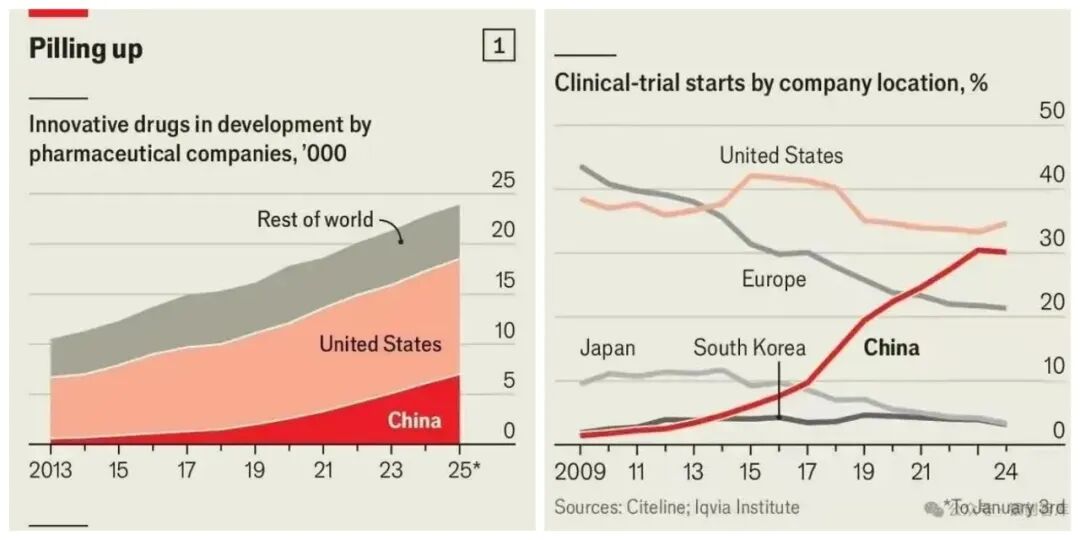
Core Viewpoint - The Chinese innovative drug sector is experiencing rapid growth, positioning itself as a global leader in drug development, with significant investments and collaborations from major pharmaceutical companies [2][8][30]. Group 1: Market Dynamics - The price of experimental monkeys has surged from 3,000 yuan to 100,000 yuan, indicating a high demand in the innovative drug sector [1]. - By 2025, China is projected to rank second globally in new drug clinical trials, with its pipeline accounting for 30% of the global total [2]. - In 2024, Chinese innovative drug companies completed 94 overseas licensing transactions, representing 44% of the national total, with over 100 transactions exceeding $100 billion in the first ten months of 2025 [6][30]. Group 2: Challenges in Traditional Pharmaceutical Sector - The generic drug sector is facing significant challenges, with a projected 5.5% decline in revenue for 2024 and over 30% of companies experiencing losses [5]. - Major pharmaceutical companies are increasingly collaborating with Chinese innovative drug firms to mitigate the risks associated with patent expirations, which could lead to a revenue gap exceeding $300 billion in the next five years [10][30]. Group 3: Advantages of Chinese Innovative Drugs - China offers a cost-effective and efficient environment for drug development, with clinical trial costs significantly lower than in the U.S. [20][21]. - The average time for clinical trial approvals in China has been reduced from 60 to 30 working days, and the average new drug application approval time has decreased to approximately 130 days [14]. - Chinese pharmaceutical companies are increasingly moving from "me-too" and "me-better" drugs to original innovations, with a notable increase in the number of innovative drug projects [27]. Group 4: Global Positioning and Future Outlook - Despite the rapid growth of Chinese innovative drugs, the overall market value of Chinese biotech companies remains significantly lower than their U.S. counterparts, capturing only 5% to 10% of global new drug revenues [30][31]. - Chinese companies are establishing commercial centers in global pharmaceutical hubs to enhance their commercialization capabilities, marking a shift towards becoming major players in the global market [37][38]. - The transition from biotech firms to large multinational pharmaceutical companies is seen as a critical step in the global battle for market share and innovation [38].



美国药企:欧洲若不涨价,新药将停止供应
3 6 Ke· 2026-01-19 12:35
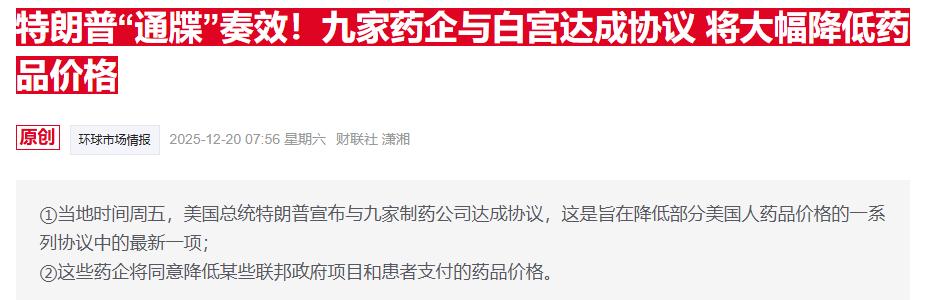
Group 1 - U.S. pharmaceutical companies are increasing pressure on Europe to raise drug prices, with some threatening to stop supplying new drugs if European lawmakers do not comply [1][2] - Pfizer was the first to reach a "most-favored-nation price" agreement with the Trump administration, which has led to increased drug prices in overseas markets [1][2] - As of now, 16 multinational pharmaceutical companies have agreed to lower drug prices in the U.S., including AstraZeneca and Genentech [1] Group 2 - Trump praised these agreements as tools to force Europe to raise drug prices, claiming they have transformed prescription drug pricing in the U.S. to the lowest in the world [2] - Pharmaceutical executives, including Pfizer's CEO Albert Bourla, indicated they would prefer to stop supplying drugs to countries like France rather than lower U.S. prices [2] - Bristol-Myers Squibb previously threatened to halt the launch of a popular schizophrenia drug in the UK unless prices were increased, and the UK has since promised to raise drug prices following an agreement with the U.S. [2] Group 3 - European countries, which have government-led healthcare systems, have historically pressured pharmaceutical companies to accept lower prices, contrasting with the U.S. system that lacks a unified drug price negotiation mechanism [3] - The CEO of Germany's largest public health insurance provider stated that current drug prices in Germany are too high and called for legislative action to reduce spending, particularly on patented drugs [3] - Analysts predict that the ongoing tension may lead to further delays in the launch of new drugs in Europe, with new drugs currently taking about a year longer to reach the European market compared to the U.S. [3]


观察 | AI制药风口真假?撕开四小龙伪装,看懂赚钱逻辑
未可知人工智能研究院· 2026-01-19 10:08
Core Viewpoint - The essence of innovation is solving old problems in new ways, and opportunities often lie in the divergence between tradition and change. The AI pharmaceutical sector is emerging as a potential new frontier, with some companies already generating real orders while others rely on financing through presentations [1][3]. Group 1: Industry Overview - The domestic landscape features four key players in AI pharmaceuticals: JingTai Technology, YS Intelligent, JiTai Technology, and DeepMind [6][8]. - Each of these companies has a distinct approach, making it crucial not to conflate them [7]. - JingTai Technology operates as an "AI + computing power seller," focusing on sectors like energy materials rather than pharmaceuticals, indicating that the commercialization of AI in drug development may not be as straightforward as anticipated [10]. - YS Intelligent is aggressively developing its own drug pipeline, with six drugs currently in clinical stages, but faces a long road to market [11][12]. - JiTai Technology specializes in antibody drug design, which is currently a hot area, allowing it to secure orders more easily [14][15]. - DeepMind takes a more academic approach, focusing on protein structure prediction and molecular generation, holding core algorithms that could significantly impact the field [16][17]. Group 2: Industry Discrepancies - There is a notable divide between the tech and pharmaceutical sectors, with many in traditional medicine skeptical of AI's role in drug development, viewing it as merely enhancing compound screening efficiency without addressing core clinical and regulatory challenges [20]. - This skepticism from traditional pharmaceutical professionals may present an opportunity for investors, as it allows new players time to validate their models [21]. - Major pharmaceutical companies like Pfizer and Roche are quietly forming partnerships with AI firms, indicating a strategic interest in reducing R&D costs and timelines [22]. Group 3: Investment Logic - Key investment criteria include the presence of a drug pipeline entering clinical trials, securing real orders from major pharmaceutical companies, and monitoring cash burn rates [26][28][32]. - Future trends in the sector may include platformization, vertical specialization, and a wave of mergers and acquisitions as companies seek to consolidate resources [30]. Group 4: Core Challenges - The speed of cash burn is a critical factor for survival in the AI pharmaceutical space, with many companies facing financial strain during early clinical phases [32][34]. - The market is increasingly unwilling to invest in mere concepts; companies must demonstrate commercial viability [35]. - The sector requires a long-term perspective, as short-term fluctuations are expected, but long-term certainty is increasing [36].

青少年预防流感健康科普公益行动在京启动 多方携手筑牢青少年健康防线
Xin Lang Cai Jing· 2026-01-19 09:55
来源:环球网 为积极应对冬春季流感传播风险,提升公众尤其是青少年的健康防护意识,近日,中国青年出版总社在 北京青年宫开启了青少年预防流感健康科普公益活动。该活动旨在通过持续、系统的科普教育,将专业 流感防治知识转化为公众易于理解、乐于接受的形式,助力"健康中国"建设在校园落地生根。 作为本次活动的公益支持方,罗氏制药中国企业事务与传播部副总裁隆伟利女士在接受采访时表 示:"罗氏连续两年深度参与此项公益,既是践行"先患者之需而行"的企业理念,也是深耕中国、共建 公共卫生体系的长期承诺。作为创新生物医药企业,罗氏致力于扮演"科学连接者"的角色,积极履行社 会责任,以实际行动响应"健康中国"战略。具体举措上,罗氏聚焦于构建多元科普体系,支持合作伙伴 以丰富形式开展活动,并携手临床专家共同推动专业知识生动走进校园。未来,公司计划将成熟的校园 科普模式系统化推广至更多基层学校与社区,借助"线上+线下"方式,助力构建覆盖更广、反应更及时 的社会化流感防护网络。" 本届行动延续"医教结合、科普先行"的理念,注重权威性、趣味性与实用性的平衡。主办方表示,希望 通过系统化、常态化的公益科普,真正实现"教育一个孩子,带动一个家庭 ...
CXO-多家公司年报预告超预期-JPM-大会亮点不断
2026-01-19 02:29
Summary of Conference Call Records Industry Overview - The conference call primarily discusses the biopharmaceutical industry, focusing on several key companies and their projected performance for 2025 and beyond. The overall sentiment reflects a robust growth trajectory within the sector. Key Companies and Their Projections 1. WuXi AppTec (药明康德) - Expected revenue for 2025 is 454.56 billion CNY, a year-on-year increase of 15.84% - Adjusted net profit is projected to be 149.57 billion CNY, up 41.33%, with total net profit reaching 191.51 billion CNY, a 102.65% increase [2] - The company has 24 GLP-1 drug candidates, with 15 in Phase II and III clinical trials, indicating strong pipeline growth [4] 2. Kanglong Chemical (康龙化成) - Anticipates revenue between 138.72 billion CNY and 142.4 billion CNY, reflecting a growth of 13%-16% - Adjusted net profit is expected to be between 17.68 billion CNY and 18.48 billion CNY, a growth of 10%-15% [2] 3. Sunway Pharma (阳光诺和) - Projected revenue between 1.192 billion CNY and 1.37 billion CNY, a growth of 10.57%-27.15% - Expected net profit between 190 million CNY and 229 million CNY, a growth of 7.69%-29.23% [2] 4. AstraZeneca (阿斯利康) - Focused on cardiovascular, ADC, next-generation IO, and cell therapy TCE areas - Key clinical data readouts expected in 2026, which may impact market dynamics [5] 5. Gilead Sciences (吉利德) - Key projects include Cloud Native Top two ADC, expected to show promising data in TNBC treatment and potential approval in the second half of the year [8] - Anticipates significant changes in the first-line triple-negative breast cancer market due to the SG molecule [8] 6. DZD Pharma (迪哲医药) - DZD6,008 shows significant efficacy in non-small cell lung cancer (NSCLC) with an ORR of 60% and PFS exceeding 10 months [3][16] Clinical Trials and Data Readouts - Multiple companies, including Gilead, AstraZeneca, and others, are set to release important clinical trial data in 2026, which could reshape competitive dynamics in the NSCLC market [16] - AstraZeneca's ADC project 18.2 is expected to have significant clinical data readouts in 2026, with a focus on large-scale Phase III trials [7] Strategic Collaborations and Market Expansion - WuXi Biologics (药明生物) has signed a strategic cooperation memorandum with Qatar Free Zone Authority to expand into the Middle East market [4] - The conference highlighted the increasing participation of Chinese companies in the global pharmaceutical market, particularly in the dual-antibody and ADC sectors [22] Emerging Trends and Innovations - The industry is witnessing a shift towards L2.0 and ADC combinations, which are expected to become the next wave of drug development [17][18] - The importance of speed and mechanism synergy in new drug development was emphasized, indicating that early-stage projects have a higher success rate [18] Conclusion - The biopharmaceutical industry is poised for significant growth, with several companies reporting strong projections and innovative clinical developments. The upcoming clinical data releases in 2026 are anticipated to have a substantial impact on market dynamics and competitive positioning within the sector.



外企高管转型中国创新药“推销员”,黄仁勋也来共享顶级资本盛宴
第一财经· 2026-01-17 17:47
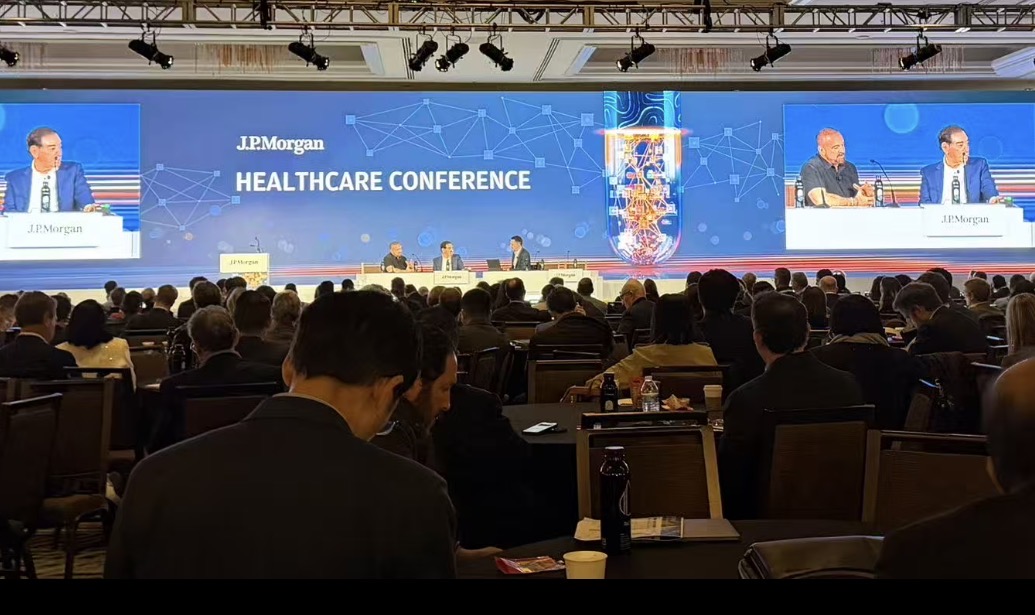
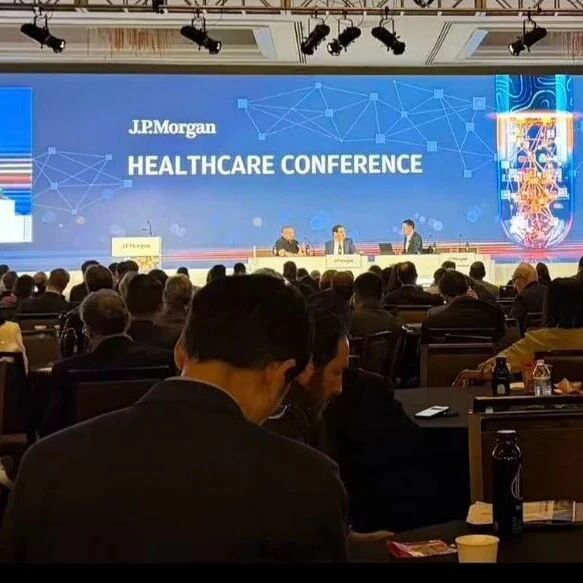
Core Insights - The JPMorgan Healthcare Conference, known as the "Spring Festival of the Pharmaceutical Industry," has increasingly highlighted the role of Chinese biopharmaceutical companies and investors, indicating a shift towards recognizing China's innovation capabilities in drug development [3][11]. Group 1: Conference Highlights - The conference showcased a growing interest in Chinese innovation, with discussions frequently focusing on collaboration opportunities and the competitive landscape involving China [3][11]. - Many multinational pharmaceutical companies organized closed-door sessions specifically for Chinese innovation, reflecting a significant engagement with Chinese projects [10][11]. - The overall sentiment towards Chinese biopharmaceutical companies has improved, with global capital increasingly viewing them as equal partners in technology output rather than just recipients of foreign investment [13][14]. Group 2: Industry Trends - The trend of multinational pharmaceutical executives transitioning to roles in Chinese biopharmaceutical firms is notable, as they bring valuable experience and networks to the industry [8][10]. - The urgency for multinational companies to acquire innovative assets from China is driven by the impending patent cliffs for blockbuster drugs, creating a historical opportunity for Chinese innovations to enter global markets [14]. - The number of licensing agreements for innovative drugs from China is expected to rise, with over one-third of such agreements in 2025 already coming from Chinese companies [14][15]. Group 3: AI in Biopharmaceuticals - The integration of AI in drug discovery is becoming a focal point, with predictions that AI could significantly reduce the time and cost of early drug development [19][24]. - Major pharmaceutical companies are increasingly collaborating with AI firms to enhance their drug development processes, as seen in partnerships announced during the conference [21][23]. - The AI pharmaceutical market is projected to grow from over $1 billion in 2022 to nearly $3 billion by 2026, indicating a robust future for AI-driven drug discovery [24].
International Exposure: SPDW's Lower Costs vs. URTH's U.S. Giants
Yahoo Finance· 2026-01-17 13:51
Core Insights - The iShares MSCI World ETF (URTH) and SPDR Portfolio Developed World ex-US ETF (SPDW) differ significantly in cost, yield, regional exposure, and top holdings concentration, with SPDW being more cost-effective and focused on non-U.S. markets, while URTH has a heavier emphasis on U.S. technology [2][3] Cost & Size Comparison - URTH has an expense ratio of 0.24% and AUM of $7.0 billion, while SPDW has a much lower expense ratio of 0.03% and AUM of $34.1 billion [4] - The 1-year return for URTH is 22.9%, compared to SPDW's 35.3%, and the dividend yield for URTH is 1.5% versus SPDW's 3.2% [4][5] Performance & Risk Comparison - Over five years, URTH experienced a maximum drawdown of 26.06%, while SPDW had a deeper drawdown of 30.20% [6] - The growth of $1,000 over five years is $1,659 for URTH and $1,321 for SPDW, indicating better long-term performance for URTH despite its higher risk [6] Portfolio Composition - SPDW's portfolio is diversified across sectors, with Financial Services (23%), Industrials (19%), and Technology (11%), holding 2,390 stocks, and its largest positions include Roche, Novartis, and Toyota Motor, each around 1% of assets [7] - URTH is more concentrated in Technology (34%), with top holdings in Nvidia, Apple, and Microsoft making up nearly 14% of its assets, indicating a closer correlation with U.S. tech performance [8] Market Performance Context - Both ETFs benefited from a strong international stock rally in 2025, with SPDW gaining approximately 35% and URTH rising 23% over the past year, as international markets surged due to a weakening U.S. dollar [10]
外企高管转型中国创新药“推销员”,黄仁勋也来共享顶级资本盛宴
Di Yi Cai Jing· 2026-01-17 12:16
Group 1 - The core message of the news is that Chinese innovative drugs are transitioning from dawn to a breakthrough moment, with the development cycle of drug research expected to be significantly shortened due to advancements in AI and other technologies [1][21] - The JPMorgan Healthcare Conference, known as the "Spring Festival of the Pharmaceutical Industry," has increasingly featured Chinese investors and biopharmaceutical companies, indicating a growing focus on China in global discussions [1][6] - Many discussions at the conference highlighted the speed and efficiency of Chinese biotechnology companies in advancing projects, positioning them as equal technology exporters in global competition [29][30] Group 2 - Josh Smiley, president of Zai Lab, emphasized the need for more effort in promoting their story to investors, reflecting the increased intensity of the conference compared to a decade ago [23][26] - Chen Feng, CEO of Bole Capital, noted that many multinational pharmaceutical companies arranged closed-door meetings specifically for Chinese innovation, indicating a strong interest in collaboration [5][27] - The conference showcased a significant presence of Chinese companies, with over 100 CEOs from domestic biotech firms attending, highlighting the active engagement of Chinese enterprises on the international stage [5][27] Group 3 - The acquisition of a new dual-antibody drug by AbbVie for up to $5.6 billion from Rongchang Biotech marked a significant transaction, indicating a robust trend in Chinese innovative drug licensing expected to continue through 2026 [30] - The global pharmaceutical market is increasingly recognizing Chinese innovation as a vital source for their pipelines, with a notable shift in attitudes towards collaboration with Chinese firms [29][30] - The AI pharmaceutical market is projected to grow from over $1 billion in 2022 to nearly $3 billion by 2026, reflecting the industry's increasing reliance on AI technologies for drug discovery [41] Group 4 - AI technologies for drug discovery have become a major focus in the investment community, with significant collaborations announced at the conference, such as the $1 billion partnership between NVIDIA and Eli Lilly [37][40] - The success rate of AI-generated drug molecules in Phase I clinical trials is expected to reach 80-90% by 2025, surpassing historical averages, indicating a breakthrough in the clinical validation of AI-driven drug development [41][42] - The shift in AI pharmaceutical competition is moving from models and algorithms to data quality and generation, emphasizing the importance of high-quality data in drug development [40]