
加速进化

Search documents
人形机器人为什么“没有脸”?
Zhong Guo Xin Wen Wang· 2025-08-28 06:14
Core Viewpoint - Humanoid robots are rapidly gaining popularity, yet many lack human-like facial features, focusing instead on functionality and practical applications [1][3]. Group 1: Functionality vs. Aesthetics - Many humanoid robots prioritize functional capabilities over facial design, utilizing cameras and microphones to achieve sensory functions without traditional facial features [3][4]. - The design choices reflect a focus on performance, such as the use of multi-camera systems for enhanced environmental perception, rather than mimicking human appearance [3][6]. - Companies like Magic Atom and Accelerated Evolution emphasize the importance of structural reliability and sensor arrangement over facial realism in their robots [3][5]. Group 2: Emotional Interaction and Human-Likeness - Some companies, like EX Robotics, are developing humanoid robots with realistic facial features to enhance human-robot interaction, recognizing that non-verbal communication is crucial in many contexts [5][6]. - The pursuit of facial realism is not merely for aesthetic purposes but aims to improve emotional AI capabilities in various applications, including entertainment and healthcare [5][6]. - The balance between mechanical flexibility and realistic facial design remains a challenge, as overly realistic features may lead to discomfort among users, known as the "uncanny valley" effect [4][5]. Group 3: Industry Trends and Future Directions - The development of humanoid robots is progressing along two distinct paths: those focused on movement and those on biomimicry, both aiming to reshape future production and lifestyle [7]. - Recent government initiatives, such as the "Artificial Intelligence+" action plan, aim to foster the growth of intelligent products, including humanoid robots, to create a comprehensive smart interaction environment [7]. - Future advancements in flexible materials, biomimetic drives, and AI technology may lead to a new era where the design of humanoid robots integrates both functionality and human-like features more seamlessly [7].


人形机器人规模化应用需闯关
Bei Jing Ri Bao Ke Hu Duan· 2025-08-26 00:56
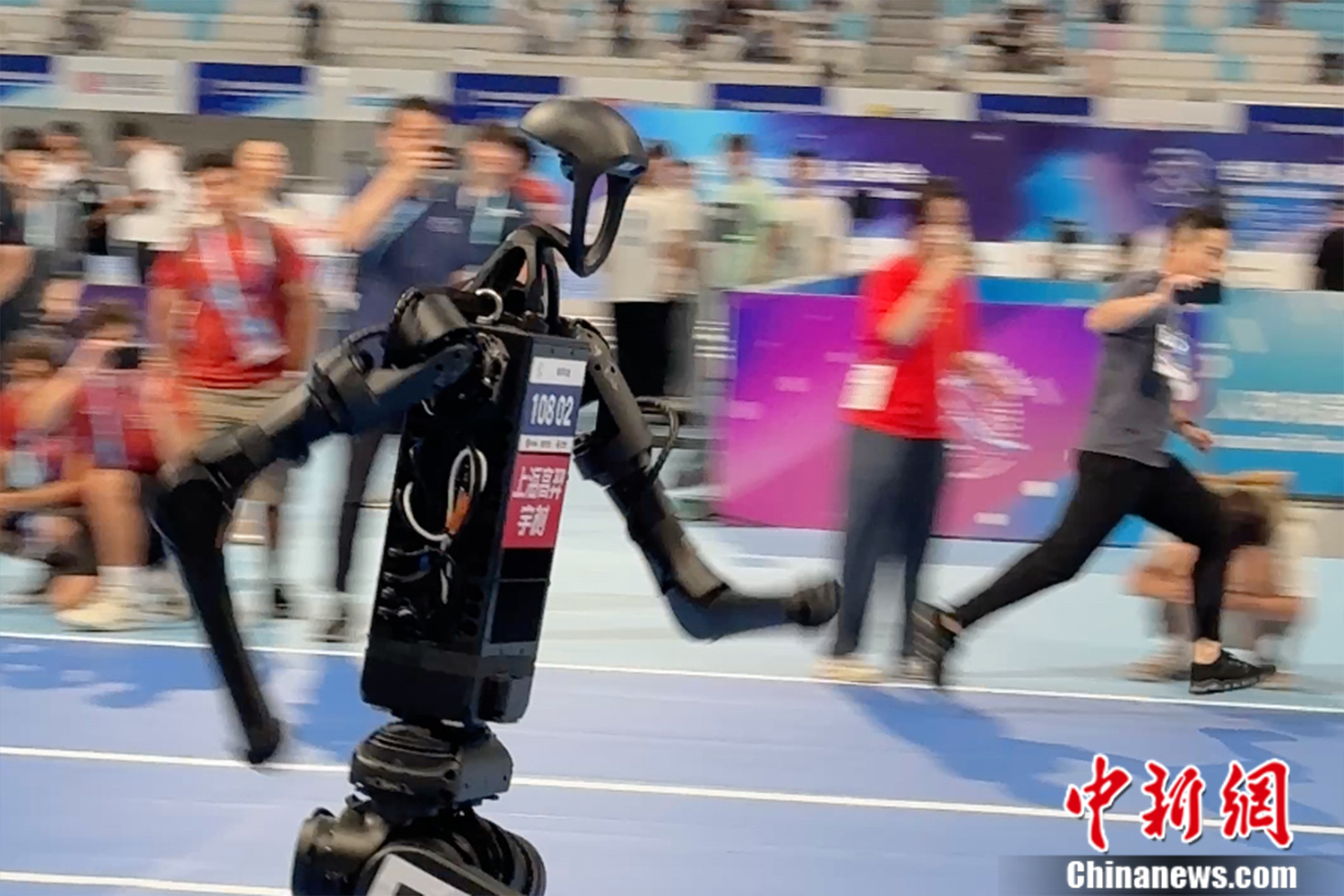
Group 1 - The World Robot Conference and Humanoid Robot Games held in Beijing have garnered significant public attention, showcasing the capabilities of humanoid robots in sports and performance [1] - The "Galaxy Space Capsule," a robot-operated convenience store, has achieved full autonomous service, with plans for expansion into popular commercial areas [2] - Companies like Songyan Power and Zhiyuan Robotics are ramping up production capabilities, with Songyan aiming for 200 units of delivery capacity by August [2] Group 2 - The humanoid robot industry is accelerating towards commercialization, with many companies transitioning from prototype demonstrations to small-scale deliveries [2] - The future of robotics may not be limited to humanoid forms, as various shapes and designs could emerge to better serve different functions [3][5] - Current humanoid robots are primarily designed for data collection and AI training, but the definition of "robot" is expanding to include non-humanoid forms that are more efficient in specific applications [5] Group 3 - Despite some companies receiving large-scale orders, the adoption of humanoid robots in everyday life remains slow, with over 70% of disclosed orders coming from educational and research institutions [6] - Key challenges facing the mass adoption of humanoid robots include operational capabilities, generalization abilities, and cost control [6] - The industry faces a significant data issue, as limited data and simulation capabilities hinder the development of versatile robots for various applications [6] Group 4 - Predictions suggest that within three years, household humanoid robots could perform simple tasks like conversation and dog walking, while more complex tasks may take 5 to 10 years to achieve [7]
北京机器人为何更聪明自主?
Bei Jing Qing Nian Bao· 2025-08-25 18:23
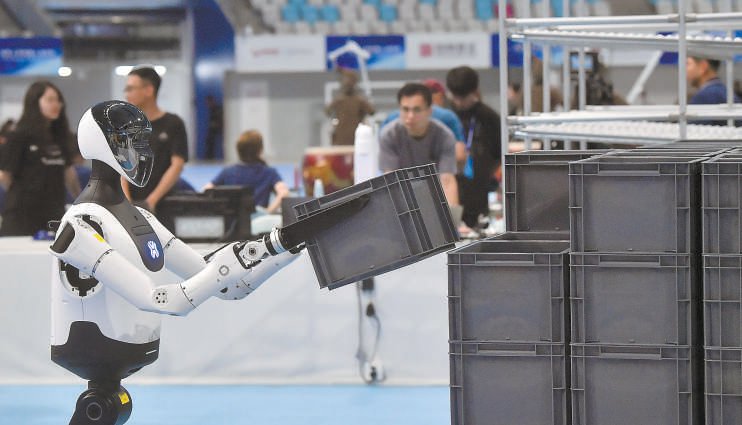
Core Insights - The first World Humanoid Robot Games showcased significant advancements in embodied intelligence technology, demonstrating robots' ability to perform autonomously in dynamic environments, moving beyond simple programmed actions and remote control [2][3] - Beijing's humanoid robot industry is leading nationally, accounting for approximately one-third of the country's market, with a nearly 40% revenue growth in the first half of the year [3][4] - The event highlighted the potential of humanoid robots to transition from being perceived as toys to valuable productivity tools, with several teams achieving success in various competitions without human intervention [3][4] Industry Developments - The competition featured 26 events, with Beijing teams winning 11 gold medals, including in sprinting, high jump, long jump, gymnastics, and soccer, showcasing the city's prowess in robot development [2][3] - The embodied Tian Gong Ultra robot completed the 100-meter sprint autonomously, marking a significant achievement in robot performance, while the T1 robot was designated as the official machine for soccer competitions [3][4] - The event also included practical applications such as sorting tasks, demonstrating the robots' capabilities in real-world scenarios [2][3] Technological Advancements - The robots' performance is driven by advanced AI models that enable them to perceive their environment, make decisions, and execute actions, akin to human cognitive functions [4] - The integration of AI and robotics is a key focus area, with Beijing being recognized as a hub for AI innovation, housing a significant number of AI companies and top-tier talent [4] - The upcoming year 2025 is anticipated to be a pivotal moment for humanoid robot mass production, with many core technologies reaching commercial viability [4] Market Trends - There is a growing demand for humanoid robots in various sectors, driven by the need for alternative labor and smart upgrades, supported by favorable policies for the robotics industry [4] - Investment in the humanoid robot sector is increasing, with significant funding directed towards core components and embodied intelligence applications [4] - The successful demonstration of autonomous robots in competitive settings is expected to accelerate their adoption in industrial, public service, and educational contexts [4]
英伟达重大发布,人形机器人「新大脑」要来了
2 1 Shi Ji Jing Ji Bao Dao· 2025-08-25 02:16
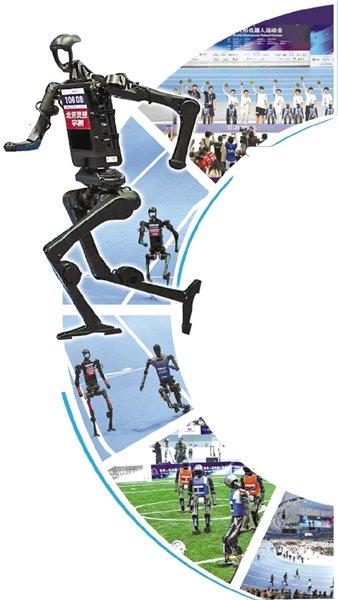
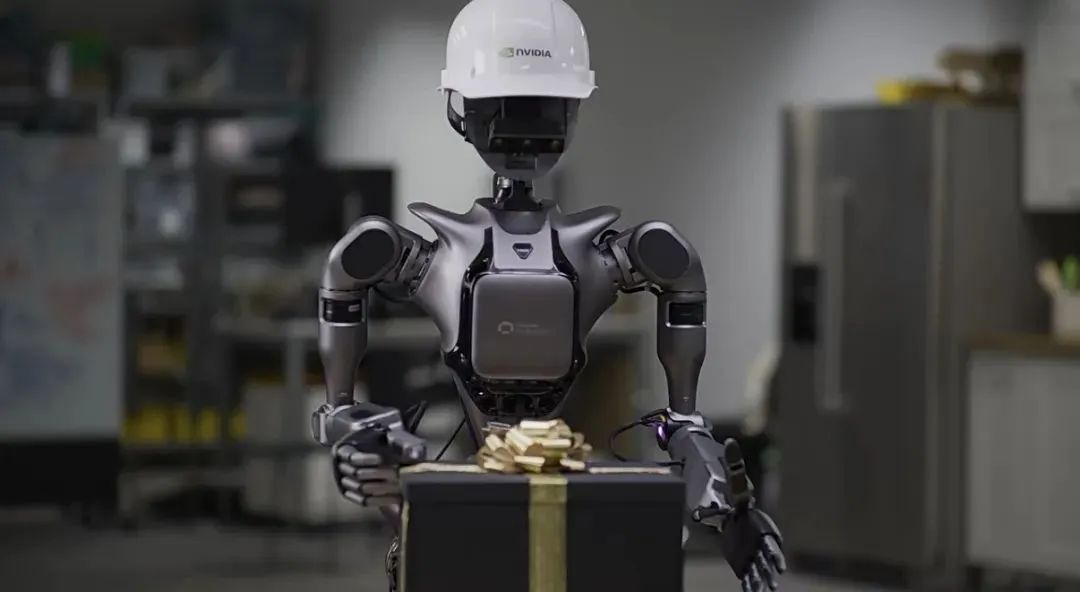
Group 1 - Nvidia is set to unveil its latest humanoid robot technology, referred to as the "new brain" for robots [1][3] - The product launch was teased with a social media post featuring a black gift box and a signed card from founder Jensen Huang [2] - The new brain is designed to enhance the capabilities of various humanoid robots, as indicated by the presence of multiple arm models in the promotional video [5][6] Group 2 - At the recent SIGGRAPH conference, Nvidia introduced the NVIDIA Omniverse library and NVIDIA Cosmos foundational model to accelerate robot solution development [8] - The Cosmos Reason is a new open-source, customizable 70 billion parameter reasoning VLM aimed at enabling robots to understand and interact with the physical world like humans [8] - Nvidia's collaboration with leading Chinese robotics companies, such as Fourier and others, highlights the strong potential of China's robotics industry [9] Group 3 - Nvidia is scheduled to release its Q3 financial report, which is anticipated to stabilize market concerns regarding AI spending [10][11] - Analysts remain optimistic about Nvidia's performance, with at least nine analysts raising their target prices recently, indicating a potential upside of approximately 9% [11] - Melius Research predicts Nvidia's market value could reach $9 trillion by 2030, driven by significant demand for AI infrastructure [11]

英伟达重大发布,人形机器人“新大脑”要来了
2 1 Shi Ji Jing Ji Bao Dao· 2025-08-25 00:14
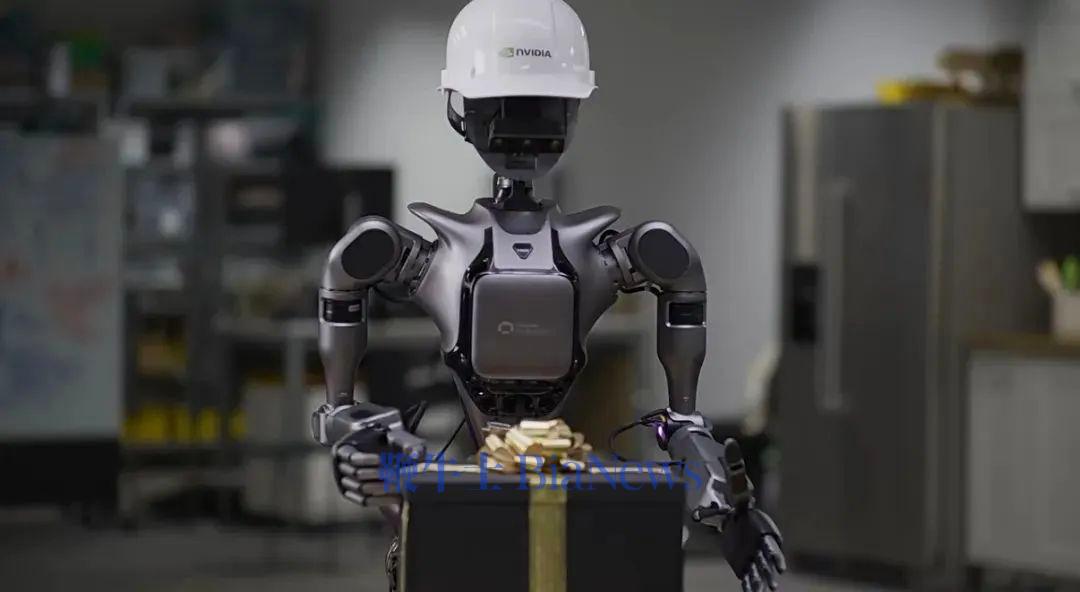
Group 1 - Nvidia is set to unveil its latest humanoid robot technology, referred to as the "new brain" for robots, with a promotional teaser featuring a signed card from founder Jensen Huang [1][4] - The new brain is designed to enhance the capabilities of humanoid robots, with indications that it is compatible with various models, as demonstrated in a promotional video [3][4] - Nvidia has launched new tools like the NVIDIA Omniverse library and NVIDIA Cosmos, aimed at accelerating the development and deployment of robotic solutions, including a new open-source model for physical AI [4] Group 2 - Nvidia is collaborating with several prominent Chinese robotics companies, including Fourier and others, to develop advanced robotic products, highlighting China's unique capabilities in cost-effective and efficient robot manufacturing [5] - Nvidia is expected to release its Q3 financial report soon, with market participants hoping for results that will stabilize concerns regarding AI spending and confirm the recent stock market rebound [6] - Analysts remain optimistic about Nvidia's stock, with recent target price increases suggesting a potential upside of approximately 9%, and predictions of Nvidia's market valuation reaching $9 trillion by 2030 based on AI infrastructure demand [6]
英伟达重大发布,人形机器人“新大脑”要来了
21世纪经济报道· 2025-08-25 00:11
Group 1 - Nvidia is set to unveil a new humanoid robot "brain" product, with a promotional video featuring founder Jensen Huang encouraging users to "enjoy" their new brain [1][3] - The new brain is designed to be compatible with various humanoid robots, as indicated by the appearance of multiple arm models in the promotional video [3] - Nvidia is intensifying its focus on robotics, having launched new tools like the NVIDIA Omniverse library and NVIDIA Cosmos, which aim to accelerate the development and deployment of robotic solutions [5] Group 2 - Nvidia's upcoming Q3 earnings report is highly anticipated, with traders hoping it will stabilize market concerns regarding AI spending and confirm that the recent stock market rebound is not another tech bubble [7] - Analysts on Wall Street remain optimistic about Nvidia, with at least nine analysts raising their target prices in the past week, now averaging over $194, indicating a potential upside of about 9% from the previous closing price [7] - Nvidia has become the first company to reach a valuation of $4 trillion, with projections suggesting it could reach $9 trillion by 2030, driven by significant demand for AI infrastructure [7]
「只参与,不参赛」奖牌数却仅次于宇树,这个幕后玩家如何做到的?
机器之心· 2025-08-23 10:51
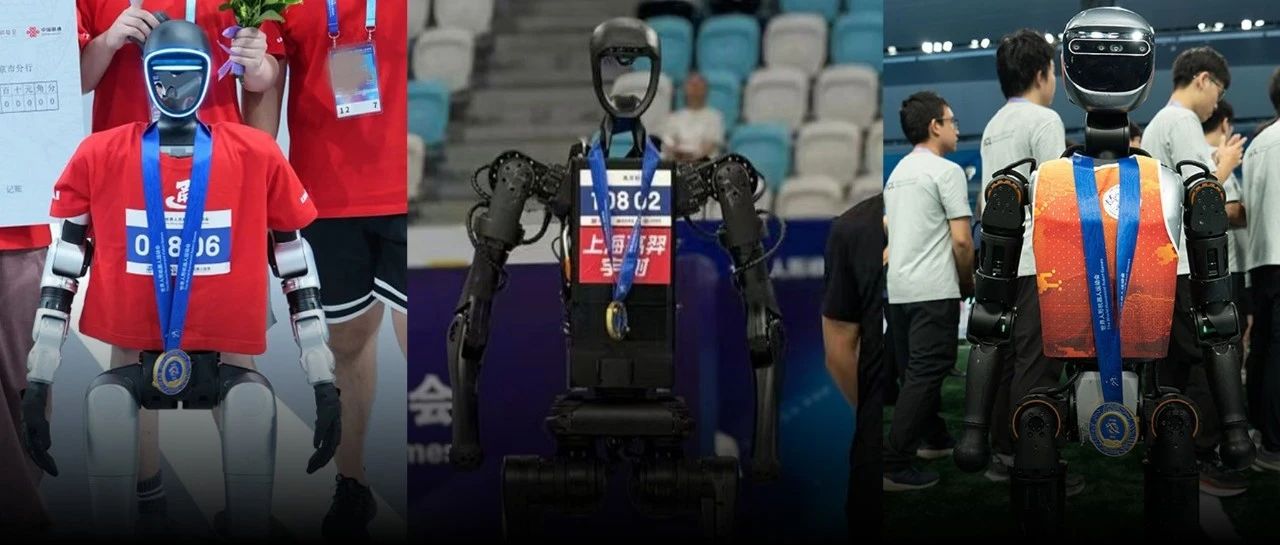
Core Viewpoint - The article highlights the emergence of "Accelerated Evolution" as a significant player in the humanoid robotics industry, showcasing its innovative approach and competitive edge against established companies like "Yushu Technology" [1][12][30]. Group 1: Competition and Achievements - The 2025 World Humanoid Robot Games showcased a mix of humor and advanced technology, with robots competing in various events, including soccer [1]. - Yushu Technology's robots, G1 and H1, won the most medals, while the startup "Accelerated Evolution" with its T1 robot secured the third most medals [3][4]. - In the pure AI soccer project, teams predominantly used the T1 robot, indicating its dominance and the shift towards a standardized platform for competition [5][6]. Group 2: Technological Philosophy - Accelerated Evolution focuses on a "product + ecosystem" strategy, emphasizing the development of a robust developer ecosystem rather than just competing on product features [12][25]. - The company prioritizes enhancing the physical capabilities of robots before integrating advanced AI, contrasting with the industry trend of rapidly deploying AI models [17][18]. - The choice of soccer as a testing ground allows for the development of practical skills applicable in real-world scenarios, such as dynamic balance and autonomous decision-making [24]. Group 3: Market Position and Strategy - Accelerated Evolution aims to establish itself as a platform company in the humanoid robotics field, akin to Apple's ecosystem, by providing a comprehensive platform for developers [25][29]. - The company has achieved significant production capabilities, delivering hundreds of robots within a year and maintaining a strong market presence [35][36]. - The team comprises experts from top institutions and tech companies, combining hardware expertise with software development skills, which enhances its competitive advantage [36][37]. Group 4: Future Outlook - The humanoid robotics market in China is projected to grow significantly, with estimates reaching 6 trillion yuan by 2050, indicating vast potential for companies like Accelerated Evolution [37][38]. - The company is positioned to tap into various market segments, including education, research, and home assistance, aiming for a comprehensive approach to robotics [38][41]. - The ongoing evolution in the robotics field suggests that Accelerated Evolution is not just competing for medals but is also focused on shaping the future of personal robotics [44].
机器人运动会,投资人如何复盘?
3 6 Ke· 2025-08-21 07:51
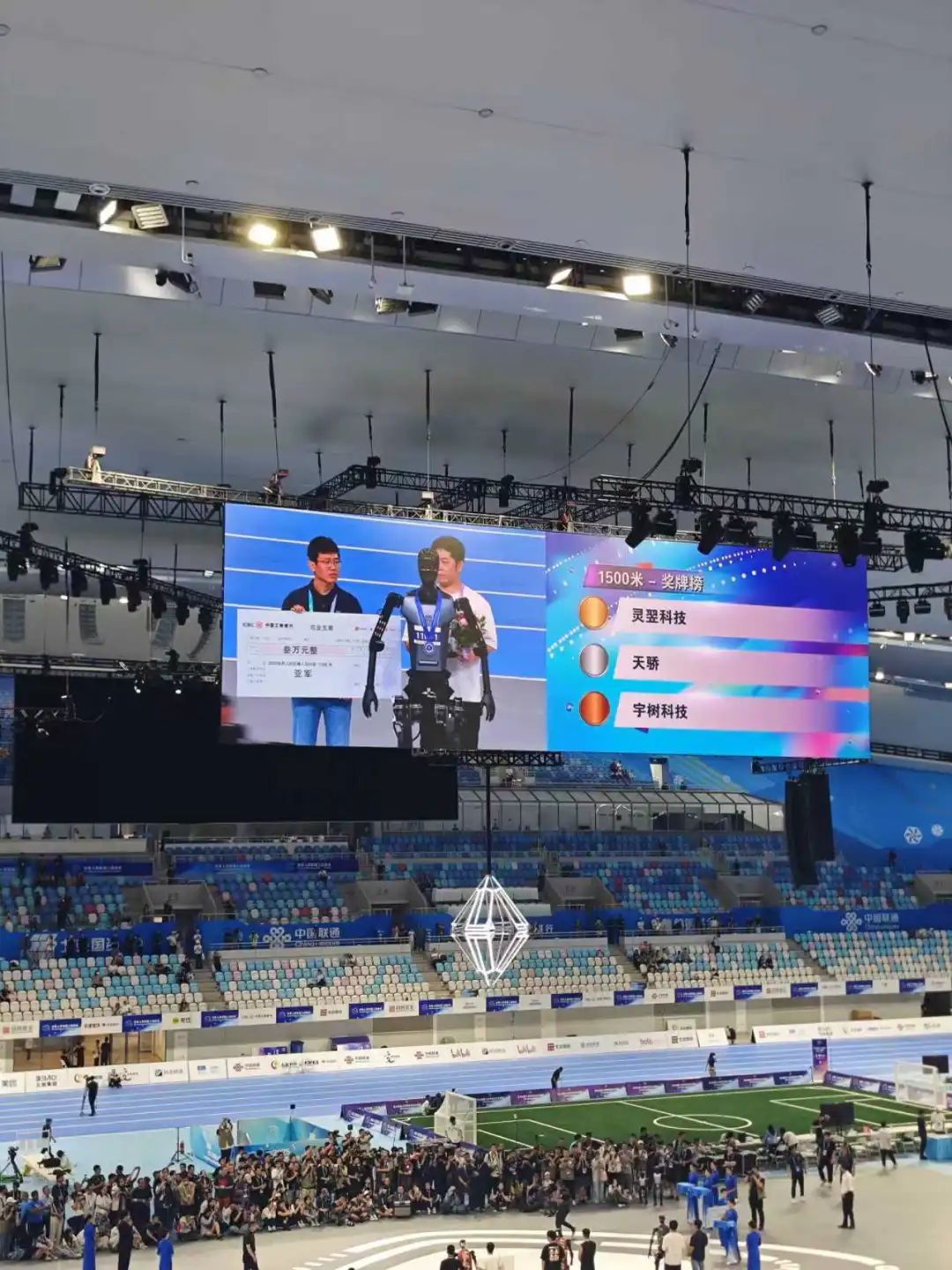
在刚刚落下帷幕的世界首个人形机器人运动会,来自五大洲16个国家的280支队伍,在竞技赛、表演赛、场景赛、外围赛等共26个赛项中展开了487场比 拼,产生了26枚金牌。 从田径赛场的激烈角逐,到足球、格斗等项目的趣味对抗,再到贴近真实应用的场景赛,北京人形机器人创新中心、银河通用、宇树科技、加速进化、松 延动力、星动纪元、星海图、千诀科技等头部人形机器人企业,展现了人形机器人在全自主导航、运动控制、场景适应等方面的技术突破与发展潜力。 然而,这场运动会的意义不止于赛场上的精彩瞬间。为了复盘赛事,创投日报记者采访了众多机器人企业、高校和科研团队、投资人等,试图呈现来自最 前沿的产业观察。 赛后复盘可以看到几个明显趋势:在技术层面,人形机器人在动态平衡、环境感知和多机协同等方面仍存在不足,比赛中频繁出现摔倒、动作失误、反应 迟缓等情况,但也因此明确了后续研发的方向。 众多参赛团队在赛后交流中对创投日报记者表示,未来将加大在传感器、算法和硬件设计上的投入。同时,全自主导航和运动控制被普遍视为研发重点。 具身天工Ultra在田径项目中完成全程自主奔跑的表现,让更多团队看到了这一方向的可行性与潜力。 从商业角度看,机器人 ...
这一次带领中国足球夺冠的是机器人
Xin Jing Bao· 2025-08-19 23:58
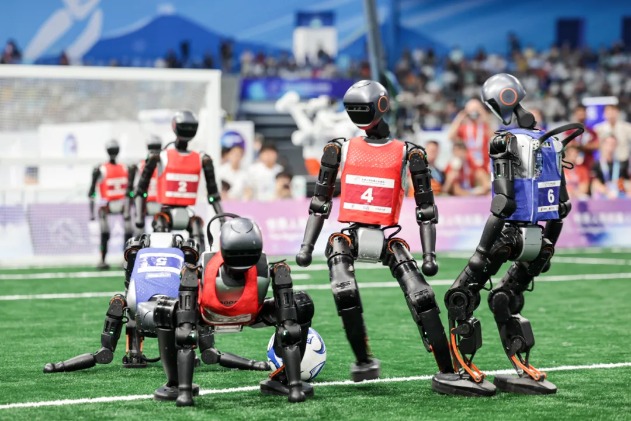
比赛没有遥控,全程由机器人自主决策。各队使用同型号机器人,胜负的关键在于谁能赋予机器更强大 的"智慧"。与人类球员相比,这些机械球员的动作仍显笨拙:它们时而犹豫迟疑,时而"彬彬有礼",频 繁跌倒碰撞,常常迷失方向。 足球,这项承载着人类最炽热情感的运动,由汗水、嘶吼、狂喜编织的战场,正被这群特殊的球员重新 定义。当冰冷的算法与精密的程序,试图在绿茵场上复刻人类最本能的激情与创造力,一场关于未来、 智能边界的探索,正在悄然上演。 ▲决赛中,火神队身穿红色战衣的机器人被撞倒后撑地起身,旁边的机器人像是在"看"它。新京报记者 王子诚摄 不能穿白色鞋子的赛场 当十台机器人踏着整齐的步伐从边界线列队入场时,国家速滑馆"冰丝带"的地面开始震颤。它们屈膝向 前,面无表情,一言不发,唯有电子眼中闪烁着对足球的"执着"。 这是机器人历史上首场5V5足球决赛。 身穿红色战衣的是清华大学火神队,身穿蓝色战衣的则是德国莱比锡应用科学大学HTWK队。两支劲旅 旗鼓相当,分别在今年7月的巴西机器人世界杯(RoboCup)摘得成人尺寸组与小型组的冠军。 8月17日下午,2025世界人形机器人运动会中,这场"王者对决"让场地上的紧张气氛到了 ...
每经热评丨人形机器人运动会启示:前沿技术走向大众需要催化剂
Mei Ri Jing Ji Xin Wen· 2025-08-19 15:07
Group 1: Core Insights - The first humanoid robot sports competition was held in Beijing, featuring 280 teams and over 500 humanoid robots from 16 countries, marking a significant step for humanoid robots from laboratory to real-world applications [1][2] - The event serves as a platform for technology exchange and validation, showcasing advancements in humanoid robotics, which integrates artificial intelligence and deep learning for autonomous decision-making and adaptive capabilities [1][2] - The competition highlights the current early-stage development of humanoid robot technology, allowing companies and research institutions to demonstrate their progress and identify areas for improvement [1][2] Group 2: Industry Impact - The robot sports competition acts as a crucial indicator for the global humanoid robot industry, attracting 192 university teams and 88 corporate teams, fostering a high-density gathering of technology, talent, and capital [2] - The event assesses not only individual robot performance but also the maturity of the entire ecosystem, including algorithm quality, hardware supply chain stability, and operational response speed, driving improvements across the industry [2] - Investors gain direct insights into the practical applications and market potential of the technology, while government entities can better understand industry trends to formulate targeted policies that support development [2] Group 3: Social Influence - The competition builds a bridge between the public and cutting-edge technology, providing a unique platform for 16 countries to compete, which enhances public understanding of humanoid robots [3] - Spectators can directly observe the advancements and potential of robot technology, which could lead to exponential growth in product orders once market expectations are met [3] - The competitive atmosphere and recognition system encourage young talent to engage in robotics research, accelerating talent cultivation and accumulation in the industry [3]