OPEC

Search documents
2026年原油价格怎么看
2026-02-03 02:05
Summary of Key Points from the Conference Call Industry Overview - The conference call primarily discusses the **oil industry**, focusing on **global oil prices**, **OPEC strategies**, and **U.S. shale oil production** dynamics. Core Insights and Arguments - **Oil Price Fluctuations**: Oil prices were temporarily pushed to $70 due to geopolitical events and cold weather, but the divergence in gold-oil and copper-oil ratios indicates a shift in market drivers. Gold is influenced more by U.S. dollar credit and central bank purchases, while copper benefits from AI and data center demand, unlike oil which has different demand elasticity [1][3][4]. - **U.S. Shale Oil Production Challenges**: U.S. shale oil production faces rising costs ($65-70 per barrel) and limited willingness to increase output due to constrained profit margins. Inventory wells have dropped to a ten-year low, indicating limited future production capacity without high oil prices to support it [5][6]. - **OPEC's Production Strategy**: OPEC plans to increase production after April 2025 to maintain market share, reflecting its flexibility in strategy. However, it prefers to maintain production cuts to support oil prices, with actual production increases being lower than announced [6][8]. - **Geopolitical Risks**: Geopolitical tensions, particularly involving Iran and Venezuela, could lead to short-term spikes in oil prices, potentially reaching $75 to $80 if significant supply disruptions occur. However, such scenarios are considered low probability, and prices are expected to revert to around $60 post-conflict [9][10]. - **Global Oil Demand Trends**: Global oil demand growth is slowing, with a notable divergence from GDP growth rates. Factors such as increased electrification and fuel efficiency are contributing to this trend. EIA forecasts suggest annual oil demand growth will fluctuate around 1 million barrels, supported by China's inventory replenishment starting in 2025 [11][12]. Other Important Insights - **Investment and Capital Expenditure Trends**: There is a significant reduction in the proportion of cash flow allocated for reinvestment, dropping from 70% to below 50%, which limits supply-side pressures even if oil prices remain high [8]. - **Market Dynamics**: The oil market is expected to exhibit a "top and bottom" pattern, with prices fluctuating between $60 and $65 per barrel in the coming years. Above $70, both OPEC and U.S. shale may increase production, while below $60, both will likely cut back to support prices [12].
Oil prices fall by 3% on US-Iran de-escalation
Reuters· 2026-02-01 23:20
Core Viewpoint - Oil prices experienced a decline of 3% on Monday, influenced by U.S. President Donald Trump's remarks indicating that Iran is "seriously talking" with Washington, which suggests a potential de-escalation of tensions with an OPEC member [1] Group 1 - The drop in oil prices is attributed to geopolitical developments, specifically the dialogue between the U.S. and Iran [1] - The market reacted to the news of potential diplomatic engagement, reflecting investor sentiment regarding oil supply stability [1] - The situation highlights the interconnectedness of geopolitical events and oil market dynamics, particularly involving OPEC nations [1]

原油月报:地缘扰动推升油价,警惕地缘风险溢价回落-20260130
Zhong Hang Qi Huo· 2026-01-30 12:06
1. Industry Investment Rating - Not mentioned in the report 2. Core Viewpoints - Geopolitical risks are the core factors affecting the crude oil market. The escalation of US - Iran tensions may lead to supply disruptions and drive up oil prices. If the situation eases, the risk premium in oil prices may quickly disappear. The upside of oil prices may be limited if the situation does not further escalate, but short - term pulse - type price increases may occur due to unexpected events. It is recommended to track geopolitical developments [54] 3. Summary by Directory 3.1 Market Review - In January, the crude oil market was strong under geopolitical influence. At the beginning of the month, the US raid on Venezuela and the detention of President Maduro raised concerns about supply disruptions, supporting short - term price increases. Then, the US hinted at relaxing sanctions on Venezuela, causing a drop in oil prices. Subsequently, rising Middle - East geopolitical risks, such as Trump's military threat to Iran and the deployment of US warships, pushed up oil prices again [7] 3.2 Macroeconomic Analysis 3.2.1 Geopolitical Tensions - The US detained Venezuelan President Maduro and his wife. A large number of US military planes flew to Europe, and Iran strengthened its combat readiness. Trump is considering new major strikes against Iran. As the US completes military deployment in the Middle East, the risk of intensified geopolitical tensions is rising. The way of US military intervention will determine the impact on oil prices [10] - The US, Russia, and Ukraine held their first tripartite talks, but there were still significant differences on the issue of Ukrainian territory. The situation is expected to continue with a combination of fighting and negotiation, and the direct impact on oil prices is currently limited [11] 3.2.2 OPEC+ Production Policy - OPEC+ continued to suspend production increases in January and reaffirmed the plan to pause production increases in the first quarter. The total OPEC+ crude oil production in December decreased compared to November. The suspension of production increases and over - quota cuts support oil prices. Attention should be paid to the potential impact of rising oil prices and Middle - East tensions on OPEC+ production policies [14] 3.2.3 Federal Reserve Policy - The Federal Reserve paused interest rate cuts, but there were internal disagreements. The Fed upgraded its assessment of the US economy. Powell said that interest rate cuts depend on the labor market. Although the market has priced in the pause of rate cuts, expectations of future rate cuts may rise due to Trump's potential appointment of a new Fed chairman [17] 3.3 Supply - Demand Analysis 3.3.1 Supply - OPEC's crude oil production increased in December, but the growth rate slowed down. After the end of the first - quarter production - increase suspension, attention should be paid to changes in OPEC+ production policies [18] - US crude oil production decreased from the previous month as of January 23, and is expected to remain stable at a high level [21] - The number of US oil rigs decreased slightly, and it is expected to remain at a low level [24] 3.3.2 Demand - In December, the US manufacturing PMI decreased and was below the boom - bust line, which suppressed crude oil demand to some extent. The US refinery utilization rate decreased seasonally, but is expected to rise in the second quarter [26][31] - In December, China's manufacturing PMI increased and was above the boom - bust line. The production side was relatively stable, but the demand side was weak. The operating rates of Chinese refineries showed a differentiation trend, and overall domestic crude oil consumption is expected to slightly improve [39][43] 3.3.3 Inventory - The US EIA crude oil inventory faced the pressure of seasonal accumulation. The Cushing crude oil inventory decreased slightly, and the gasoline inventory reached an inflection point [48][52]
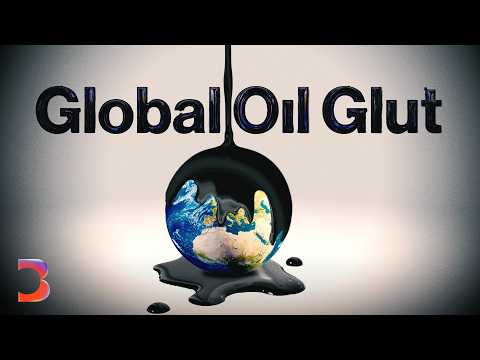
Why the World Is Awash With Cheap Oil
Bloomberg Originals· 2026-01-30 09:00
This is oil. Well, actually, this is a mixture of black trial and vegetable glycerin, but it looks like oil. And while the real thing is being thrown around by geopolitical tumult from Iran to Venezuela, you can still buy a lot for comparatively little.>> The early days of 2025, oil prices were closer to $80 a barrel. >> Since then, there have been slumps and spikes. But still, an ounce of silver is now worth more than a barrel of oil.>> And the price of crude would be even lower if China hadn't soaked some ...
Iran is not a major oil producer, but it still moves prices. Here's why
CNBC· 2026-01-23 17:34
Core Viewpoint - Oil prices are rising due to renewed threats from President Trump against Iran, raising concerns about potential supply disruptions in the oil market [1][2]. Group 1: Oil Production and Supply - Iran produces approximately 3.4 million barrels of oil per day, which is significantly lower than the U.S. and Saudi Arabia, producing about 13.5 million and 9.5 million barrels per day, respectively [1]. - OPEC and its allies, responsible for about 40% of global oil production, increased their output last year, which has reduced spare capacity in the market [4]. Group 2: Market Reactions and Concerns - Recent protests in Iran, triggered by the decline of the rial currency and Trump's military action suggestions, have created anxiety in energy markets, with experts noting that "oil markets are moving on fear" [2]. - The potential for a confrontation between the U.S. and Iran could lead to a significant loss of Iranian oil exports, which would be difficult to replace due to limited spare capacity in OPEC [5]. Group 3: Strategic Importance of Iran - Iran's geographical location is critical, particularly regarding the Strait of Hormuz, a major chokepoint for oil transportation, through which about 20% of global crude flows [6]. - Historical context includes Iran's previous attacks on oil tankers in the Strait of Hormuz, raising concerns about the security of oil supply routes [6]. Group 4: Sanctions and Economic Impact - Existing sanctions on Iran have already affected its crude oil exports, with most of its oil being sold to independent Chinese refiners at discounted prices [7]. - The effectiveness of sanctions in influencing Iranian policy is questioned, as the current market dynamics may limit their impact [8].
长安期货范磊:战争锚点不定,油价可关注中长期动向
Xin Lang Cai Jing· 2026-01-16 01:24
Financial Attributes - The US December CPI increased by 2.7% year-on-year, remaining unchanged from November, while the core CPI rose by 2.6%, also consistent with the previous month. Both figures fell below market expectations, leading to a resurgence in interest rate cut expectations for April, although January's expectations remain low [3][12] - The market consensus indicates that no rate cut is expected in January, with April's cut supported by the CPI data decline. There is a divergence in expectations for rate cuts in April and June, with a potential focus on June if April cuts occur [3][12] Political Attributes - Tensions between the US and Venezuela are easing, with the market absorbing the impact of the US capturing Maduro. Despite Maduro's resistance, the export of oil products to the US is likely to continue, and further US control over Venezuela's oil industry may occur [4][13] - The US-Iran relationship is under scrutiny due to internal political unrest in Iran, with potential military actions from the US causing oil prices to rise. However, recent statements from Trump and Israel suggest a pause in military actions, leading to a price correction. Iran's significance in the oil market is highlighted, with potential for greater price volatility depending on geopolitical developments [4][13] Fundamental Attributes - OPEC and EIA reports indicate that OPEC+ production in December was 78.3 thousand barrels per day below planned levels, with actual production at 37.44 million barrels per day against a target of 38.22 million barrels per day. OPEC member production was 23.17 million barrels per day, 6.1% below quota levels, indicating a preparation for the January production cuts [6][15] - Despite OPEC+ production cuts, non-OPEC countries like the US, Brazil, and Canada maintain high production levels, which may not fully offset the supply surplus in the market. OPEC maintains its consumption growth forecast for this year while raising expectations for next year, indicating optimism about long-term fuel consumption driven by global economic recovery [6][15] - EIA's report slightly raised oil price expectations due to technical adjustments rather than a shift in market outlook, suggesting that production surplus and inventory accumulation remain detrimental to price recovery. The IEA's upcoming report is expected to align with EIA's view on weak demand [6][15] Overall Market Outlook - Recent oil price volatility is attributed to geopolitical uncertainties, with supply-side looseness and weak demand recovery contributing to ongoing price pressure. The market anticipates rate cuts in April or June, with macroeconomic pressures likely to persist unless US tariff policies change [10][19] - The US-Iran relationship is a critical factor influencing oil prices, with potential military actions leading to rapid price increases, while negotiations could reduce geopolitical risk premiums. Overall, geopolitical factors will continue to play a significant role in oil price trends, with supply-side pressures likely to keep prices subdued unless unexpected developments occur [10][19]

OPEC regains share in India as Russian oil imports slump in December
Reuters· 2026-01-15 15:50
Core Insights - India's Russian oil imports decreased to the lowest level in two years in December due to Western sanctions, prompting refiners to seek alternative sources [1] - OPEC's share of India's oil imports rose to an 11-month high as a result of the shift away from Russian oil [1] Industry Impact - The decline in Russian oil imports indicates a significant shift in India's energy sourcing strategy, influenced by geopolitical factors [1] - The increase in OPEC's share suggests a potential strengthening of OPEC's position in the Indian market, which may lead to changes in pricing and supply dynamics [1]
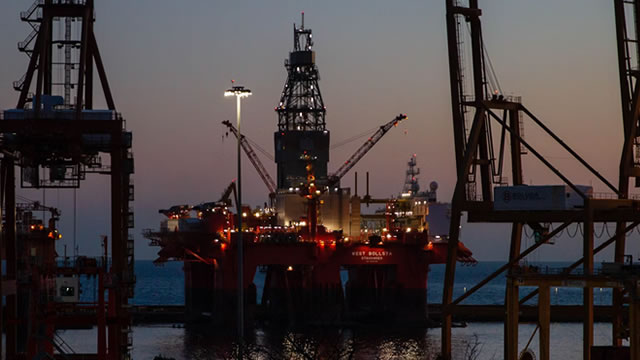
Oil falls nearly 2% after Trump signals he could hold off on attacking Iran
CNBC· 2026-01-14 20:54
Group 1 - Oil prices fell more than 2% following President Trump's indication that he might not attack Iran, with U.S. crude oil dropping by $1.81 (2.96%) to $59.34 per barrel and Brent crude decreasing by $1.84 (2.81%) to $63.63 per barrel [1][2] - The oil market reacted positively to Trump's comments about the cessation of killings in Iran, interpreting them as a sign that military action may not be imminent [2] - Iran, as a significant crude oil producer and OPEC member, is under scrutiny as social unrest could potentially disrupt oil supplies, especially with reports of large-scale demonstrations and government crackdowns [3]
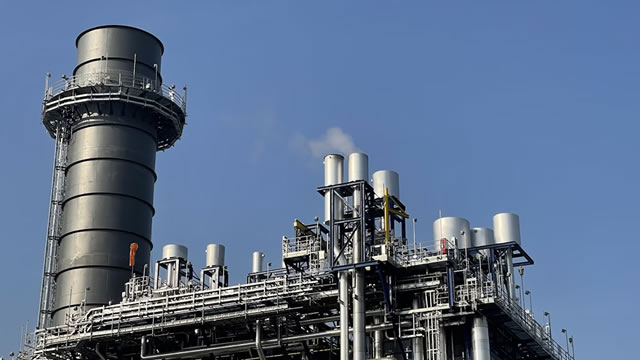
OPEC's First Look at 2027 Signals Steady Oil-Demand Growth
WSJ· 2026-01-14 13:57
Core Viewpoint - The cartel anticipates an increase in demand by 1.34 million barrels per day for the next year, which is slightly lower than its forecast for 2026 [1] Group 1 - The projected demand rise indicates a continuing recovery in the oil market [1] - The estimate reflects the cartel's assessment of global economic conditions and consumption trends [1]
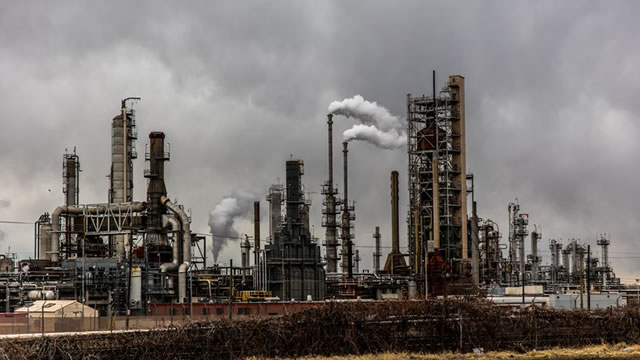
Russian oil output edges down 0.7% in 2025, OPEC data shows
Reuters· 2026-01-14 13:14
Core Insights - Russian oil production decreased by approximately 0.7% in the previous year, reaching 9.129 million barrels per day according to OPEC monthly data [1] Industry Summary - The decline in Russian oil production indicates a slight contraction in output, which may have implications for global oil supply dynamics [1] - The reported production level of 9.129 million barrels per day reflects ongoing challenges within the Russian oil sector [1]