青岛银行

Search documents
青岛银行发布2025年度业绩快报 归母净利润51.88亿元 同比增加21.66%
Zhi Tong Cai Jing· 2026-01-28 09:28
青岛银行(002948)(03866)发布2025年度业绩快报,营业收入145.73亿元人民币,同比增加7.97%;归属 于母公司股东的净利润51.88亿元,同比增加21.66%;基本每股收益0.85元。 2025年,是"十四五"规划收官之年,也是青岛银行三年战略规划决胜之年。本公司坚定不移贯彻党中 央、国务院和省市各项决策部署,扎根本地、服务实体,奋力书写金融"五篇大文章",按照"专业提 升、数智赋能、体系优化、特色驱动"的年度经营指导思想,紧扣高质量发展主题,纵深推进战略执 行,全面落实各项经营管理工作,经营业绩实现"稳中有进、进中提质"。 经营规模稳步增长。截至2025年末,本公司资产总额8149.60亿元,比上年末增加1249.97亿元,增长 18.12%,其中,客户贷款总额3970.08亿元,比上年末增加563.19亿元,增长16.53%;负债总额7647.06亿 元,比上年末增加1196.42亿元,增长18.55%,其中,客户存款总额5028.99亿元,比上年末增加708.75 亿元,增长16.41%。 资产质量迈上新台阶。不良贷款实现额率"双降",不良贷款率降至1.00%以下。截至2025年末, ...
青岛银行(03866.HK)业绩快报:2025年归母净利润51.88亿元 同比增长21.66%
Ge Long Hui· 2026-01-28 09:25
截至2025年末,公司不良贷款余额38.41亿元,比上年末减少0.32亿元,不良贷款率0.97%,比上年末下 降0.17个百分点。拨备覆盖率292.30%,比上年末提高50.98个百分点。 格隆汇1月28日丨青岛银行(03866.HK)发布2025年度业绩快报,2025年,公司归属于母公司股东的净利 润51.88亿元(人民币,下同),比上年增加9.24亿元,增长21.66%;营业收入145.73亿元,比上年增加 10.75亿元,增长7.97%;加权平均净资产收益率12.68%,比上年提高1.17个百分点。 ...
青岛银行(03866) - 2025年度业绩快报
2026-01-28 09:21
香港交易及結算所有限公司及香港聯合交易所有限公司對本公告的內容概不負責,對其 準確性或完整性亦不發表任何聲明,並明確表示,概不對因本公告全部或任何部份內容 而產生或因倚賴該等內容而引致之任何損失承擔任何責任。 Bank of Qingdao Co., Ltd.* * H 3866 | | 2025年 | 2024年 | 增減變動幅度 | | --- | --- | --- | --- | | 項目 | (未經審計) | (經審計) | (%) | | 營業收入 | 14,572,778 | 13,497,534 | 7.97 | | 營業利潤 | 6,229,062 | 4,982,867 | 25.01 | | 利潤總額 | 6,243,835 | 4,995,129 | 25.00 | | 歸屬於母公司股東的淨利潤 | 5,187,741 | 4,264,120 | 21.66 | | 扣除非經常性損益後歸屬於母公 | 5,157,447 | 4,166,554 | 23.78 | | 司股東的淨利潤 | | | | | 基本每股收益(1)(元╱股) | 0.85 | 0.69 | 23.19 | | 加 ...
青岛银行:2025年净利润增长21.66%
Mei Ri Jing Ji Xin Wen· 2026-01-28 09:13
每经AI快讯,1月28日,青岛银行(002948.SZ)公告称,青岛银行发布2025年度业绩快报,营业收入和净 利润均实现增长。其中,营业收入达到145.73亿元,同比增长7.97%;归属于母公司股东的净利润为 51.88亿元,同比增长21.66%。此外,该行不良贷款率降至0.97%,拨备覆盖率提升至292.30%,资产质 量显著改善。 ...
青岛银行:2025年归母净利润51.88亿元 同比增长21.66%
Xin Lang Cai Jing· 2026-01-28 09:03
1月28日金融一线消息,青岛银行发布业绩快报,2025年度营业收入145.73亿元,同比增长7.97%;归母 净利润51.88亿元,同比增长21.66%。2025年末,资产总额8149.6亿元,同比增长18.12%;不良贷款率 0.97%,比上年末下降0.17个百分点。 | | | 除特别说明外,金额单位为人民币千元 | | | --- | --- | --- | --- | | 项目 | 2025 年 | 2024 年 | 增减变动幅度 | | | (未经审计) | (经审计) | (%) | | 营业收入 | 14,572,778 | 13,497,534 | 7.97 | | 营业利润 | 6,229,062 | 4.982.867 | 25.01 | | 利润息额 | 6.243.835 | 4,995,129 | 25.00 | | 归属于母公司股东的净利润 | 5,187,741 | 4.264.120 | 21.66 | | 扣除非经常性损益后归属于母公 司股东的净利润 | 5.157.447 | 4,166,554 | 23.78 | | 基本每股收益()(元/股) | 0.85 | 0.69 ...

青岛银行:2025年度归母净利润51.88亿元,同比增长21.66%
Xin Lang Cai Jing· 2026-01-28 09:03
青岛银行1月28日发布的2025年度业绩快报显示,公司报告期内实现营业总收入145.73亿元,同比增长 7.97%;归属于上市公司股东的净利润51.88亿元,同比增长21.66%;基本每股收益0.85元。 ...
青岛银行(002948) - 2025 Q4 - 年度业绩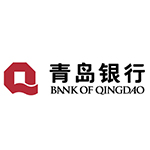
2026-01-28 09:00
证券代码:002948 证券简称:青岛银行 公告编号:2026-002 青岛银行股份有限公司 2025 年度业绩快报 本行及董事会全体成员保证公告内容的真实、准确和完整,没有虚假记载、误导性陈 述或者重大遗漏。 特别提示:本公告所载2025年度的财务数据仅为根据中国企业会计准则初步核 算的集团口径数据,未经会计师事务所审计,与2025年度报告中披露的最终数据可 能存在差异,请投资者注意投资风险。 一、2025年度主要财务数据和指标 | | | | | | 除特别说明外,金额单位为人民币千元 | | | | | --- | --- | --- | --- | --- | --- | --- | --- | --- | | 项目 | 2025 年 | | | 2024 年 | | | 增减变动幅度 | | | | (未经审计) | | | (经审计) | | | (%) | | | 营业收入 | 14,572,778 | | | 13,497,534 | | | | 7.97 | | 营业利润 | 6,229,062 | | | 4,982,867 | | | | 25.01 | | 利润总额 | 6,243,8 ...
一文纵览全国分省份财政社融特征
GF SECURITIES· 2026-01-28 07:49
Investment Rating - The industry investment rating is "Buy" [2] Core Insights - The average narrow deficit ratio for all provinces in 2024 is 16.4%, and the average broad deficit ratio is 20.0%, both at relatively low levels since 2010. The average debt ratio stands at 357.0%, which has been on the rise since 2016 [5] Summary by Sections Regional Finance - The average tax revenue ratio across provinces is 67.2% in 2024, showing a year-on-year decline of 2.7%. The overall trend indicates a decrease in tax revenue reliance [20][26] - The average fiscal self-sufficiency rate for all provinces is 43.9% in 2024, reflecting a continuous decline since 2013 [17][19] - The government fund budget, which accounts for 20% of fiscal revenue, has seen a revenue decline of 14.2% year-on-year in 2024, primarily due to the downturn in the real estate market [27][28] Regional Social Financing - The new social financing has shown significant differentiation, with a notable concentration in economically developed eastern regions. Approximately 60% of the new social financing increment from 2020 to 2024 has been directed towards eastern regions, although this percentage has been gradually declining [5] - In 2024, the marginal contribution of government financing has increased, while corporate financing has decreased. The contribution of government departments to new loans is 69.1%, while corporate and household contributions are 34.7% and 24.8%, respectively [5][19]



增资“补血”与减资“瘦身”并行,中小银行加速优化资本结构
2 1 Shi Ji Jing Ji Bao Dao· 2026-01-28 06:16
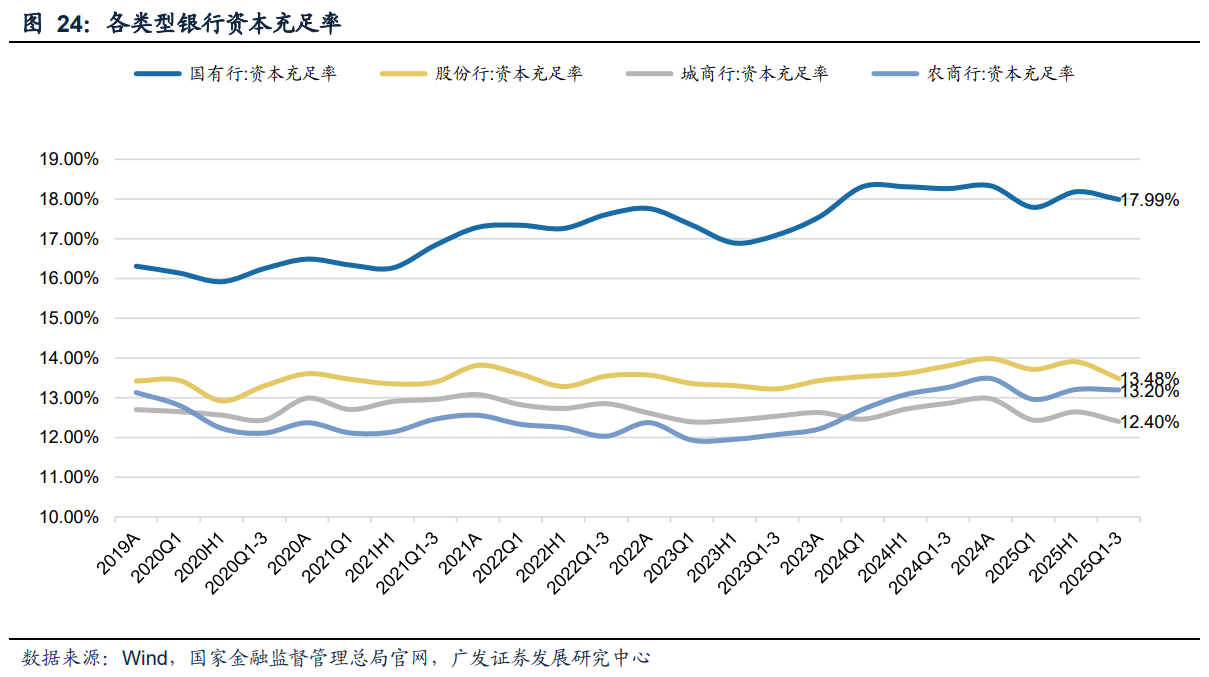
Core Viewpoint - A regional bank, Jiujiang Bank, has announced a capital increase plan, with significant participation from its major shareholders, indicating a trend of capital replenishment among banks to enhance risk resilience and optimize capital structure [1][2][3] Group 1: Capital Increase Trends - Jiujiang Bank plans to issue up to 860 million domestic shares and 175 million H-shares, aiming to raise funds entirely for core tier 1 capital replenishment, which will increase its total share capital by 36.4% from 2.847 billion shares to 3.882 billion shares [3] - Since 2025, many small and medium-sized banks have initiated capital increases through various methods, reflecting the urgency and proactivity of capital replenishment [3][4] - The average capital adequacy ratio for city commercial banks is currently the lowest at 12.4%, indicating a significant capital shortfall and the need for these banks to enhance their capital structures [4] Group 2: Local Government Support - Local state-owned assets have become a major support force in the current capital increase wave, with many local banks receiving substantial backing from regional governments [7] - For instance, Weifang Bank's capital increase plan includes participation from Shandong High-speed Group, showcasing the local government's commitment to supporting small and medium-sized banks [7] Group 3: Capital Reduction Trends - In contrast to the capital increase trend, some rural commercial banks and village banks have initiated capital reduction to optimize their capital structures, indicating a dual approach to capital management [9][10] - The capital reduction actions are primarily concentrated in rural areas, with banks like Shandong Yanggu Rural Commercial Bank reducing their registered capital to align with actual credit demand [9][10] Group 4: Strategic Adjustments - The adjustments in capital structure, whether through increases or reductions, are aimed at aligning capital with business needs, with a focus on enhancing operational efficiency and governance [10][12] - Some banks, like Inner Mongolia Bank, have adopted a unique approach by first reducing capital and then replenishing it through special bond funds, indicating a systematic restructuring strategy [11]
银行股配置重构系列九:从主动基金 Q4 持仓看配置思路
Changjiang Securities· 2026-01-27 15:25
Investment Rating - The investment rating for the banking sector is "Positive" and is maintained [12] Core Insights - In Q4 2025, active funds did not significantly reduce their holdings in bank stocks, with a stable allocation ratio of 1.86% compared to the previous quarter. This reflects a general decline in market risk appetite. However, it is anticipated that the allocation ratio may decrease further in Q1 2026 due to a significant rebound in risk appetite and the relative underperformance of bank stocks at the beginning of the year [2][6] - The selection of individual stocks has shifted towards a focus on fundamental trends, with Ningbo Bank seeing the most significant increase in allocation due to improved asset quality and performance expectations. The bank has established a turning point in retail asset quality and is expected to lead the sector in performance [7][8] - The report suggests that the core investment strategy for 2026 should prioritize high-performing regional banks, particularly city commercial banks, as they are expected to maintain superior growth rates amid a stable credit structure [9] Summary by Sections Active Fund Holdings - As of Q4 2025, the allocation ratio of active public funds to bank stocks remained stable at 1.86%, indicating a recovery in market risk appetite. The allocation ratio is expected to hit a new low in Q1 2026 due to a resurgence in risk appetite and the underperformance of bank stocks [6][8] - City commercial banks experienced a reduction of approximately 1.7 billion in total holdings, but Ningbo Bank was notably increased by 860 million, reflecting a shift towards stocks with improving fundamentals [7][8] Stock Selection Trends - The focus on stock selection has shifted from high dividend yields to fundamental trends, with Ningbo Bank being the most significantly increased stock in Q4 2025. The bank's asset quality indicators have shown continuous improvement, and it is expected to see a growth in performance in 2026 [7][8] - Conversely, stocks like Chengdu Bank have been reduced significantly, reflecting concerns over performance volatility and ongoing adjustments in business structure [7] Market Dynamics - The banking sector has faced downward pressure due to capital outflows from active funds and index funds, leading to undervaluation in bank stocks. The report recommends seizing opportunities in quality city commercial banks at lower price levels [9][33] - The report highlights that the allocation strategy for 2026 should focus on high-quality city commercial banks, as they are expected to outperform in terms of earnings growth amid a stable credit environment [9]