
金山软件

Search documents
拆解招股书,看懂中国大模型独角兽的两种“活法”
3 6 Ke· 2025-12-24 00:40
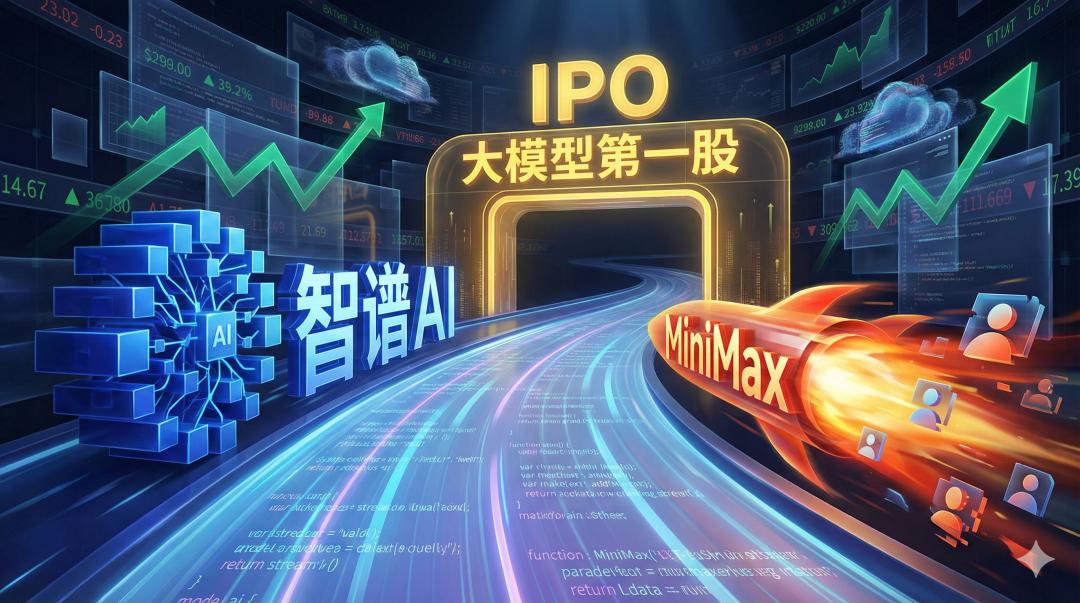
Core Insights - The competition for the title of "the world's first stock of large models" is unfolding between two Chinese companies, Zhipu AI and Minimax, with their prospectuses revealing critical business details beyond the title itself [1] - The prospectuses highlight three key dimensions: the quality of real revenue, the pressure of computing costs on profits, and the survival period supported by cash reserves [1] - The prospectuses also show that the two companies are following distinctly different paths in their business models, representing potential breakout directions for Chinese large model companies in the current market environment [1] Financial Performance - Zhipu AI reported a revenue of 312 million CNY (approximately 31.2 million USD) for 2024, while Minimax reported about 30.38 million USD (approximately 216 million CNY) [4] - Zhipu AI's gross margin stands at 56.3%, significantly higher than Minimax's 12.2%, indicating a stark difference in their business models [3][5] - Both companies are in a "high investment for growth" phase, with Zhipu AI experiencing a net loss of 2.96 billion CNY and Minimax a loss of 465 million USD [4] User Data and Market Focus - Zhipu AI primarily targets B-end enterprises and developers, boasting over 12,000 enterprise clients and 4.5 million developers, while Minimax focuses on C-end users with 27.6 million monthly active users [5] - Zhipu AI's revenue structure shows a heavy reliance on localized deployments, contributing 85% of its revenue, while Minimax's revenue is increasingly derived from AI-native applications, which account for about 71% [14][15] Product Structure and Innovation - Zhipu AI's core product is the GLM series, which competes with OpenAI, while Minimax's abab series focuses on interactive and multi-modal capabilities [5] - Zhipu AI's revenue model is primarily based on privatized deployment (84.5%), whereas Minimax operates on a subscription model for AI applications [5] Globalization and Market Strategy - Minimax has shifted its revenue sources from 80% domestic to 73% international, indicating a strong commitment to globalization [14] - Both companies are exploring international markets, with Zhipu AI generating revenue in Southeast Asia and Minimax aggressively pursuing global expansion [17] Cash Reserves and Financial Viability - As of December 31, 2024, Zhipu AI holds approximately 2.457 billion CNY in cash, while Minimax has about 1.046 billion USD, indicating a significant difference in their financial stability [23][24] - Zhipu AI's cash reserves can sustain operations for about 11 months without new financing, while Minimax's reserves can last approximately 37.5 months [24] Risk Factors and Challenges - Both companies express concerns about high survival thresholds in the rapidly evolving AI technology landscape, with Zhipu AI focusing on supply chain security and geopolitical issues, while Minimax highlights its status as an uncommercialized company facing high bankruptcy risks [25][26] - The reliance on expensive computing resources and the significant R&D expenditures exceeding revenues pose financial challenges for both companies [20][21] Valuation and Market Position - The valuation of Zhipu AI and Minimax is approximately 40 billion CNY and 4 billion USD, respectively, which is significantly lower than that of OpenAI, indicating a potential undervaluation in the market [27][28] - The competitive landscape is intensifying, with established players like Alibaba and ByteDance posing significant challenges to the market position of Zhipu AI and Minimax [29]

金山软件(03888.HK)12月23日回购1999.67万港元,年内累计回购3.05亿港元
Zheng Quan Shi Bao Wang· 2025-12-23 12:40
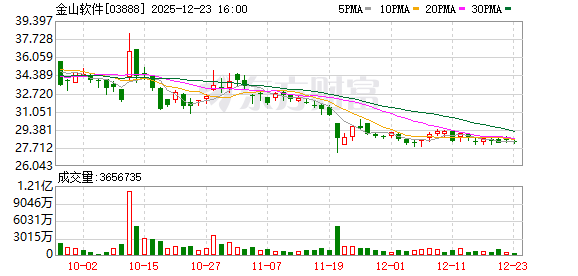
Group 1 - The core point of the article is that Kingsoft Software has been actively repurchasing its shares, with a total of 1,030.82 million shares repurchased this year, amounting to a total of 305 million HKD [2][3] - On December 23, Kingsoft repurchased 708,400 shares at a price range of 28.140 to 28.380 HKD, with a total repurchase amount of 19.9967 million HKD [2] - The stock price on the same day closed at 28.260 HKD, reflecting a decrease of 0.35%, while the total trading volume for the day was 103 million HKD [2] Group 2 - Since December 22, the company has conducted share repurchases for two consecutive days, totaling 1,062,400 shares and a cumulative repurchase amount of 29.9937 million HKD [2] - The stock has seen a cumulative increase of 0.43% during the repurchase period [2] - A detailed breakdown of the repurchase activities shows various dates, share quantities, and prices, indicating a consistent strategy in share buybacks [3][4]
金山软件12月23日斥资1999.67万港元回购70.84万股
Zhi Tong Cai Jing· 2025-12-23 11:05
金山软件(03888)发布公告,于2025年12月23日,该公司斥资1999.67万港元回购70.84万股股份,每股回 购价格为28.14-28.38港元。 ...
金山软件(03888)12月23日斥资1999.67万港元回购70.84万股
Zhi Tong Cai Jing· 2025-12-23 11:01
智通财经APP讯,金山软件(03888)发布公告,于2025年12月23日,该公司斥资1999.67万港元回购70.84 万股股份,每股回购价格为28.14-28.38港元。 ...
金山软件(03888.HK)12月23日耗资2000万港元回购70.84万股
Ge Long Hui· 2025-12-23 10:55
格隆汇12月23日丨金山软件(03888.HK)公告,12月23日耗资2000万港元回购70.84万股。 ...
金山软件(03888) - 翌日披露报表
2025-12-23 10:52
FF305 翌日披露報表 (股份發行人 ── 已發行股份或庫存股份變動、股份購回及/或在場内出售庫存股份) 表格類別: 股票 狀態: 新提交 公司名稱: 金山軟件有限公司 呈交日期: 2025年12月23日 如上市發行人的已發行股份或庫存股份出現變動而須根據《香港聯合交易所有限公司(「香港聯交所」)證券上市規則》(「《主板上市規則》」)第13.25A條 / 《香港聯合交易所有限公司GEM證券 上市規則》(「《GEM上市規則》」)第17.27A條作出披露,必須填妥第一章節 。 | 第一章節 | | | | | | | | --- | --- | --- | --- | --- | --- | --- | | 1. 股份分類 | 普通股 | 股份類別 | 不適用 | 於香港聯交所上市 | 是 | | | 證券代號 (如上市) | 03888 | 說明 | 普通股 | | | | | A. 已發行股份或庫存股份變動 | | | | | | | | | | | 已發行股份(不包括庫存股份)變動 | 庫存股份變動 | | | | | 事件 | 已發行股份(不包括庫存股份)數 目 | 佔有關事件前的現有已發 行股份(不包 ...
智通港股回购统计|12月23日
智通财经网· 2025-12-23 01:13
Group 1 - The article reports on share buybacks conducted by various companies on December 22, 2025, with Tencent Holdings (00700) leading in both the number of shares repurchased and the total amount spent [1] - Tencent Holdings repurchased 1.035 million shares for a total of 636 million yuan, representing 1.052% of its total share capital for the year [2] - Other notable companies involved in the buyback include Xiaomi Group (01810), which repurchased 3.75 million shares for 149 million yuan, and China COSCO Shipping Holdings (01919), which repurchased 4.15 million shares for approximately 56.6 million yuan [2] Group 2 - The total number of shares repurchased by various companies varies significantly, with some companies like Huohai Biotechnology (06826) and Juzhi Biotechnology (02367) showing higher percentages of their total share capital repurchased [3] - For instance, Huohai Biotechnology repurchased 17,000 shares, accounting for 6.429% of its total share capital, while Juzhi Biotechnology repurchased 400,000 shares, representing 0.373% of its total [3] - The data indicates a trend of companies engaging in share buybacks as a strategy to enhance shareholder value and potentially stabilize stock prices during uncertain market conditions [1][2]




从全栈自研到成熟好用:鸿蒙实现极限突围
Mei Ri Jing Ji Xin Wen· 2025-12-22 11:51
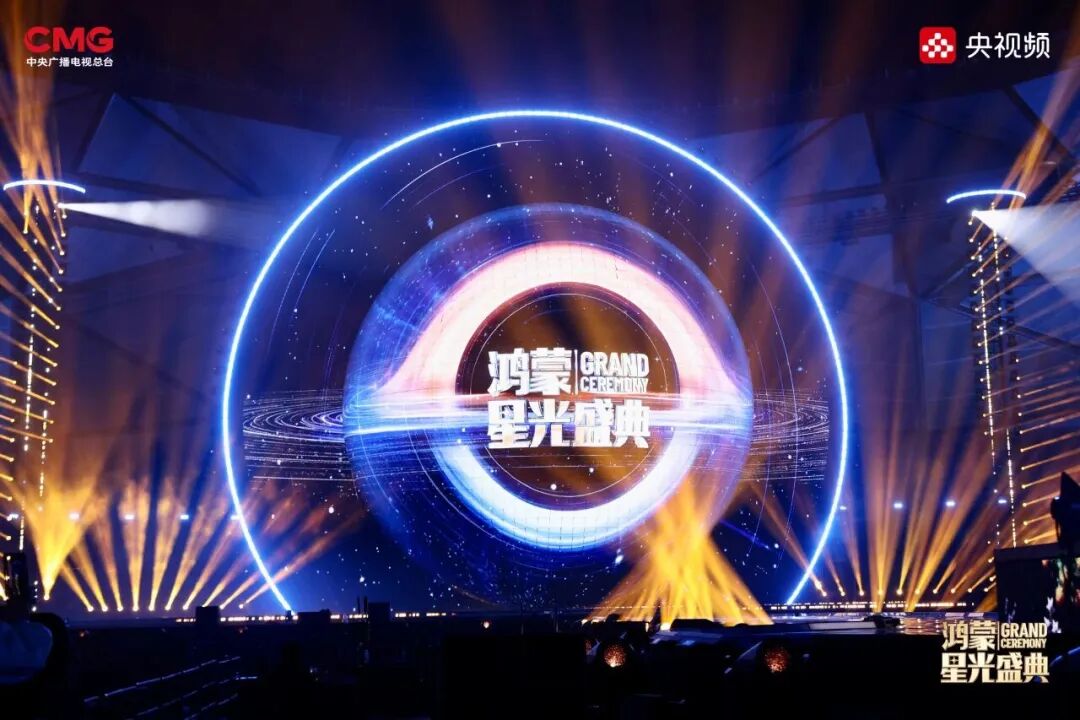
Core Viewpoint - In 2025, China's technology industry is undergoing a significant paradigm shift, transitioning from application-level prosperity to the reconstruction of foundational infrastructure, as highlighted by the recent CCTV Hongmeng Starry Night Gala, which marks a new blueprint across various industries [1][3]. Group 1: Development of HarmonyOS - The HarmonyOS ecosystem has achieved significant milestones, with over 35 million terminal devices and more than 350,000 applications and services available, showcasing China's capability in mastering core operating system technologies [3][5]. - HarmonyOS has rapidly developed, with over 100,000 new devices added daily, marking a critical leap from "usable" to "user-friendly" as seen in the launch of the Huawei Mate 80 series [5][14]. - The operating system is positioned as a third choice alongside Android and iOS, establishing a competitive landscape in the global market [5][19]. Group 2: Strategic Importance of HarmonyOS - HarmonyOS represents China's first fully self-developed operating system, providing a secure and controllable digital infrastructure essential for national security and digital sovereignty [6][8]. - The system's development is not just a technological advancement but also a strategic certainty, ensuring sustainable and controllable growth in a complex international environment [8][10]. Group 3: Ecosystem Challenges and Development - Building an ecosystem is a significant challenge for any operating system, as established players dominate the market, making it difficult for new entrants to gain traction [10][11]. - Huawei's ecosystem partners have shown determination and speed in adapting their applications to HarmonyOS, with notable examples including Tencent and Meituan, which have rapidly developed and adapted their software [10][15]. Group 4: Market Performance and Future Outlook - The Huawei Mate 80 series has seen impressive sales, achieving 115% of the previous generation's sales within 15 days of launch, contributing to Huawei's leading market share in China [13][14]. - HarmonyOS is projected to capture approximately 17% of the Chinese smartphone operating system market by Q2 2025, making it the second-largest operating system in the country [19][20]. - The ecosystem is expected to create over 3 million new jobs, with developers in the HarmonyOS ecosystem experiencing a salary increase of 43.1%, surpassing that of Android developers [19][20].
金山软件(03888.HK)12月22日耗资999.7万港元回购35.4万股
Ge Long Hui· 2025-12-22 10:52
格隆汇12月22日丨金山软件(03888.HK)公告,12月22日耗资999.7万港元回购35.4万股。 ...
金山软件(03888)12月22日斥资999.7万港元回购35.4万股
智通财经网· 2025-12-22 10:48
智通财经APP讯,金山软件(03888)发布公告,该公司于2025年12月22日斥资999.7万港元回购35.4万股股 份,每股回购价格为28.16-28.32港元。 ...