旺旺

Search documents
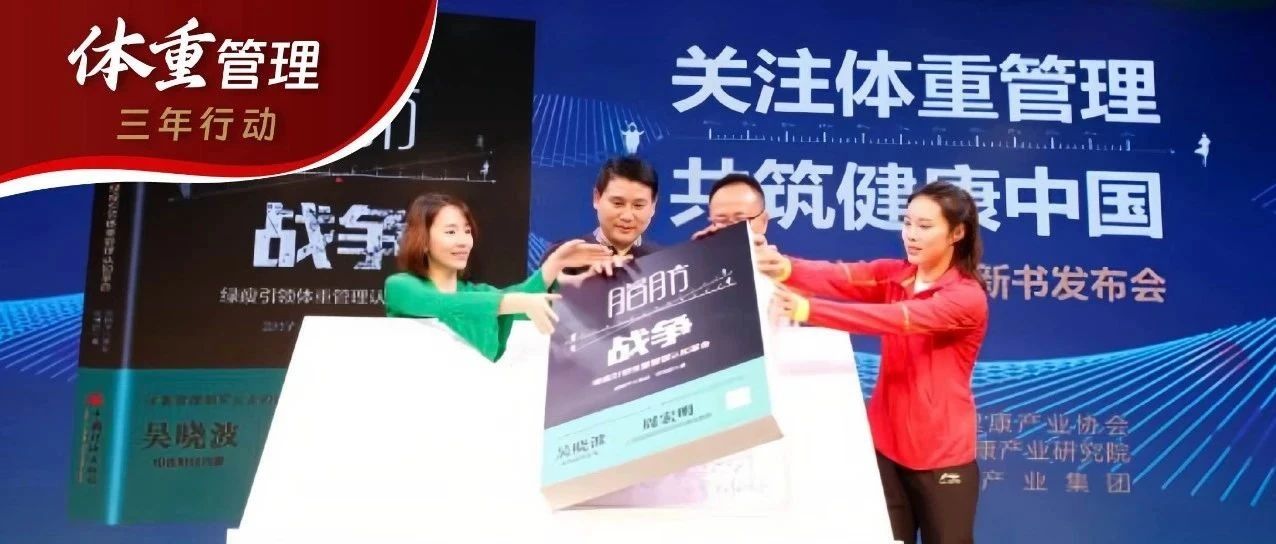
国家吹响减肥号角!“减重经济”能否激发万亿级消费新浪潮
GLP1减重宝典· 2025-06-19 12:45
Core Viewpoint - The article highlights the emergence of a "weight management economy" driven by national health policies, consumer upgrades, and technological innovations, with a focus on the "Weight Management Year" initiative launched during the 2023 Two Sessions, aiming to address obesity as a public health issue and create a trillion-level market across various sectors [4][5]. Group 1: Health Crisis to Economic Opportunity - The obesity issue in China is severe, with over 50% of adults classified as overweight or obese, projected to rise to 70.5% by 2030, leading to significant healthcare costs [6]. - The "Weight Management Year" initiative represents a strategic shift from treatment to prevention, aiming to reduce healthcare burdens and improve national health levels [6]. Group 2: Industry Opportunities - National policies are transitioning from "treating diseases" to "preventing diseases," fostering a diverse ecosystem in the weight management economy [7]. - The release of tailored dietary guidelines and the integration of medical and health services are creating new business models in personalized dining and weight management clinics [7]. Group 3: Five Key Consumption Upgrades - **Healthcare**: The pharmaceutical sector is seeing a surge in interest in weight loss medications, with GLP-1 drugs like Semaglutide gaining attention, and over 20 companies are developing similar products [8]. - **Smart Health Devices**: The market for wearable devices is booming, with a 19.3% year-on-year increase in shipments, making China the largest market globally [9]. - **Sports Consumption**: The outdoor sports sector is thriving, with a 51.86% increase in the number of outdoor sports merchants by the end of 2024 [10]. - **Healthy Eating**: The shift towards health-conscious eating is evident, with brands launching low-calorie and functional foods to meet diverse consumer needs [11]. - **Sleep Economy**: Products aimed at improving sleep quality are gaining popularity, reflecting a broader trend in health and wellness [12]. Group 4: Scientific, Personalized, and Experiential Upgrades - The integration of AI and smart devices is transforming weight management into a data-driven, personalized experience, enhancing user engagement through gamification [13]. - The Z generation is reshaping the industry by prioritizing interactive and enjoyable experiences over traditional weight loss methods, leading to a shift in consumer expectations [14]. Group 5: Economic Insights from Weight Management - The health management sector is evolving into a trillion-dollar market, driven by technological advancements and consumer demand for personalized health solutions [15]. - Smart health devices are becoming critical data entry points for health management, with significant sales growth and user engagement [16]. - The fusion of the metaverse and health management is creating new consumer experiences, while social media platforms are driving community engagement in weight management [17]. - The new generation of consumers values aesthetics and cultural relevance in health products, indicating a shift towards lifestyle branding in the weight management sector [18].

福建县城,诞生了多少「中式豪门」?
36氪· 2025-06-04 12:09
Core Viewpoint - The article explores the phenomenon of "霸总" (tycoons) in Jinjiang, highlighting the region's unique economic landscape and the intertwining of family ties and business ventures, suggesting that the essence of Jinjiang's narrative resembles that of a documentary rather than fiction [10][11]. Group 1: Economic Landscape of Jinjiang - Jinjiang is home to over a thousand enterprises with a valuation exceeding 1 billion, producing a total wealth of 750 billion RMB [6]. - The region boasts an impressive statistic where, on average, 1 in 7 people is a business owner, and 1 in 21 owns a company [12][13]. - In 2022, over half of the individuals from Jinjiang entered the Hurun Rich List, showcasing the concentration of wealth in the area [14]. Group 2: Industry and Production - Jinjiang is recognized as a major hub for sportswear, with brands like Anta, Xtep, and Peak originating from the region, producing 1 in 5 pairs of sports shoes globally [15][16]. - The umbrella industry in Jinjiang includes a diverse range of products, with the umbrella industry alone generating a total output value of nearly 13 billion RMB in 2022 [26]. - Jinjiang has developed multiple industrial clusters, including a shoe and clothing cluster worth over 200 billion RMB and several others exceeding 100 billion RMB [31]. Group 3: Family Ties and Business Collaborations - The article discusses the phenomenon of family marriages among the wealthy in Jinjiang, which often serve as strategic business alliances [38][63]. - Notable recent marriages, such as that of the second daughter of Xtep and the second son of Seven Wolves, highlight the financial magnitude of these unions, with reported dowries reaching 1.8 billion RMB [44]. - The interconnectedness of families through marriage creates a network of collaboration among businesses, enhancing their market power and operational efficiency [76][78]. Group 4: Cultural and Historical Context - The entrepreneurial spirit in Jinjiang is rooted in the personal histories of its tycoons, many of whom come from humble beginnings and have built their fortunes through hard work and innovation [85][88]. - The local economy is characterized by a "one village, one product" model, where communities specialize in specific industries, fostering a collaborative environment [89][90]. - The article emphasizes that the success of Jinjiang's businesses is not just about wealth but also about a culture of cooperation and mutual support among local entrepreneurs [110].


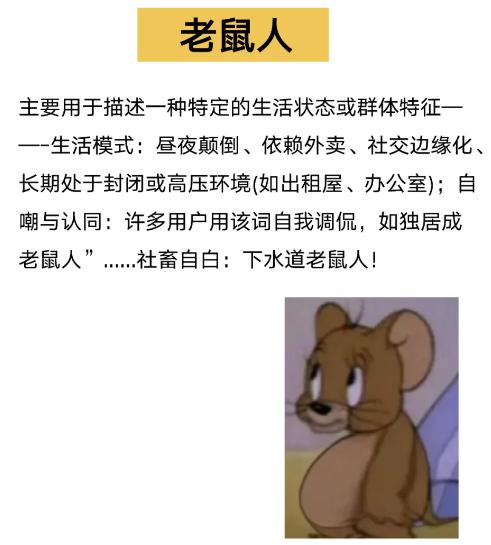
“老鼠人”失眠简史:3亿特困生如何造就千亿睡眠经济?
3 6 Ke· 2025-04-22 10:36
Core Insights - The article highlights the growing phenomenon of sleep deprivation and its impact on society, particularly among younger generations, leading to the emergence of a multi-billion dollar sleep economy [1][3][4]. Group 1: Sleep Crisis - Over 300 million people in China suffer from sleep disorders, with an insomnia rate of 38.2% among adults, indicating that one in three individuals struggles with sleeplessness [7][21]. - Major cities like Beijing, Shanghai, and Guangzhou are identified as "insomnia hotspots," with average sleep durations falling below 6.5 hours, significantly lower than the international health standard of 7-9 hours [7][21]. - The collective sleep deprivation is exacerbated by both voluntary late-night activities and involuntary insomnia, creating a cycle of anxiety and fatigue [10][20]. Group 2: Sleep Economy Growth - The sleep economy in China reached nearly 500 billion yuan in 2023, with an annual growth rate of 86%, and is projected to exceed 1 trillion yuan by 2030 [21][24]. - The consumer base for sleep-related products has grown by 23% from 2019 to 2023, with average spending per person increasing by 20% and the number of purchases rising by 29% [21][24]. - Traditional sleep aids like bedding and sleep masks remain popular, while innovative products such as smart mattresses and sleep monitoring devices are gaining traction [29][51]. Group 3: Consumer Preferences - Among consumers experiencing sleep issues, 64% opt for home textiles and bedding products to improve their sleep environment, indicating a sustained demand for basic sleep solutions [27]. - The market for smart sleep products is expanding rapidly, with a projected annual growth rate of 30%, potentially reaching 200 billion yuan by 2030 [51]. - Different generations exhibit varying preferences for sleep aids, with older generations favoring supplements and younger consumers gravitating towards smaller sleep products like eye masks and aromatherapy candles [42]. Group 4: Innovative Solutions - The rise of smart sleep technology, including AI-driven sleep monitoring and environment-adjusting devices, is redefining how consumers approach sleep quality [51][58]. - Despite the potential of smart sleep products, concerns remain regarding their accuracy and effectiveness compared to traditional medical devices [58][61]. - The emergence of new roles such as "sleep coaches" reflects the growing market for personalized sleep solutions, indicating a willingness among consumers to invest in various methods to achieve better sleep [44][50].