
拜耳

Search documents
巴西积极推广再生农业
人民网-国际频道 原创稿· 2025-09-26 05:39
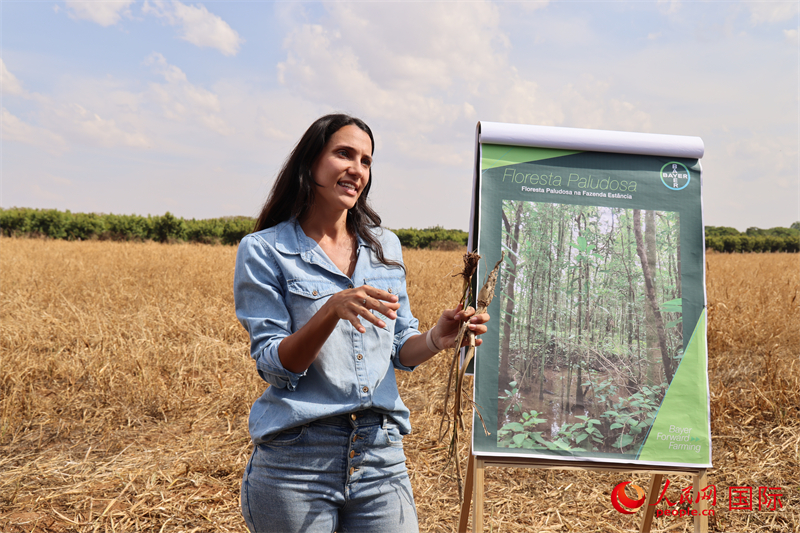
Core Viewpoint - The article highlights the benefits and advancements of regenerative agriculture in Brazil, particularly at the Estância Farm, showcasing its role in sustainable farming practices and carbon footprint reduction [2][5][8]. Group 1: Regenerative Agriculture Practices - The Estância Farm, covering 1,100 hectares, has implemented regenerative agriculture management practices, enhancing production stability and land resilience [2][4]. - The farm participates in Bayer's global regenerative agriculture program, promoting core principles and advanced technologies [2][4]. - The farm employs cover crops, which are not harvested but integrated into the soil to improve soil quality and nutrient cycling [2][4]. Group 2: Production and Yield - Over the past five years, the farm's soybean yield has remained stable at approximately 4,000 kilograms per hectare, exceeding the regional average by about 25% [4]. - Despite challenges from extreme weather conditions, the farm's production has remained relatively stable, demonstrating the resilience provided by regenerative agriculture [4]. Group 3: Carbon Footprint and Sustainability - In the 2024/2025 harvest season, the average carbon footprint for soybeans produced at the farm is 616.4 kilograms of CO2 equivalent per ton, which is 60% lower than the national average of 1,526 kilograms [5]. - The carbon footprint for corn is 751.7 kilograms of CO2 equivalent per ton, 46% lower than the national average [5]. - Bayer's carbon business development coordinator emphasizes the use of a carbon emissions calculation tool to encourage farmers to adopt practices that further reduce carbon emissions [6]. Group 4: Market Opportunities - The farm currently exports 95% of its soybean production to China, indicating a significant market opportunity driven by China's demand for green and sustainable agriculture [6]. - The upcoming 30th UN Climate Change Conference in Brazil is expected to elevate discussions on sustainable development and environmental protection, creating new opportunities for regenerative agriculture [8]. Group 5: Adoption and Standards - Brazilian farmers have shown a high acceptance of sustainable agricultural practices, with an average adoption of 9.8 regenerative agriculture methods, surpassing the global average of 6.6 [9]. - A report from the Brazilian Sustainable Development Business Council indicates that Brazilian agricultural operators are beginning to implement regenerative agriculture, achieving significant results across various production chain segments [10].

US, European pharma stocks steady after Trump's tariff move, Asia slips
Yahoo Finance· 2025-09-26 02:52
By Gregor Stuart Hunter and Andrew Silver SINGAPORE/SHANGHAI (Reuters) -Shares of U.S. and European pharmaceutical firms were little changed on Friday, while Asian drugmakers declined, after President Donald Trump announced 100% tariffs on branded drugs imported by firms that are not building plants in the U.S. Analysts said the move was widely expected and unlikely to materially hit the industry, given that most drugmakers have pledged billions of dollars in U.S. manufacturing investments. The condit ...
特朗普再挥关税大棒!自10月1日起对专利及品牌药品加征100%关税
智通财经网· 2025-09-26 01:33
Core Points - The U.S. will impose a 100% tariff on imported patented and branded drugs starting October 1, unless pharmaceutical companies establish manufacturing plants in the U.S. [1] - President Trump has previously threatened to increase tariffs on imported drugs, with potential rates rising to 250% over the next year and a half [1] - The intention behind the tariffs is to lower drug prices in the U.S., but there are concerns that this could lead to drug shortages and increased costs for consumers [1] Group 1 - Pharmaceutical companies are increasing investments in the U.S., with Roche planning to invest $50 billion and Johnson & Johnson aiming to invest $55 billion over the next four years [2] - Building a pharmaceutical plant in the U.S. is costly and time-consuming, and even domestic production may not avoid tariffs on imported raw materials [2] - European pharmaceutical giants like Novartis, Roche, Sanofi, AstraZeneca, and Bayer may face significant challenges, having to choose between absorbing tariff costs or investing heavily to relocate production to the U.S. or its trade partners [2]


对话华领医药CEO陈力:BD热潮点燃了创新药这把火,想要热度持续还得看管线能否兑现其价值
Mei Ri Jing Ji Xin Wen· 2025-09-25 13:58
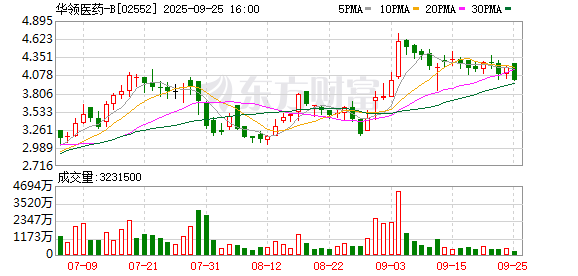
Core Insights - Hualing Pharmaceutical's drug Huatangning, the world's first glucose kinase activator (GKA) for diabetes, was approved in 2022, marking a significant milestone in China's biopharmaceutical industry [1][4] - Despite initial expectations, Huatangning's sales performance was underwhelming while partnered with Bayer, leading to a strategic shift to self-commercialization in 2025, resulting in a significant sales increase [1][8][15] - The drug's development faced challenges, with previous GKA candidates failing due to a lack of understanding of glucose kinase's role as a blood sugar sensor, which Hualing addressed by focusing on blood sugar variability rather than just lowering blood sugar levels [5][6][9] Company Performance - After taking back commercialization rights from Bayer, Hualing Pharmaceutical's sales team expanded significantly, achieving a 108% year-on-year increase in Huatangning's sales volume to 1.764 million boxes in the first half of 2025 [15] - The company reported a revenue of 2.174 billion yuan from Huatangning, with a net profit of 11.839 billion yuan, largely due to a one-time payment from terminating the agreement with Bayer [15][16] - Hualing's performance is part of a broader trend in the Chinese innovative drug sector, which saw a 7.26% revenue growth among 84 innovative drug companies in the first half of 2025 [15] Industry Trends - The Chinese innovative drug market is experiencing a surge, with domestic drugs accounting for 38% of global new drug approvals in 2024, expected to exceed 50% in 2025 [17] - The ongoing business development (BD) trend indicates a growing alignment between domestic biotech companies and international pharmaceutical firms, with a significant portion of FDA-approved drugs originating from biotech [17][18] - Future opportunities in the biotech sector are anticipated as new modalities like ADCs and bispecific antibodies emerge, suggesting that the market for innovative drugs will continue to expand [18]

对话华领医药CEO陈力:BD热潮点燃了创新药这把火 想要热度持续还得看管线能否兑现其价值
Mei Ri Jing Ji Xin Wen· 2025-09-25 13:57
Core Insights - Hualing Pharmaceutical's drug Huatangning, the world's first glucose kinase activator (GKA) for diabetes, was approved in 2022, marking a significant milestone in China's biopharmaceutical industry [2] - Despite initial expectations, Huatangning's sales performance was underwhelming while partnered with Bayer, leading to a strategic shift to self-commercialization in 2025, resulting in a sales volume increase of 108% in the first half of 2025 [2][14] - The company emphasizes the importance of glucose kinase's "glucose-dependence" in its drug development, aiming to stabilize blood sugar levels rather than merely lowering them [5][8] Company Development - Huatangning's development began in 1995, inspired by the discovery of glucose kinase, which regulates blood sugar levels [3][4] - The drug faced significant challenges, with over 20 candidates failing before Huatangning's success, attributed to a misunderstanding of glucose kinase's role [5] - The drug's clinical trials showed a low incidence of hypoglycemia, maintaining below 1% during trials and post-market surveillance [6] Commercial Strategy - Initially, Hualing partnered with Bayer for commercialization, which included a prepayment of 300 million yuan and potential milestone payments up to 4.18 billion yuan [7] - The partnership was seen as a model for collaboration between domestic biotech firms and multinational pharmaceutical companies, leveraging Bayer's market presence [7][12] - However, Bayer's internal restructuring and management inefficiencies hindered the drug's market performance, prompting Hualing to take over commercialization [12] Financial Performance - After taking back commercialization rights, Hualing's sales team expanded significantly, achieving a sales volume of 1.764 million boxes in the first half of 2025, with revenue reaching 217.4 million yuan [14] - The company reported a one-time income of 1.2435 billion yuan from terminating the agreement with Bayer, leading to a net profit of 1.1839 billion yuan, marking its first profitable quarter since going public [14] Industry Trends - The Chinese innovative drug market is experiencing rapid growth, with domestic drugs accounting for 38% of global new drug approvals in 2024, projected to exceed 50% [15][16] - The surge in interest in innovative drugs is linked to improved R&D efficiency and a growing trend of business development (BD) collaborations between biotech firms and multinational companies [15][16] - Future opportunities in the biotech sector are expected to arise from new modalities and technologies, indicating a continuous demand for innovative drug development [17]
加速打造国际生物医药技术策源中心与研发创新高地
Hang Zhou Ri Bao· 2025-09-25 03:01
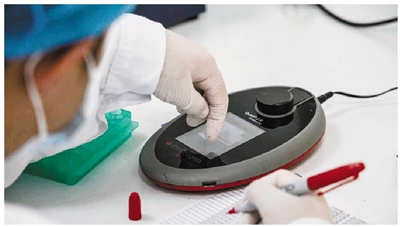
Core Viewpoint - The article highlights the rapid development of the biomedical industry in Hangzhou, particularly in the Hangzhou Medical Port Town, which has become a hub for over 1,800 biotech companies, including major global pharmaceutical firms and numerous innovative enterprises [3][8]. Group 1: Industry Development - The Hangzhou Medical Port Town covers an area of 4.92 square kilometers and hosts more than 1,800 biomedical enterprises, including leading global pharmaceutical companies such as Pfizer, Merck, and Bayer [3]. - The Zhejiang Free Trade Zone has been instrumental in promoting the biomedical industry, focusing on open innovation across the entire industry chain, aiming to establish Hangzhou as an international center for biomedical technology and innovation [3][6]. - The establishment of a joint regulatory mechanism for high-risk imported special items has significantly improved customs efficiency, reducing approval times from 20 working days to just 2 days, thus enhancing competitiveness in global drug development [5][8]. Group 2: Company Insights - Lianchuan Biotechnology, a key player in the gene technology sector, has been operating in Hangzhou for nearly 20 years and has developed a strong focus on high-throughput gene sequencing and bioinformatics services [4][6]. - The company has faced challenges with importing critical standards for its OLINK proteomics testing, which required Swedish plasma as a control standard, but has successfully navigated these challenges through the new regulatory framework [4][5]. - Lianchuan has expanded its operations significantly, establishing a nationwide research service network and entering the IPO stage on the Beijing Stock Exchange, serving over 90% of key universities in China [6][8]. Group 3: Innovation and Ecosystem - The integration of 14 universities and 250,000 students in the Qiantang District has created a robust talent pool, supporting the development of the biomedical industry [7]. - The establishment of high-level platforms such as the Zhejiang University Intelligent Innovative Drug Research Institute and the Pfizer Smart Medical Innovation Center has contributed to forming a complete industrial chain from research to commercialization [7]. - The Qiantang District has developed a comprehensive innovation ecosystem that covers basic research, technological breakthroughs, and industrialization, positioning itself as a critical player in the global biomedical landscape [7][8].
Bayer CEO: overhaul is leading to pharma pipeline boost
Reuters· 2025-09-22 10:12
Core Insights - Bayer's CEO Bill Anderson highlighted the company's "remarkable progress" in addressing longstanding challenges, particularly a weak drug development pipeline [1] Group 1 - The company is focusing on overcoming challenges related to its drug development pipeline [1] - Internal management changes have been implemented to facilitate progress [1]



Bayer moves Parkinson's cell therapy into Phase III trial
Reuters· 2025-09-22 10:07
Bayer has started the third phase of human testing of an experimental stem cell therapy for Parkinson's disease, with future results potentially underpinning a request for regulatory approval, the com... ...

欧洲医药行业“风向标”开幕,儿童营养品牌inne频获德国药剂师专业认可
Jiang Nan Shi Bao· 2025-09-22 07:35
Core Insights - The expopharm 2025 exhibition in Düsseldorf, Germany, showcases the pharmaceutical industry's latest innovations and trends, with a focus on high-quality and professional products [1] - The participation of the German children's nutrition brand inne is seen as a significant signal for the advancement of children's nutritional products towards a "pharmaceutical-grade, scientific, and evidence-based" development stage [1] Company Overview - inne has introduced a comprehensive product matrix at the exhibition, including age-specific calcium nutrition series, eye and brain development products, and multi-dimensional nutrition and probiotics series, attracting attention from pharmacists and healthcare professionals [2] - As a member of the German Pharmaceutical Industry Association, inne adheres to strict industry standards in product development, production processes, and quality control, enhancing its credibility and recognition in the market [2][3] Market Presence - inne's products are available in over 10,000 offline pharmacies in Germany and on major online pharmacy platforms, making it one of the highly recommended children's nutrition brands by pharmacists [3] - The brand has established a stable influence in professional channels through collaborations with local authoritative publications and continuing education initiatives for healthcare professionals [3] Research and Development - inne emphasizes clinical evidence as the foundation of its product development, with a global R&D team and five research centers across Germany, China, the USA, and Italy, focusing on innovative applications in nutrition and health [4] - The brand has conducted clinical projects in China with top hospitals, demonstrating the positive impact of its products on children's health, which has been recognized in international academic forums [4][6] Corporate Social Responsibility - inne engages in various global philanthropic initiatives, promoting health and nutrition through partnerships with sports clubs and youth events in Germany, as well as supporting underprivileged children in South Africa [7] - The company also addresses nutritional disparities among children in China through targeted projects, encouraging youth to realize their potential [7] Industry Trends - The children's nutrition market is undergoing significant transformation, with a shift towards products that are clinically supported, transparently formulated, and precisely dosed, driven by consumer rationality and tightening regulations [8] - The emphasis on "pharmaceutical-grade processes" and "standardized production" is becoming essential for brands to gain professional trust and maintain a competitive edge in the market [9]
第28届京台科技论坛——京台生物科技合作发展论坛在北京亦庄举办
Bei Jing Shang Bao· 2025-09-22 06:36
Core Insights - The 28th Beijing-Taipei Technology Forum focused on "Innovation-Driven Integrated Development: Jointly Building a New Ecosystem for the Biotechnology Industry" and gathered representatives from both regions to discuss trends and collaboration opportunities in the biopharmaceutical sector [1][2] Group 1: Policy and Regulatory Framework - The Deputy Director of Beijing's Drug Administration highlighted the "Measures to Support the High-Quality Development of Innovative Pharmaceuticals in Beijing (2025)", emphasizing policies related to clinical trials, approval processes, production, circulation, clinical application, and investment support [1] - The administration aims to enhance innovation services, expedite review processes, and improve inspection efficiency to promote high-quality development in the pharmaceutical and health industry [1] Group 2: Industry Trends and Innovations - Discussions included topics such as natural drug development, ADC innovation technology, cell and gene therapy, AI-assisted pathology diagnosis, and exosome technology [1] - Companies like Tianjin Biotechnology Group and Yuyuan Pharmaceutical shared insights on their innovative products, including the first approved natural new drug for diabetic foot ulcers and advancements in ADC technology [1][2] - The Chinese innovative pharmaceutical industry is transitioning from a "follower" to a key global innovator, with ongoing improvements needed in original innovation capabilities and global competitiveness [1] Group 3: Industry Growth and Economic Impact - The Beijing Economic and Technological Development Zone hosts over 5,000 companies in the biotechnology and health sector, with projected industrial output value of 81.3 billion yuan in 2024 and a 16.6% year-on-year revenue growth in the technology service sector [2] - The establishment of the International Pharmaceutical Innovation Park (BioPark) has attracted major international companies like AstraZeneca, Eli Lilly, Pfizer, and Bayer, with all six centers of the National Medical Products Administration now located there [2]