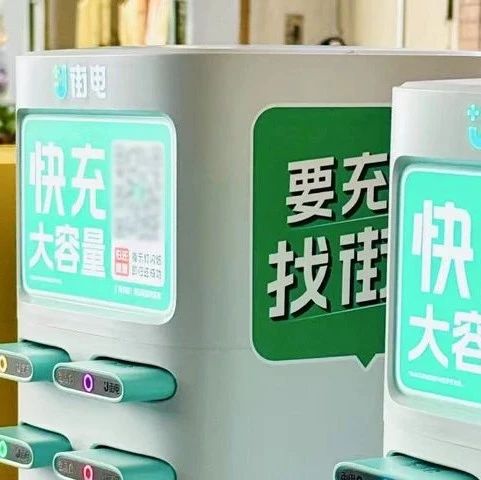
Smart Share Global Limited

Search documents
Smart Share Global Limited Enters into Definitive Merger Agreement for Going Private Transaction
GlobeNewswire News Room· 2025-08-01 20:10
Core Viewpoint - Smart Share Global Limited has announced a definitive Merger Agreement with Mobile Charging Group Holdings Limited, implying an equity value of approximately US$327 million for the company [1][3]. Merger Details - The Merger will result in each American Depository Share (ADS) being exchanged for US$1.25 in cash, while each Class A Share will be exchanged for US$0.625 in cash [2]. - The Merger Consideration represents a premium of 74.8% to the closing trading price of the ADSs on January 3, 2025, and a premium of approximately 8.7% to the closing price on July 31, 2025 [3]. Consortium Composition - The Consortium acquiring Smart Share includes Trustar Mobile Charging Holdings Limited and key executives from the company, including the Chairman and CEO, Mars Guangyuan Cai [4]. Funding Structure - The Merger will be funded through cash contributions from Consortium members, proceeds from a committed term loan facility from Bank of China Limited, and rollover equity contributions from Rollover Shareholders [5]. Board Approval - The Merger Agreement has been approved by the Board, following a unanimous recommendation from a Special Committee of independent directors [6]. Closing Conditions - The Merger is expected to close in the fourth quarter of 2025, subject to customary closing conditions, including shareholder approval and regulatory approvals [7]. Company Background - Smart Share Global Limited, also known as Energy Monster, is a leading provider of mobile device charging services in China, with 9.6 million power banks across over 1.2 million points of interest [15].



充电宝暴雷,击穿了消费品信任底线
3 6 Ke· 2025-07-04 02:20
Core Insights - The charging treasure industry has faced a significant crisis, transforming from a "necessity" to a "dangerous product" due to safety concerns, leading to widespread consumer anxiety and brand trust issues [1][4][22] - The incident highlights the structural collapse of the industry driven by low-price competition and the erosion of brand trust [4][11][29] Industry Overview - The rapid growth of the charging treasure market is linked to the rise of smartphones, with the number of manufacturers increasing from 500 to 3000 within a year due to high demand [5][7] - In 2023, the global charging treasure market reached $3.29 billion, with projections of $3.41 billion by 2030, and China being the largest production and sales market [7][8] Crisis Details - In June 2025, multiple universities in Beijing reported that a specific model of charging treasure was prone to explosions, prompting major recalls from brands like Romoss and Anker Innovation [2][4] - The China Civil Aviation Administration banned the transport of non-3C certified charging treasures on domestic flights, leading to a halt in sales and distribution [2][18] Consumer Behavior - Consumers are increasingly prioritizing safety and quality over price, indicating a shift towards a "quality-price ratio" rather than just "cost-effectiveness" [12][29] - The crisis has led to a consumer awakening, where trust in brands is becoming essential, and safety is now a baseline expectation rather than a selling point [12][30] Brand Trust and Compliance - The incident has raised awareness about the importance of 3C certification, with consumers now more vigilant about product safety and compliance [14][19] - Brands must ensure transparency and accountability in their supply chains to rebuild consumer trust, as the loss of trust can be difficult to recover from [20][29] Future Implications - The charging treasure crisis serves as a warning for the entire consumer goods industry, emphasizing the need for a focus on quality and safety to regain consumer confidence [22][31] - The industry is moving towards a new phase where trust and quality will be the primary competitive advantages, rather than price [27][31]
共享充电宝3C认证调查:小电、悦快闪充等品牌不达标
Qi Lu Wan Bao Wang· 2025-07-03 07:52
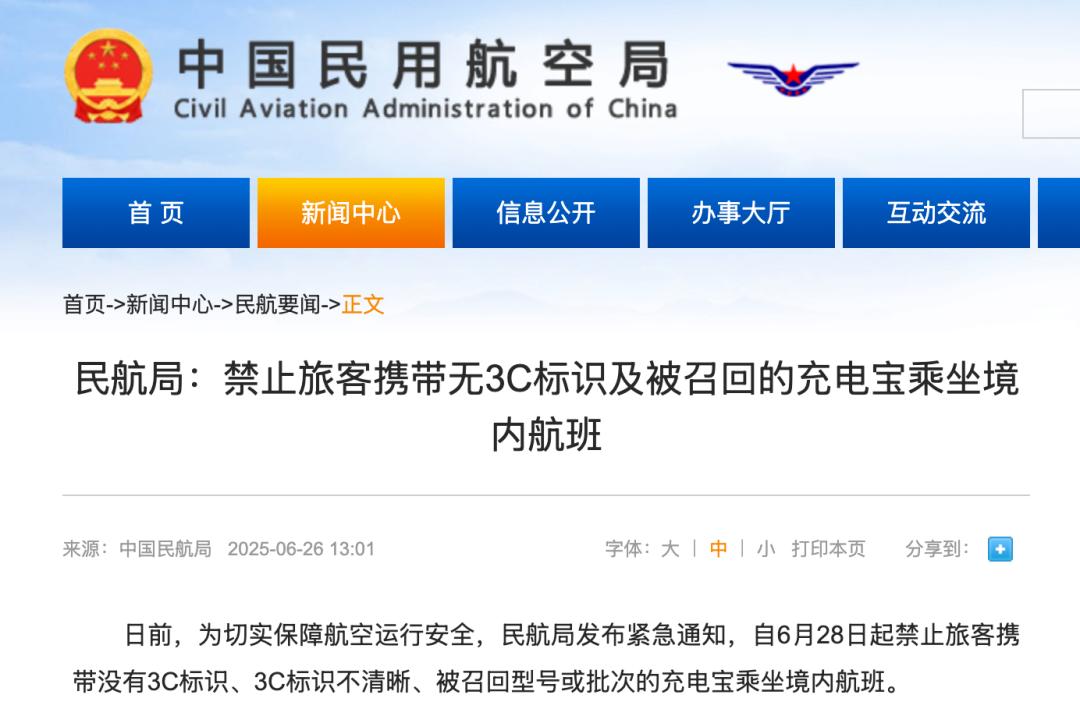
Core Viewpoint - The Chinese Civil Aviation Administration has issued an emergency notice prohibiting the carrying of power banks without 3C certification or those that have been recalled on domestic flights, highlighting the importance of safety in power banks following recent incidents of explosions [1] Group 1: 3C Certification Status - Among the surveyed brands, only half of the power banks had 3C certification, with brands like Xiaodian and Yuekuai Flash Charge lacking the certification, while brands such as Street Power, Rongyibao, and Monster Charging were compliant [2] - Meituan's power banks exhibited a "dual system," where one machine had 3C certification while another displayed CQC certification, indicating inconsistency in labeling [2] - Yuekuai Flash Charge was noted as the only product in the survey with no certifications at all, raising concerns about its safety [2] Group 2: Consumer Awareness and Regulations - A consumer expressed that they do not pay attention to the 3C certification when borrowing power banks, prioritizing immediate charging needs over safety concerns [4] - Starting from August 1, 2023, new regulations will require designated certification bodies to accept applications for CCC certification for mobile power banks, with enforcement beginning on August 1, 2024, prohibiting the sale or use of non-certified products [4] - The 3C certification is a mandatory product certification system in China aimed at ensuring consumer safety and product quality across various categories, including electronics and household appliances [4] Group 3: CQC Certification - CQC, or China Quality Certification Center, is a voluntary certification that companies often pursue to demonstrate product quality and safety, particularly for electronic products like power banks [5]
从智能手机配件到生活必需品,充电宝如何走到今天?
Xin Lang Cai Jing· 2025-07-01 12:24
Core Viewpoint - The charging treasure industry is facing an unprecedented trust crisis due to safety risks associated with battery materials, leading to product recalls and regulatory scrutiny [1][8]. Industry Development - The smartphone era initiated a surge in demand for portable charging solutions, with smartphone shipments in China reaching 118 million units in 2011, prompting the growth of the mobile power market [1][2]. - By 2012, the number of mobile power manufacturers in China skyrocketed from about 500 to 3,000, driven by the competitive landscape in Shenzhen's Huaqiangbei [2]. Safety Concerns and Regulations - In 2014, multiple incidents of charging treasure self-ignition raised alarms, with a quality inspection revealing a 87.5% non-compliance rate in electrical performance tests [2][3]. - The first national mandatory standard for mobile power was introduced in 2014, emphasizing battery cell production standards and imposing strict regulations on the specifications of charging treasures carried by passengers [3]. Market Dynamics - The rise of shared economy models led to the emergence of brands like Laidian Technology and Street Power, which focused on convenience and alleviating the burden of carrying charging devices [4]. - Xiaomi's entry into the market with a competitively priced power bank in late 2013 disrupted the industry, achieving over 10 million units sold within a year [4]. Competitive Landscape - Major brands like Anker Innovation and Huabao New Energy began exploring international markets, with Anker becoming a sales leader in regions like the U.S. [5]. - The charging treasure market has seen significant consolidation, with many early entrants exiting due to losses, while newer brands like Monster Charging rapidly expanded through aggressive funding [5]. Technological Advancements - The industry has entered a phase of technological innovation, with features like fast charging, wireless charging, and smart functionalities becoming mainstream [6]. - Current market shares show Xiaomi leading with a focus on cost-effectiveness and fast charging, followed by Anker in the high-end segment, and Romoss targeting the youth market with competitive pricing [6]. Regulatory Developments - Since 2017, the government has implemented stricter safety certifications for charging treasures, with a mandatory 3C certification set to take effect in August 2024 [8]. - Despite these regulations, recent recalls by major brands highlight ongoing issues with compliance and the need for improved industry oversight [8][9].


7家共享充电宝异地归还哪家强?江苏省消保委调查报告来啦
Yang Zi Wan Bao Wang· 2025-04-25 08:24
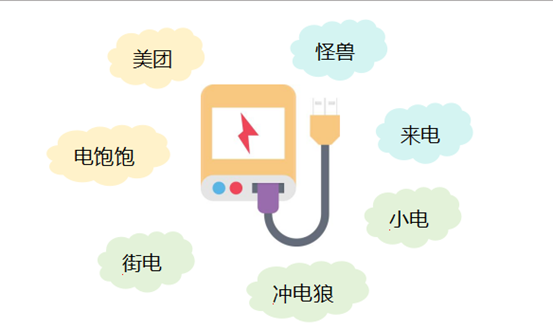
Core Viewpoint - The popularity of shared power banks has increased among consumers, but issues such as "difficult to return" and "cross-city fees doubling" have emerged, leading to potential financial losses for users. A consumer survey report on the issue of returning shared power banks was released by the Jiangsu Consumer Protection Committee on April 25 [1]. Billing Standards - The billing standards of the seven surveyed brands are publicly disclosed, with differences in the same brand's billing rules. The billing systems are similar, offering a short free period of 2-5 minutes, with hourly fees ranging from 3 to 6 yuan. Daily caps range from 30 to 60 yuan, and total caps are set at 99 yuan [3][4]. Brand-Specific Billing Details - The following table summarizes the billing details of each brand: - Meituan: 1 hour, 3/4 yuan, 3/5 minutes free, daily cap 30/40 yuan, total cap 99 yuan - Monster: 0.5 hours, 4 yuan, 3 minutes free, daily cap 32 yuan, total cap 99 yuan - Street Electric: 0.5/1 hour, 3/4 yuan, 2 minutes/no free time, daily cap 30/40 yuan, total cap 99 yuan - Xiaodian: 0.5/1 hour, 4/6 yuan, 3 minutes/no free time, daily cap 40/60 yuan, total cap 99 yuan - Laidian: 0.5 hours, 4/5 yuan, no free time, daily cap 30 yuan, total cap 99 yuan - Dianbaobao: 1 hour, 3 yuan, 5 minutes free, daily cap 30 yuan, total cap 99 yuan - Chongdianlang: 1 hour, 3 yuan, 5 minutes free, daily cap 30 yuan, total cap 99 yuan [4]. Customer Service Response - Customer service for the seven brands generally responds within 3 minutes, with Monster, Chongdianlang, and Dianbaobao providing the fastest responses within 1 minute. All brands' customer service can assist consumers in pausing billing for up to 24 hours, with Laidian offering the longest pause of up to 9 days [5][6]. Return Mechanism and Issues - The success rate for returning power banks across different cities is high, with no additional charges incurred. However, if a power bank cannot be returned due to full charging cabinets or equipment failure, consumers may need to pay 99 yuan to "buy out" the power bank. Some brands offer postal return options, while others do not [7][8]. Unfair Terms and Recommendations - Some brands, such as Dianbaobao, have been found to include unfair terms in their agreements, which may shift responsibility to consumers in cases of equipment failure. The Jiangsu Consumer Protection Committee suggests that companies should improve return mechanisms, enhance customer service, and ensure clear pricing [9][10].
从「充电刺客」到「用户体验」,共享充电宝仍在变革中前行
36氪· 2025-04-02 10:17
Core Viewpoint - The shared power bank industry is facing increasing skepticism and challenges, with a need for innovation and improved user experience to remain relevant and profitable [3][6][12]. Industry Challenges - Complaints from customers and frustrations from agents are rising, leading to questions about the future viability of the shared power bank business [3][6]. - Despite advancements in smartphone battery technology, the demand for shared power banks persists due to increased reliance on mobile devices and higher power consumption [7][9]. - A significant portion of consumers still encounter battery depletion issues, indicating a sustained need for shared charging solutions [9][10]. Market Dynamics - The shared power bank market has seen a consolidation, with the top five brands holding a market share of 96.6% as of 2023, indicating a mature but competitive landscape [12]. - The industry has evolved through different phases, with the current focus on enhancing product capabilities and user experience to drive growth [12][18]. Product Innovation - Bamboo Technology's new product, the Color Power 3.0 Pro, aims to address user pain points with features like rapid charging and high capacity, which are critical for attracting users [15][16]. - The new product boasts a charging speed that allows for 80% battery in 30 minutes, catering to the growing demand for quick and efficient charging solutions [15][16]. - Innovations such as infrared communication sensors for return success rates and enhanced durability features are designed to improve both user and agent experiences [16][19]. Ecosystem Development - A successful shared power bank ecosystem requires collaboration among consumers, brand owners, and partners to ensure mutual profitability [20][24]. - The new product's design and operational improvements are expected to enhance user engagement and increase transaction volumes, thereby benefiting agents and brand owners alike [24][26]. - Bamboo Technology emphasizes a customer-centric approach and value creation as core principles to drive long-term success in the industry [25][26].