
中国太平

Search documents
10万香港老人北上养老?
虎嗅APP· 2025-08-05 13:39
Core Viewpoint - The article discusses the increasing trend of elderly residents from Hong Kong moving to mainland China for retirement, highlighting the market potential and challenges associated with this "Northward Retirement Wave" [4][21]. Summary by Sections Demographics and Trends - As of mid-2024, nearly 100,000 elderly individuals aged 65 and above from Hong Kong have chosen to settle in Guangdong Province, marking a 40.5% increase over the past decade [4][5]. - The elderly population in Hong Kong is projected to account for 23.9% of the total population by 2024, with over 170,000 seniors [5]. Motivations for Northward Migration - Factors such as lower living costs, larger living spaces, and more affordable housing in mainland China are significant attractions for Hong Kong seniors [5]. - The desire for better integration into mainland society is also a driving force behind this trend [5]. Healthcare Concerns - Healthcare is a primary concern for elderly individuals considering moving to mainland China, as they rely on Hong Kong's fully subsidized public healthcare services, which are not transferable [5][6]. - Recent policies have been introduced to facilitate cross-border healthcare access, including the establishment of new medical institutions in mainland China to serve Hong Kong seniors [8][9]. Insurance and Financial Products - Insurance companies are beginning to develop products tailored to the needs of Hong Kong seniors moving to mainland China, indicating a growing market for cross-border retirement services [26][27]. - The introduction of policies allowing Hong Kong residents to participate in mainland social insurance is seen as a positive step towards addressing healthcare access issues [17][21]. Market Potential - The cost of elderly care facilities in mainland China is significantly lower than in Hong Kong, with monthly fees in mainland facilities being one-third to one-fifth of those in Hong Kong [21][22]. - The article suggests that the market for cross-border retirement services is substantial, driven by the aging population in Hong Kong and the challenges faced by the local social security system [21][24]. Challenges and Limitations - Despite the growing interest in "Northward Retirement," many elderly individuals remain hesitant due to unresolved healthcare issues and the limited scope of the current medical voucher system [16][19]. - The current healthcare voucher system only covers outpatient services, leaving many elderly individuals to bear additional costs for inpatient care and medications [16][17]. Future Outlook - The article concludes that the future of cross-border retirement for Hong Kong seniors will depend on the successful integration of healthcare services and the development of comprehensive insurance products that cater to their needs [30][31].


10万香港老人北上养老
第一财经· 2025-08-05 02:12
Core Viewpoint - The article discusses the increasing trend of elderly residents from Hong Kong moving to mainland China for retirement, driven by factors such as lower living costs and better housing options, despite concerns regarding healthcare access and insurance coverage [4][5][6]. Group 1: Demographics and Trends - As of mid-2024, nearly 100,000 elderly individuals (aged 65 and above) from Hong Kong have settled in Guangdong Province, marking a 40.5% increase over the past decade [4][5]. - The elderly population in Hong Kong is significant, with 23.9% of the population being 65 years or older, translating to over 170,000 seniors [5]. Group 2: Healthcare Concerns - Key concerns for Hong Kong seniors considering moving to mainland China include the ability to access medical care, reimbursement options, and the compatibility of medical records between the two regions [6][16]. - The Hong Kong government has initiated policies to facilitate cross-border healthcare, including the introduction of 12 new pilot medical institutions in mainland China to serve Hong Kong seniors [7][8]. Group 3: Financial Incentives - Hong Kong seniors can utilize a healthcare voucher worth 2,000 HKD annually (with a cumulative limit of 8,000 HKD) for medical services in designated mainland hospitals [8][9]. - The cost of living and healthcare services in mainland China is significantly lower than in Hong Kong, with some medical procedures costing a fraction of the price [10][12]. Group 4: Market Potential - The article highlights the potential market for cross-border elderly care, with insurance companies beginning to develop products tailored to this demographic [22][23]. - The disparity in nursing home costs between Hong Kong and mainland China is substantial, with fees in mainland facilities being one-third to one-fifth of those in Hong Kong [19][20]. Group 5: Insurance and Elderly Care Services - Insurance companies are exploring opportunities in the cross-border elderly care market, with firms like Taikang Insurance seeking to expand their services to Hong Kong residents [23][25]. - The integration of insurance products with elderly care services is becoming a trend, with companies offering bundled services to attract Hong Kong seniors [26][27].

10万香港老人到广东定居:“北上养老潮”背后藏着多大的市场?
Di Yi Cai Jing· 2025-08-05 02:11
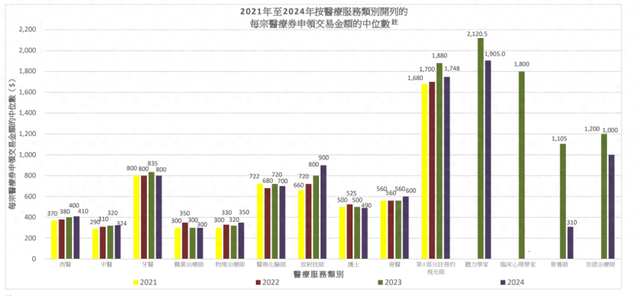
Group 1 - The number of elderly Hong Kong residents moving to Guangdong for retirement has surged by 40.5% over the past decade, with nearly 100,000 individuals aged 65 and above choosing to settle there by mid-2024 [1] - As of 2024, the elderly population (65 years and older) in Hong Kong accounts for 23.9% of the total population, which is approximately 170,000 seniors out of a total of 7.53 million [2] - Factors such as lower living costs, larger living spaces, and cheaper housing in mainland China are major attractions for Hong Kong seniors considering retirement there [2] Group 2 - The Hong Kong government has been actively promoting cross-border retirement policies, which have led to an increase in the number of Hong Kong-funded elderly care institutions opening in the Greater Bay Area [3] - New pilot medical institutions in mainland China have been established to facilitate easier access to outpatient medical services for Hong Kong seniors, with 12 new institutions added recently [4][5] - The introduction of the Elderly Medical Voucher, which provides HKD 2,000 annually for seniors aged 65 and above, has been a significant incentive for Hong Kong residents to seek medical services in mainland China [5] Group 3 - The cross-border medical system has seen an increase in usage, with many Hong Kong seniors opting for medical services in mainland hospitals due to lower costs compared to private hospitals in Hong Kong [7][10] - The Hong Kong University Shenzhen Hospital has reported a 79% year-on-year increase in the use of the Elderly Medical Voucher, indicating a growing trend among seniors to seek medical care in mainland China [10] - Despite the advantages, the Elderly Medical Voucher has limitations, covering only outpatient services and not including hospitalization or medication purchases [12] Group 4 - The average waiting time for elderly care facilities in Hong Kong can be as long as six years, prompting many seniors to consider moving to mainland China where costs are significantly lower [16][17] - The monthly fees for elderly care homes in mainland cities range from RMB 1,500 to RMB 4,000, which is substantially less than the average HKD 20,000 in Hong Kong [15] - The Hong Kong government has implemented various policies to alleviate the pressure on local medical services, including purchasing beds in mainland elderly care facilities [17] Group 5 - Insurance companies are beginning to develop products tailored for the cross-border retirement market, with firms like Taikang Insurance Group seeking to expand their services in Hong Kong [18][19] - The introduction of policies that lower the barriers for Hong Kong financial institutions to invest in mainland insurance companies is seen as a positive development for the cross-border retirement sector [19] - Various insurance products are being bundled with elderly care services, allowing Hong Kong residents to secure their retirement needs while benefiting from the advantages of mainland facilities [20]
10万香港老人开始北上养老,背后藏着多大的市场?
Hu Xiu· 2025-08-05 00:53
Group 1 - The number of elderly Hong Kong residents moving to Guangdong for retirement has surged, with nearly 100,000 individuals aged 65 and above choosing to settle there, marking a 40.5% increase over the past decade [2][4]. - As of 2024, the elderly population (65 years and older) in Hong Kong accounts for 23.9% of the total population, which is approximately 170,000 individuals [3][4]. - Factors such as lower living costs, larger living spaces, and cheaper housing in mainland China are significant attractions for Hong Kong seniors considering retirement there [5][6]. Group 2 - Recent years have seen increased policy initiatives from both Guangdong and Hong Kong governments aimed at facilitating cross-border retirement, attracting more Hong Kong seniors and investment from Hong Kong-funded elderly care institutions [6][41]. - The introduction of new medical institutions in mainland China allows Hong Kong seniors to access outpatient medical services, enhancing the appeal of cross-border healthcare [7][8][9]. - The Hong Kong Elderly Medical Voucher, which provides HKD 2,000 annually for medical services, can be used in designated hospitals in mainland China, further incentivizing elderly residents to seek medical care across the border [10][20]. Group 3 - The disparity in healthcare systems between Hong Kong and mainland China poses challenges for elderly residents, particularly regarding the transfer of medical records and insurance coverage [27][28][32]. - The average waiting time for elderly care services in Hong Kong is significant, with some facilities having wait times of up to six years, prompting many seniors to consider moving to mainland China for quicker access to care [37][41]. - The cost of elderly care in mainland China is substantially lower than in Hong Kong, with monthly fees for nursing homes in mainland cities being one-third to one-fifth of those in Hong Kong [33][34]. Group 4 - Insurance companies are beginning to develop products tailored for the cross-border retirement market, indicating a growing interest in this sector [42][46]. - The integration of insurance products with elderly care services is becoming a trend, with companies like China Pacific Insurance and Taikang Insurance exploring opportunities in this space [47][48]. - The potential market for cross-border retirement services is significant, especially among middle-income seniors who are looking for cost-effective solutions [51][55].
10万香港老人开始北上养老:“北上养老潮”背后藏着多大的市场?
Di Yi Cai Jing· 2025-08-05 00:11
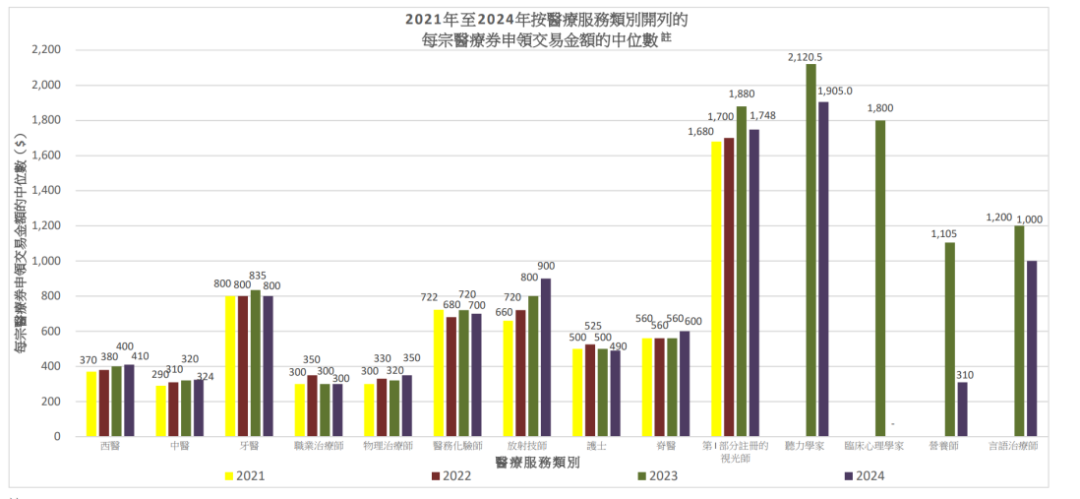
Core Viewpoint - The number of elderly residents from Hong Kong moving to Guangdong for retirement has surged by 40.5% over the past decade, with nearly 100,000 individuals aged 65 and above choosing to settle there by mid-2024, reflecting a growing trend in cross-border elderly care [1][2]. Group 1: Demographics and Trends - As of 2024, 23.9% of Hong Kong's population is aged 65 or older, amounting to over 1.7 million elderly individuals [1]. - The trend of "northward retirement" is becoming a realistic option for Hong Kong's elderly, driven by lower living costs and larger living spaces in mainland China [2][18]. Group 2: Healthcare Concerns - Key concerns for Hong Kong seniors considering retirement in mainland China include access to medical care, reimbursement for medical expenses, and the compatibility of medical records between the two regions [2][14]. - The Hong Kong government has initiated collaborations with 12 new medical institutions in mainland China to facilitate outpatient care for elderly residents [4][6]. Group 3: Financial Incentives and Support - Hong Kong seniors can utilize a yearly medical voucher worth 2,000 HKD (with a cumulative limit of 8,000 HKD) for medical services in designated mainland hospitals [6][20]. - The cost of elderly care in mainland China is significantly lower than in Hong Kong, with monthly fees for nursing homes in the Greater Bay Area being one-third to one-fifth of those in Hong Kong [17][18]. Group 4: Insurance and Market Opportunities - Insurance companies are beginning to develop products tailored for cross-border elderly care, recognizing the market potential in this sector [21][22]. - Major insurance firms like Taikang Insurance and China Pacific Insurance are actively pursuing opportunities in the cross-border elderly care market, with plans to integrate insurance products with retirement community services [23][24]. Group 5: Challenges and Limitations - Despite the growing trend, many elderly individuals remain hesitant to move due to concerns about healthcare coverage and the limitations of the medical voucher system, which primarily covers outpatient services [13][14]. - The integration of healthcare data between Hong Kong and mainland China remains a challenge, complicating the medical experience for Hong Kong seniors seeking treatment in the mainland [15][28].
收益“内卷”降温!分红型年金险成跨期财富管理“压舱石”
券商中国· 2025-08-04 23:40
Core Viewpoint - The current interest rate environment in China is undergoing significant changes, leading to a shift in consumer wealth management preferences from high short-term returns to long-term stability and certainty [2][3]. Group 1: Interest Rate Changes and Insurance Product Adjustments - The preset interest rate for ordinary life insurance products has been adjusted to 1.99%, marking the countdown to a formal reduction in preset rates [3]. - Major insurance companies have announced adjustments to the maximum preset rates for new insurance products, with ordinary life insurance rates capped at 2.0%, and dividend-type insurance at 1.75% [3]. - This marks the fourth reduction in preset rates since 2019, with expectations that low rates will persist due to long-term factors such as aging population and economic restructuring [3]. Group 2: Consumer Behavior and Wealth Management Trends - According to a report, 57% of consumers are using insurance for family wealth management, making it the second-largest wealth management method after bank wealth management [4]. - A survey indicated that 63.8% of residents prefer to save more, while only 12.9% are inclined to invest more, highlighting a shift towards savings and insurance products [4]. - Non-consumption insurance ranks among the top five preferred wealth management methods, accounting for nearly 10% [4]. Group 3: Regulatory Environment and Industry Transformation - Regulatory bodies have emphasized the need for stable operations and long-term strategies, discouraging "involution" in product yield competition [4]. - The "New National Ten Articles" issued by the State Council aims to enhance the insurance industry's risk prevention and high-quality development [4]. Group 4: Focus on Commercial Annuities - The Financial Regulatory Authority has encouraged the development of commercial annuities, highlighting their role in long-term wealth accumulation and stable pension income [5]. - The insurance industry is transitioning from focusing solely on product yields to enhancing service ecosystems, which is seen as a necessary evolution [5]. Group 5: Annuity Insurance as a Key Product - Annuity insurance is gaining popularity due to its stable returns and cash flow management capabilities, making it a vital tool for wealth management and addressing aging-related risks [6]. - Different types of annuity products are designed to meet various lifecycle needs and cash flow management goals, providing liquidity while ensuring capital safety [6]. Group 6: Shift to Ecological Services - The insurance industry is moving from a focus on yield competition to enhancing service functions, with a consensus on the need for ecological service models [7]. - Companies are integrating resources across industries to create comprehensive financial service solutions that cover the entire lifecycle of clients [8]. - For instance, Taiping Life is developing a "health + pension" ecosystem to meet diverse customer needs, with a nationwide service network established [8].

中国太平(00966.HK)拟8月28日举行董事会会议批准中期业绩
Ge Long Hui· 2025-08-04 08:44
格隆汇8月4日丨中国太平(00966.HK)宣布,公司将于2025年8月28日(星期四)举行董事会会议,藉以 (其中包括)考虑及批准公司及其附属公司截至2025年6月30日止六个月的中期业绩,并处理任何其他 事项。 ...
中国太平(00966) - 董事会会议日期
2025-08-04 08:31
香港交易及結算所有限公司及香港聯合交易所有限公司對本公告的內容概不負責,對其準確性或完整性亦不發 表任何聲明,並明確表示,概不對因本公告全部或任何部份內容而產生或因倚賴該等內容而引致的任何損失承 擔任何責任。 中國太平保險控股有限公司(「本公司」)宣佈,本公司將於2025年8月28日(星期四)舉行 董事會(「董事會」)會議, 藉以(其中包括)考慮及批准本公司及其附屬公司截至2025年6 月30日止六個月之中期業績,並處理任何其他事項。 承董事會命 中國太平保險控股有限公司 公司秘書 張若晗 中國香港,2025 年 8 月 4 日 於本公告日期,本公司董事會由 10 名董事組成,其中尹兆君先生及李可東先生為執行董事,郭兆旭先生、胡興 國先生、張翠女士及周梁剛先生為非執行董事,羅范椒芬女士、劉怡女士、邵善波先生及蔡洪平先生為獨立非 執行董事。 (於香港註冊成立之有限公司) (股份代號:966) 董事會會議日期 ...
国证国际港股晨报-20250804
Guosen International· 2025-08-04 05:48
Core Viewpoints - The employment data has severely impacted market confidence, leading to declines in major indices such as the Hang Seng Index, which fell by 1.07% [2] - The market is experiencing a significant sell-off, with a notable increase in short-selling activity, indicating a bearish sentiment among investors [2][4] Company Overview - The specific company under review, Zhonghui Biotech, was established in 2015 and focuses on the development of innovative vaccines, including a quadrivalent influenza vaccine and a freeze-dried rabies vaccine [10] - The quadrivalent influenza vaccine was launched in May 2023, marking it as the first and only approved vaccine of its kind in China [10] - The company is currently in a loss-making position, with projected revenues of 52.2 million and 259.6 million for 2023 and 2024 respectively, while total losses are expected to reach 424.7 million and 258.7 million for the same years [10] Industry Status and Outlook - The Chinese human vaccine market is projected to grow significantly, from 53.5 billion in 2019 to 96.1 billion by 2024, with a CAGR of 12.4% [11] - By 2033, the market is expected to reach 331.9 billion, driven by technological advancements, increased public awareness of vaccination, and supportive preventive healthcare policies [11] Advantages and Opportunities - The company has the potential to address unmet needs in the high-quality vaccine market with its quadrivalent influenza vaccine, which offers higher safety and better immune response [12] - A leading R&D technology platform supports the development of its vaccine pipeline, which includes 11 additional vaccines currently in research [12] Fundraising and Use of Proceeds - The IPO is set to raise funds with approximately 63.6% allocated for the development and registration of core products, while 18.1% will be used for other vaccine developments [16] - The remaining funds will enhance production capabilities and support operational costs [16] Investment Recommendation - The IPO price range is set between 12.9 and 15.5 HKD, with a post-IPO market capitalization estimated at 50.75 to 60.98 billion HKD [17] - The valuation appears high when compared to peers, with a projected PS ratio of 17.9 to 21.6 for 2024 [17]
保险行业点评:财税新规解读:预计对险企影响有限,高股息吸引力或小幅提升
SINOLINK SECURITIES· 2025-08-03 08:55
Investment Rating - The industry investment rating is not explicitly stated in the provided documents, but the analysis suggests a limited impact on insurance companies' profits due to the new tax policy on bond interest income [2]. Core Insights - The new tax policy, effective from August 8, 2025, will impose VAT on interest income from newly issued government and financial bonds, while existing bonds will remain exempt until maturity [1]. - The estimated impact on major insurance companies' net profits for 2024 is relatively minor, with figures such as 4.84 million for Ping An, 5.74 million for China Life, and 2.26 million for China Pacific, representing less than 1% of their respective net profits [2]. - The analysis indicates that the new bond issuance may have a higher coupon rate by 5-10 basis points compared to older bonds, which could lead to a temporary widening of the yield spread between new and old bonds [2]. Summary by Sections Event - The Ministry of Finance and the State Taxation Administration announced the restoration of VAT on interest income from newly issued bonds starting August 8, 2025, while existing bonds will continue to be exempt until maturity [1]. Impact Analysis - The static analysis shows limited profit impact on major insurance companies, with estimated profit reductions being a small percentage of their total net profits for 2024 [2]. - The dynamic analysis suggests that the new bond yields may reflect the tax impact, potentially leading to a temporary increase in yield spreads [2]. Market Outlook - In the current environment of slightly declining bond value, the attractiveness of high-dividend assets is expected to increase modestly [3].