俄罗斯天然气工业股份公司

Search documents
俄罗斯与北约剑拔弩张之际,俄气对欧州出口再创纪录,特朗普都被整无语了
Sou Hu Cai Jing· 2025-09-16 14:44
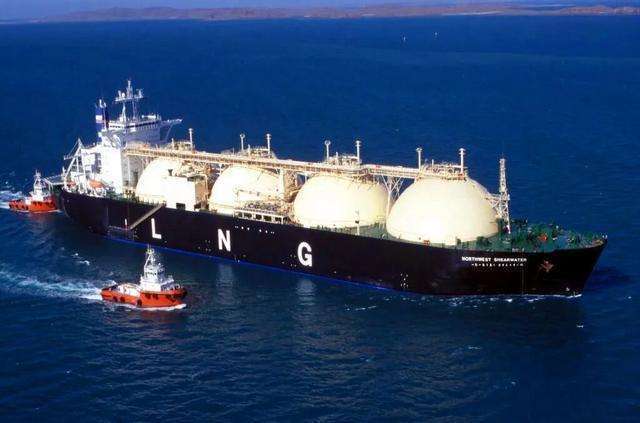
Group 1 - The import volume of Russian natural gas to Europe has reached a nearly seven-month high, with daily supply increasing to 51.2 million cubic meters in September, the highest since February's peak of 54.6 million cubic meters per day [1][3] - The only operational pipeline remaining for Russian gas to Europe is the "TurkStream," which has been less affected by Ukrainian attacks due to its location primarily in third countries [3] - The increase in Russian gas exports in September is mainly driven by Greece, which has seen an 80% rise in imports since August, reaching 9 million cubic meters per day, while the volume of Russian liquefied natural gas has decreased by one-third to 6 million cubic meters per day [3] Group 2 - The dependency of European countries on Russian natural gas is highlighted, as reducing liquefied natural gas imports necessitates an increase in pipeline gas purchases, making it challenging to sever ties with Russian energy supplies [3] - As winter approaches, the demand for natural gas in Europe is expected to significantly increase, indicating that if energy ties with Russia were not severed during summer, it would be nearly impossible to do so in winter [3]

俄罗斯将发行巨额熊猫债,中国人愿意为其买单吗?
Sou Hu Cai Jing· 2025-09-13 03:47
Group 1 - The core viewpoint is that Russia is preparing to issue panda bonds in the Chinese financial market as a response to economic challenges and geopolitical dynamics stemming from the ongoing Russia-Ukraine conflict [1][3]. - Panda bonds are debt instruments issued by foreign entities in China, denominated in RMB, and have become a significant financing channel for international companies in the Chinese capital market [1][3]. - The issuance of these bonds reflects Russia's strategic shift towards the Chinese capital market due to the severe economic sanctions imposed by Western countries, which have cut off Russia's access to international financial systems [3][9]. Group 2 - The funds raised through panda bonds could either be used for military purposes or for infrastructure development in the energy sector, which would significantly impact the investment outlook [3][7]. - Russia possesses substantial energy resources, ranking sixth in proven oil reserves and first in natural gas reserves globally, making energy development projects a potentially stable investment opportunity [7]. - If the funds are allocated to major energy projects like the Power of Siberia 2 gas pipeline, it could enhance energy cooperation between China and Russia while meeting China's growing energy demands [7].

专家:“西伯利亚力量-2”号天然气管道投入运行后,中国市场对俄气来说可与欧盟市场相比
Sou Hu Cai Jing· 2025-09-12 09:12
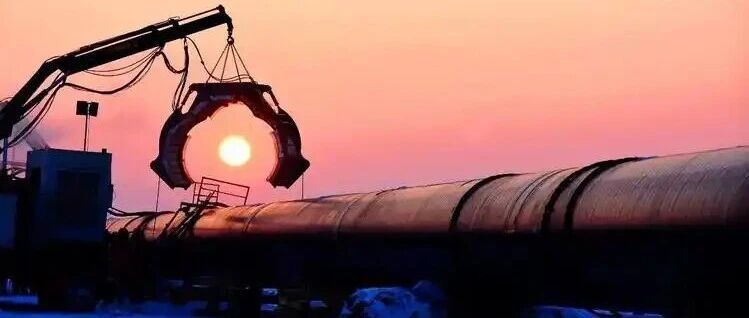
Group 1 - The core viewpoint is that the Chinese market for Gazprom could match the scale of the EU market following the launch of the "Power of Siberia-2" gas pipeline [2] - Gazprom and China National Petroleum Corporation signed a legally binding memorandum in Beijing for the construction of the "Power of Siberia-2" pipeline through Mongolia, with plans to increase gas supply through existing pipelines [2] - After reaching maximum capacity, Gazprom's gas supply to China is expected to reach 106 billion cubic meters annually, comparable to the 140 billion cubic meters supplied to the EU in 2021 [2] Group 2 - The "Power of Siberia" pipeline has been supplying gas to China since the end of 2019, with supply volumes set to reach contractual maximums by December 1, 2024 [2] - The Far East pipeline project includes a domestic pipeline from Sakhalin to Khabarovsk and Vladivostok, with long-term gas purchase contracts signed in February 2022, and supply expected to start in January 2027 [3]


中俄签天然气大单后,美国第一个跳出来喊疼,北溪爆炸案将重演?
Sou Hu Cai Jing· 2025-09-11 10:41
Core Viewpoint - The signing of the historic energy cooperation agreement between China and Russia, particularly the Power of Siberia-2 gas pipeline project, marks a significant shift in the global energy landscape, eliciting strong reactions from the United States [3][5][12]. Group 1: Energy Cooperation Agreement - The Power of Siberia-2 pipeline will enable the transportation of up to 50 billion cubic meters of high-quality Russian gas to China annually, with pricing mechanisms based on market principles, expected to be significantly lower than current prices for European customers [5][7]. - This project is seen as a critical turning point for Russia's energy strategy, especially under Western sanctions, as it seeks to diversify its energy export markets [7][14]. - By 2030, Russia's share of China's natural gas imports is projected to increase from approximately 10% to 20%, fundamentally altering the Eurasian energy trade dynamics [7]. Group 2: Strategic Implications for China - China stands to gain a stable land-based gas supply at competitive prices, reducing its reliance on maritime LNG transport routes, thereby enhancing its energy security [7][12]. - The deepening energy cooperation with Russia is expected to bolster China's geopolitical influence across the Eurasian continent [7]. Group 3: U.S. Response and Concerns - The U.S. has expressed strong dissatisfaction with the agreement, viewing it as a significant challenge to its energy industry and global energy dominance [8][9]. - Reports indicate that the U.S. is attempting to pressure Russia to abandon Chinese technology in favor of American equipment for its Arctic LNG projects, revealing a dual standard in U.S. foreign policy [8][9]. - Some U.S. commentators have even suggested potential sabotage of the pipeline, drawing parallels to the Nord Stream incident, indicating a heightened level of concern regarding the implications of the Sino-Russian partnership [9][10]. Group 4: Future of Sino-Russian Energy Cooperation - The ongoing development of projects like Power of Siberia-2 signifies a new height in Sino-Russian energy cooperation, which is expected to reshape the energy geopolitical landscape of Eurasia [14]. - The collaboration is framed as a strategic choice based on mutual long-term national interests, resilient against external pressures [12][14].
刚刚签订的中俄超级大单,究竟有多重要?
首席商业评论· 2025-09-07 04:09
Core Viewpoint - The article discusses the geopolitical and economic implications of the "Power of Siberia 2" gas pipeline project, which aims to transport 50 billion cubic meters of natural gas annually from Russia to China via Mongolia, highlighting the significance of this project for both countries amidst changing energy dynamics and market conditions [5][18]. Group 1: Project Overview - The "Power of Siberia 2" pipeline will transport 50 billion cubic meters of natural gas annually from the West Siberian gas fields through Mongolia to China, with a contract duration of 30 years [5][13]. - The project has been in discussion since 2015, with the final agreement reached after a decade of negotiations, primarily due to pricing disagreements [9][20]. - The pipeline is expected to cost between $10 billion to $14 billion and will span over 2,000 kilometers [13]. Group 2: Geopolitical Context - The choice of Mongolia as a transit route is strategic for Russia, as it enhances Russia's influence in Mongolia while providing a new market for gas, given Mongolia's energy shortages [8][9]. - The project reflects a shift in energy supply dynamics, as Russia seeks to reduce its reliance on European markets, which have been declining due to geopolitical tensions and sanctions [20][21]. Group 3: Economic Implications - China's increasing demand for natural gas necessitates a diversified supply, with pipeline gas being more controllable and cost-effective compared to LNG imports [19]. - In 2024, China is projected to import 7.665 million tons of LNG and 5.504 million tons of pipeline gas, with a significant portion expected to come from Russia through the new pipeline [19]. - The article notes that Kazakhstan and Uzbekistan have reduced their gas exports to China, making Russian gas a more critical component of China's energy strategy [19]. Group 4: Future Outlook - The successful implementation of the "Power of Siberia 2" could allow China to consume approximately 106 billion cubic meters of pipeline gas annually, significantly contributing to its energy needs [21]. - The article emphasizes that maintaining a strong relationship with China is crucial for the future of Russia's gas industry, especially as European demand continues to decline [20][21].
刚刚签订的中俄超级大单,究竟有多重要?
商业洞察· 2025-09-06 09:31
Core Viewpoint - The article discusses the significance of the "Power of Siberia 2" gas pipeline project, highlighting its diplomatic and economic implications for China, Russia, and Mongolia, as well as the challenges faced in its long-term negotiation and construction [4][10][24]. Group 1: Project Overview - The "Power of Siberia 2" pipeline will transport 50 billion cubic meters of gas annually from Western Siberia through Mongolia to China, with a contract duration of 30 years [4][10]. - The project has been in discussion since 2015, with the recent signing of a memorandum marking a significant step forward after nearly a decade of delays [4][10]. Group 2: Route and Strategic Importance - The pipeline's route through Mongolia was chosen to enhance Russia's influence in the region and to provide Mongolia with a cleaner energy source, addressing its severe air pollution issues [9][10]. - The decision to avoid a route through Central Asia, despite competition from Kazakhstan, reflects strategic considerations for both Russia and China [9][10]. Group 3: Economic Implications - The project is expected to cost between $10 billion to $14 billion and will involve the construction of over 2,000 kilometers of pipeline [15][16]. - The pipeline's capacity is designed to match that of the now-destroyed "Nord Stream" pipeline, indicating its potential to significantly alter the energy supply landscape [15][22]. Group 4: Energy Demand and Supply Dynamics - China is projected to import 76.65 million tons of liquefied natural gas (LNG) in 2024, with a significant portion coming from pipeline gas, which is seen as more controllable and cost-effective [24][25]. - The reduction in gas exports from Central Asian countries like Kazakhstan and Uzbekistan has increased the urgency for China to secure more gas from Russia [25][26]. Group 5: Russia's Economic Context - Russia's gas exports to Europe have plummeted, with only 8.33 billion cubic meters sold in the first seven months of the year, leading to a critical need for alternative markets like China [26]. - The "Power of Siberia 2" project is seen as a necessary response to the declining European market, with the potential to supply approximately 106 billion cubic meters of gas annually to China [26].
普京:中国伙伴将获得合理价格,不像欧元区虚高
Sou Hu Cai Jing· 2025-09-06 09:26
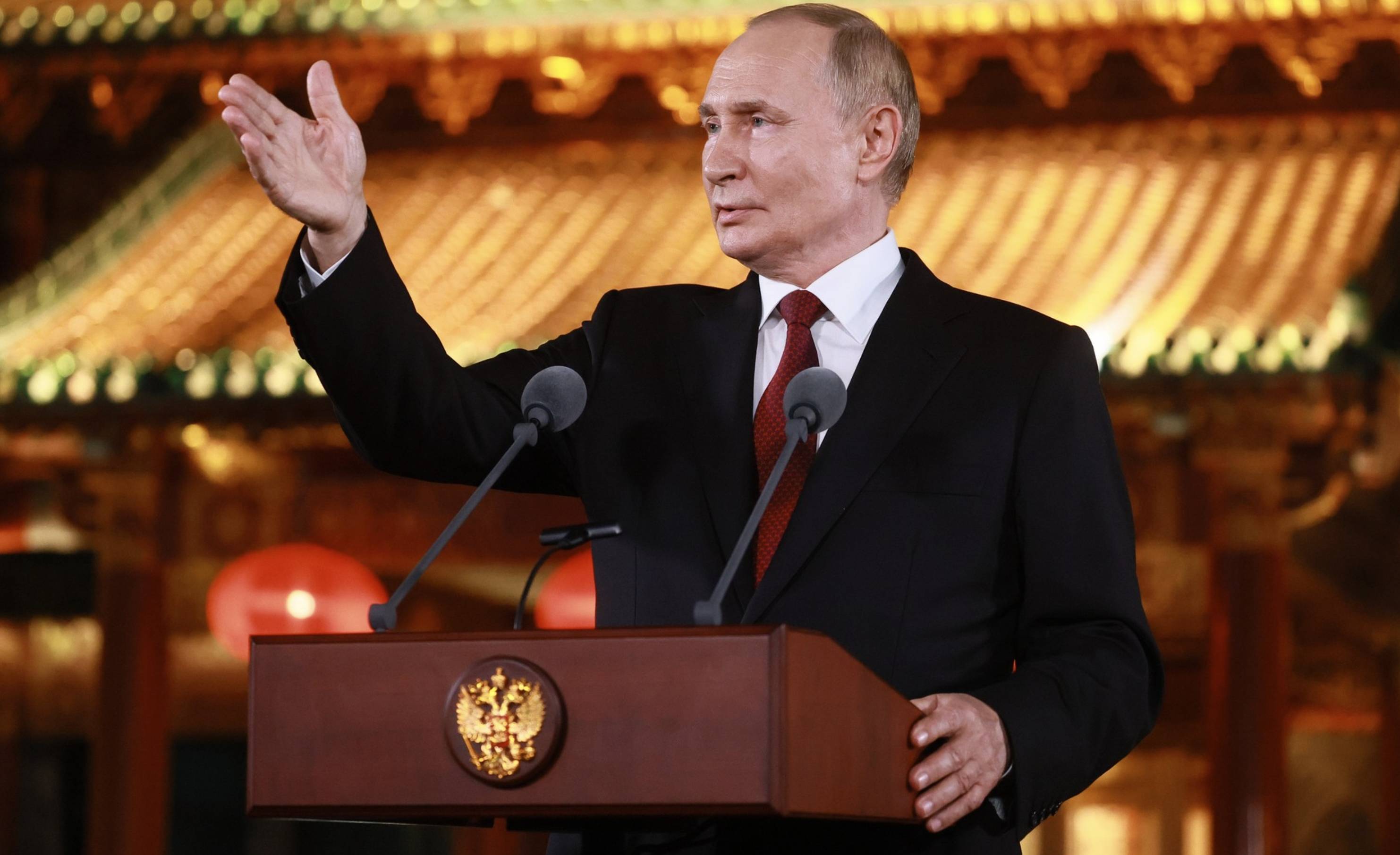
Group 1: Natural Gas Supply Agreement - Russia and China have reached a new agreement to increase Russian natural gas supplies, which will provide China with a competitive advantage due to lower prices compared to European customers [1][2] - The new agreement will allow Russia to export up to 50 billion cubic meters of natural gas annually to China through the "Power of Siberia-2" pipeline, with a total contract duration of 30 years [1][2] - The total annual export volume of natural gas from Russia to China is expected to exceed 100 billion cubic meters, combining the new pipeline with existing supply routes [2] Group 2: Economic Context - Despite economic recessions in many major economies, global economic growth continues, particularly in the Asia-Pacific region, with rising energy demand driven by China's economic expansion [2][3] - The agreement is described as mutually beneficial, adhering to market principles and not characterized as one party benefiting at the expense of the other [2] Group 3: Global Governance Initiative - The global governance initiative proposed by China aims to enhance cooperation among participating countries and address global challenges, reflecting China's commitment to multilateralism [6][7] - This initiative is part of a broader strategy that includes four major global initiatives focusing on development, security, civilization, and governance, aimed at stabilizing the international landscape [7][8]
中俄蒙超级大单谈妥!北溪没了欧盟订单泡汤,俄罗斯选择向东看
Sou Hu Cai Jing· 2025-09-05 13:57
Core Insights - The main focus of the news is the strategic energy cooperation between Russia, China, and Mongolia, particularly the signing of the "Power of Siberia-2" gas pipeline agreement, which aims to transport natural gas from Russia to China, reflecting Russia's shift in energy export strategy following the disruption of the Nord Stream pipeline [1][2][12]. Group 1: Project Overview - The "Power of Siberia-2" pipeline will transport up to 50 billion cubic meters of natural gas annually from Russia to China over a 30-year period [2][10]. - The agreement also includes increasing the annual gas transport capacity of the existing "Power of Siberia" pipeline from 38 billion cubic meters to 44 billion cubic meters, and the "Far East" pipeline from 10 billion cubic meters to 12 billion cubic meters [4]. Group 2: Geopolitical Context - The destruction of the Nord Stream pipeline has significantly reduced Russia's natural gas exports to Europe, dropping from 40% to approximately 19% of the European market, prompting Russia to pivot its energy strategy towards Asia [5][8]. - The "Power of Siberia-2" project is seen as a critical step in Russia's "Look East" strategy, aiming to reduce dependence on European markets and mitigate the impact of Western sanctions [12]. Group 3: Economic Implications - By 2035, Russia plans to increase its natural gas export share to China from 0% to 25%, fundamentally altering its energy export landscape [12]. - China, as the world's largest energy importer, is expected to benefit from stable gas supplies through land pipelines, reducing reliance on maritime routes that are subject to geopolitical risks [13][16]. Group 4: Benefits for Mongolia - Mongolia stands to gain significant transit revenue and enhanced economic cooperation through the pipeline project, which is expected to boost its infrastructure and related industries [15]. - The agreement allows Mongolia to purchase Russian gas at discounted prices, positively impacting its energy supply and economic development [15]. Group 5: Challenges and Future Outlook - The project has faced lengthy negotiations since 2006, with past disagreements over gas pricing and transit fees causing delays [15]. - The successful signing of this agreement marks a significant advancement in energy cooperation and reflects the changing geopolitical landscape in the region [15].


刚刚签订的中俄超级大单,究竟有多重要?
虎嗅APP· 2025-09-05 13:56
Core Viewpoint - The article discusses the significance of the "Power of Siberia 2" gas pipeline project, which aims to transport 50 billion cubic meters of natural gas annually from Russia to China via Mongolia, highlighting its diplomatic and economic implications for the involved countries [4][12]. Group 1: Project Overview - The "Power of Siberia 2" pipeline project was officially agreed upon during a meeting between the leaders of China, Russia, and Mongolia, with a legal memorandum signed on September 2 [4]. - The project will have a contract duration of 30 years, with the annual gas supply set at 50 billion cubic meters, although the purchase price remains undisclosed [4][12]. - The pipeline is expected to cost between $10 billion to $14 billion and will span over 2,000 kilometers [14]. Group 2: Strategic Importance - The choice of Mongolia as a transit route is strategic, as it enhances Russia's influence in the region while providing Mongolia with a cleaner energy source to combat severe air pollution [9][21]. - The pipeline is designed to utilize the West Siberian oil and gas basin, which holds two-thirds of Russia's natural gas reserves, thus significantly increasing the volume of gas available for export to China [14][19]. Group 3: Market Dynamics - China's increasing demand for natural gas necessitates a shift towards pipeline imports, especially as other Central Asian countries reduce their exports to China [21][22]. - In 2024, China is projected to import 7.665 million tons of liquefied natural gas (LNG) and 5.504 million tons of pipeline gas, indicating a strong reliance on pipeline imports for energy security [21]. - Russia's gas exports to Europe have plummeted, with only 8.33 billion cubic meters sold in the first seven months of the year, necessitating a pivot towards China as a key market [22][23].
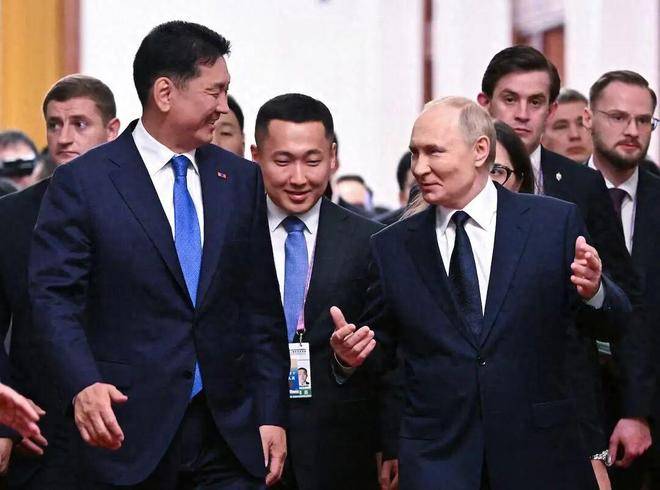
美国还是没拦住,中俄蒙大项目终于签了,俄方透露将使用本币结算
Sou Hu Cai Jing· 2025-09-05 05:17
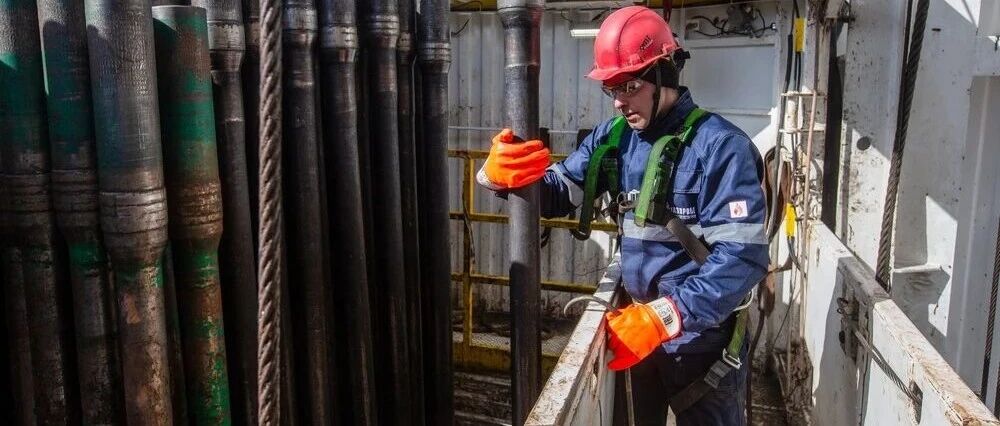
据国际观察家分析,此次协议的签署堪称普京总统此次访华行程中最具战略价值的成果。这条横跨三 国、全长约2600公里的能源大通道,不仅将俄罗斯丰富的天然气资源与中国巨大的能源市场紧密连接, 更通过蒙古的枢纽作用构建起全新的区域合作框架。项目建成后预计年输气量可达500亿立方米,相当 于中国2022年天然气进口总量的15%,将显著提升中国能源供应多元化水平。 【深度解析】普京访华收获重大战略成果:中俄蒙能源合作迈入新纪元 9月2日,国际能源市场迎来标志性时刻。俄罗斯天然气工业股份公司总裁阿列克谢·米勒正式宣布,在 中俄蒙三国元首共同见证下,各方已签署具有法律效力的合作备忘录,正式启动\"西伯利亚力量-2号 \"天然气管道及过境蒙古的\"东方联盟\"管道建设项目。这一价值数百亿美元的战略项目,标志着欧亚 大陆能源格局将迎来深刻变革。 分析人士普遍认为,这条\"钢铁丝绸之路\"的意义远超单纯的商业项目。它既是中俄新时代全面战略协 作伙伴关系的具体体现,也是蒙古融入区域经济一体化的重要契机。随着项目推进,预计将带动沿线地 区形成新的产业聚集带,促进跨境铁路、电网等基础设施的互联互通,为三国创造超过百万个直接或间 接就业机 ...